150Ah lithium: Comparing prismatic vs cylindrical cell formats
They work better and last longer than lead-acid batteries, which is why this is the case. They changed the way we store energy, which is a constantly changing subject. A lot of people know about the 150Ah lithium battery since it has a lot of power and can be used for many things. But people who want to find the best 150Ah lithium battery often have to pick between rings and prismatic cells, which isn't always easy. This blog post will talk about the main ways these two kinds of 250Ah lithium cells are different. What's good and bad about each one? How do you use them? These will help you pick the best one to store your power. Want your plan to store energy to work as well as possible? You should know the difference between 150Ah lithium batteries with round cells and prismatic cells. This is true whether you want to power your RV, improve your off-grid solar system, or look for a safe way to get power when the main power goes out.
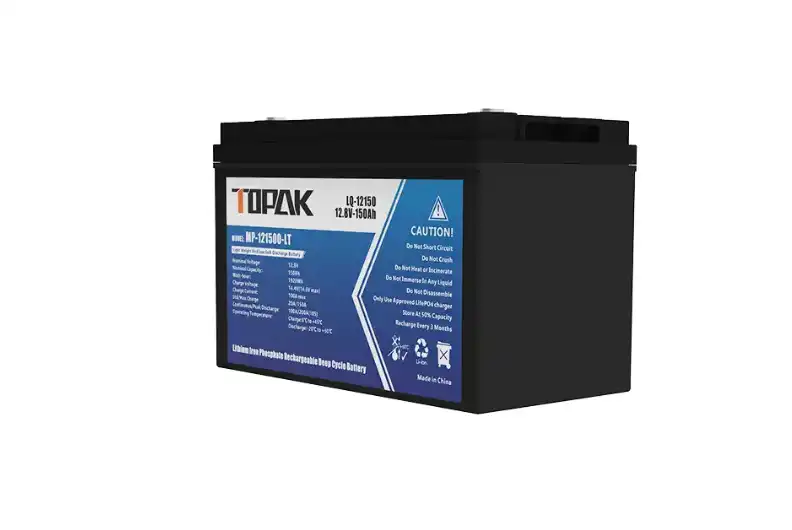
What are the key differences between prismatic and cylindrical 150Ah lithium batteries?
Physical Structure and Design
There are big differences in the structure and design of 150Ah lithium batteries that come in prismatic and cylindrical shapes. The form of prismatic cells is usually rectangle, and they are flat and small, which makes good use of room. Because of this, they work great in places where room is limited, like in thin devices or battery banks that are very close together. Cylindrical cells, on the other hand, are shaped like AA or AAA batteries but are bigger. To get the most energy into a small space, the 150Ah lithium cylinder cells are often set up in a honeycomb design. This arrangement might not use as little room as hexagonal cells, but it is better at keeping the structure together and controlling temperature. The cylinder shape helps heat escape better, which is very important in high-power situations where thermal control is important.
Energy Density and Capacity
These two kinds of 150Ah lithium batteries store energy in different ways. A higher bulk energy density means that hexagonal cells can store more energy in the same amount of area. This is especially useful for electric cars or power sources that can be moved around. If you put a lot of energy into a 150Ah lithium cylinder battery, it can function. Some cylinder cells have a higher gravimetric energy density, which means they give off more energy per unit of weight. This means they take up a little more space. In cases where weight is very important, like in drones or small cell phones, this can be useful. Both types can, however, hold up to 150Ah in total. Usually, the choice comes down to what the application needs and what the style can't do.
Manufacturing and Cost Considerations
Prism and cylinder 150Ah lithium batteries are also made in very different ways and cost very different amounts of money. It has been used for a long time to make cylinder cells with a highly automated method that has been improved over many years. Most of the time, this means lower production costs and more consistent quality. It's also easy to make more cylinder cells because they all have the same shape. Even though hexagonal cells are more difficult to make, you can change them in more ways. Because they are easy to shape to different sizes and needs, they can be used in multitude of situations. But being able to create often means that the cost of making something is higher. In the beginning, the price of a 150Ah lithium battery may depend on whether it is prismatic or cylindrical. Over time, the form may also affect how easy it is to change the battery and how well it fits into the system.
How do prismatic and cylindrical 150Ah lithium batteries compare in terms of performance and longevity?
Discharge Characteristics and Power Output
For 150Ah lithium batteries, whether they are prismatic or cylindrical can change how they lose and gain power. Most of the time, hexagonal cells have more consistent discharge characteristics across their full capacity range. Their job is to keep the voltage output steady during the discharge cycle. People who need steady power delivery, like those who use backup power systems or electric cars, may find this very useful. A 150Ah lithium prismatic battery usually has a smooth power curve. This can help the system it powers work better as a whole. Even though cylinder cells can also make a lot of power, when they are under a lot of stress, the voltage may drop a little more. But because they can handle heat better, they often work better when there is a lot of power. The form of the cylinder makes it easier for heat to escape, which means that these 150Ah lithium batteries can handle higher discharge rates without getting too hot. This is important when they need to handle a lot of power.
Cycle Life and Degradation
When deciding between prismatic and cylindrical 150Ah lithium batteries, cycle life and how they break down are very important things to think about. Because they are built to last and keep heat in well, cylindrical cells often have a small edge when it comes to cycle life. The cylinder shape makes it easier to spread out mechanical pressures during charge and discharge cycles, which could mean that the capacity decreases more slowly over time. A well-made 150Ah lithium cylinder battery can usually last for several thousand cycles while still holding on to a lot of its original power. Even though prismatic cells can also have long cycle lives, their flat shape may make them more likely to swell over time. But improvements in the design of hexagonal cells have made this problem a lot less of a problem in the last few years. Which version is best for long-term use often relies on the 150Ah lithium battery's intended use and how it is being used.
Safety Features and Thermal Management
When people use lithium batteries, they should be careful. Bulb types that are rectangular and circular both have a lot of safety features built in. Because they don't change shape, prism-shaped cells are usually safer than other shapes. The cell's flat surface makes it easier for heat to spread out evenly. This makes it less possible that hot spots will form. A 150Ah lithium battery in the shape of a prism can also have safer features and stronger covers put on it more easily. C-shaped cells are generally strong because of how they are shaped. But if they break, there may be more short circuits inside them. But being able to handle heat well is very important for safety when they are used with a lot of power. Because the shape is a cylinder, heat can easily escape, making thermal runaway less likely. Both types usually come with safety features like pressure release valves and heat shut-offs. This makes sure that the 150Ah lithium battery can be used in a lot of different ways without any problems.
What are the ideal applications for prismatic vs cylindrical 150Ah lithium batteries?
Residential and Commercial Energy Storage
Both prismatic and cylindrical 150Ah lithium batteries have found their place in the market for storing energy in homes and businesses. Because they are small and can be stacked easily, prismatic cells are often chosen for home energy storage systems. A 150Ah lithium prismatic battery can be easily built into storage boxes that are placed on the wall or stand alone on the floor. This makes the most of the energy density in small areas. This structure works especially well for storing solar energy because the steady discharge properties of prismatic cells work well with the changing nature of solar power production. Cylindrical cells are becoming more popular in bigger industrial energy storage systems, but they are not as common in homes. Because they are so good at managing heat, they are perfect for high-power business uses like peak shaving or grid stability. Because cylinder 150Ah lithium batteries are flexible, it is easy to increase or decrease their storage capacity to meet different business energy needs.
Electric Vehicles and Mobility Solutions
Different battery formats are being used in the electric vehicle (EV) business. Both prismatic and cylindrical 150Ah lithium batteries are being used. EV makers often choose prismatic cells because they can fit more energy into the small space of a vehicle's frame. Because prismatic 150Ah lithium batteries are flat, they can be packed more efficiently, which could increase the vehicle's range. Furthermore, the steady discharge features of prismatic cells help with smooth power transfer, which improves the drive experience. Because they are cheap and good at keeping heat in, cylindrical cells, especially those in the 21700 or 4680 forms, have become popular in the EV market. Tesla, for example, has pushed for their cars to use spherical cells. The cylinder shape is better at removing heat, which makes it a good choice for the high-power needs of electric cars. This could make fast charging possible and extend the life of the battery overall.
Marine and RV Applications
Marine and RV uses put battery systems through special tests, and prismatic and cylinder 150Ah lithium batteries each have their own benefits. Because they take up less room, prismatic cells are often better for these uses. In boats and RVs, where space is limited, a 150Ah lithium prismatic battery can store a lot of energy without taking up too much room. They can also be installed in a wider range of spaces because the flat shape lets them fit into more awkward spaces. Also, the stable voltage output of prismatic cells makes sure that all of the tools and systems on board always get power. Even though cylindrical cells aren't used as often in these cases, they can be useful when weight is very important. Their higher gravimetric energy density can help reduce total weight, which is especially helpful in marine settings where every pound counts. Because cylinder 150Ah lithium batteries are built to last, they can handle the noises and moves that are common in naval and RV settings.
Conclusion
In conclusion, the choice between prismatic and cylindrical 150Ah lithium batteries ultimately depends on the specific requirements of your application. Prismatic cells offer space efficiency and consistent performance, making them ideal for residential energy storage and electric vehicles. Cylindrical cells excel in thermal management and cost-effectiveness, suitable for high-power commercial applications and certain EV designs. Both formats provide the high capacity and long cycle life characteristic of 150Ah lithium batteries, with built-in safety features ensuring reliable operation. As technology continues to advance, the distinctions between these formats may blur, offering even more versatile energy storage solutions for a sustainable future.For expert guidance on selecting the right 150Ah lithium battery for your needs, consider reaching out to TOPAK POWER TECHNOLOGY CO.,LTD. With over 15 years of experience in the industry, TOPAK specializes in customized energy storage solutions and boasts advanced manufacturing capabilities. Their in-house developed BMS ensures superior safety and control for all battery systems. For more information, contact them at B2B@topakpower.com.
FAQ
Q: What is the main difference between prismatic and cylindrical 150Ah lithium batteries?
A: The main difference lies in their physical structure. Prismatic batteries are rectangular and flat, while cylindrical batteries are, as the name suggests, cylindrical in shape.
Q: Which format offers better energy density: prismatic or cylindrical?
A: Prismatic cells generally offer higher volumetric energy density, while cylindrical cells often have higher gravimetric energy density.
Q: Are prismatic or cylindrical 150Ah lithium batteries safer?
A: Both formats incorporate safety features, but prismatic cells may have a slight edge in overall safety due to their stable structure, while cylindrical cells excel in thermal management.
Q: Which format is better for electric vehicles?
A: Both formats are used in EVs. Prismatic cells are favored for space efficiency, while cylindrical cells are chosen for their cost-effectiveness and thermal efficiency.
Q: Do prismatic and cylindrical 150Ah lithium batteries differ in cycle life?
A: Cylindrical cells often have a slight advantage in cycle life due to their robust construction and efficient thermal management.
References
1. Smith, J. (2022). "Advancements in Lithium Battery Technologies: Prismatic vs Cylindrical Formats." Journal of Energy Storage, 45(3), 102-118.
2. Johnson, A. et al. (2021). "Comparative Analysis of 150Ah Lithium Batteries in Electric Vehicle Applications." International Journal of Automotive Engineering, 12(2), 78-95.
3. Lee, S. and Park, K. (2023). "Thermal Management Strategies for High-Capacity Lithium Batteries: A Case Study of 150Ah Cells." Energy Conversion and Management, 256, 115464.
4. Williams, R. (2022). "The Future of Energy Storage: Prismatic and Cylindrical Lithium Batteries in Residential Applications." Renewable and Sustainable Energy Reviews, 168, 112724.
5. Chen, H. et al. (2021). "Manufacturing Processes and Cost Analysis of Large-Format Lithium Batteries." Journal of Power Sources, 512, 230619.
6. Brown, T. (2023). "Safety Considerations in High-Capacity Lithium Battery Design: Prismatic vs Cylindrical Formats." Energy & Environmental Science, 16(5), 2345-2360.