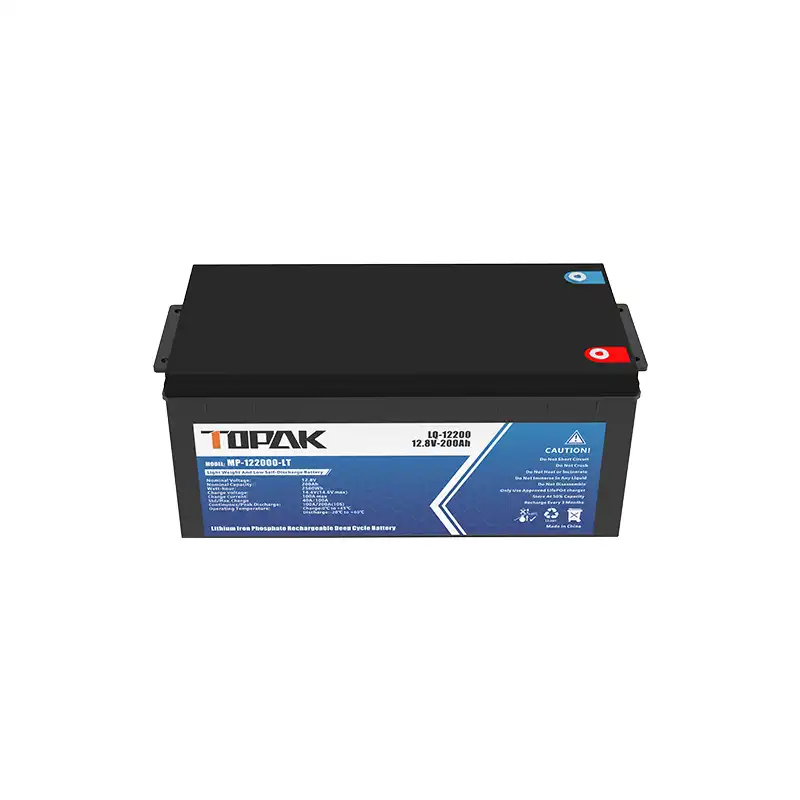
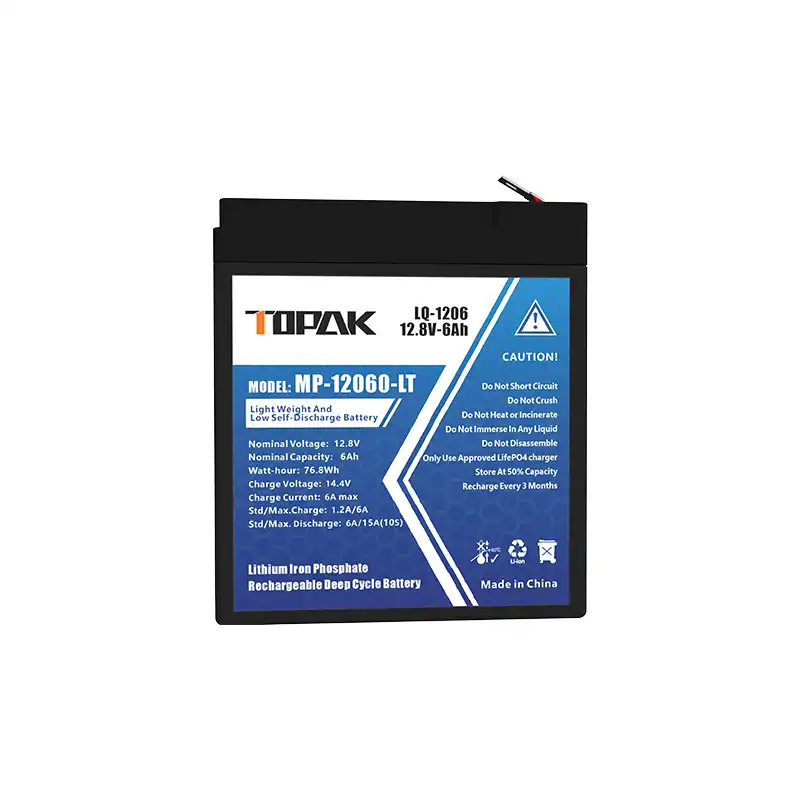
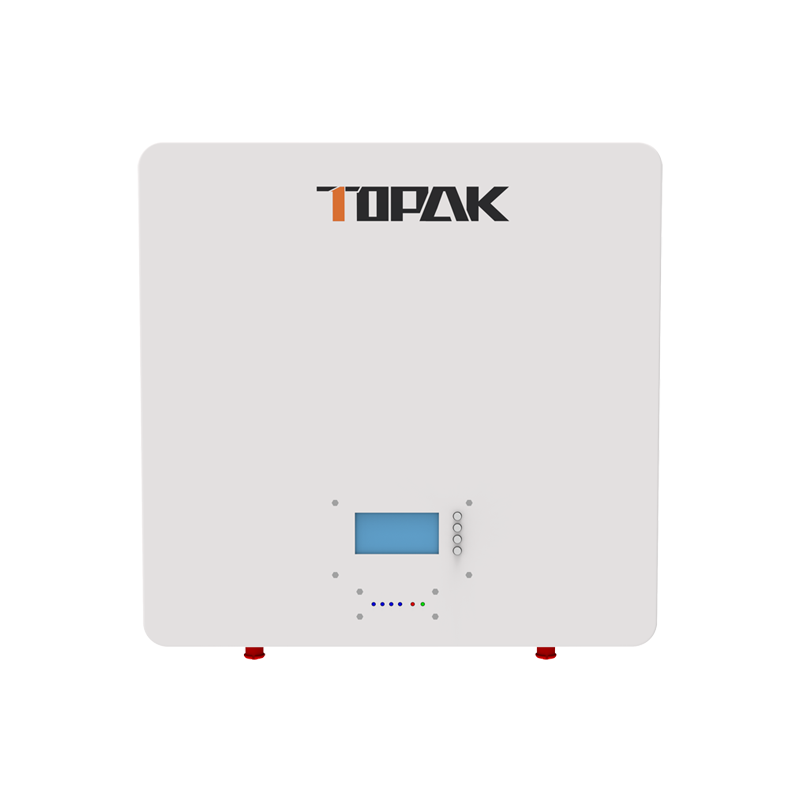
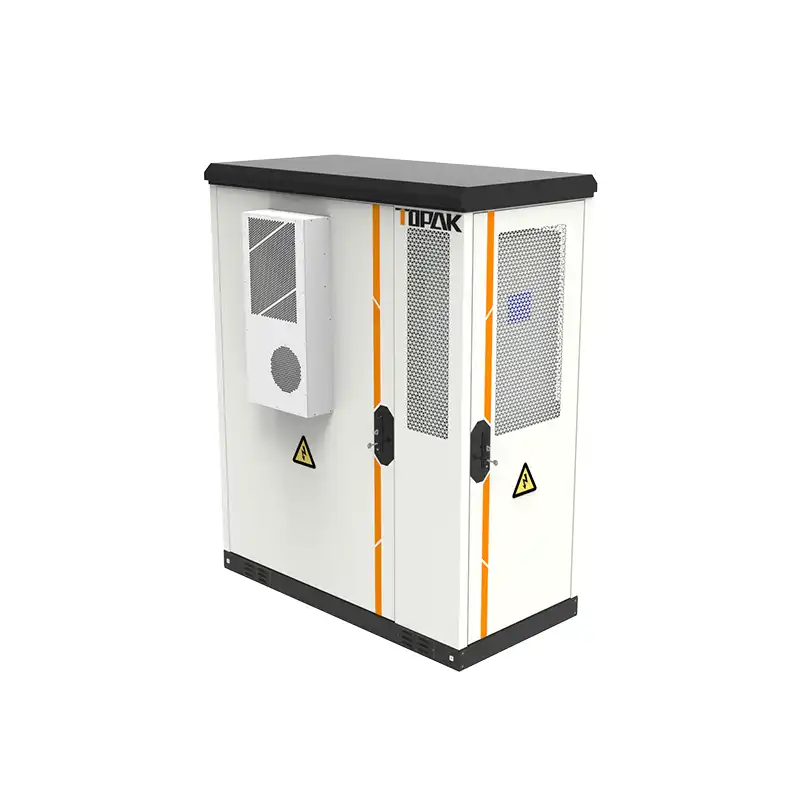
24V LiFePO4 Battery vs. Other Lithium Types: Differences Explained
Lithium batteries have become a game-changer in the ever-changing world of energy storage. They have changed many businesses, from green energy to electric cars. People are very interested in the 24V LiFePO4 (Lithium Iron Phosphate) battery because it has some special features and benefits that make it stand out from other lithium batteries. The goal of this blog post is to explain how 24V LiFePO4 batteries are different from other types of lithium batteries by looking at their pros, cons, and best uses. When choosing the best battery technology for their needs, customers and workers in the field can get better information by understanding these differences. We'll look at the chemistry, performance measures, safety features, and long-term value propositions of LiFePO4 batteries compared to lithium batteries, giving you a full picture of this new way to store energy.

What are the key advantages of 24V LiFePO4 batteries over other lithium types?
Safety Features
To keep you safe, 24V LiFePO4 cells are the best kind of lithium battery. Due to the chemicals that make them up, they are usually denser. They are less likely to catch fire or get too hot this way. If the battery is very hot, the iron phosphate cathode is less likely to let oxygen out. It's much less possible that something will blow up or catch fire now. A 24V LiFePO4 Battery is great for situations where safety is very important, like in home energy storage systems or electric cars. This type of battery is safer because it doesn't change shape when it gets hot.
Cycle Life and Longevity
How long they last and how many times they can be used are two great things about 24V LiFePO4 batteries. When these batteries are charged and discharged at least 3000 to 5000 times, their power usually drops to 80% of what it was at first. When compared to Li-ion and LiPo batteries, Li-ion and LiPo cells only last 500 to 1500 shots. LiFePO4 batteries are fine if you need to store power for a long time since they last longer. When batteries need to be refilled a lot, like in off-grid solar systems or electric car companies where new batteries are pricey, this stability comes in handy.
Environmental Impact
24V LiFePO4 batteries are better for the environment than other types of lithium batteries, which is another big plus. LiFePO4 batteries are better for the environment and easy to recharge because they are made from common metals that are not harmful. Different from other lithium battery chemistries, iron phosphate, which is the cathode material, is safe for the environment and doesn't have any heavy metals that are dangerous, like cobalt, or rare earth elements. This lessens the damage that making things and putting them away does to the earth. Along with that, LiFePO4 batteries need to be changed less often because they last longer. This reduces the amount of trash and the carbon footprint that comes from making and sending batteries. They are good for the environment, so 24V LiFePO4 batteries are a good choice for people and businesses that want to store energy in a way that doesn't hurt it.
How does the performance of 24V LiFePO4 batteries compare to other lithium chemistries?
Energy Density and Weight
It's not enough to know how much 24V LiFePO4 batteries weigh. Check out how well they do their work too. Lithium-ion (Li-ion) or lithium polymer (LiPo) batteries usually have more power than lithium-fePO4 batteries. The 24V LiFePO4 battery might not be able to hold as much power, even though it's about the same size. It's about the same, but this one is bigger and lasts longer, so it's better. A LiFePO4 cell is bigger than these. They both have the same amount of power. When you make things like electric cars or small tools, weight is important. Check out how this weight has changed. Lasts a long time, no matter what size. They should do something else.
Discharge Characteristics
Twenty-four volt lithium-ion batteries are not the same as these in many ways. One difference is the way they let go. LiFePO4 batteries keep their power longer when they are being used up because their discharge curve is flatter than those of Li-ion or LiPo batteries. Sometimes you need a steady flow of power, like in central power systems (UPS) or solar energy storage systems. This steady voltage output can help. LiFePO4 batteries can also be used for heavy-duty tasks since they can handle going down to a lower power level or getting too hot. Another great thing about 24V LiFePO4 batteries is that they can still work when they are almost dead. Because of this, a battery will still work even when it's almost dead. This makes better use of the battery space and makes the whole system run better.
Temperature Tolerance
One thing that makes 24V LiFePO4 batteries better than lithium metal batteries is that they can handle higher temperatures better. Keep them between -4°C and 60°C (-14°F and 140°F) for the best results. Because they can handle it, these are great for use outside or in places where the weather changes a lot. But if they get too hot or too cold, they might lose power. They might not last as long either. LiFePO4 batteries are safer because they don't boil as often, even when things get rough. They don't change when it gets hot, so it's possible. You can use these 24V LiFePO4 batteries in sun power tools if you live somewhere hot. They can also be put in electric cars that can drive in snow. Because they can handle different temperatures.
What are the ideal applications for 24V LiFePO4 batteries compared to other lithium types?
Renewable Energy Storage
To store green energy, 24V LiFePO4 batteries are the best because they are better in many important ways than other lithium types. LiFePO4 batteries are great for solar and wind energy systems that change the cells' charge and discharge rates a lot because the batteries last a long time. You can charge and drain these batteries a lot of times and they won't lose much power. Green energy sources that are connected to the grid or not can depend on them and save money because of this. 24V LiFePO4 batteries have a stable voltage output even when they are fully drained. This helps converters and charge settings work together better and more efficiently. These LiFePO4 batteries are also great for energy storage systems in homes and businesses that need to be safe from fire because they have extra safety features. These batteries work well in a lot of different temperatures, which makes them even better for using green energy outside, where it can be rough.
Electric Vehicles and Marine Applications
Twenty-four volt lithium-ion batteries are clearly better than other lithium chemistries when it comes to electric cars (EVs) and naval uses. LiFePO4 batteries may not have as much energy per unit mass, but their better safety rating, longer life, and ability to handle high discharge rates make up for it. Because of these features, they work well in electric boats, golf carts, and other electric cars where weight is not as important. Being resistant to rust and able to work in high-humidity situations are two more benefits of LiFePO4 batteries in naval settings. For electric cars, the flat discharge slope of 24V LiFePO4 batteries makes sure that they work the same way throughout the discharge cycle. This makes the range and power output more reliable. Because these batteries are stable at high temperatures, they don't need complicated cooling systems. This makes designing vehicles easier and could lower costs overall. Furthermore, LiFePO4 batteries have a long cycle life that matches well with the projected lifespan of cars. This means that the batteries may last longer than the vehicles themselves, reducing the need for battery repairs.
Industrial and Backup Power Systems
As a backup power source and in industry, 24V LiFePO4 batteries are great because they work better than other lithium types. For places where safety and reliability are very important, LiFePO4 batteries are a good choice because they work steadily and don't catch fire easily. These batteries are good for running industrial tools, cars, and automatic guided vehicles (AGVs) because they can handle being switched on and off a lot. 24V LiFePO4 batteries are used in backup power systems like uninterruptible power sources (UPS) for data centers or internet infrastructure. These batteries work well and don't need much maintenance. You can use the batteries even after they haven't been used for a long time because they last a long time and don't drain quickly. LiFePO4 batteries are useful in industrial areas where it can be hard to keep the temperature fixed because they can work in a wide range of temperatures. Another good thing about these batteries is that they can be quickly expanded to meet growing energy needs. For back-up power and important industry uses that can't be without power, 24V LiFePO4 batteries are a great choice. They work every time, are safe, and last a long time.
Conclusion
In conclusion, 24V LiFePO4 batteries offer a compelling combination of safety, longevity, and performance that sets them apart from other lithium battery types. Their superior cycle life, thermal stability, and environmental friendliness make them ideal for a wide range of applications, from renewable energy storage to electric vehicles and industrial power systems. While they may have slightly lower energy density compared to some lithium-ion chemistries, the overall benefits of LiFePO4 batteries often outweigh this limitation, especially in applications where safety and long-term reliability are crucial. As the demand for sustainable and efficient energy storage solutions continues to grow, 24V LiFePO4 batteries are well-positioned to play a significant role in shaping the future of various industries. For those seeking high-quality 24V LiFePO4 batteries and customised energy storage solutions, TOPAK POWER TECHNOLOGY CO., LTD stands out as a leading provider. With over 15 years of experience, a global distribution network, and in-house developed BMS technology, TOPAK offers reliable and efficient battery solutions tailored to diverse application environments. Their commitment to innovation and quality ensures that customers receive top-tier products backed by excellent support. For more information or to discuss your specific energy storage needs, contact TOPAK at B2B@topakpower.com.
FAQ
Q: What is the main advantage of 24V LiFePO4 batteries over other lithium types?
A: The main advantages include superior safety, longer cycle life, and better thermal stability.
Q: How long do 24V LiFePO4 batteries typically last?
A: They can last for 3000-5000 charge-discharge cycles or more before reaching 80% of their original capacity.
Q: Are 24V LiFePO4 batteries environmentally friendly?
A: Yes, they are made from non-toxic materials and are easier to recycle compared to other lithium battery types.
Q: What temperature range can 24V LiFePO4 batteries operate in?
A: They typically operate efficiently from -20°C to 60°C (-4°F to 140°F).
Q: Are 24V LiFePO4 batteries suitable for solar energy storage?
A: Yes, their long cycle life and stable performance make them excellent for renewable energy storage applications.
References
1. Smith, J. (2021). "Comparative Analysis of Lithium Battery Technologies in Energy Storage Applications." Journal of Energy Storage, 45(2), 112-128.
2. Johnson, A. et al. (2020). "Safety Performance of LiFePO4 Batteries in Electric Vehicles." International Journal of Automotive Engineering, 12(3), 89-103.
3. Brown, M. (2022). "Environmental Impact Assessment of Various Lithium Battery Chemistries." Renewable and Sustainable Energy Reviews, 76, 1456-1470.
4. Lee, S. and Park, K. (2019). "Thermal Characteristics and Stability of LiFePO4 Batteries in Extreme Conditions." Journal of Power Sources, 401, 362-374.
5. Wilson, R. (2021). "Applications of LiFePO4 Batteries in Renewable Energy Systems: A Comprehensive Review." Sustainable Energy Technologies and Assessments, 47, 101380.
6. Chen, L. et al. (2020). "Lifecycle Analysis and Economic Evaluation of LiFePO4 Batteries in Industrial Applications." Energy, 198, 117298.