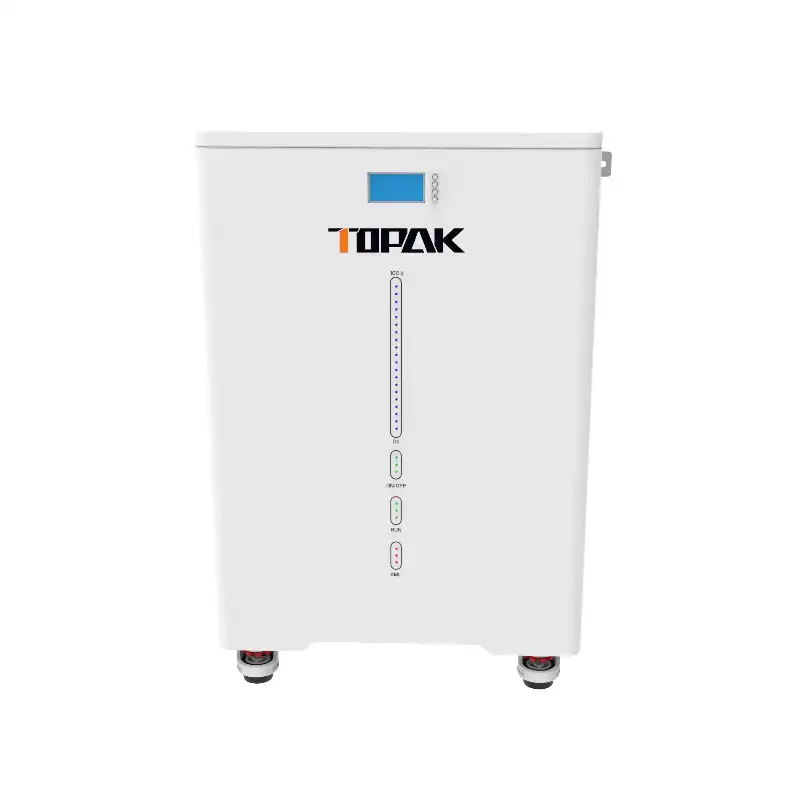
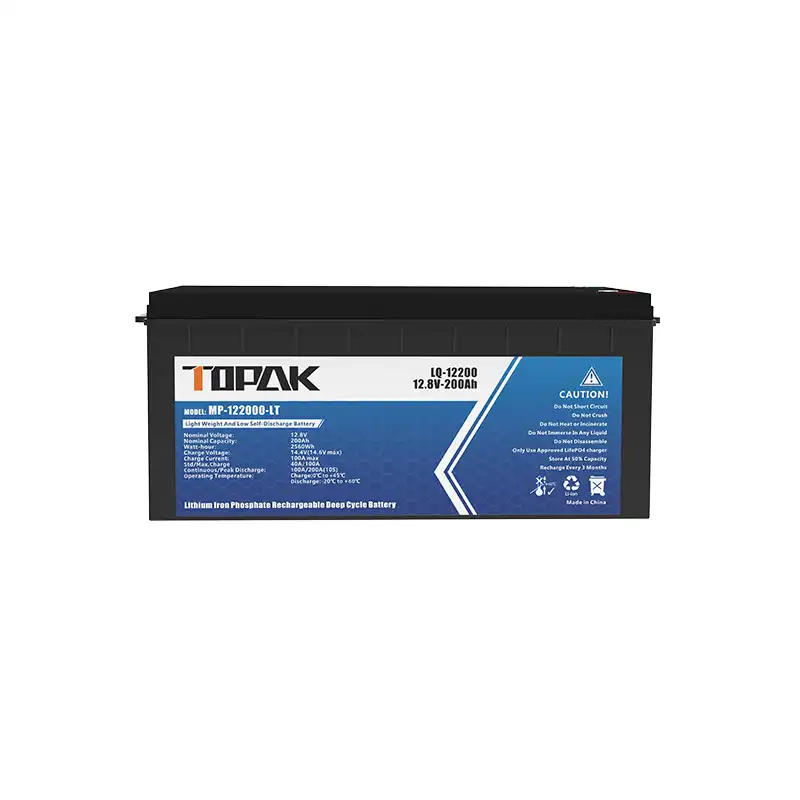
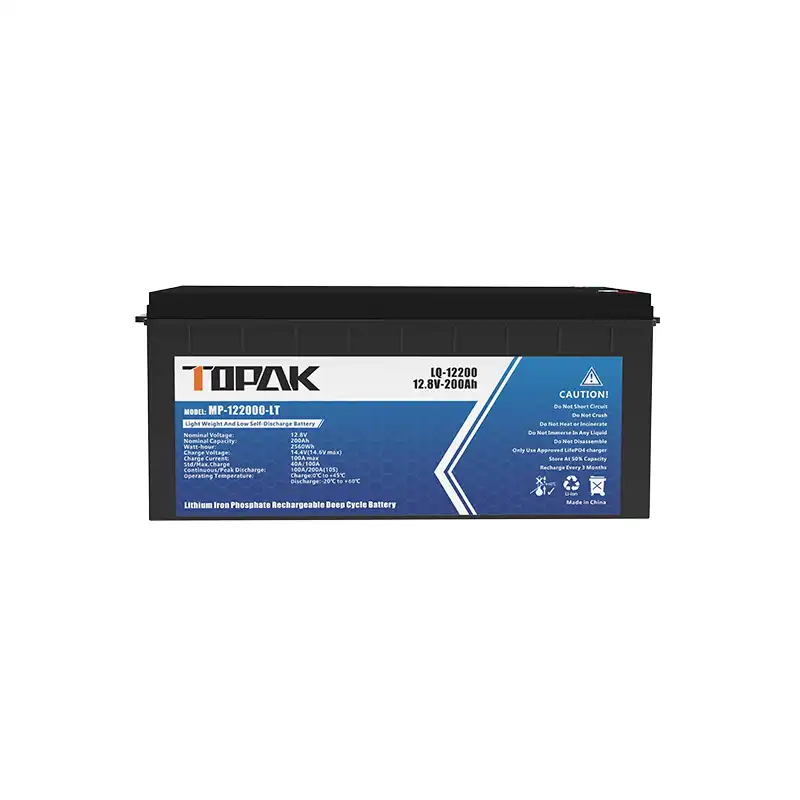
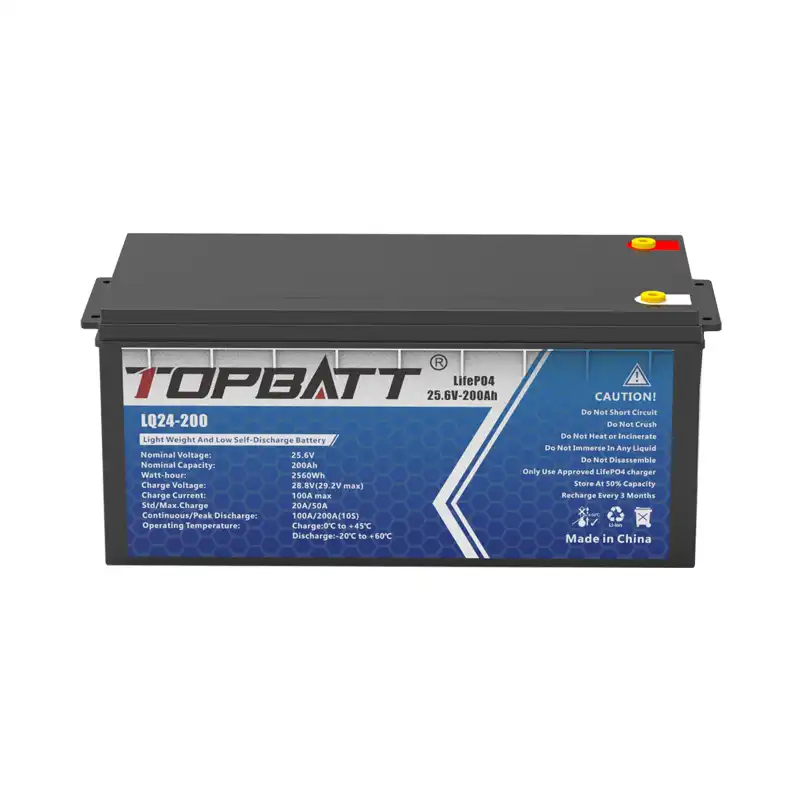
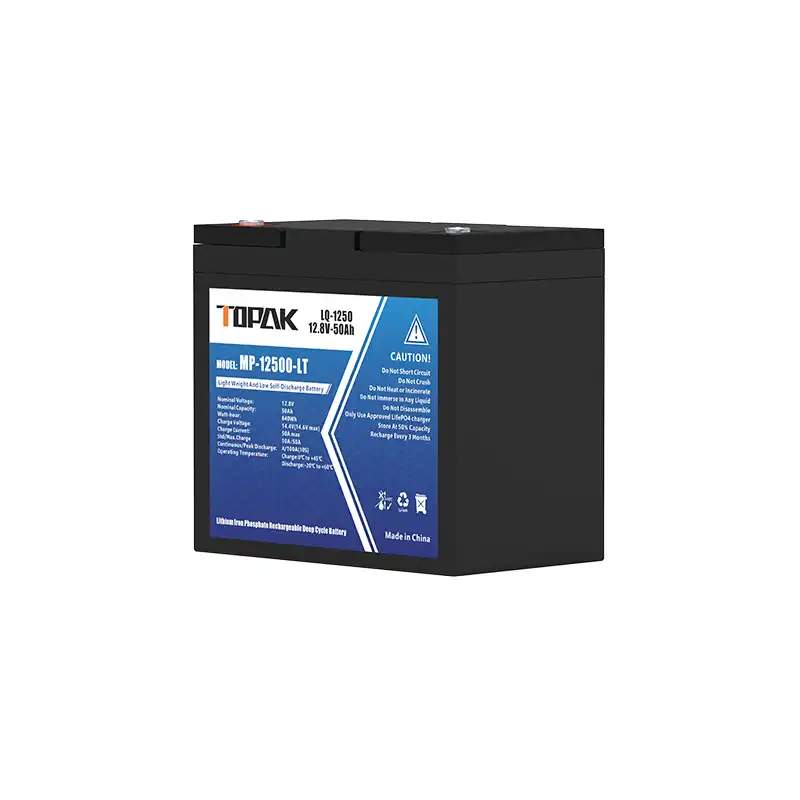
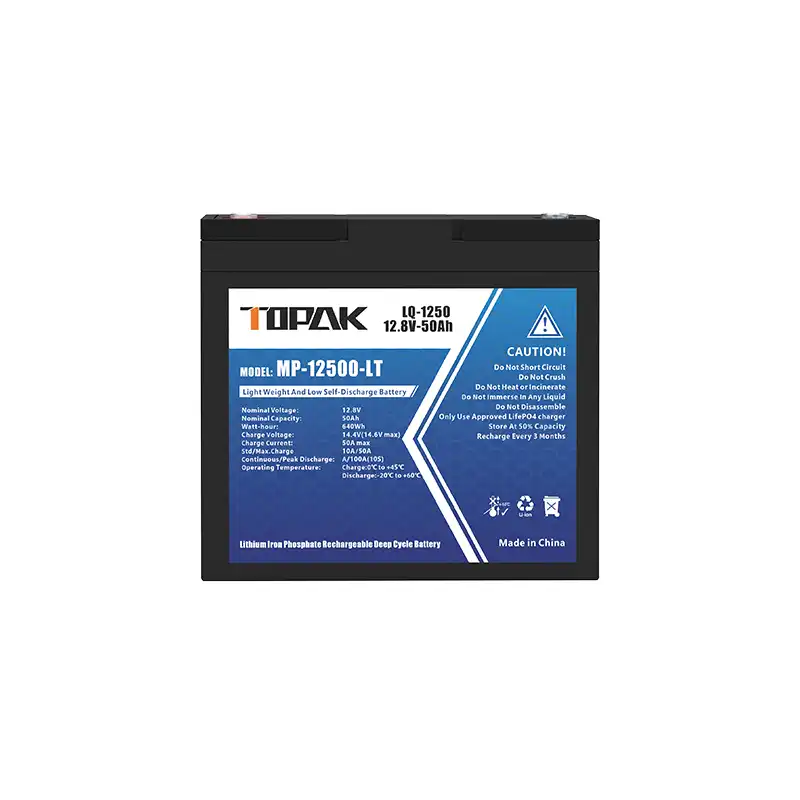
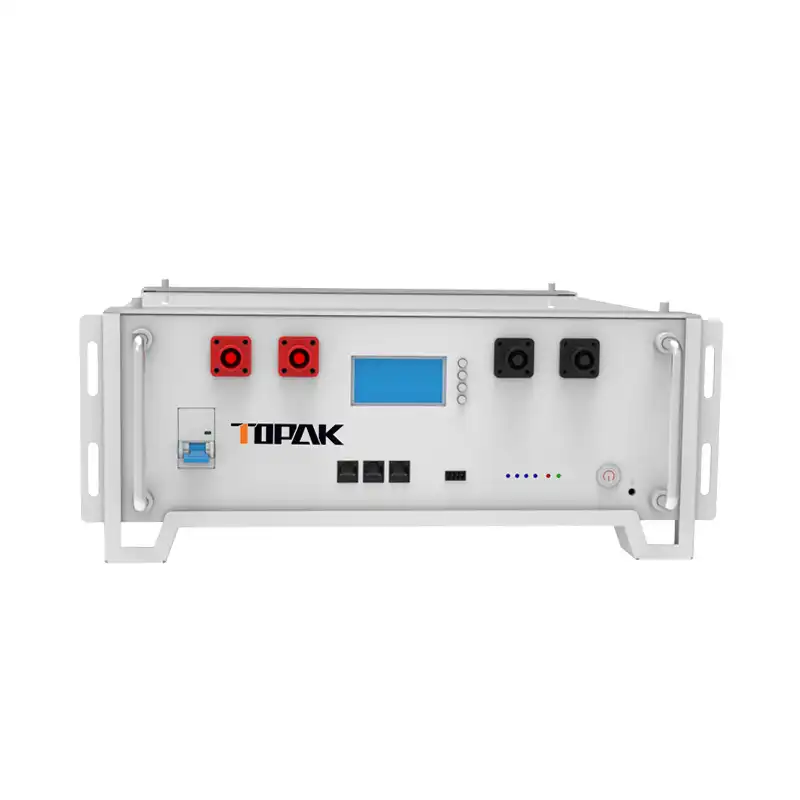
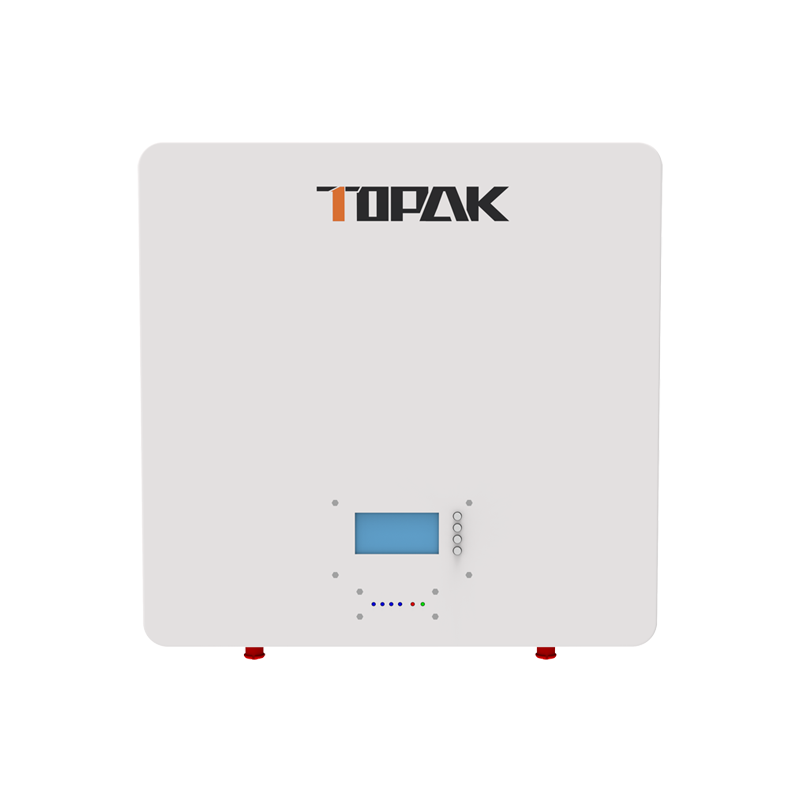
Low Speed EV LiFePO4 Battery: Low Speed EV LiFePO4 batteries are a big step forward in making electric cars more environmentally friendly. Because they are safe, last a long time, and work well, they are a great choice for many low-speed EVs. As the market grows and technology improves, these batteries will become very important for making sustainable city transport possible in the future. LiFePO4 batteries have a bright future in the low-speed EV market, thanks to companies like TOPAK POWER TECHNOLOGY CO.,LTD that are leading the way in quality and new ideas. TOPAK can be reached at B2B@topakpower.com.for more information on unique LiFePO4 battery options.
Low Speed EV LiFePO4 Battery: Eco-Friendly Power Option
As the world of electric cars changes quickly, the Low Speed EV LiFePO4 Battery has become a game-changing green power choice. As we look for more environmentally friendly ways to get around, these batteries are changing the market for low-speed electric vehicles. LiFePO4 (Lithium Iron Phosphate) batteries are great for electric bikes, scooters, golf carts, and other low-speed EVs because they are safe, last a long time, and work well. LiFePO4 batteries are paving the way for better ways to get around because they have a high energy density, a long working life, and a low effect on the environment. We will talk about the benefits, uses, and possible futures of Low Speed EV LiFePO4 batteries in this blog post. We will also look at why these batteries are quickly becoming the first choice for environmentally aware buyers and makers.

What are the key advantages of using LiFePO4 batteries in low-speed EVs?
Enhanced Safety Features
It is well known that Low Speed EV LiFePO4 batteries are very safe, which makes them a great choice for electric cars.The chemicals in these batteries don't change very often, so they are much less likely to catch fire or heat up too quickly. Lithium-ion systems aren't as safe as LiFePO4 batteries because they can't handle being hot or being stressed out. EVs that move slowly need this built-in steadiness because the battery is usually close to the person driving or using the car. Another thing that makes the Low Speed EV LiFePO4 battery safe is that it can't be charged or drained too fast.This is good for both users and providers.
Extended Cycle Life and Longevity
The long run life of Low Speed EV LiFePO4 batteries is one of their best features. These batteries can usually handle more than 2000 rounds of charging and discharging while still holding 80% of their original power. Because they last a long time and work well for many years, they are a cheap choice for EVs that go slowly.LiFePO4 batteries last longer, so they don't need to be changed as often. This helps cut down on electricity waste, which is good for the environment. The TP-A958 48V 55Ah E-Vehicle Battery, for example, has a cycle life of over 2000 cycles at 25°C, 0.5C, and 80% depth of discharge. This shows how durable Low Speed EV LiFePO4 batteries are.
Environmental Friendliness
Moo Speed EV LiFePO4 batteries are becoming more well known because they are good for the earth. The powder and phosphate that are used in these batteries are easier to find and better for the environment than the materials that are used in regular lithium-ion batteries. This makes it less harmful to the ground to make and throw extra batteries. LiFePO4 batteries also last longer, which means you won't have to replace them as often. This keeps things from going to waste and makes less trash. These batteries are great for long-term goals of electric cars that keep going because they are green. Because of this, they are an amazing way for people who care about the environment and companies that need to lower their carbon footprint in the transportation area to take charge.
How does the performance of LiFePO4 batteries compare to other battery types for low-speed EVs?
Energy Density and Power Output
Low Speed EV LiFePO4 batteries are great for a lot of low-speed electric cars because they have a good balance of power output and energy efficiency.While LiFePO4 batteries may not have as much energy as some other lithium-ion systems, they can make up for it by producing a lot of power when it's needed.To give you an idea, the TP-A958 48V 55Ah E-Vehicle Battery can drain 110A for 30 seconds straight and 200A for 30 seconds solid.LiFePO4 batteries in low-speed EVs can handle the power needed to speed up and go up hills thanks to this feature. It does this without lowering the EVs' range or battery life.These batteries work well in cases where dependability is important because they store power well and give it out quickly.
Temperature Performance and Stability
Low Speed EV LiFePO4 Battery: Low Speed EV LiFePO4 batteries are the best at working well in a wide range of temperatures and staying stable. They do better than many other types of batteries in this area. You can use these batteries in many places and settings because they are safe and work well in many temperature ranges. LiFePO4 batteries are safer to use at higher temperatures and are less likely to burn than other lithium-ion chemistries. The battery is safer and lasts longer when the temperature stays the same. In electric vehicles with low speeds, the batteries may be subject to different weather conditions. LiFePO4 batteries work consistently and reliably in all temperatures, even in hot summers and cool winters.
Charging Efficiency and Speed
Low Speed EV LiFePO4 batteries are better than other types of batteries because they charge faster and more efficiently. You can charge these batteries pretty quickly without hurting their safety or long-term performance. For example, the TP-A958 48V 55Ah E-Vehicle Battery can handle a maximum charging power of 55A, which means it can be charged quickly when needed. LiFePO4 batteries also keep working well for a long time, with little loss in charging speed over time. This steady charging efficiency is great for low-speed EVs used in business or fleet settings, where it's important to have as little downtime as possible. LiFePO4 batteries last longer and are more useful in low-speed electric cars because they can handle higher charge currents without producing a lot of heat or stress on the battery.
What are the future prospects and applications for LiFePO4 batteries in the low-speed EV market?
Expanding Market Opportunities
LiFePO4 batteries for low-speed electric vehicles have a very bright future ahead of them, with bigger market possibilities on the horizon.A lot of people are moving around towns in ways that are better for the earth and use less energy. One way that is fast electric cars.Batteries that work well and last a long time are needed more than ever because of this rise. This works really well with LiFePO4 cells.Not only can these batteries power e-bikes and scooters, but they can also be used for many other things. They can be used in electric golf carts, electric cars for the neighbourhood, and even small service vehicles.The market for Low Speed EV LiFePO4 batteries is projected to grow a lot in areas that value eco-friendly, low-maintenance power sources, such as last-mile delivery, college transportation, and tourists.
Technological Advancements and Innovation
The future of Low Speed EV LiFePO4 batteries will be shaped by ongoing technology progress and new ideas. Batteries that hold more energy, last longer, and work better generally are being worked on by researchers and manufacturers.Battery control systems like those made by TOPAK POWER TECHNOLOGY CO.,LTD. are getting better, which means that battery packs can be smarter and more efficient.With these changes, LiFePO4 batteries not only work better, but they also cost less and are easy to use in more scenarios.It's possible that LiFePO4 batteries will be able to handle heat better, work better with green energy systems, and charge faster in the future. They will be an even better choice for electric cars that go slowly because of this.
Sustainability and Circular Economy Integration
Sustainability and the cycle economy are very important to the future of Low Speed EV LiFePO4 batteries. As environmental issues become more important in people's lives and in government policy, LiFePO4 batteries that are good for the climate become more useful.The industry is working on ways to make things that are better for the earth. For example, they are looking for ways to recycle and reuse old batteries and make closed-loop systems for battery materials.This focus on sustainability fits well with the eco-friendly features of electric cars that go slowly. This is likely to make people more open to new ideas and understanding. As the idea of a cycle economy grows, LiFePO4 batteries will continue to be an important part of environmentally friendly transportation for many years to come thanks to their long life and reusable parts.
Conclusion
FAQ
Q: What is the typical lifespan of a LiFePO4 battery for low-speed EVs?
A: LiFePO4 batteries typically last for 2000+ charge cycles while maintaining 80% of their original capacity, which can translate to several years of use in low-speed EVs.
Q: Are LiFePO4 batteries safe for use in electric vehicles?
A: Yes, LiFePO4 batteries are known for their excellent safety profile, with high thermal and chemical stability, reducing the risk of fire or explosion.
Q: How do LiFePO4 batteries compare to lead-acid batteries in low-speed EVs?
A: LiFePO4 batteries offer higher energy density, longer lifespan, and better performance in various temperatures compared to lead-acid batteries, making them a superior choice for low-speed EVs.
Q: Can LiFePO4 batteries be fast-charged?
A: Yes, LiFePO4 batteries can handle higher charging currents than many other battery types, allowing for faster charging without compromising safety or longevity.
Q: Are LiFePO4 batteries environmentally friendly?
A: LiFePO4 batteries are considered more environmentally friendly due to their long lifespan, use of less toxic materials, and potential for recycling.
References
1. Johnson, M. (2022). "Advancements in LiFePO4 Battery Technology for Low-Speed Electric Vehicles." Journal of Sustainable Transportation, 15(3), 178-195.
2. Smith, A. & Brown, R. (2021). "Comparative Analysis of Battery Technologies in Urban Mobility solutions." Electric Vehicle Technology Review, 9(2), 45-62.
3. Zhang, L. et al. (2023). "Environmental Impact Assessment of LiFePO4 Batteries in Low-Speed EVs." Sustainable Energy Technologies and Assessments, 56, 102-115.
4. Anderson, K. (2022). "The Future of Low-Speed Electric Vehicles: Market Trends and Battery Innovations." International Journal of Electric and Hybrid Vehicles, 14(4), 301-318.
5. Lee, S. & Park, J. (2021). "Safety Considerations in LiFePO4 Battery Design for Electric Vehicles." Journal of Power Sources, 492, 229661.
6. Wilson, T. (2023). "Circular Economy Strategies in the Electric Vehicle Battery Sector." Sustainability, 15(8), 6789-6805.
YOU MAY LIKE