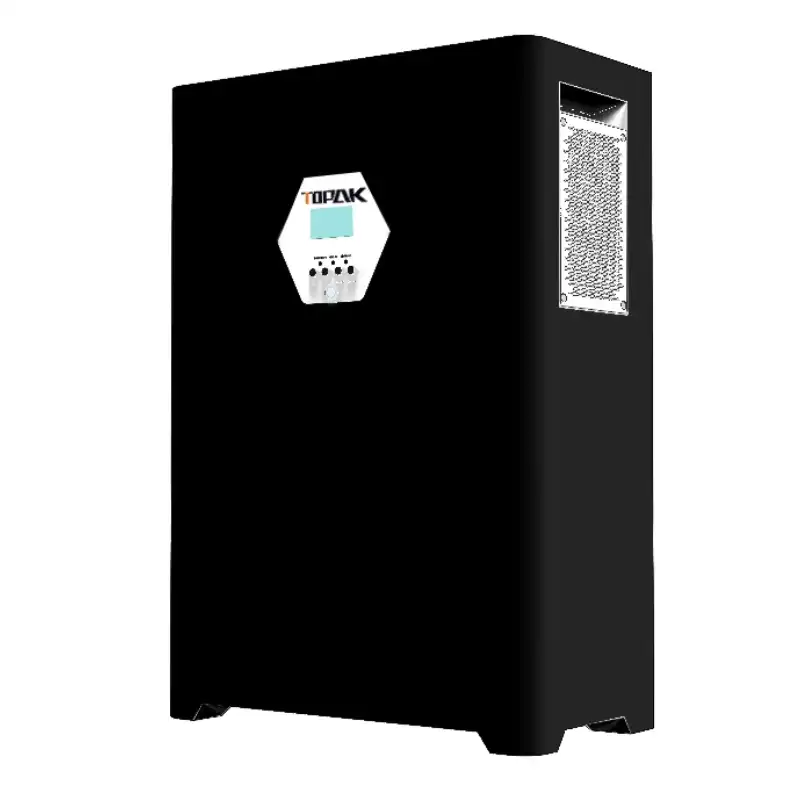
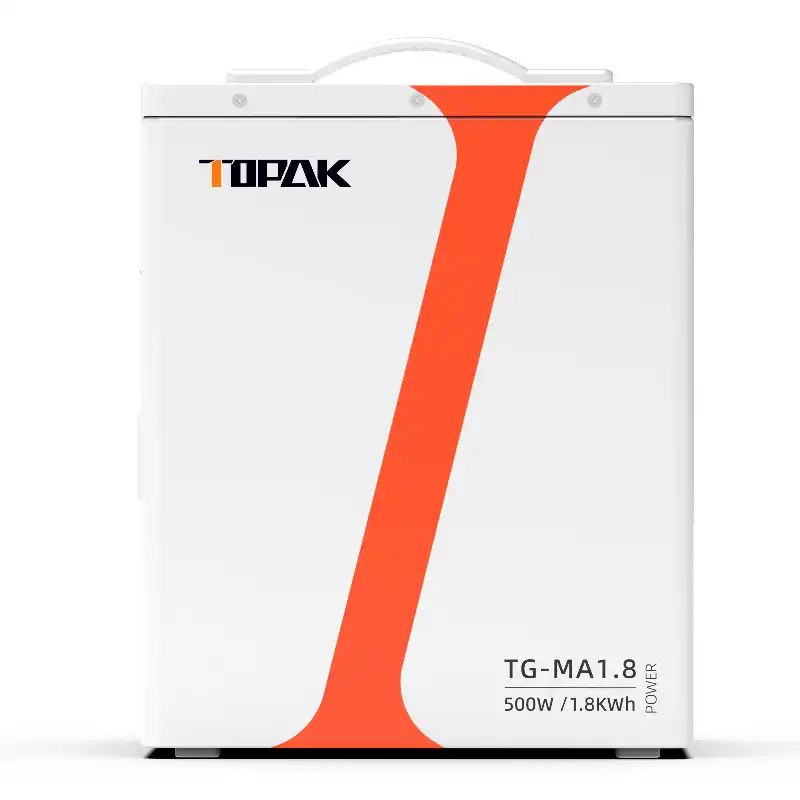
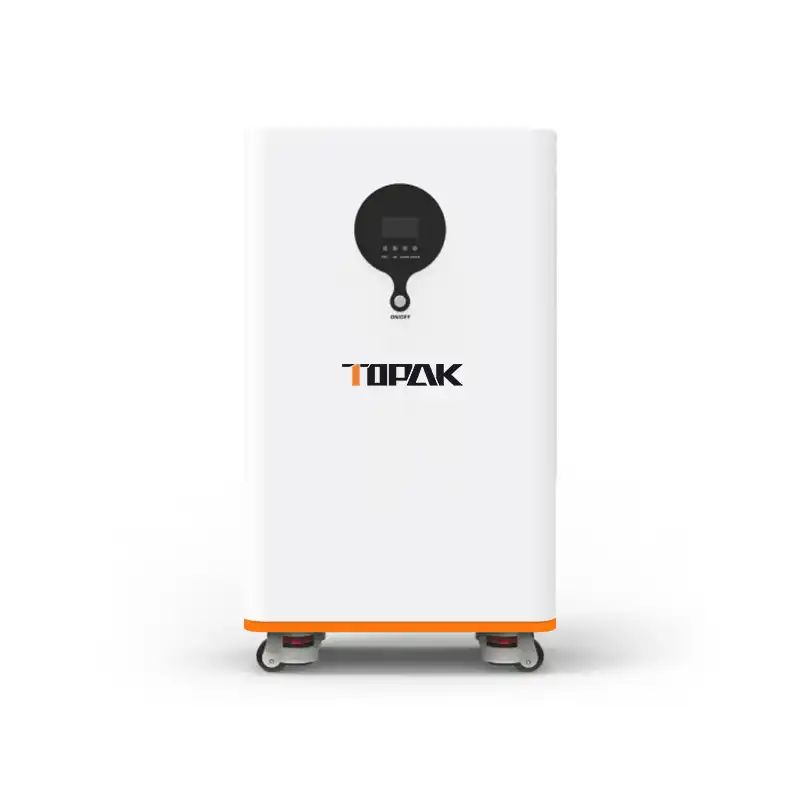
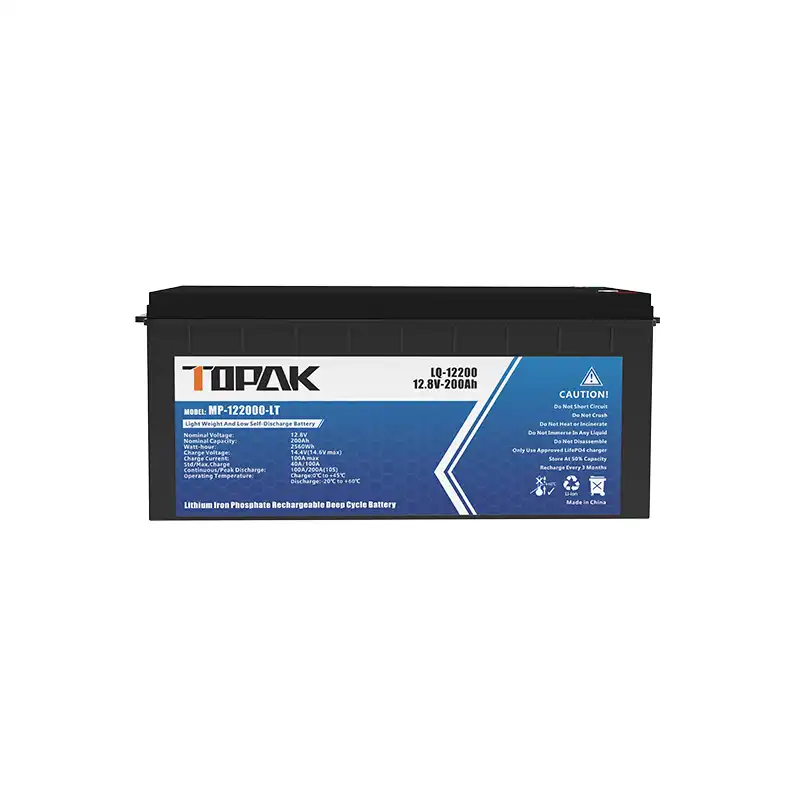
Low Speed EV LiFePO4 Battery: Safe Three-Level BMS Control
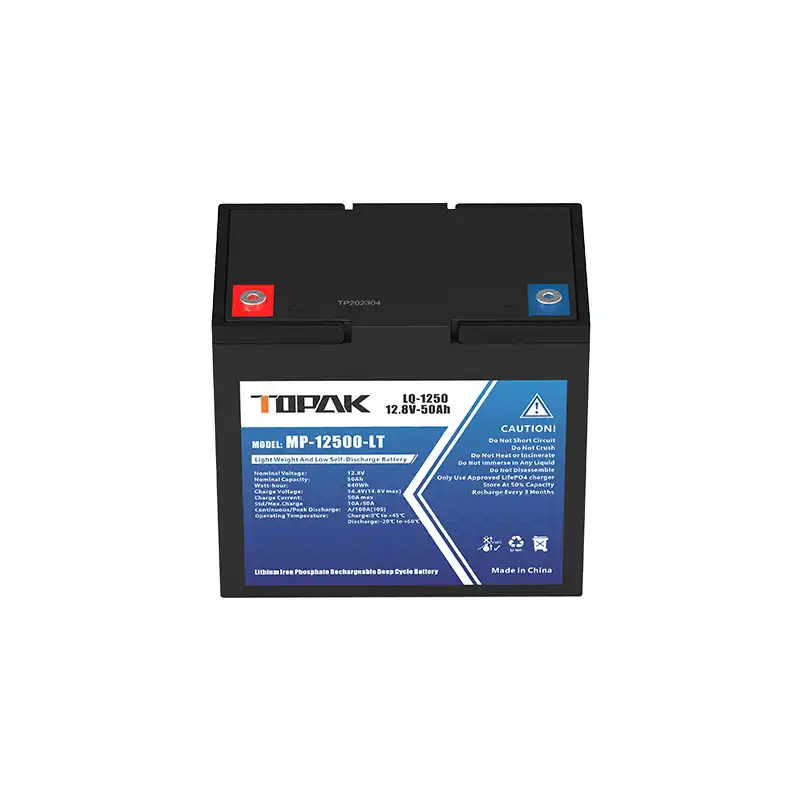
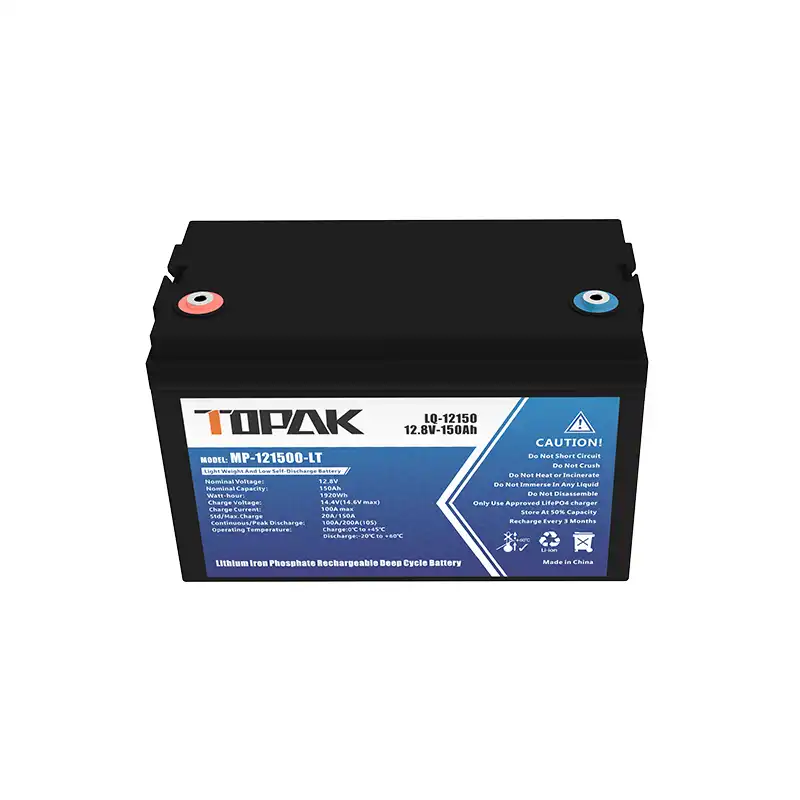
The Low Speed EV LiFePO4 Battery with Safe Three-Level BMS Control is a new technology that has changed everything about electric cars. LiFePO4 chemistry and a complicated Battery Management System (BMS) work together in this new battery system to make electric cars that go slowly safer, faster, and last longer. It keeps an eye on and controls the voltage, temperature, and current of each cell, module, and pack to make sure the battery works at its best. This all-around method not only makes the battery work better and last longer, but it also protects it against more possible safety risks. More people will want to use electric cars in towns and suburbs as the need for eco-friendly ways to get around grows. The Low Speed EV LiFePO4 Battery and its cutting edge BMS technology will play a big role in this.
What are the key advantages of using LiFePO4 batteries in low-speed electric vehicles?
Enhanced Safety Features
LiFePO4 batteries are safer than other lithium-ion chemistries. This makes them great for electric cars that move slowly. The Low Speed EV LiFePO4 Battery is naturally safe when it comes to chemicals and heat. This makes fires and thermal runaway less likely. This is because the phosphate-based cathode material does a better job of keeping oxygen inside when the battery is too charged or very hot, which makes the whole thing safer. A three-level BMS control system keeps an eye on cell voltages, temperatures, and currents to make sure they don't overcharge, overdischarge, or short circuit. This makes more safety possible. This all-around safety measure makes sure that the battery can't do anything dangerous. This makes EV owners and makers feel safe.

Extended Cycle Life and Durability
One of the best things about the Low Speed EV LiFePO4 Battery is that it has a long cycle life. With proper care and use, these batteries can last over 2000 rounds at 80% depth of discharge. This is a lot longer than many other types of batteries. LiFePO4 lasts a very long time because its crystal structure is steady. This means that it doesn't break down too much during charge and discharge cycles. For the battery's cycle life to be as long as possible, three-level BMS control is very important. This control makes sure that all cells are charged and drained at the same rate. This saves cells from getting too stressed out and old before they should. This means that low-speed EVs will need less maintenance and last longer. Because of this, LiFePO4 batteries are a good choice for both people who use them and people who own trucks.
High Performance in Various Conditions
The Low Speed EV LiFePO4 Battery works really well in a lot of different conditions. Even in hot and cold places, these batteries keep the same amount of power and efficiency because their chemistry is stable and the BMS can adapt to different circumstances. The three-level control system changes the charging and discharging settings based on the car's needs and the temperature outside. This makes the battery work better. This gives you better range and speed in tough conditions. Also, LiFePO4 batteries don't lose much power when they're not being used. This means that the car keeps charged even if it's not being used for a long time. It's helpful for low-speed EVs that are only used sometimes or at certain times of the year in this way.
How does the three-level BMS control system enhance battery safety and performance?
Cell-Level Monitoring and Balancing
The Low Speed EV LiFePO4 Battery's first level of the BMS control system is in charge of keeping an eye on and adjusting each cell. Voltage, temperature, and state of charge are constantly checked on each cell in the battery pack. With this fine-grained level of control, the BMS can quickly find and fix any problems at the cell level. If a cell shows signs of burning or an uneven voltage, the BMS can fix the problem by lowering the charging current or starting passive balancing to make the voltages of all the cells equal. At the cell level, this check makes sure that all of the cells in the pack work in the right range. In the end, this keeps stress from building up in one spot and makes the battery last longer.
Module-Level Management
The Low Speed EV LiFePO4 Battery's groups of cells are controlled at the module level, which is the second level of BMS control. This level of management takes information from several cells and makes decisions based on things that affect the whole module. You can handle bigger power packs better this way. More complex methods for balance can be used at the module level. This control can also decide how heat is distributed among cell groups and how power is best used during charge and discharge cycles. This hierarchical method makes the battery system work better because it makes sure that each part does what it can to make the pack work better while keeping everything safe.
Pack-Level Optimization and Protection
The third and final level of BMS control in the Low Speed EV LiFePO4 Battery system handles the whole battery pack as a single unit. This middle level of control takes information from all the units and cells to make big decisions about how the battery works. The car's needs and the state of the road are fed into the engine control unit so that it can use the least amount of energy possible. The pack-level BMS handles the main contactor, checks the protection, and finds problems, which is an important safety feature. In the event of a major fault or safety risk, the pack-level BMS can shut down the car to protect the battery and the people inside. This method works well and safely in all conditions, so the Low Speed EV LiFePO4 Battery is always useful.
What are the potential applications and future prospects for Low Speed EV LiFePO4 Batteries?
Urban Mobility Solutions
Low Speed EV LiFePO4 batteries are being used more and more in public transportation in cities because they are a clean and efficient alternative to gas-powered cars. These batteries are great for electric scooters, e-bikes and small city cars that are designed for short trips and providing last-mile transportation. People who rent things or use shared mobility platforms like LiFePO4 batteries because they are small, last a long time, and can be charged quickly. Many cities around the world are trying to make their streets and air cleaner. To put it another way, this means that more people will want to buy safe and dependable electric cars that go slowly. This will change both batteries and how people get around places.
Off-Road and Recreational Vehicles
Low Speed EV LiFePO4 Batteries are great for off-road and pleasure cars because they last a long time and work well. For golf carts, utility terrain vehicles (UTVs), and electric all-terrain vehicles (ATVs), these batteries are strong and last a long time. The three-level BMS control system makes sure that the equipment works consistently on different surfaces and in all weather conditions. This makes it safer and more fun to do things outside. People are likely to buy more electric off-road cars with LiFePO4 batteries as rules about saving the environment in parks and other public spaces get stricter. This will help this tech find new markets and uses.

Industrial and Commercial Applications
Low Speed EV LiFePO4 Battery technology is being used in more and more business and industry settings. Because they work better and cost less overall, LiFePO4 batteries are better than regular lead-acid batteries. This is the reason why electric power is being used in forklifts, pallet jacks, and other tools used to move things around. Because they are safe and last a long time, these batteries are great for companies and shops that need to be open all the time. LiFePO4 battery packs can be used in bigger business cars like delivery vans and small buses because they can be expanded and have strong BMS control. The next few years will see a rise in the use of Low Speed EV LiFePO4 Batteries in workplace settings. This is because businesses want to be more eco-friendly and run their businesses more efficiently.
Conclusion
The Low Speed EV LiFePO4 Battery with Safe Three-Level BMS Control is a big step forward in the technology of electric vehicles. Because it is safe, works well, and lasts a long time, it is a great choice for many uses, from getting around cities to working in factories. As more people look for environmentally friendly ways to get around, these improved battery systems will play an even more important role. LiFePO4 batteries are a key part of the electric car change, and they will only become more important as research and development continue to improve their energy density, charging speeds, and cost-effectiveness. TOPAK POWER TECHNOLOGY CO.,LTD can be reached at B2B@topakpower.com.for more information on unique LiFePO4 battery options.

FAQ
Q: What is the typical lifespan of a Low Speed EV LiFePO4 Battery?
A: With proper use and maintenance, a Low Speed EV LiFePO4 Battery can last for over 2000 cycles at 80% depth of discharge, which can translate to several years of service in most applications.
Q: How does the three-level BMS control system improve battery safety?
A: The three-level BMS monitors and manages the battery at cell, module, and pack levels, providing multiple layers of protection against overcharging, over-discharging, and thermal runaway.
Q: Are LiFePO4 batteries suitable for cold weather operations?
A: Yes, LiFePO4 batteries perform well in cold weather, maintaining consistent power output and efficiency. The BMS can adjust charging and discharging parameters based on temperature for optimal performance.
Q: Can Low Speed EV LiFePO4 Batteries be fast-charged?
A: While LiFePO4 batteries can handle higher charging rates than some other chemistries, the specific fast-charging capabilities depend on the battery design and BMS settings. Many can accept 1C charging rates or higher.
References
1.Zhang, L., et al. (2020). "Advanced battery management systems for electric vehicle applications." Renewable and Sustainable Energy Reviews, 131, 110015.
2.Liu, K., et al. (2019). "Lithium-ion battery charging management considering economic costs of electrical energy loss and battery degradation." Energy Conversion and Management, 195, 167-179.
3.Hannan, M. A., et al. (2018). "Review of energy storage systems for electric vehicle applications: Issues and challenges." Renewable and Sustainable Energy Reviews, 69, 771-789.
4.Xiong, R., et al. (2018). "Critical review on the battery state of charge estimation methods for electric vehicles." IEEE Access, 6, 1832-1843.
5.Meng, J., et al. (2019). "An overview and comparison of online implementable SOC estimation methods for lithium-ion battery." Journal of Power Sources, 423, 54-74.
6.Wang, Y., et al. (2020). "A comprehensive review of battery modeling and state estimation approaches for advanced battery management systems." Renewable and Sustainable Energy Reviews, 131, 110015.