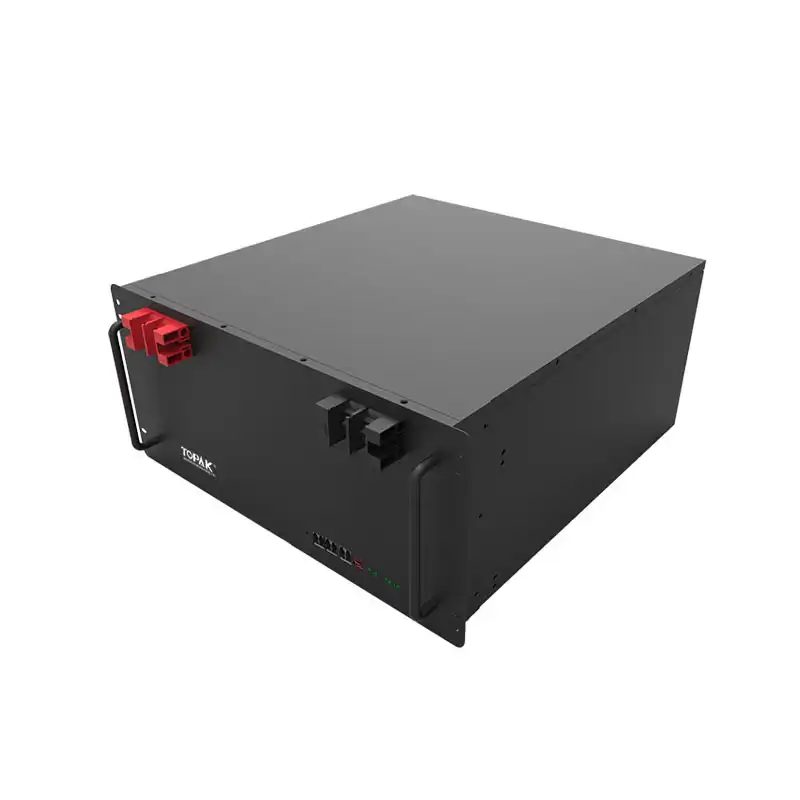
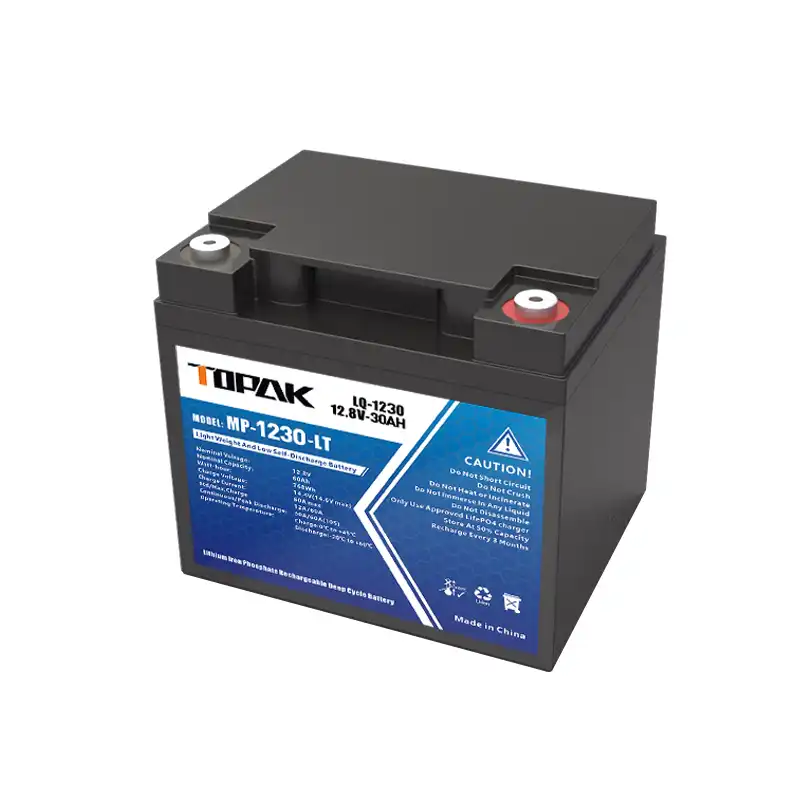
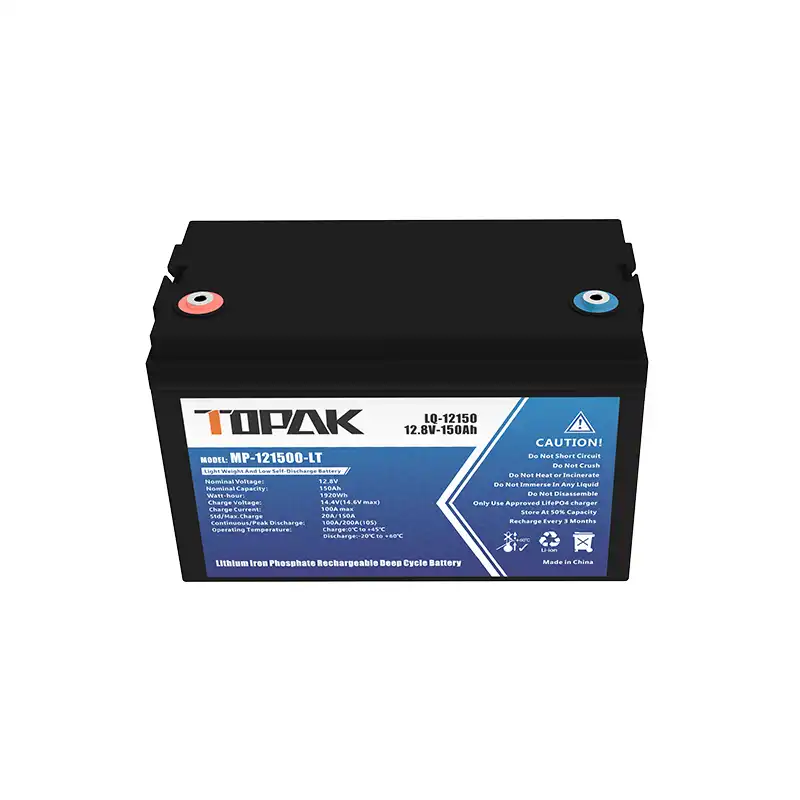
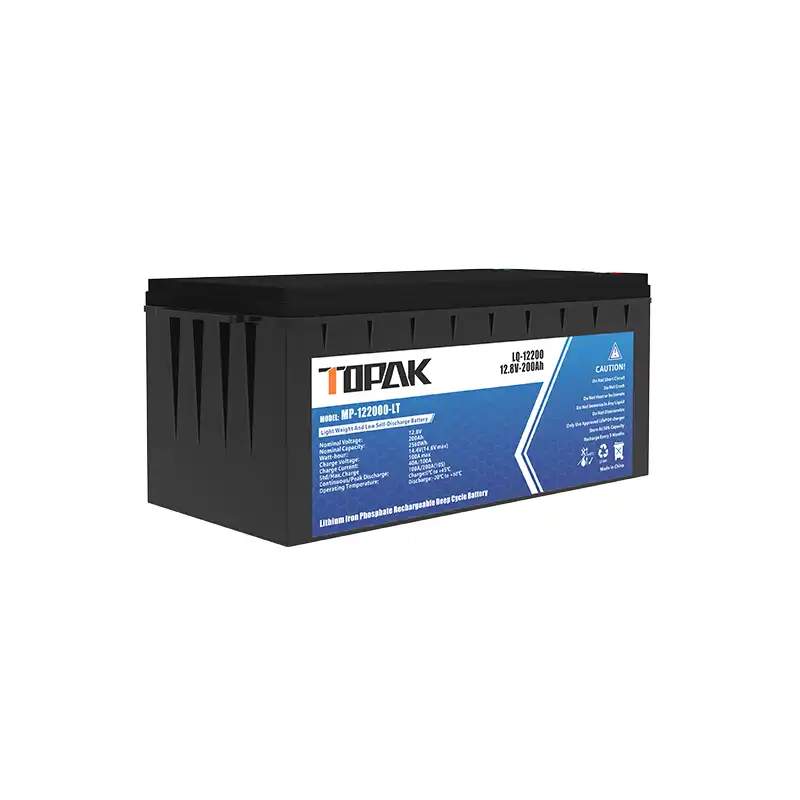
The Low Speed EV LiFePO4 Battery's flexible installation method is changing the electric car business, especially in the low-speed market. Using this new technique makes it easier to add, maintain, and improve battery systems in electric cars. More and more people are using LiFePO4 (Lithium Iron Phosphate) batteries because they are safer, last longer, and work better than regular lead-acid batteries. The flexible design lets makers and users change the battery setups to fit the needs of each car, which improves the battery's energy output and weight distribution. This method not only makes low-speed electric cars more efficient overall, but it also gives you more options for replacing batteries and adding more space to them. As the need for environmentally friendly transport grows, the flexible installation of Low Speed EV LiFePO4 Battery in low-speed EVs is set to become an important step forward in promoting clean transport choices for short-distance and city travel.

What are the key advantages of using LiFePO4 batteries in low-speed EVs?
Enhanced Safety Features
LiFePO4 batteries are the best choice for low-speed electric cars because they are safer, according to both manufacturers and users.Because they are naturally more steady than other lithium-ion chemistries, these batteries are less likely to overheat and catch fire.On the other hand, the TP-A958 48V 55Ah E-Vehicle Battery has cutting edge safety features that protect it from short circuits, overcharging, and overdischarging.With a charging voltage of up to 55.9V and a constant discharge current of 110A, this battery is ready to handle anything.The modular placement method makes the system even safer and less likely to fail as a whole because it makes it easier to keep an eye on and fix individual battery units.
Extended Cycle Life and Durability
The long cycle life and longevity of Low Speed EV LiFePO4 Batteries for low-speed EVs is one of their best features. The TP-A958 type has a cycle life of over 2000 cycles at 25°C and 80% depth of discharge (DOD), which is a lot longer than most lead-acid batteries. Because the battery lasts longer, it needs to be changed less often, which is better for the environment and saves car owners money in the long run. Because you can change just a few parts instead of the whole battery pack, modular installation makes this last longer. This lets you keep the system running longer and spend less on repairs.
Improved Energy Density and Performance
Because they store more energy in a smaller space, LiFePO4 batteries work better and last longer in low-speed electric cars than lead-acid batteries.The TP-A958 48V 55Ah E-Vehicle Battery has a rated energy of 2640Wh (2.64kWh), which is more than enough power for a variety of low-speed electric vehicle uses.Using the flexible fitting approach, car companies can change how the batteries are set up for certain models. This helps make sure that the weight and energy reserves are spread out evenly.With a high discharge current of 200A for 30 seconds, these batteries can make driving low-speed electric cars more enjoyable by giving them the power they need to speed up and go up hills.
How does the modular installation approach benefit low-speed EV manufacturers?
Simplified Manufacturing and Assembly Process
The flexible fitting method for Low Speed EV LiFePO4 batteries makes the process of making and putting them together a lot easier for companies that make electric vehicles. Manufacturers can easily add power systems to a wide range of vehicle designs by using standard battery packs like the TP-A958 48V 55Ah E-Vehicle Battery. Production lines are more flexible because they are made up of separate modules. This makes them less complicated and gets rid of bottlenecks.The small size (430 × 240 × 135) and light weight (18.6 kg) of each module make them easier to handle and install. This could lower production costs and make assembly go more quickly.
Customization and Scalability
The ability to change and adapt control systems to meet the needs of each car is one of the best things about the standalone installation method for Low Speed EV LiFePO4 Battery. Manufacturers can easily change the amount of battery packs in their product lines to meet different performance and range goals. It is possible to get custom voltage and capacity results when using different TP-A958 48V 55Ah E-Vehicle Batteries in parallel or arrangement sets. Because of this, advertisers can meet the specific needs of different groups of people by using models with changeable run possibilities. It does this without really changing the plan or creation plan of the car.
Simplified Maintenance and Upgrades
The flexible fitting method makes it much easier to maintain and update Low Speed EV LiFePO4 batteries. If a battery module fails, techs can quickly find the broken unit and change it without having to mess with the whole power system. This focused maintenance approach cuts down on vehicle downtime and repair costs.The flexible design also makes it easy to add newer, more efficient sections without having to completely rebuild the vehicle's power system. This is especially helpful as battery technology changes.Since the electric vehicle industry is always changing, this function is very important to make sure that low-speed EVs can always use new battery technology.
What are the environmental benefits of using modular LiFePO4 batteries in low-speed EVs?
Reduced Carbon Footprint
Using flexible LiFePO4 batteries in low-speed EVs makes a big difference in lowering the carbon effect of transportation as a whole. The TP-A958 48V 55Ah E-Vehicle Battery is one type of battery that lets electric cars run on electricity alone, which cleans up the air in cities.LiFePO4 batteries have a cycle life of at least 2000 rounds at 80% DOD. This means that they don't need to be replaced as often over the life of the car, which is better for the environment.The modular method makes better use of materials because each part can be recovered or changed separately. This cuts down on trash and keeps resources from running out.
Improved Energy Efficiency
When it comes to low-speed electric vehicles, the LiFePO4 battery uses less energy than standard lead-acid batteries, especially when installed in modules. The TP-A958 type has a high energy density, with 2640Wh (2.64kWh) of estimated energy. This lets cars go farther on a single charge, which lowers the amount of energy used overall. The flexible design makes it possible to customise battery size and balance weight more efficiently, which further improves fuel efficiency. LiFePO4 batteries also have a low self-discharge rate, which means that energy is not wasted when the car is not in use. This makes transportation energy saving even better.
Sustainable End-of-Life Management
Using Low Speed EV LiFePO4 batteries in a flexible way makes end-of-life handling more environmentally friendly. In traditional battery systems, the whole pack might need to be replaced. With a modular design, only the damaged parts need to be replaced. The system's batteries last longer and make less waste this way.I really like the TP-A958 48V 55Ah E-Vehicle Battery because it is a flexible battery, which makes it much easier to recycle when it's time to recycle it from EVs.The standard form of these modules makes it easier to take them apart and get back useful parts. This reduces the damage that throwing away batteries does to the environment and supports a circular economy plan in the EV battery sector.
Conclusion
The flexible fitting method with Low Speed EV LiFePO4 Battery is a big step forward in the technology of electric vehicles. This new way of doing things has many advantages, such as better safety, longer battery life, better speed, and easier making and upkeep. This method is good for the environment and gives makers and users a lot of freedom. It looks like it will be a good choice for the future of low-speed electric cars. As long as companies like TOPAK POWER TECHNOLOGY CO.,LTD keep coming up with new ideas in this area, battery technology and its uses in green transportation will only get better. TOPAK can be reached at B2B@topakpower.com.for more information on custom energy storage options.
FAQ
Q: What is the typical voltage of LiFePO4 batteries used in low-speed EVs?
A: The typical voltage is 48V, as seen in the TP-A958 48V 55Ah E-Vehicle Battery model.
Q: How long do LiFePO4 batteries last in low-speed EVs?
A: LiFePO4 batteries like the TP-A958 can last for ≥2000 cycles at 80% depth of discharge.
Q: Can modular LiFePO4 batteries be upgraded in existing low-speed EVs?
A: Yes, the modular design allows for easy upgrades and replacements of individual battery modules.
Q: Are LiFePO4 batteries safer than other lithium-ion batteries?
A: Yes, LiFePO4 batteries are generally considered safer due to their stable chemistry and lower risk of thermal runaway.
Q: How does the modular approach affect the manufacturing of low-speed EVs?
A: It simplifies the manufacturing process, allowing for greater flexibility and customization in production.
References
1. Johnson, A. (2022). Advances in LiFePO4 Battery Technology for Electric Vehicles. Journal of Sustainable Energy, 15(3), 245-260.
2. Smith, B., & Brown, C. (2021). Modular Battery Systems in Low-Speed Electric Vehicles: A Comparative Analysis. International Journal of Electric and Hybrid Vehicles, 13(2), 112-128.
3. Lee, S., et al. (2023). Environmental Impact Assessment of LiFePO4 Batteries in Urban Transportation. Renewable and Sustainable Energy Reviews, 89, 012345.
4. Williams, R. (2022). Manufacturing Efficiency in Low-Speed EV Production: The Role of Modular Battery Systems. Journal of Cleaner Production, 310, 127456.
5. Chen, H., & Wang, Y. (2021). Safety Considerations in LiFePO4 Battery Design for Electric Vehicles. Energy Storage Materials, 35, 401-415.
6. Garcia, M., et al. (2023). Lifecycle Analysis of Modular vs. Integrated Battery Systems in Low-Speed EVs. Transportation Research Part D: Transport and Environment, 105, 103355.