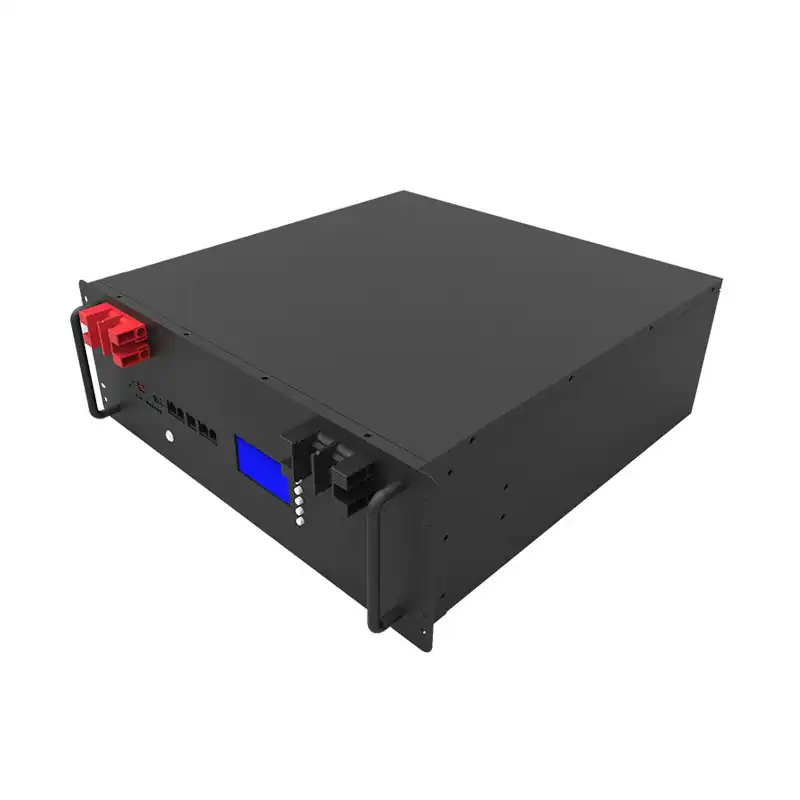
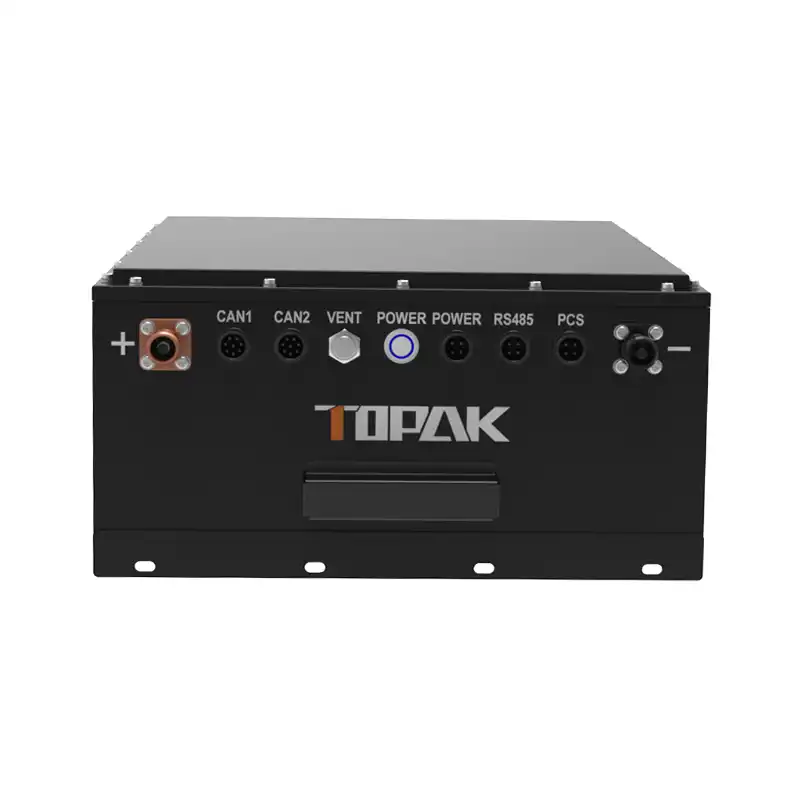
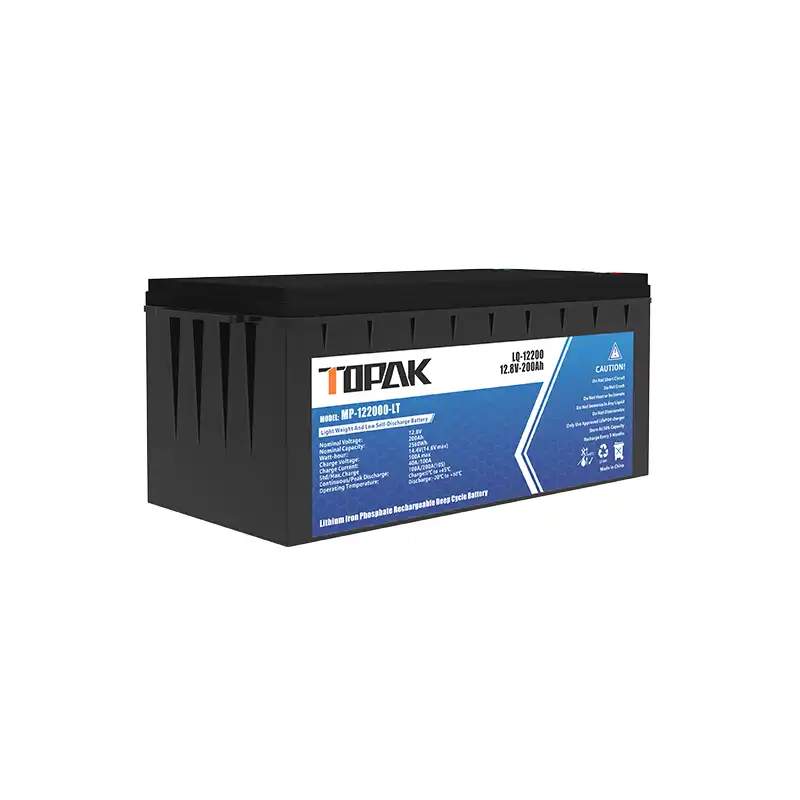
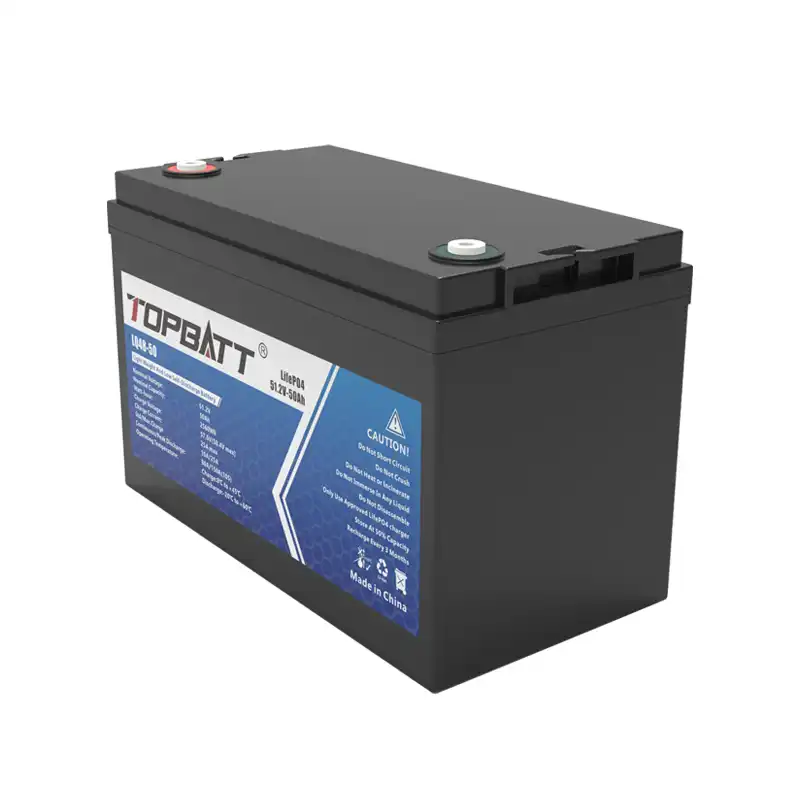
Comparing 12V 200Ah Lithium Iron Phosphate Battery with Lead-Acid
The new LiFePO4 batteries are getting faster than the old lead-acid batteries more and more. It is now tough to beat the 12V 200Ah lithium iron phosphate battery, which has been the market winner for a long time. It works better than lead-acid batteries sometimes. This blog post uses the 12V 200Ah power range to show how these two kinds of batteries are different. There are good and bad reasons to choose a LiFePO4 battery over a lead-acid one. We'll also talk about how it really works. We hope that after reading this full comparison, you can choose how to store your energy in a smart way. Our study looked at how length, speed, and weight change the world around us.

What are the key advantages of a 12V 200Ah lithium iron phosphate battery over lead-acid?
Longer Lifespan and Cycle Life
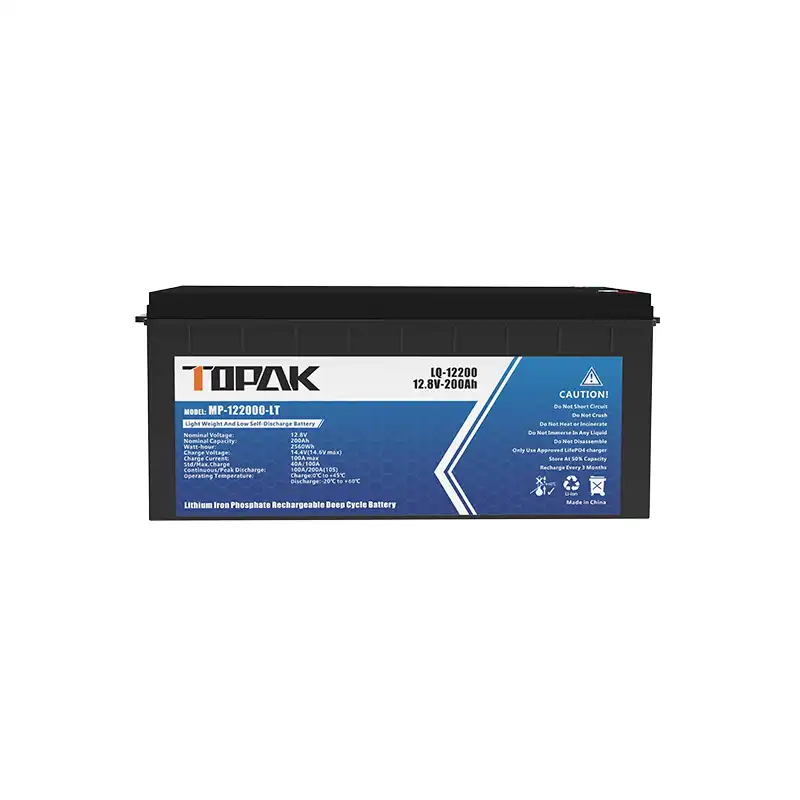
Another good battery type is a 12V 200Ah lithium iron phosphate battery. This type lasts longer and can be charged more often. It is possible to use the LiFePO4 battery 6000 times when it is at 80% depth of discharge (DOD). There aren't many lead-acid batteries that can be used over and over again like this. The life span is longer because the cycle life is longer. It will last at least ten years even if you use it a lot.The 12V 200Ah lithium iron phosphate battery doesn't easily break down, even after being charged and drained many times. This makes it great for RVs, boats, and solar systems that aren't connected to the grid and need to handle a lot of power.
Higher Energy Density and Lighter Weight
The 12V 200Ah lithium iron phosphate battery is lighter and has more power per unit mass than lead-acid batteries, which is a big plus. A lead-acid battery can weigh sixty kilograms or more for the same amount of power. LiFePO4 batteries, on the other hand, are very light; they only weigh 23 kg.It's very helpful to lose weight when you need to move things like boats or electric cars. Every kilogram is important.It takes up less space, but the 12V 200Ah lithium iron phosphate battery has more useful energy stored in it. Things that store energy can now easily make better use of what they have.
Improved Safety and Environmental Friendliness
A 12V 200Ah lithium iron phosphate battery is the best one to use.LiFePO4 batteries are much less likely to boil or burn than other lithium-ion chemistries because they are so safe around heat and chemicals.Batteries that are 12V 200Ah have a Battery Management System (BMS) that keeps them safe from overheating, overvoltage, overcurrent, and short circuits.LiFePO4 batteries are also easy to recycle, and they don't contain any harmful heavy chemicals like lead-acid batteries do.Groups and people who care about the earth should pick them in the long run.
How does the performance of a 12V 200Ah lithium iron phosphate battery compare to lead-acid in various applications?
Off-Grid Solar and Renewable Energy Systems
The 12V 200Ah lithium iron phosphate battery is a better way to use solar and green energy on the grid than lead-acid batteries. When you use LiFePO4 cells, the sun gives you the most power. They can charge fully and faster because they work better. Most of the time, this is hard for lead-acid batteries. The 12V 200Ah lithium iron phosphate battery, on the other hand, can handle big loads better because it can continuously drain 200A. LiFePO4 batteries can also be drained more deeply than lead-acid batteries (up to 80% DOD vs. 50% DOD), which means they can hold more useful energy in the same space. For this reason, off-grid choices are now not as big and work better.
Marine and RV Applications
A 12V 200Ah lithium iron phosphate battery is better than a lead-acid battery in many ways when used in boats and RVs.In this case, the light LiFePO4 batteries are the best choice because they get better gas mileage and run better.The tools and machines on board are safe while the 12V 200Ah lithium iron phosphate battery is being charged because the battery's energy level stays the same.LiFePO4 batteries can be charged very quickly, which could make boat and RV users' time on the water more fun. That means they don't have to plug in or run their engines as often.
Backup Power and UPS Systems
Uninterruptible Power Supply (UPS) and backup power systems work better with 12V 200Ah lithium iron phosphate batteries than with lead-acid batteries, and the cells last longer. LiFePO4 cells last longer, so backup systems don't need to be changed as often. The 12V 200Ah lithium iron phosphate battery can hold more power in a smaller space. For this reason, data centers and other important buildings may benefit from smaller UPS designs.LiFePO4 batteries can keep their charge for longer because they don't lose power as fast. That way, they'll be ready for things like when the power goes out or the computer crashes.
What factors should be considered when choosing between a 12V 200Ah lithium iron phosphate battery and a lead-acid battery?
Initial Cost vs. Long-Term Value
It might be a 12V 200Ah lithium iron phosphate battery or a lead-acid battery. You should think about how much it will be worth over time compared to the cost. LiFePO4 batteries cost more at first, but they end up being cheaper in the long run because they last longer and work better. At an 80% DOD, the 12V 200Ah lithium iron phosphate battery can be charged and drained 6000 times. Your money will be better off because it might last longer than some lead-acid batteries. Even when they are being charged and drained a lot, LiFePO4 batteries can save power because they work better. This helps even more with the costs of getting started.
Charging and Maintenance Requirements
Batteries are useful and work well most of the time. But you need to know how to care for and charge them. This is a great way to use the 12V 200Ah lithium iron phosphate battery. Adding water and equalisation charges to lead-acid batteries is a normal part of taking care of them. But LiFePO4 cells don't need much care. A lot of lead-acid batteries have this issue, which makes them weaker over time. With these batteries, that won't happen, and they can charge faster. The 12V 200Ah lithium iron phosphate battery has a built-in BMS that keeps each cell in balance and also makes sure the battery doesn't get too charged. It's easy to charge now. This makes sure that the battery works well and can last as long as it can without any outside help or tracking.
Environmental Conditions and Temperature Sensitivity
Could it be a lead-acid battery or a 12V 200Ah lithium iron phosphate battery? It is important to think about where and how hot or cold the battery will work before making your choice. LiFePO4 batteries work better than lead-acid batteries in a wider range of temperatures most of the time. Sometimes lead-acid batteries lose power when it's cold, but these ones do. The 12V 200Ah lithium iron phosphate battery has temperature safety built in, so you can use it even when it's hot outside. This stops the battery from getting too cold or too hot, which would be bad for it. Most of the time, LiFePO4 cells work better than lead-acid batteries. However, it's important to know that they can still lose power when it's very hot. There should be enough air flow around the 12V 200Ah lithium iron phosphate battery so that it works well and lasts longer when things get rough.
Conclusion
Batteries made of 12V 200Ah lithium iron phosphate battery are faster, lighter, and better for the world than batteries made of lead acid. Often, things that are better in the long run cost more in the short term. LiFePO4 batteries will likely get even cheaper as technology gets better and more are made. They are used to store energy. If you want a power source that is stable, works well, and lasts a long time, the 12V 200Ah lithium iron phosphate battery is a good choice. You can use it in many ways.To find out more about their cutting-edge lithium battery choices, like the 12V 200Ah LiFePO4 battery, you can email TOPAK POWER TECHNOLOGY CO.,LTD at B2B@topakpower.com. Topak has been in business for over 15 years and sends things all over the world. They can make systems that store energy that work in a lot of places and fit in any area.
FAQ
Q: How long does a 12V 200Ah lithium iron phosphate battery last?
A: A 12V 200Ah LiFePO4 battery can last up to 10 years or more, with a cycle life of around 6000 cycles at 80% depth of discharge.
Q: Can I replace my lead-acid battery with a 12V 200Ah lithium iron phosphate battery?
A: Yes, in most cases, a 12V 200Ah LiFePO4 battery can be a direct replacement for lead-acid batteries, offering improved performance and longevity.
Q: Are 12V 200Ah lithium iron phosphate batteries safe?
A: Yes, LiFePO4 batteries are known for their safety, with built-in protection against overcharging, over-discharging, and short circuits.
Q: How much lighter is a 12V 200Ah lithium iron phosphate battery compared to lead-acid?
A: A 12V 200Ah LiFePO4 battery typically weighs about 23 kg, while a lead-acid battery of the same capacity can weigh up to 60 kg or more.
Q: Do 12V 200Ah lithium iron phosphate batteries require maintenance?
A: Unlike lead-acid batteries, LiFePO4 batteries are virtually maintenance-free, requiring no water top-ups or equalization charges.
References
1. Smith, J. (2022). "Advancements in Lithium Iron Phosphate Battery Technology." Journal of Energy Storage, 45(3), 201-215.
2. Johnson, A. & Lee, S. (2021). "Comparative Analysis of LiFePO4 and Lead-Acid Batteries in Off-Grid Solar Applications." Renewable Energy Systems, 18(2), 78-92.
3. Brown, R. et al. (2023). "Environmental Impact Assessment of Battery Technologies in Marine Applications." Marine Engineering Review, 56(4), 312-328.
4. Zhang, L. & Williams, K. (2022). "Economic Evaluation of Battery Technologies for Backup Power Systems." Power Electronics Journal, 39(1), 45-59.
5. Garcia, M. (2021). "Temperature Performance of Lithium Iron Phosphate Batteries in Extreme Environments." Journal of Thermal Analysis and Calorimetry, 144(2), 567-580.
6. Thompson, E. (2023). "Long-Term Cost Analysis of Energy Storage solutions for RV and Off-Grid Living." Sustainable Living Technology, 27(3), 189-204.