Professional 51.2v Rack Mount Lithium Battery for OEM Systems
In today's demanding industrial landscape, the 51.2v rack mount lithium battery stands as a cornerstone technology for reliable power solutions across diverse OEM applications. These advanced energy storage systems deliver exceptional performance for telecommunications, data centers, and industrial automation equipment. With superior energy density, extended cycle life, and integrated safety features, modern rack-mount lithium batteries represent the optimal choice for mission-critical power backup and energy storage requirements in professional environments.
Understanding 51.2v Rack Mount Lithium Batteries: Key Features and Specifications
Core Technology and Construction
Any 51.2v rack mount lithium battery that works well is built on cells that are carefully arranged and chemically balanced. Most of the time, these systems use a 16S1P configuration, which has 16 cells in series and 1 cell in parallel. Each lithium iron phosphate (LiFePO4) cell provides 3.2V to the overall 51.2V output voltage. This setup makes sure that the best balance is reached between safety features and power delivery.LiFePO4 chemistry is more stable at high temperatures than other types of lithium. This lowers the risk of thermal runaway while keeping the good cycle life performance. Heavy-duty aluminum or steel housing is used to make the building strong so it can handle industrial settings while still being small enough to fit on normal 19-inch equipment racks.
Technical Specifications and Performance Metrics
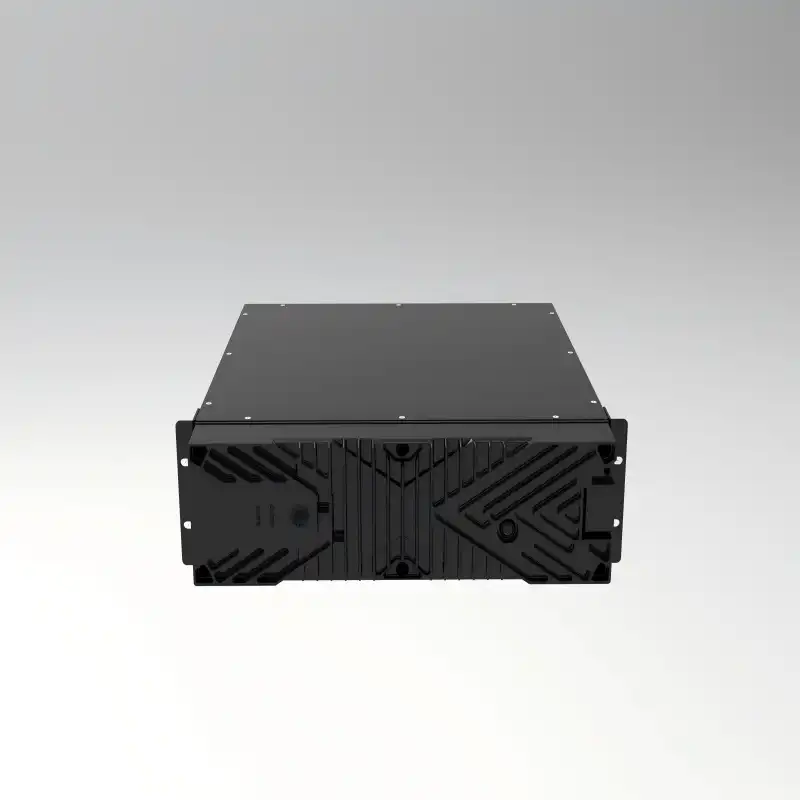
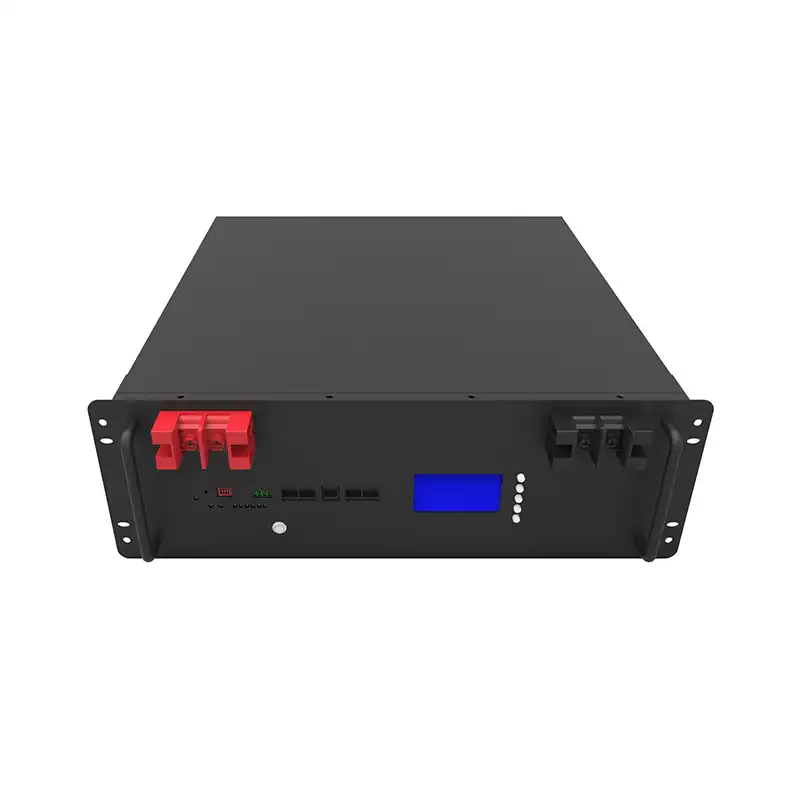
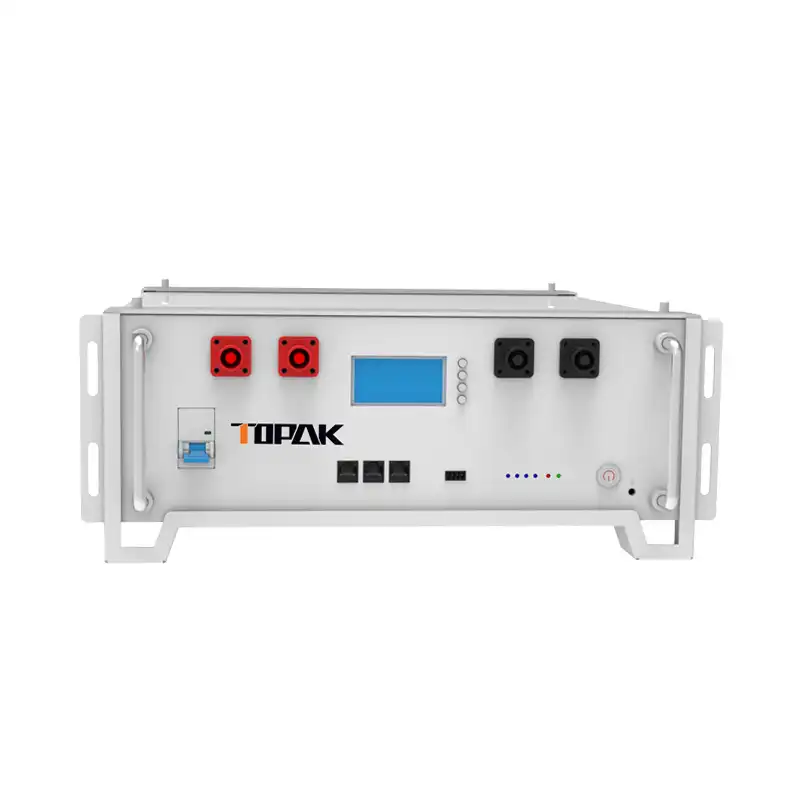
Modern industrial-grade lithium batteries that mount on racks have great specs that meet the strict needs of OEMs. With its 200Ah capacity and 10.24 kWh of total energy storage, the TOPAK TP-48200R type is a great example of these abilities. This large capacity allows vital systems to run for longer periods of time while still being small (550 x 442 x 222 mm) and weighs only about 86 kg. Performance features include charging currents of up to 100A and the highest constant discharge rates of 100A. This allows for fast energy cycling for uses that change often. The high cycle life of 6000 cycles at 80% depth of discharge (DOD) guarantees long-term dependability and lower total cost of ownership. Low self-discharge rates and a wide range of working temperatures make performance even better in a variety of environmental situations.
Advanced Battery Management System Integration
A key feature that sets professional-grade rack-mount batteries apart from regular market goods is the built-in Battery Management System (BMS). The BMS system that TOPAK created allows for full tracking and control, such as keeping an eye on the voltage of each cell, managing the temperature, and controlling the current. Communication through CAN and RS485 protocols makes it possible to connect to OEM systems and remote tracking platforms without any problems. You can add Bluetooth and 4G modules as choices to make it easier to join and get real-time status reports and system diagnostics. These features ensure the best performance and protect the investment in the battery with smart charge methods and safety shutoffs.
Comparing 51.2v Rack Mount Lithium Battery with Other Battery Types
Lithium vs. Traditional Lead Acid Technology
When you look at key operational measures, you can see that rack-mount lithium batteries don't work as well as standard lead acid systems. Lead-acid batteries usually have lower initial costs, but their short cycle life of 300 to 500 cycles isn't even close to the 6000+ cycles that good lithium systems can handle. This big difference in length means that, even though the original investment is higher, the overall costs are much lower. Weight is another big reason why battery technology is better. A similar lead-acid system would take up a lot more rack space and weigh about three times as much as our 86 kg lithium option. Lithium systems have a higher energy density, which means they can be installed in smaller spaces without losing efficiency. This is a huge benefit in places like telecommunications facilities and data centers that are limited on space.
Voltage Compatibility and System Integration
Choosing the right power level is still very important for making sure the system works well and is compatible with other devices. There is no problem with the 51.2V nominal voltage working 51.2v rack mount lithium battery with 48V DC systems that are popular in industry and telecommunications settings. This voltage level is more efficient than lower voltage options like 24V or 12V systems. In high-power situations, it lowers the amount of energy needed and the amount of connection loss. Higher voltage operation also makes power conversion more efficient and lowers the stress on the inverter system components. LiFePO4 chemistry hasa stable voltage output, so system performance stays the same during the discharge cycle. This is different from lead-acid batteries, which lose a lot of voltage as their charge drops.
Applications and Benefits of 51.2v Rack Mount Lithium Batteries in OEM Systems
Telecommunications and Data Center Applications
One of the toughest places for backup power systems to work is in the telecoms industry, where service availability and customer happiness are directly linked to how reliable the system is. Rack-mount lithium batteries work great in these situations because they can keep giving power even when the power goes out, and they don't take up much room in equipment boxes. Lithium systems are very useful for data centers because they can be charged quickly and don't need much upkeep. The ability to quickly charge between power events makes sure that there is always safety, and the longer lifespan means that batteries don't have to be replaced as often, which can cause problems with operations. Even in sites with a lot of people, the integrated thermal control systems keep the right temperatures for working.
Industrial Automation and Equipment Integration
Power options for manufacturing settings need to be able to handle harsh conditions and keep automated systems running smoothly. Rack-mount lithium batteries are strong and can work in a wide range of temperatures, so they can power industrial robots, automated guided vehicles (AGVs), and other important machines. The flexible design lets the capacity grow in steps by connecting up to 15 units in parallel. This gives you the freedom to adjust the power levels to your needs without making the system too complicated. This ability to grow or shrink is especially useful in industrial settings where power needs can change as equipment is upgraded or production methods are changed.
Energy Storage and Renewable Integration
Rack-mount lithium devices are very efficient and respond quickly, which makes them useful for microgrids and solar energy setups. Because they can handle high charge and discharge rates, these batteries are perfect for stabilizing the grid and smoothing out changes in green energy. The small rack-mount design makes placement easier in energy storage uses for homes, businesses, and factories. Communication lets energy managers use complex plans to make the best use of charge/discharge cycles based on utility rates and the supply of green energy.
Procurement Guide for 51.2v Rack Mount Lithium Batteries
Selecting Qualified Manufacturers and Suppliers
Finding makers with a track record of experience in industrial battery systems and thorough quality control processes is the first step to a successful purchase. TOPAK was founded in 2007 and has a global delivery network that spans more than 15 countries. This shows that the company has the stability and support infrastructure needed for large-scale industrial operations. Manufacturing skills, such as large-scale automatic production lines, guarantee uniform quality and on-time delivery for big orders. With in-house BMS development, you can be sure of getting technical help and the ability to make changes that may be needed for certain OEM uses.
Pricing Factors and Volume Considerations
Industrial rack-mount lithium battery prices are affected by a number of important factors, such as the number of orders, the level of customization needed, and the delivery time frame. When you buy in bulk,51.2v rack mount lithium battery, you can usually save a lot of money, but custom BMS configurations or specific communication methods may need more engineering work. Seasonal changes in the market can affect the quantity and price of battery cells. To get stable costs for purchases, it's best to make long-term supply deals. Instead of just looking at the purchase price, you should carefully consider the warranty terms and expert support services as part of the total cost of ownership estimates.
International Shipping and Compliance Requirements
When sending lithium batteries, it's important to pay close attention to foreign rules and certification needs. Having the right paperwork, like UN38.3, IEC62619, and MSDS certificates, makes sure that customs processing goes smoothly and that regulations are followed. Delays and problems that cost a lot of money can be avoided by working with experienced makers who know how to meet these needs. Lead times for foreign packages can be very different depending on the method of shipping, how customs processes the package, and the rules in the destination country. Planning for enough lead time and thinking about regional stocking choices can help keep projects on track and make sure that all the necessary paperwork and rules are followed.
Maintenance, Safety, and Lifecycle Management
Routine Maintenance and Monitoring Protocols
Professional rack-mount lithium batteries don't need as much care as other types of batteries, but they should still be checked on a regular basis to make sure they're working at their best and to catch any problems early. Visual checks should be done once a month to make sure there is enough air flow, that all connections are safe, and that there is no damage or other odd conditions. The built-in BMS keeps an eye on important factors all the time, but looking over system logs and performance data regularly can help you spot patterns that could mean maintenance is due. Monitoring temperature is especially important in high-density sites where temperature changes can affect how well batteries work and how long they last.
Safety Standards and Certification Compliance
Following international safety standards ensures that operations are effective and that regulations are followed in a wide range of places. The IEC62619 certification covers the safety needs for lithium batteries used in fixed locations, while the UN38.3 certification covers the safety needs for movement. Safe working conditions are maintained by following the right installation methods, which include enough air, electrical separation, and emergency plans. Maintenance workers who are trained in lithium battery safety practices lower risks and make sure that the right steps are taken in case of any problems that happen during operation.
Lifecycle Optimization Strategies
To get the most out of your batteries' life,51.2v rack mount lithium battery, you need to pay attention to how they are used and how they are charged. Cycle life is greatly increased by keeping temperatures normal and avoiding too deep a discharge. The improved BMS in quality systems takes care of these factors automatically, but knowing how they affect things helps make the system design and operation better. Testing for capacity and efficiency regularly helps predict when replacements will be needed and stops problems from happening out of the blue. Planning when to change batteries based on real performance data instead of making up dates on the spot will get the most out of your investment while keeping the system reliable.
Conclusion
Professional lithium batteries with a voltage of 51.2v rack mount lithium battery are the best way to power OEM systems that need stable, high-density energy storage. The advanced LiFePO4 chemistry, advanced battery management systems, and small rack mount design work together to make this product perform better than other options. These systems will give you years of solid service if you choose, install, and maintain them correctly. They will also lower your total cost of ownership because they last longer and need less upkeep.
FAQ
1. What is the expected lifespan of a 51.2v rack mount lithium battery?
Depending on how they are used, good rack-mount lithium batteries can last for more than 6,000 cycles at 80% depth of discharge. That's about 10 to 15 years of service life. How long it actually lasts relies on things like the working temperature, the rate of charge and discharge, and the depth of discharge during normal use.
Can multiple units be connected in parallel for increased capacity?
Yes, most industrial rack-mount lithium batteries can be connected in parallel to increase their capacity. The TOPAK TP-48200R system lets you connect up to 15 units in parallel, so you can change the power levels to fit your needs. Charging and draining are balanced across parallel units when the BMS is coordinated correctly.
What communication protocols are available for system integration?
CAN and RS485 are two common transmission methods that modern rack-mount lithium batteries support. This lets them work with inverters and tracking systems. Some optional modules may come with Bluetooth for setting up locally and a 4G connection for tracking and diagnosing from afar.
Partner with TOPAK for Your 51.2v Rack Mount Lithium Battery Solutions
With tested 51.2v rack mount lithium battery systems created especially for OEM uses, TOPAK New Energy Technology is prepared to meet your industrial power needs. With 17 years of experience making things, the ability to do large-scale automatic production, and our own BMS technology, we can reliably deliver unique solutions that meet your exact needs. Our engineering team can help you with everything from the initial advice to long-term system care, no matter if you need standard configurations or custom designs. Get in touch with us at B2B@topakpower.com to talk about your needs with our knowledgeable 51.2v rack mount lithium battery source team and find out how TOPAK can improve the performance of your power system.
References
1. International Electrotechnical Commission. "Safety Requirements for Secondary Lithium Cells and Batteries for Use in Industrial Applications." IEC 62619:2022 Standard.
2. Battery University. "Lithium-ion Battery Management Systems: Design Principles and Safety Considerations." Battery Management Technology Journal, 2023.
3. IEEE Standards Association. "Recommended Practice for Installation Design and Installation of Stationary Lead-Acid Storage Batteries." IEEE Std 1188-2005.
4. National Renewable Energy Laboratory. "Energy Storage System Safety: Best Practices for Installation and Maintenance." NREL Technical Report, 2022.
5. International Air Transport Association. "Dangerous Goods Regulations: Lithium Battery Shipping Requirements." IATA DGR 64th Edition, 2023.
6. Electric Power Research Institute. "Industrial Energy Storage Applications: Performance Requirements and Technology Assessment." EPRI Technical Update, 2023.