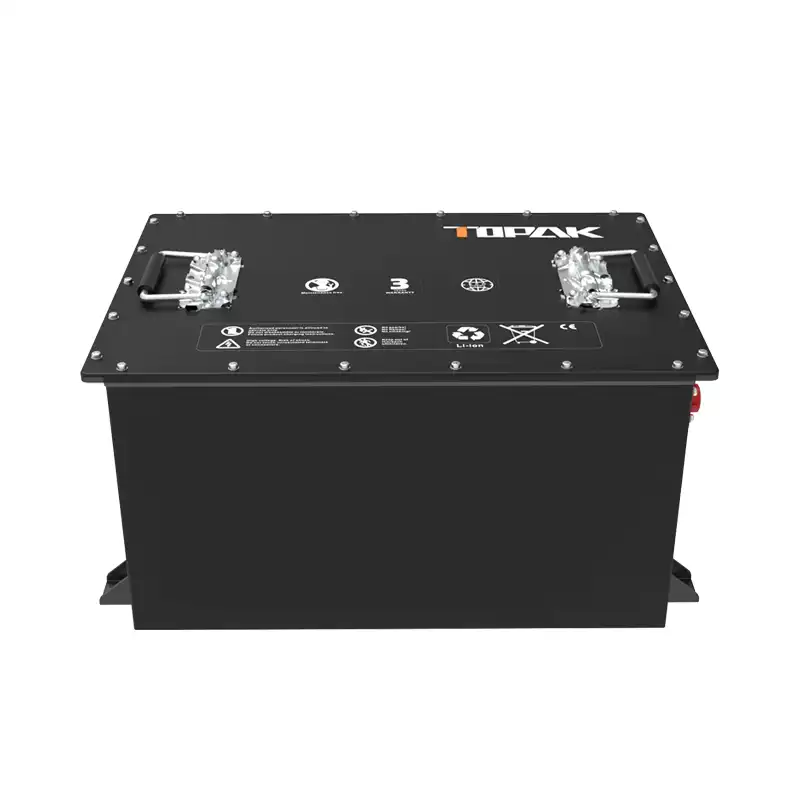
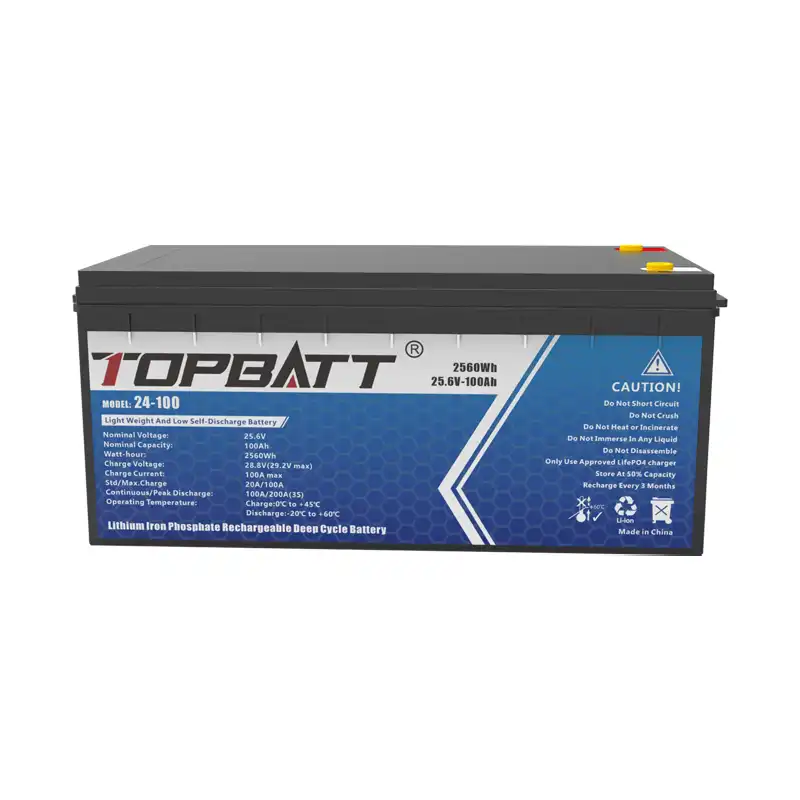
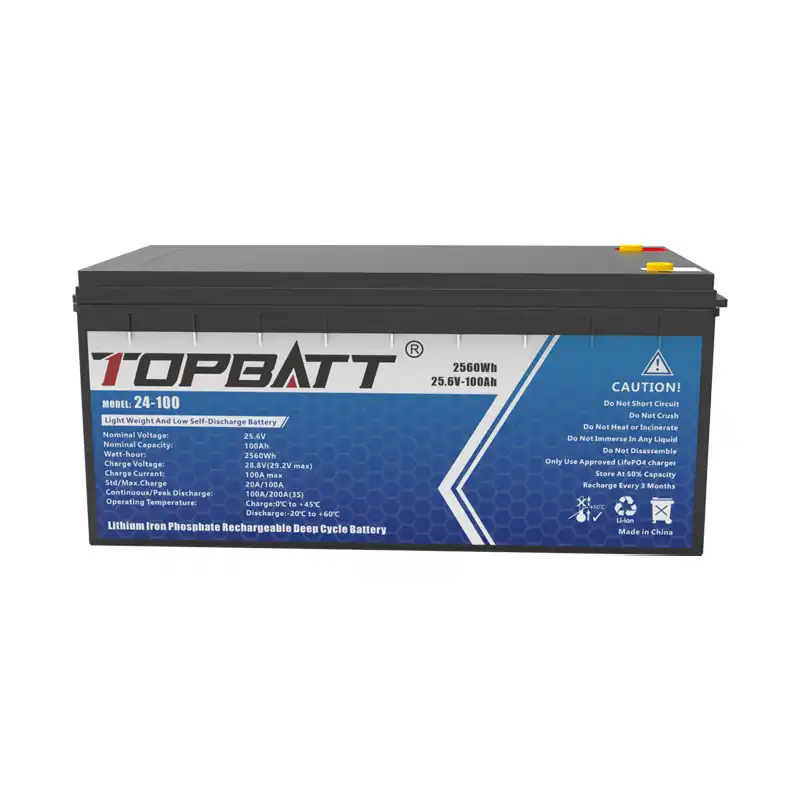
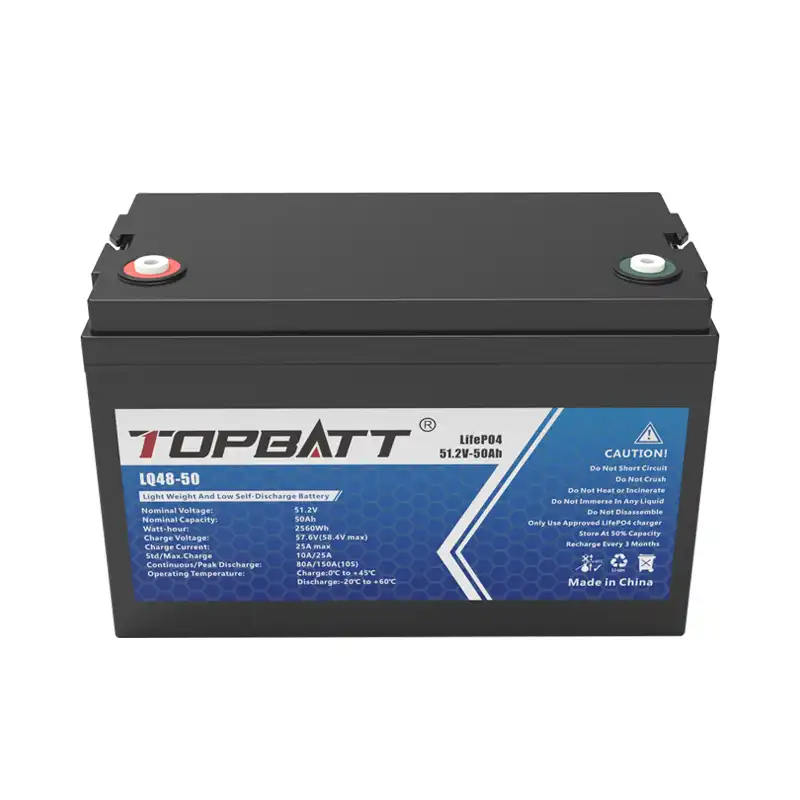
Safety and Stability of 24V LiFePO4 Battery Chemistry
The safety and security of 24V LiFePO4 (Lithium Iron Phosphate) batteries are becoming more important as people look for ways to store energy. LiFePO4 batteries are now the first choice for businesses that need reliable power sources because they work so well. It tells you a lot about the science behind 24V LiFePO4 batteries. It talks about the safety features they have built in, how stable they are in different conditions, and what you can depend on them for. A lot of people believe that these lithium-ion batteries are among the best on the market right now. We will look at their chemical make-up, how they react to heat, and how rigid their structure is to try to figure out why. We will also talk about the high-tech safety and management systems that have been put in place to make 24V LiFePO4 Battery systems safer and more stable. They can save green energy and charge electric cars, among other things.
What are the key safety features of 24V LiFePO4 batteries?
Thermal Stability and Fire Resistance
24V LiFePO4 batteries are safe because they don't easily catch fire and don't change shape when they get hot. Lithium cobalt oxide batteries take less time to charge when they don't get too hot. Around 270°C (518°F) is how hot it gets, which is a lot hotter than other lithium-ion devices. 24V LiFePO4 batteries are less likely to stop working because they get too hot. This is when the battery gets very hot very quickly, which could pop or fire. LiFePO4 batteries use phosphate as their cathode material. Phosphate is naturally heavier and releases oxygen much more slowly than in other lithium-ion systems. There is now even less chance of a fire. When safety is a top priority, 24V LiFePO4 batteries work great in places like electric cars and home energy storage systems. When it gets hot, they stay put better.
Overcharge and Over-discharge Protection
The 24V LiFePO4 Battery works safer because it doesn't let itself charge or drain too fast. These help the battery last a long time and stay safe. Their chemicals are set up in a way that makes the voltage slope more stable when they are being charged and then released. Because of this, lithium dendrites don't form, which can damage other lithium-ion batteries and cause short circuits if they are used too much. A Battery Management System (BMS) is usually built into the 24V LiFePO4 Battery. This system checks the voltages, currents, and temperatures of the cells all the time. You can't charge or release in this way if any of the conditions get too high. This keeps both the person and the battery safe. Giving the 24V LiFePO4 Battery too little power won't hurt it too much, so it's better to let it go. Some people have trouble getting the voltage of the 24V LiFePO4 Battery just right. It has more choices that can help.
Chemical and Structural Stability
Because they are set in both matter and form, they are safer than other kinds of batteries. This substance is very solid since it is made up of olivine crystals. In other words, it doesn't break or let air out when things are bad. This strong wall keeps things that are hot or dangerous from getting out. This makes it much less likely that chemicals or gases will leak when the machine is working or if something breaks. Also, it stays solid because the cathode material has strong chemistry bonds between the iron and phosphate groups. This means that when it gets hot, the battery doesn't break quickly. All the time, 24V LiFePO4 batteries are safe to use since they are stable on their own. These are better for stable energy storage and portable power choices, where damage from heat or stress is more likely to happen.
How does the stability of 24V LiFePO4 batteries compare to other lithium-ion chemistries?
Cycle Life and Longevity
Not all batteries are the same when it comes to how long they last and how many times they can be charged. Most of the time, LiFePO4 batteries don't lose a lot of power when they are charged and left empty. Some lithium-ion batteries can only be filled and then drained 500 to 1000 times. 24V LiFePO4 batteries, on the other hand, need to be used at least three to five thousand times before they die. LiFePO4 doesn't change much in terms of its crystal structure when it is charged and charged off. It lasts a very long time because of this. It is best to use 24V LiFePO4 batteries when you need to quickly charge them and then use them again because they last longer and work better for longer. You don't have to change them as often, so they last longer. This saves money, keeps them safer, and is better for the earth in the long run.
Temperature Performance and Safety
Another reason the 24V LiFePO4 Battery is better is that it works better in a wider range of temperatures. From -4°F to 60°C (-20°F to 140°F), the 24V LiFePO4 Battery is safe and works well. That's right, the 24V LiFePO4 Battery can work in any weather. In other words, it can be used in places of work that are hot or cold. When it gets too hot or too cold, some lithium-ion batteries might not be safe or work as well. This means that the 24V LiFePO4 Battery doesn't boil over as often. This part of safety is very important. The 24V LiFePO4 Battery is safe at much higher temperatures, so there is less chance that it will catch fire or blow up. Not all lithium-ion batteries lose power when they get too hot. Even at 150°C (302°F), some can do this. It is safer now that the weather has stayed the same. It is also easier and cheaper to use 24V LiFePO4 batteries for heat control systems.
Chemical Stability and Environmental Impact
24V LiFePO4 batteries are safer and better for the world because their chemicals don't change as fast. Because the bonds between the iron and phosphate groups are stronger, LiFePO4 cathodes tend to be thicker. LiFePO4 batteries don't leak as often as other batteries do when they are broken or overused. This means they don't start fires or leak dangerous materials. When the same things happen to other lithium-ion devices, especially those with cobalt, they may leak dangerous gases or break down at the cathode. There are lots of ways that 24V LiFePO4 batteries are good for the world. These batteries are better than other lithium-ion batteries because they have more chemicals that are safe. This way makes it easy to get them back, and getting rid of them is good for the world. You don't have to change it as often because it lasts longer. It saves money and is better for the environment.
What are the best practices for maintaining the safety and stability of 24V LiFePO4 batteries?
Proper Charging and Discharging Protocols
You need to charge and drain 24V LiFePO4 batteries in the right way to keep them safe and stable. People know them to be strong, but if you use them right, they will last longer and work better. To charge 24V LiFePO4 batteries, you need to use a charger made for those batteries. These batteries need to be charged more slowly than other lithium-ion batteries. The best ways to charge are usually with a phase of constant current (CC) and a phase of constant voltage (CV). It should be possible for the charger to switch between these modes on its own. The makers tell you how fast to charge and release. If these rates are too high, there might be too much heat, which could be dangerous. The state of charge (SoC) of 24V LiFePO4 batteries should be above 90% and not below 20%. You can use them more times and they will last longer. It's usually better to have half charges that happen often than full charges that don't happen very often. Not only will these tips keep you safe, but they will also make the battery last longer.
Temperature Management and Environmental Considerations
Keep the 24V LiFePO4 Battery from getting too hot to keep it safe and stable. The 24V LiFePO4 Battery can work in many temperature ranges, but bad weather can still change how well it works and how long it lasts. It is important to keep the 24V LiFePO4 Battery charged in a place that is warmer than 0°C (32°F). What you did might hurt the lithium layer and make the battery not work as well. The 24V LiFePO4 Battery works really well in hot places, where many other batteries don't. It may lose power more quickly, though, if it stays hot for a long time. Temperature control systems, such as passive or active cooling systems, can help you keep the office at a good level of temperature. The 24V LiFePO4 Battery will last longer and be safer to use for a longer time if you put it in a room with a steady temperature. The 24V LiFePO4 Battery pack and the car's temperature control system will work well in any weather for mobile uses like electric cars. Also, keep the 24V LiFePO4 Battery away from water, strong sunlight, and other dangerous areas so it doesn't lose its shape and become less safe.
Regular Monitoring and Maintenance
Every once in a while, 24V LiFePO4 batteries need to be fixed and checked to make sure they stay safe and stable. You can see the power, current, temperature, and state of charge right now on a full battery control system (BMS). If there are any strange things or problems, the building management system (BMS) should be able to find them and let people know about them before they become dangerous. You can use a torch to check the battery system often for rust, damage, or growth. In this way, problems can be found faster. When you're setting up a big system, thermal photography can help you find hotspots, which are places in the battery pack where the temperature isn't spread out evenly. Being aware of how loud and powerful the battery is will help you know when it needs to be fixed and keep an eye on its health. Also, make sure there is no dust or anything else that could be dangerous around the battery. A lot of heat can be dangerous because it's tough to get rid of. When you use your 24V LiFePO4 batteries for important things, make sure you keep a repair log and do the jobs that come with them. This will help make sure they work well and quickly find any issues or safety concerns.
Conclusion
The safety and stability of 24V LiFePO4 battery chemistry make it a standout choice for various applications requiring reliable and efficient energy storage solutions. Throughout this article, we've explored the inherent safety features, comparative advantages, and best practices for maintaining these batteries. From their exceptional thermal stability and resistance to overcharging to their long cycle life and environmental benefits, 24V LiFePO4 batteries offer a compelling combination of safety, performance, and sustainability. As technology continues to advance, these batteries are likely to play an increasingly important role in our transition to cleaner, more reliable energy systems. For those seeking high-quality 24V LiFePO4 battery solutions, TOPAK POWER TECHNOLOGY CO.,LTD offers customized energy storage and power solutions tailored to diverse application environments. For more information or inquiries, please contact them at B2B@topakpower.com.
FAQ
Q: What makes 24V LiFePO4 batteries safer than other lithium-ion batteries?
A: 24V LiFePO4 batteries have higher thermal stability, better resistance to thermal runaway, and a more stable chemical structure, reducing the risk of fire or explosion.
Q: How long do 24V LiFePO4 batteries typically last?
A: 24V LiFePO4 batteries can last for 3,000 to 5,000 cycles or more, significantly longer than many other lithium-ion chemistries.
Q: Can 24V LiFePO4 batteries be used in extreme temperatures?
A: Yes, 24V LiFePO4 batteries perform well in a wide temperature range, typically from -20°C to 60°C, making them suitable for various environmental conditions.
Q: Are 24V LiFePO4 batteries environmentally friendly?
A: Yes, they are considered more environmentally friendly due to their longer lifespan, use of less toxic materials, and easier recyclability compared to other lithium-ion batteries.
Q: What is the best way to charge a 24V LiFePO4 battery?
A: Use a charger specifically designed for 24V LiFePO4 batteries, following a constant current (CC) to constant voltage (CV) charging profile, and avoid overcharging.
References
1. Zhang, W. (2011). "Structure and performance of LiFePO4 cathode materials: A review." Journal of Power Sources, 196(6), 2962-2970.
2. Linden, D., & Reddy, T. B. (Eds.). (2002). Handbook of batteries. New York: McGraw-Hill.
3. Nitta, N., Wu, F., Lee, J. T., & Yushin, G. (2015). "Li-ion battery materials: present and future." Materials Today, 18(5), 252-264.
4. Julien, C. M., Mauger, A., Zaghib, K., & Groult, H. (2014). "Comparative issues of cathode materials for Li-ion batteries." Inorganics, 2(1), 132-154.
5. Dunn, B., Kamath, H., & Tarascon, J. M. (2011). "Electrical energy storage for the grid: a battery of choices." Science, 334(6058), 928-935.
6. Scrosati, B., & Garche, J. (2010). "Lithium batteries: Status, prospects and future." Journal of Power Sources, 195(9), 2419-2430.