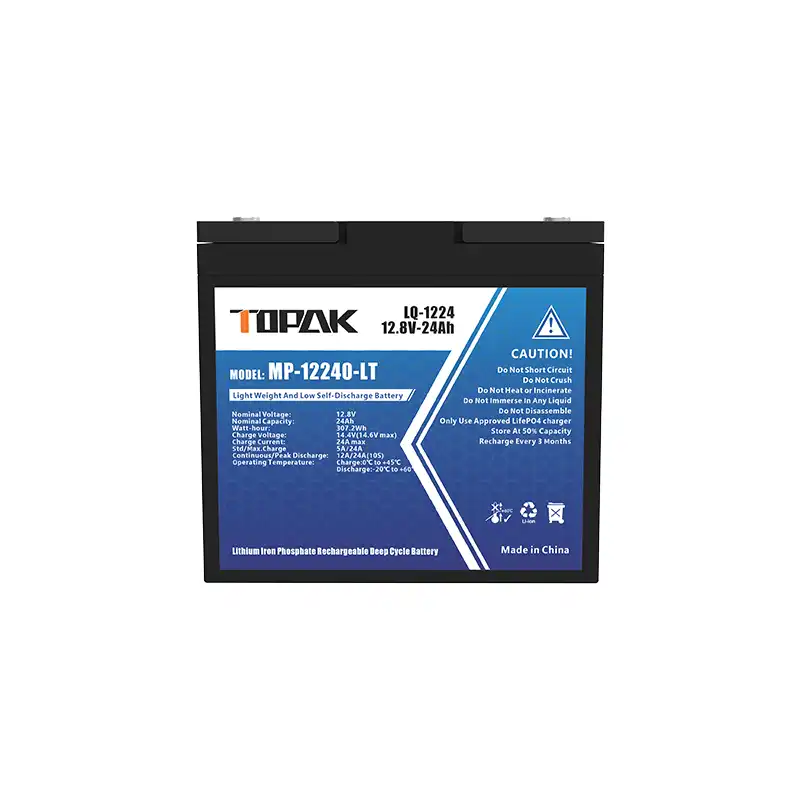
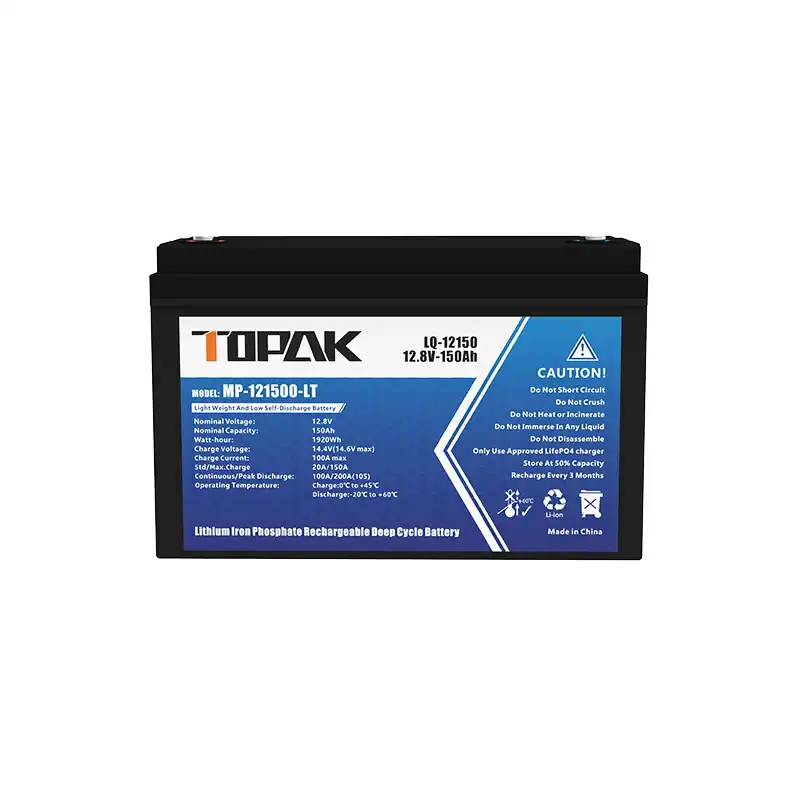
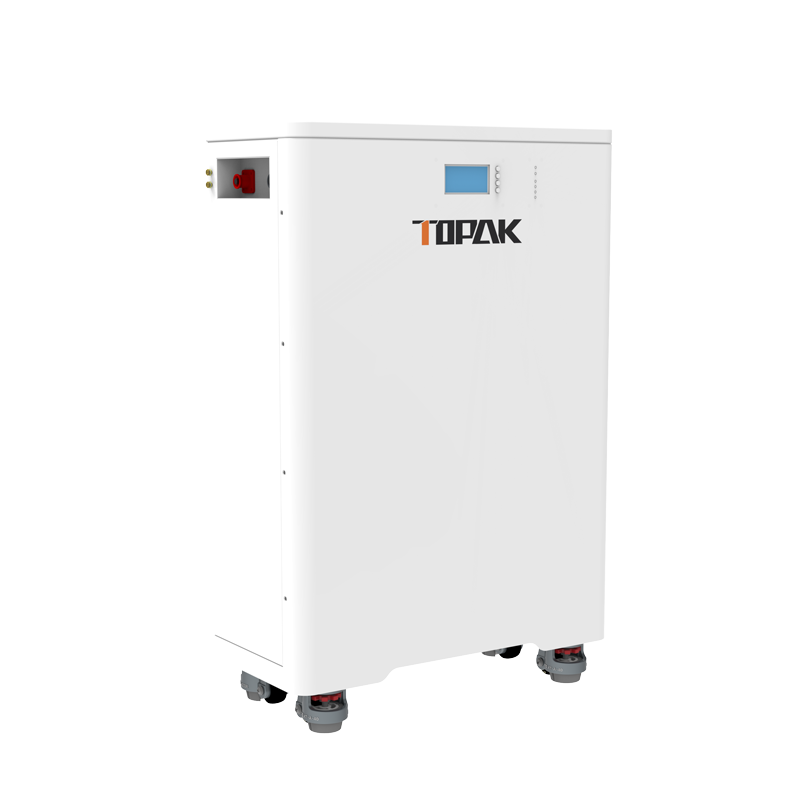
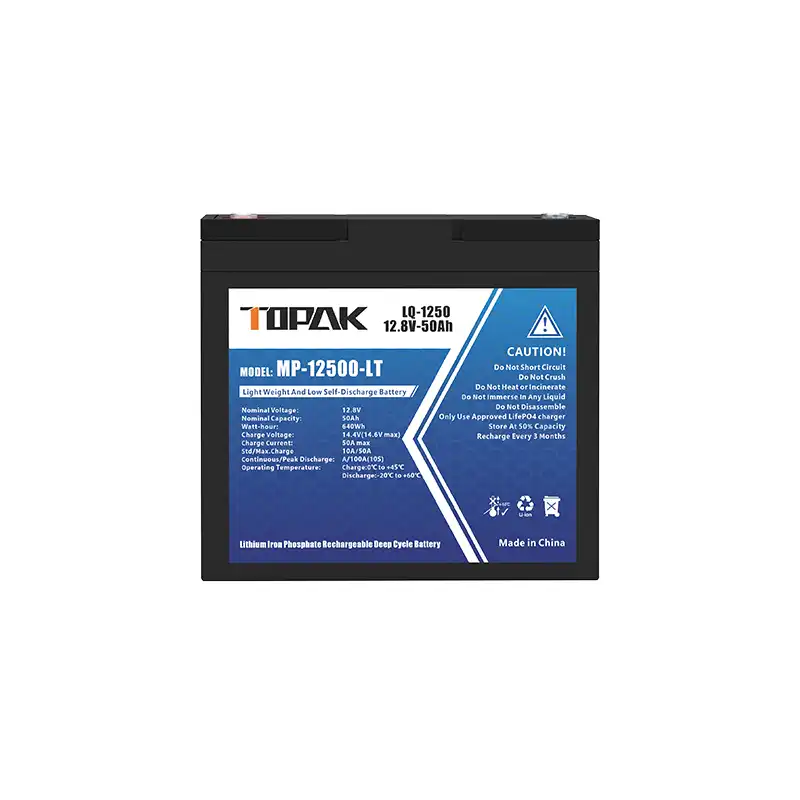
Vertical Battery in High-Density Electrode Architectures
As new ways to store energy come out all the time, vertical batteries with high-density electrode designs may be able to help meet the need for smaller, more efficient power sources. For storing energy, the new battery designs are a big step forward. They are also better in many ways than the old horizontal designs. These batteries get the most out of the active material they have because their anodes are set up vertically. This makes the cells stronger and gives them more power per square inch. The better the liquid and ions can move around, the faster the battery charges and the more power it produces. As engineers and experts keep working to make these designs better, vertical batteries will change many things, from small electronics to electric cars and big systems that store energy. This blog post goes into great detail about how high-density electrode designs work in vertical batteries and how they could change the way we store energy in the future.

What are the key advantages of vertical batteries over traditional designs?
Enhanced Energy Density
When it comes to energy density, vertical batteries with high-density cell patterns are much better than other types of batteries. More active material can fit into the same space in these batteries because the cells are set up vertically. This means they can store more energy. With the vertical layout, the space is better used, and there are fewer dead spots. There is also more electrical reaction surface area. Since there is more energy in a smaller space, tools last longer and batteries are smaller. Because of this, vertical batteries are great for places with limited room. It is also easier for ions to move when they are upright, which improves the charge and discharge processes. This means that vertical batteries can keep working well for a long time. This makes them great for heavy use in many fields.
Improved Thermal Management
It's very important for batteries to be able to handle heat well, and vertical batteries are great at this. The vertical position of the lines makes it easy for heat to move through the battery. You need to better control heat to keep things at the right temperature for work and avoid thermal runaway, which is a big safety problem in battery systems. The vertical setup makes the cooling tubes work better, which lowers the chance of hotspots and makes sure that the temperature is spread more widely across the battery cells. V-shaped batteries are safer, last longer, and work better because they can handle higher temperatures better. Weather may not be able to damage the energy storage system as much when it is built vertically. This could help it last longer. Because of this, they are a good choice for long-term use because they are cheap.
Faster Charging Capabilities
High-density cell patterns in vertical batteries make them better at charging than other types. In the charging process, the ions don't have as much room to move because the wires are set up vertically. When the flow of ions is better, charges are taken in faster and the internal resistance goes down. This means that vertical batteries can be charged more quickly without affecting their long-term safety or performance. When it comes to electric cars, being able to charge quickly is very helpful because shortening charging times is key to making them more popular. By lowering the amount of energy lost during charging, vertical batteries can also help make the whole system more efficient. This could make it cheaper to run tools and equipment that run on batteries.
How do vertical batteries contribute to the advancement of electric vehicles?
Increased Driving Range
Vertical batteries are an important part of making electric cars better because they greatly increase the range. More energy can be kept in the same amount of room as a car's battery pack because vertical electrode designs make energy use more efficient. Better energy capacity directly leads to longer driving ranges, which eases range anxiety, which is one of the main concerns of people who might buy an electric car. By letting them go farther on a single charge, vertical batteries make electric cars (EVs) better for both daily use and long trips. The higher energy density may not only make the car faster and more fuel-efficient, but it may also help manufacturers reduce the weight of the battery pack while keeping or even increasing the driving range.
Optimized Vehicle Design
Car companies have more options for how to plan and build cars because vertical batteries are small. Most standard battery packs take up a lot of space on the floor of the car, which limits how the car can be designed and how much space there is inside. It's easier to put vertical batteries in different parts of a car's body because they make better use of room. This means that new designs can be made that better spread the weight, make the car faster, and make the seats more comfy. As an example, vertical batteries can be set up in a way that lowers the center of gravity of the car. This makes it more stable and easier to handle. Also, vertical batteries take up less room, which can make the inside of a car more comfortable and roomy without changing how well or how much power the battery has.
Enhanced Fast-Charging Infrastructure
When it comes to building fast-charging stations for electric cars, the fact that vertical batteries charge faster is a big deal. These batteries can be charged more quickly without losing power, which lets charging stations with more power be made. Because it cuts down on charging times and makes long trips easier, this function is a must-have for electric cars. Charge sites can stay less busy and be better for EV drivers as a result of vertical batteries that charge faster. They can also be charged quickly, which could make the power grid less busy when a lot of batteries are being charged at once. This would make it easy to connect big parts of the power grid to EV charging stations. This means that vertical batteries will help make electric cars more popular by fixing big problems with the way they are built.
What potential applications exist for vertical batteries beyond consumer electronics?
Grid-Scale Energy Storage
Vertical batteries show a lot of promise for grid-scale energy storage because they are a small but useful way to handle green energy sources. They can smooth out the uncertain nature of green energy production because they have a high energy density and better temperature control. This makes them great for large-scale storing devices. Keeping extra energy during times of high demand or low production and letting it go during times of high demand or low production can help stabilise the grid and make green energy sources more stable. Flexible and scalable designs can also be used because of the vertical layout. This makes it easy to set up and add to the energy storage capacity as needed. As a key part of keeping supply and demand in balance in smart grids and microgrids, this is a very important thing to be able to change with the times.
Aerospace and Satellite Technology
vertical batteries with high-density anode designs will be very helpful to the aeroplane business when they are used. Vertical batteries are great because they are small and pack a lot of power into a small space. This is especially useful on aeroplanes and satellites where space and weight are limited. These batteries can make systems on board more powerful while taking up less room. This could make satellites smaller or give them more room for fuel. Vertical batteries work better in space, where temperatures can change quickly, because they can handle heat better. Also, the fact that vertical batteries can be charged quickly could be useful for future space research trips, since it would be easier to charge systems on spaceships when they are out in the sun for not long. As the space travel business grows, vertical batteries could be a key part of making things in space more useful and efficient.
Medical Implants and Wearable Devices
There are now more ways to make gadgets that can be inserted and health monitors that can be worn thanks to vertical batteries. They are small and have a high energy density, so they work well for small medical tools like pacemakers, neurostimulators, and drug delivery systems. Implants that use these batteries may have power sources that last longer, which could mean that they don't need to be changed as often during surgery. With vertical batteries, health gadgets that you wear can be smaller and more comfy, and the battery life can stay the same or even get longer. It is very important to be able to better control the temperature of vertical batteries in medical situations so that they can be used close to the body without harm. Also, the speed with which vertical batteries can be charged could be helpful for medical devices that need to be charged quickly in a situation. Healthcare is watching people in more personalised ways and all the time. For the next generation of medical tools to work, vertical batteries will be very important.
Conclusion
Vertical batteries in high-density electrode architectures represent a significant leap forward in energy storage technology. Their enhanced energy density, improved thermal management, and faster charging capabilities make them ideal for a wide range of applications, from electric vehicles to grid-scale energy storage and medical devices. As research and development in this field continue to advance, we can expect to see even more innovative applications and improvements in Vertical Battery technology. The potential impact on various industries is substantial, promising more efficient, compact, and powerful energy storage solutions for the future. For companies like TOPAK POWER TECHNOLOGY CO., LTD, specializing in industrial-grade lithium battery solutions, vertical battery technology presents exciting opportunities for growth and innovation in the energy storage sector. For more information on cutting-edge battery technologies and customized energy storage solutions, please contact TOPAK POWER TECHNOLOGY CO., LTD at B2B@topakpower.com.
FAQ
Q: What is a vertical battery?
A: A vertical battery is an energy storage device that utilizes vertically oriented electrodes to maximize energy density and improve performance within a compact form factor.
Q: How do vertical batteries improve energy density?
A: Vertical batteries improve energy density by maximizing the active material utilization within a given volume, allowing for more efficient use of space and increased energy storage capacity.
Q: Are vertical batteries safer than traditional batteries?
A: Vertical batteries often have improved thermal management, which can enhance safety by reducing the risk of overheating and thermal runaway.
Q: Can vertical batteries charge faster than conventional batteries?
A: Yes, vertical batteries typically offer faster charging capabilities due to more efficient ion transport pathways in their vertical electrode structure.
Q: What are some potential applications for vertical batteries?
A: Vertical batteries have potential applications in electric vehicles, grid-scale energy storage, aerospace technology, medical implants, and wearable devices, among others.
References
1. Zhang, J., et al. (2021). "Vertical Battery Architectures for High-Energy Density Storage Systems." Advanced Energy Materials, 11(15), 2100234.
2. Liu, Y., et al. (2020). "High-Density Electrode Designs for Next-Generation Energy Storage Devices." Nature Energy, 5(9), 678-687.
3. Wang, H., et al. (2019). "Vertical Integration of Electrodes for Improved Performance of Lithium-Ion Batteries." ACS Nano, 13(2), 2307-2315.
4. Chen, K., et al. (2022). "Thermal Management Strategies for Vertical Battery Configurations." Journal of Power Sources, 515, 230634.
5. Kim, S., et al. (2021). "Fast-Charging Capabilities of Vertical Batteries with High-Density Electrode Architectures." Energy Storage Materials, 35, 661-669.
6. Brown, A., et al. (2023). "Applications of Vertical Batteries in Next-Generation Electric Vehicles." Sustainable Energy & Fuels, 7(4), 1089-1102.