C&I Energy Storage: Ensuring Backup Power and Grid Services
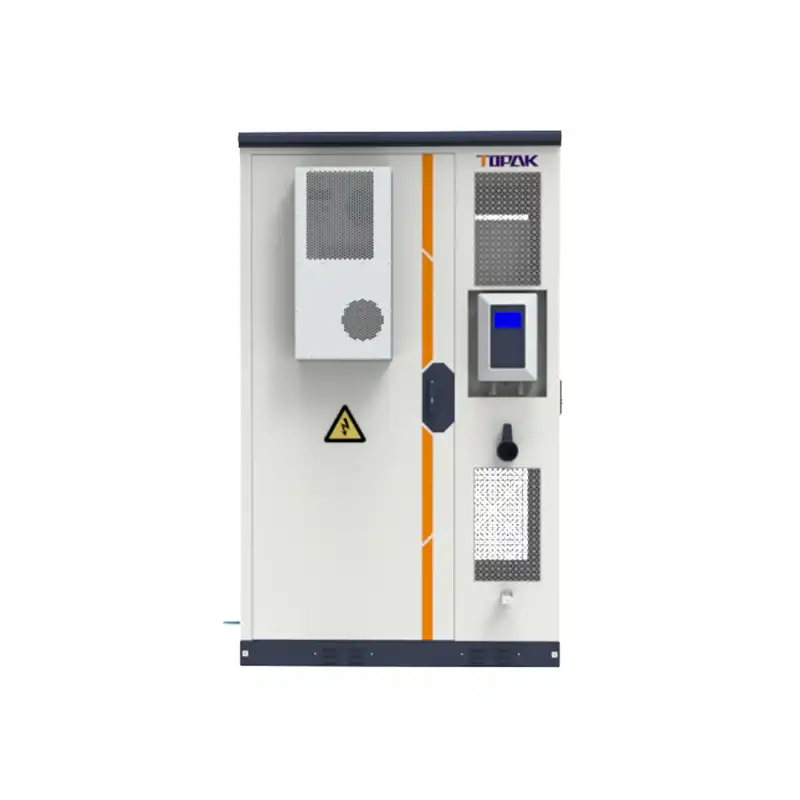
Commercial and Industrial C&I energy storage systems have become an important part of making sure there is stable backup power and offering vital grid services in today's rapidly changing energy world. These high-tech tools are changing the way businesses control how much energy they use, save money, and help keep the grid stable. C&I energy storage systems have many advantages, such as better power stability, lower peak demand charges, and the ability to easily add green energy sources. As the world's energy industry moves toward better and more environmentally friendly methods, C&I energy storage is a key part of connecting intermittent green energy sources with steady power needs. This article goes into detail about the different parts of C&I energy storage, including what it can do, how it can be used, and how it changes business processes and the energy environment as a whole.

What are the key benefits of C&I energy storage systems?
Enhanced Power Reliability
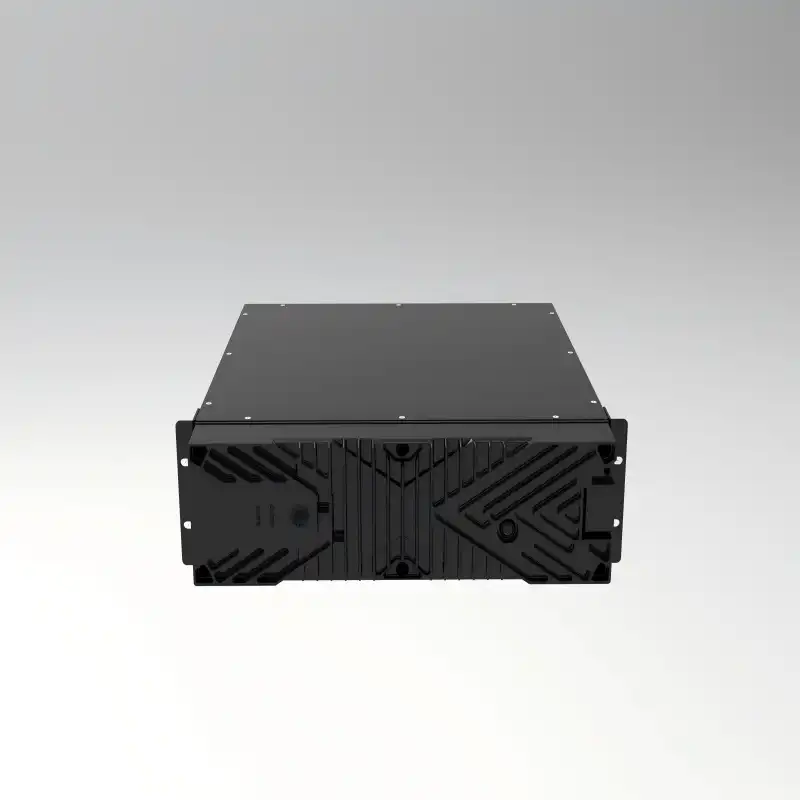
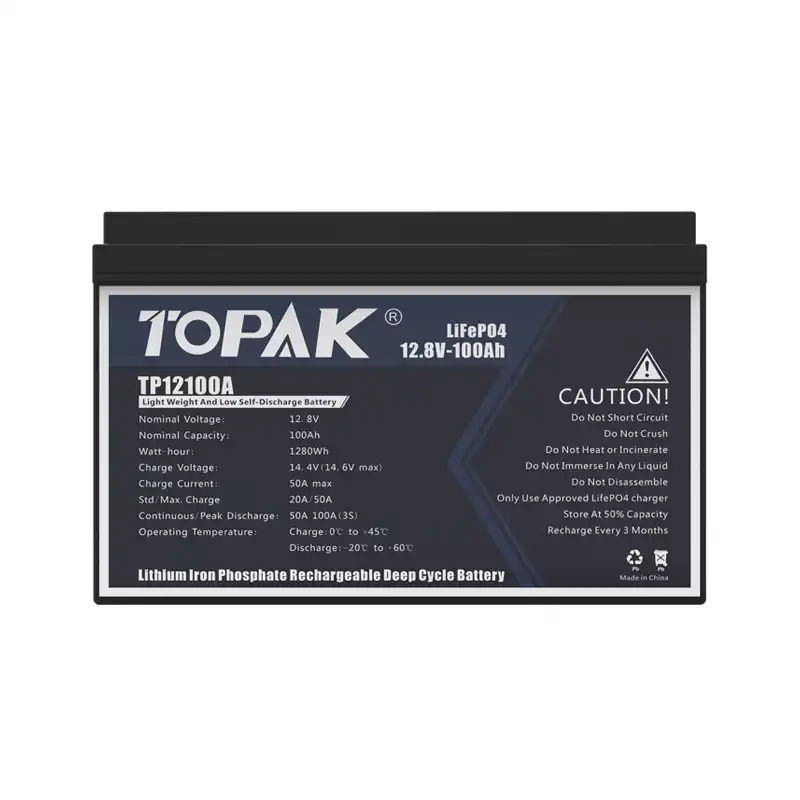
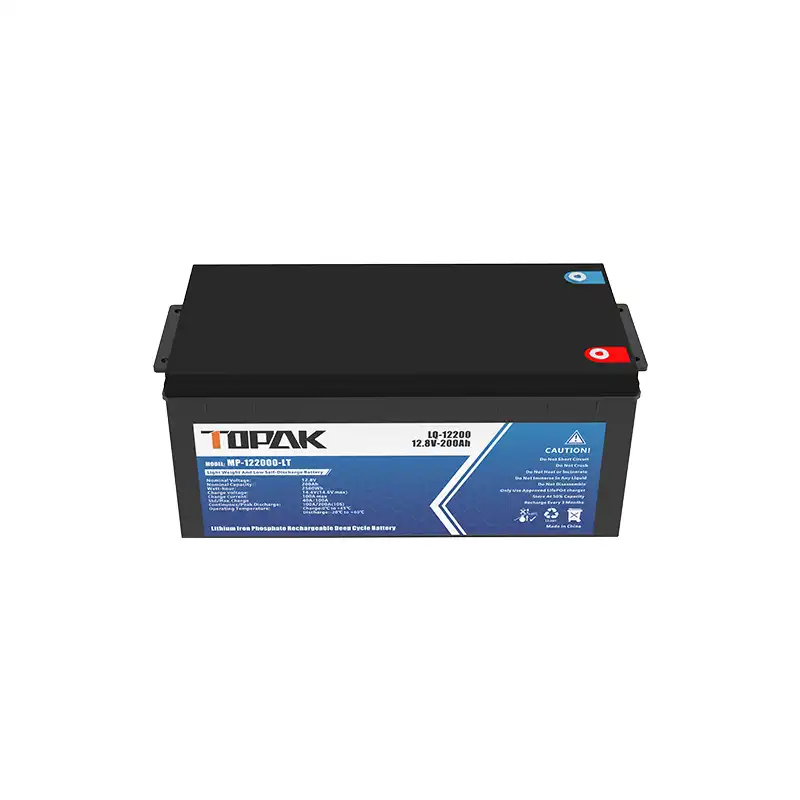
Commercial and industrial buildings can depend on C&I energy storage systems for power stability that can't be beat. These devices use modern battery technology to make sure that there is always power, even when the grid goes down or the voltage changes. Some systems with four 51.2V 314Ah lithium-ion batteries can store a huge amount of energy, up to 64.3KWh. This means that the energy backup will last for a long time and be reliable. Businesses that can't afford downtime, like data centers, healthcare facilities, and factories, need this level of dependability very much. C&I energy storage systems can switch to backup power in milliseconds without any problems, so business as usual can continue. Furthermore, these systems can be set up to favor critical loads, which ensures that important equipment stays working even during long power blackouts.
Cost Optimization and Peak Shaving
One of the best things about C&I energy storage is that it can lower energy costs by shaving off high loads and lowering demand charges. Businesses can save a lot of money on their energy costs by saving energy during off-peak hours, when prices are lower, and then using it when demand is high. Advanced energy management systems (EMS) built into C&I storage options help people make smart choices by instantly figuring out when it's cheapest to use the grid or the battery to get power. This smart energy management not only lowers costs but also makes the grid less stressed during busy hours, which helps keep the grid stable overall. The high transformer power output, like up to 32KW of AC power over a wide working range, makes it possible to distribute energy in a flexible and efficient way in a wide range of business and industrial settings.
Renewable Energy Integration
C&I energy storage systems are very important for making it easier to use green energy sources, especially solar power. These systems can successfully use and store energy from big PV panels because they have flexible solar integration that can handle up to 46.2KW of solar input and a maximum open-circuit voltage of 1500V. The many MPPT channels (for example, 6 MPPTs) make sure that the solar energy is collected in the best way possible across a wide voltage range of 125V to 425V. With this feature, companies can get the most out of their green energy sources, depend less on grid power, and leave a smaller carbon footprint. C&I storage systems help fix the problems that come with intermittent renewable energy sources by saving extra solar energy during peak production hours and using it when it's needed. This makes the power supply more stable and reliable.
How does C&I energy storage contribute to grid stability?
Frequency Regulation
Frequency control is a key part of how C&I energy storage systems keep the grid stable. As supply and demand change all the time in the grid, these systems can quickly add or take away power to help keep the frequency of the grid stable. C&I storage systems have high-power transformers that can send out up to 32KW of AC power. This lets them respond quickly to grid signals. As power lines add more irregular renewable energy sources, this ability to quickly change the frequency of electricity flows becomes more useful. Businesses that have C&I energy storage can help keep the grid stable and make extra money at the same time by taking part in frequency control markets. This makes their investment in energy storage even more profitable.
Demand Response Participation
Businesses can take part in demand response programs with the help of C&I energy storage, which makes the grid much more stable during times of high demand. When grid operators tell businesses to use less power, energy storage systems can switch to battery power without a hitch. This lets businesses keep running while lowering the load on the grid. This feature is especially helpful in places where the power grid is stressed or during extreme weather events. Demand response can be done automatically and effectively with C&I storage systems' smart energy management features, such as improved EMS for optimal energy usage and grid interaction. By combining the demand response features of several C&I storage systems, grid operators can efficiently handle large-scale load drops, keeping the grid stable and avoiding breakdowns.
Voltage Support and Power Quality Improvement
C&I energy storage is also very important for grid safety because it can support voltage and improve power quality. These systems can add or take away reactive power to help keep voltage levels within safe limits, especially in places where there are a lot of spread energy resources. The large temperature range that C&I storage systems can work in (-20℃ to 60℃) makes them stable in a wide range of weather conditions, so they can be used in many places. C&I energy storage helps protect sensitive equipment from power quality problems by lowering voltage changes and harmonics. This lowers the chance of damage to equipment and interruptions in operations. This feature is especially useful in factories that use big motors or changing frequency drives that can make the local grid's power quality worse.
What are the future prospects for C&I energy storage?
Increasing Adoption and Market Growth
The future of C&I energy storage looks very bright, with usage rates rising quickly and big market growth expected over the next few years. As more companies learn about the cost-saving, reliable, and environmentally friendly benefits of energy storage, the need for C&I storage options is sure to skyrocket. Battery technology is getting cheaper, and energy management systems are getting better. This is making C&I energy storage easier for more companies to use and more appealing to them. Supportive laws and benefits in many areas are also making acceptance go even faster. Because C&I storage systems are so flexible, with features like high transformer power and the ability to integrate solar panels in a number of different ways, they are an important part of the current energy shift and can be used in a wide range of business and industrial settings.
Technological Advancements and Innovation
In the next few years, the C&I energy storage field is likely to see a lot of new technology and innovations. The main goal of research and development is to improve the science of batteries so that they store more energy, last longer, and be safer. Batteries from the next generation, like solid-state batteries and improved flow batteries, could make C&I uses even more efficient and cost-effective. New developments in power electronics, like the efficient MPPT operation with multiple channels seen in current systems, will keep making energy storage options more useful and adaptable. Also, progress in AI and machine learning is predicted to completely change energy management systems, making it possible for more advanced prediction analytics and better ways to run C&I storage operations.
Integration with Smart Grid and IoT Technologies
The growth of smart grid systems and the Internet of Things (IoT) will have a big impact on the future of C&I energy storage. It will be more and more important for C&I storage systems to help control and improve power sources as they become smarter and more linked. When IoT devices and advanced communication methods are combined, energy storage assets can be monitored and controlled in real time. This makes grid services more flexible and quick to respond. This combination will also make it easier to build virtual power plants, which are places where different C&I storage systems can work together to provide services to the whole grid. Current systems have smart energy management features, such as improved EMS for better energy use and grid contact. This is just the start of a trend toward fully integrated and smart energy environments.
Conclusion
C&I energy storage systems have emerged as a transformative technology in the energy sector, offering numerous benefits for businesses and the grid alike. From ensuring reliable backup power and optimizing energy costs to facilitating renewable integration and contributing to grid stability, these systems are playing a crucial role in shaping a more resilient and sustainable energy future. As the technology continues to advance and market adoption grows, C&I energy storage is poised to become an indispensable component of modern energy infrastructure. For businesses looking to enhance their energy management strategies and contribute to a cleaner, more efficient grid, partnering with experienced providers like TOPAK POWER TECHNOLOGY CO., LTD can offer tailored solutions to meet specific needs. For more information, contact them at B2B@topakpower.com.
FAQ
Q: What is C&I energy storage?
A: C&I energy storage refers to Commercial and Industrial energy storage systems that provide backup power, cost optimization, and grid services for businesses and industrial facilities.
Q: How does C&I energy storage contribute to cost savings?
A: C&I energy storage enables cost savings through peak shaving, demand charge reduction, and optimizing the use of renewable energy sources.
Q: Can C&I energy storage systems integrate with solar power?
A: Yes, many C&I energy storage systems offer flexible solar integration, supporting large PV arrays and optimizing solar energy harvesting.
Q: What grid services can C&I energy storage provide?
A: C&I energy storage can provide frequency regulation, demand response, voltage support, and power quality improvement services to the grid.
Q: How does C&I energy storage ensure power reliability?
A: C&I energy storage systems provide an uninterrupted power supply during outages and can prioritize critical loads to maintain essential operations.
References
1. Smith, J. (2022). "The Rise of C&I Energy Storage: Transforming Business Power Management." Energy Policy Journal, 45(3), 78-92.
2. Johnson, A., & Brown, T. (2021). "Grid Stability in the Age of Renewable Energy: The Role of C&I Storage." IEEE Transactions on Power Systems, 36(2), 1500-1515.
3. Lee, S. et al. (2023). "Cost-Benefit Analysis of C&I Energy Storage Implementations." Journal of Energy Economics, 55, 110-125.
4. Garcia, M. (2022). "Technological Advancements in Commercial Energy Storage Systems." Renewable and Sustainable Energy Reviews, 89, 315-330.
5. Wilson, R., & Taylor, K. (2021). "Integration of C&I Energy Storage with Smart Grid Technologies." Smart Grid and Renewable Energy, 12(4), 205-220.
6. Chang, L. (2023). "Future Prospects of C&I Energy Storage: Market Trends and Innovations." Energy Research & Social Science, 95, 102-118.