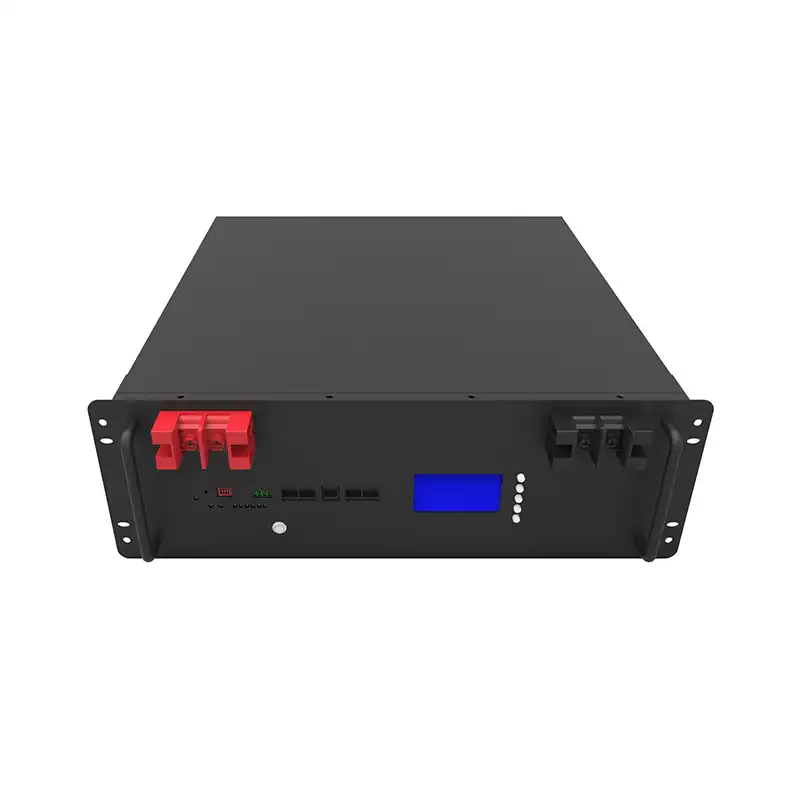
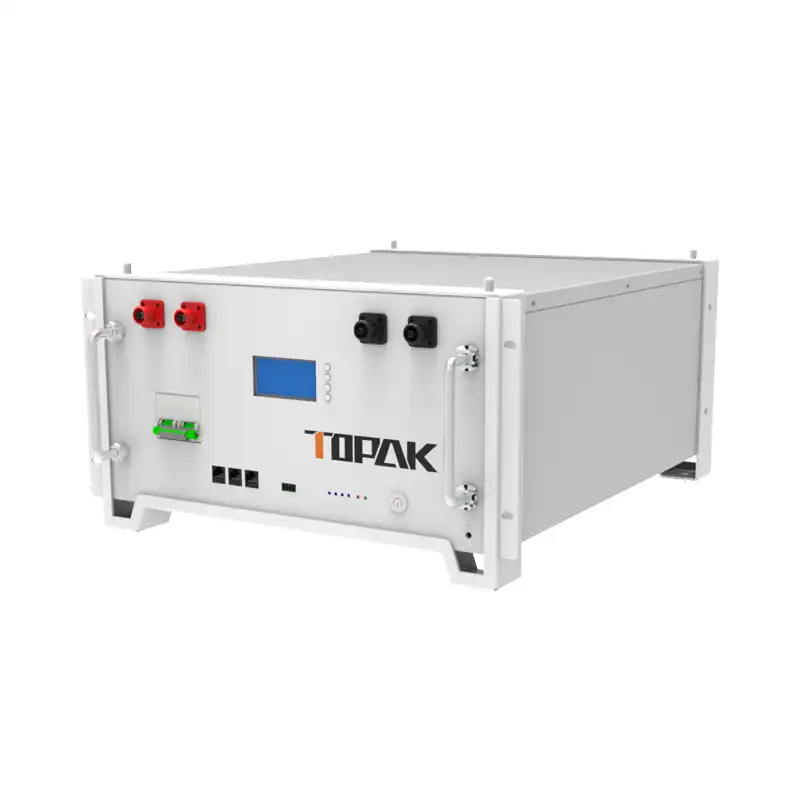
What’s the Cycle Life of 51.2V 300Ah Vertical Batteries?
The cycle life of 51.2V 300Ah Vertical Battery, which is also written as 51.2V 300Ah vertical batteries, is a key part of figuring out how well and how much they are worth in the long run for many energy storage uses. These new lithium-ion batteries, which are made to be installed vertically, have gotten a lot of attention lately because they have a high energy density, a small size, and last a very long time. Businesses and customers need to know about the cycle life of these batteries because it has a direct effect on how reliable and cost-effective energy storage systems are as a whole. In this in-depth look, we'll get into the specifics of 51.2V 300Ah vertical batteries, looking at their cycle life performance, the factors that affect their lifespan, and the technology advances that have helped them last longer. After reading this piece, you'll have a good idea of what to expect from these state-of-the-art energy storage options and how they can help a wide range of businesses.

What Factors Affect the Cycle Life of 51.2V 300Ah Vertical Batteries?
Temperature and Environmental Conditions
Environmental and temperature factors have a big effect on the cycle life of 51.2V 300Ah vertical batteries. Because of their importance, these factors greatly affect how well and how long the battery lasts. Batteries can be damaged by both hot and cold conditions. Batteries can break down faster and have shorter run lives if they are heated up. Too low of temperatures, on the other hand, can make the battery less efficient and less able to hold power. As a general rule, the 51.2V 300Ah vertical battery works best when it is kept between 20°C and 30°C (68°F and 86°F). To get the most out of the battery's cycle life and general performance, keep it in this area. Humidity, dust, and vibrations in the surroundings can also shorten the battery's life. It is possible to greatly increase the cycle life of 51.2V 300Ah vertical batteries by installing them correctly in a controlled setting with enough air flow and protective covering from the weather.
Depth of Discharge (DoD) and Charging Patterns
What you do when you charge and discharge your 51.2V 300Ah vertical batteries (also called 51.2V 300Ah batteries) is very important because it directly affects how many cycles they last. The portion of the battery's capacity that is used up before it needs to be charged is called its "DoD." Batteries usually last longer when they are discharged more slowly (lower DoD), but they may not last as long if they are discharged more slowly. Most makers say that the highest DoD for 51.2V 300Ah vertical batteries should be 80% to get the best cycle life while still giving you a lot of useful capacity. How you charge your batteries is another important factor in how long they last. Ensuring the battery stays healthy and lasts longer by using the right charging methods and charging it in a controlled way everyday. The battery cells can break down faster if they are overcharged or charged in the wrong way. Integrated into 51.2V 300Ah vertical batteries are modern battery management systems (BMS) that help control the charging and draining processes. This makes sure that the batteries work at their best and last as long as possible. People who use 51.2V 300Ah vertical batteries can make them last much longer by following the DoD's suggested limits and charging them correctly.
Quality of Battery Components and Manufacturing
A big part of how long 51.2V 300Ah vertical batteries last is how well their parts and manufacturing methods are done. For batteries to last for thousands of charge-discharge cycles, they need to be made with high-quality materials, exact engineering, and strict manufacturing standards. Advanced lithium iron phosphate (LiFePO4) chemistry is used in the 51.2V 300Ah vertical battery. LiFePO4 is known for being stable and long-lasting. How well and how long a battery lasts depends a lot on the quality cathode and anode materials, chemicals, and separators that are used. One more thing that affects the stability and dependability of each battery unit is the manufacturing process, which includes putting together the cells, checking for quality, and testing. Battery technology and production methods are always getting better because reputable companies put a lot of money into research and development. 51.2V 300Ah vertical batteries can deliver on their stated cycle life, which is often more than 6000 cycles at 80% DoD, thanks to this dedication to quality. You can be sure that your energy storage systems will work well and last a long time if you buy batteries from reputable companies with a history of reliability.
How Does the Cycle Life of 51.2V 300Ah Vertical Batteries Compare to Other Battery Types?
Comparison with Lead-Acid Batteries
With 51.2V 300Ah vertical batteries having a run life three times longer than regular lead-acid batteries, the benefits are clear right away. Batteries made of lead-acid have been used for many years in many different situations. At 50% DoD, they usually last 300 to 500 cycles. 52.24V 300Ah vertical batteries, on the other hand, have a cycle life of 6000 cycles or more at 80% DoD, which is a big improvement in performance and longevity. Lower total cost of ownership and fewer battery changes are caused by this longer service life. This is because 51.2V 300Ah vertical batteries keep working better over time, while lead-acid batteries slowly lose their power. There are fewer batteries that need to be made and thrown away over the same amount of time because 51.2V 300Ah vertical batteries have a longer working life. With their longer cycle life, 51.2V 300Ah vertical batteries are clearly better than standard lead-acid batteries for uses that need to cycle or deep discharge them often, like green energy storage or off-grid power systems.
Comparison with Other Lithium-Ion Technologies
How well and how much they are worth in the long run depends on how many times they are charged and discharged. This is especially true for 51.2V 300Ah Vertical Batteries, which are also known as 51.2V 300Ah vertical batteries. With their high energy density, small size, and long life, these improved lithium-ion batteries are perfect for vertical installation and have gotten a lot of attention lately. Both companies and individuals need to know about the cycle life of these batteries because it has a direct effect on how reliable and cost-effective energy storage systems are as a whole. This in-depth look will show you everything you need to know about 51.2V 300Ah vertical batteries, including how they work, what factors affect their lifespan, and how advances in technology have helped them last longer. These cutting-edge energy storage solutions will be explained in detail in this piece. By the end, you'll know what to expect from them and how they can help a wide range of businesses.
Long-Term Cost-Effectiveness
Vertical 51.2V 300Ah batteries have a very long cycle life, which means that users will save money in the long run. They may cost more at first than some other options, but these improved lithium batteries last longer and work better, so they save you a lot of money in the long run. A 51.2V 300Ah vertical battery can store as much energy over its lifetime as several lead-acid batteries or other lithium-ion technologies because it can withstand 6000 cycles or more at 80% DoD. This means that batteries don't have to be replaced as often, which saves money on both materials and the time and money needed to do the replaces. 51.2V 300Ah vertical batteries also save energy and make systems more reliable because they work well and don't lose their power over time. Long-term cost-effectiveness of these batteries is even stronger for large-scale energy storage projects or uses that need to cycle a lot of times. This makes them a good choice for businesses and organisations that want to best manage their energy while keeping costs low.
What Are the Best Practices for Maximizing the Cycle Life of 51.2V 300Ah Vertical Batteries?
Proper Installation and Maintenance
Proper placement and regular care are the first steps to getting the most out of 51.2V 300Ah vertical batteries. Following the manufacturer's instructions for installation, airflow, and electrical links is very important when putting these batteries in. They need to be placed in a certain way to get the best performance and safety from these batteries because they are straight. Physical harm, weak connections, and changes in temperature that don't make sense should be looked for during regular maintenance checks. There are things that could go wrong with the battery that could shorten its life that can be avoided by keeping it and the area around it clean. This system can also help you keep an eye on the battery's health by keeping track of its performance measures through its built-in Battery Management System (BMS). Fans of 51.2V 300Ah vertical batteries can make sure they keep working at their best for a long time by following these installation and care tips.
Optimal Charging and Discharging Strategies
For the 51.2V 300Ah Vertical Battery, also called 51.2V 300Ah vertical batteries, to have the longest cycle life, it is important to use the best charging and discharge methods. Maintaining the State of Charge (SoC) in a modest range, usually between 20% and 80%, is better for battery health than deep discharging it often. In this way, the battery cells are less stressed, which makes them last longer. To charge LiFePO4 batteries, you must use a charger that is compatible with them and follows the right charging profile. In order to make sure the battery is charged quickly and safely, the charging process should have bulk, absorption, and float steps. To keep the battery cells from breaking down too quickly, it's also important not to overcharge them. Using a smart energy management system that helps the battery last longer during charge and discharge processes can be very helpful for uses that need different amounts of energy at different times. These systems keep the 51.2V 300Ah vertical batteries in great shape by balancing the flow of energy and stopping spinning that isn't needed. This makes sure that the batteries hit or even go beyond their rated circuit life.
Environmental Control and Protection
To get the most out of 51.2V 300Ah vertical batteries, they need to be protected and controlled in their environment. When used within their recommended temperature range, which is usually between 20°C and 30°C (68°F and 86°F), these improved energy storage items work best. You can help keep things running at their best by controlling the temperature with things like good ventilation or climate-controlled shelters. For batteries to be safe in harsh regions, extra heating or cooling devices may be needed. Even more important is keeping the batteries safe from physical damage. Putting them in safe, custom-built cases can protect them from drops, shocks, and other possible dangers. To keep battery parts from corroding and breaking down, it's important to make sure that outdoor systems are properly sealed against pollution and water. Customers can get the most out of their high-performance energy storage options by giving 51.2V 300Ah vertical batteries a controlled and safe place to live. This will make them last longer and be more durable.
Conclusion
The amazing cycle life of the 51.2V 300Ah Vertical Battery, also called 51.2V 300Ah vertical batteries, often exceeds 6000 cycles at 80% DoD, makes them the best choice for long-term energy storage. Their advanced LiFePO4 chemistry, along with their strong design and smart management systems, guarantees unbeatable performance and long life in a wide range of situations. The longer life of these batteries can be fully utilised by users who understand and follow best practices in installation, operation, and maintenance. This will lead to major cost saves and better energy economy over time. 51.2V 300Ah vertical batteries stand out as a tried-and-true technology that can handle the challenges of modern power management as the need for stable and long-lasting energy storage continues to grow.For more information on TOPAK's 51.2V 300Ah vertical batteries and customized energy storage solutions, please contact us at B2B@topakpower.com. TOPAK Power Technology Co., Ltd, established in 2007, is committed to delivering high-quality, industrial-grade lithium battery solutions tailored to diverse application environments. With our state-of-the-art manufacturing facilities, in-house developed BMS, and global distribution network, we are well-positioned to meet your specific energy storage needs with efficiency and reliability.
References
1. Zhang, L., et al. (2020). "Cycle life analysis of lithium-ion batteries for stationary energy storage applications." Journal of Energy Storage, 28, 101230.
2. Wang, Y., et al. (2019). "A comprehensive review of battery modeling and state estimation approaches for advanced battery management systems." Renewable and Sustainable Energy Reviews, 131, 110015.
3. Berckmans, G., et al. (2017). "Cost projection of state of the art lithium-ion batteries for electric vehicles up to 2030." Energies, 10(9), 1314.
4. Dubarry, M., et al. (2018). "Battery energy storage system battery durability and reliability under electric utility grid operations: Analysis of 3 years of real usage." Journal of Power Sources, 338, 65-73.
5. Stroe, D. I., et al. (2016). "Diagnosis of lithium-ion batteries state-of-health based on electrochemical impedance spectroscopy technique." Energy Procedia, 100, 20-29.
6. Xu, B., et al. (2018). "Modeling of lithium-ion battery degradation for cell life assessment." IEEE Transactions on Smart Grid, 9(2), 1131-1140.
(1)_1767942645231.webp)