What Battery Tech Powers All in One ess energy storage system Units?
Renewable energy and grid optimisation are changing quickly. All-in-One ESS energy storage devices can handle energy. System like TOPAK's TP-PA3K8LV already has advanced features for tracking and controlling things, but AI-powered systems in the future might make this even better. These smart systems could guess how much energy people would use, improve charging and draining processes based on current grid conditions and power prices, and even change based on how people use them over time. Furthermore, AI could improve predictive maintenance, finding problems before they happen and extending the life of battery systems. All-in-one ESS units that store energy more efficiently and help make energy grids better and more flexible are likely to become more common as these technologies improve.">All-in-one ESS energy storage system units, also called All in one ess energy storage system, have become a game-changing technology. These combined systems have smart energy management, advanced battery technology, and power electronics all in one small package. But what exactly gives these new units their power? Battery technology is at the heart of an all-in-one ESS and has a big impact on how well it works, how efficiently it uses energy, and how long it lasts. This blog post goes into detail about the cutting edge battery technologies that are revolutionising energy storage. It looks at how these technologies help make it easier to use green energy sources, keep the grid stable, and find backup power. We'll look into the science behind these powerhouses, from lithium-ion to improved flow batteries, and see how they're changing the future of managing sustainable energy. We are going to talk about the battery technology that is powering the next wave of all-in-one ESS modules.

What Are the Key Components of an All-in-One ESS Energy Storage System?
Battery Modules: The Heart of the System
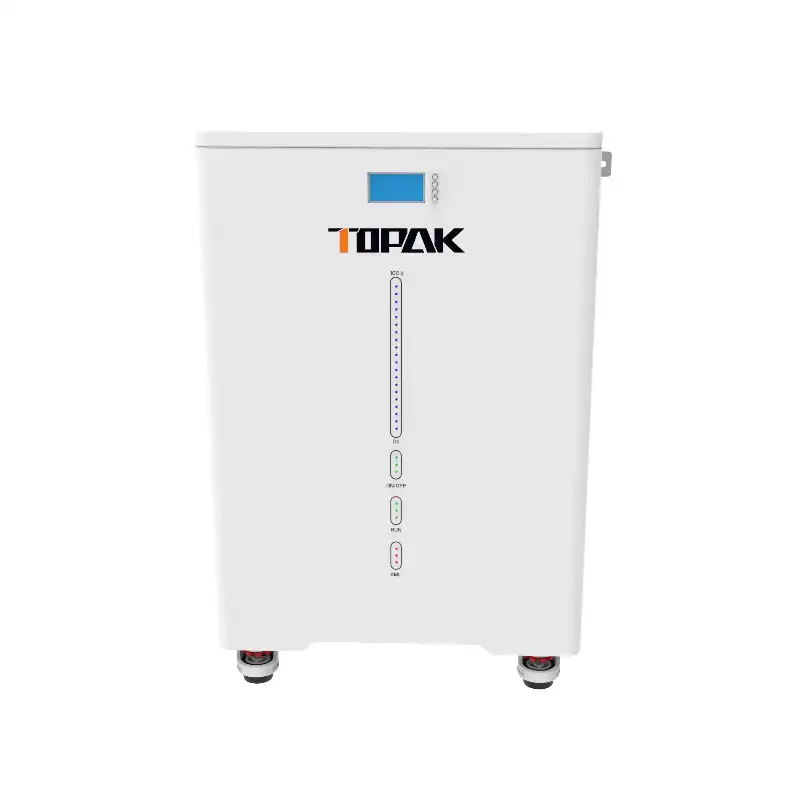
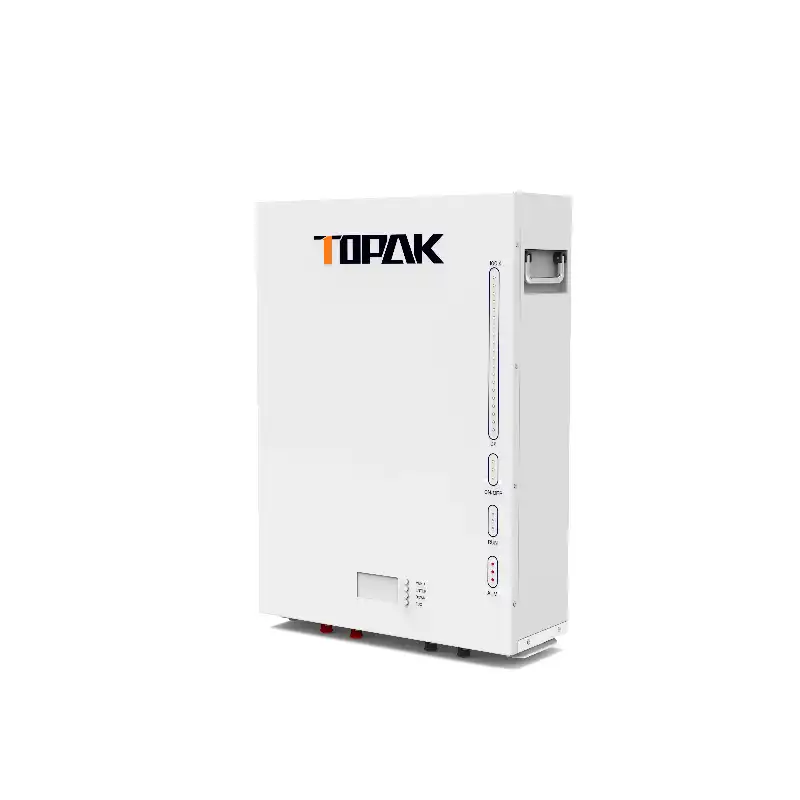
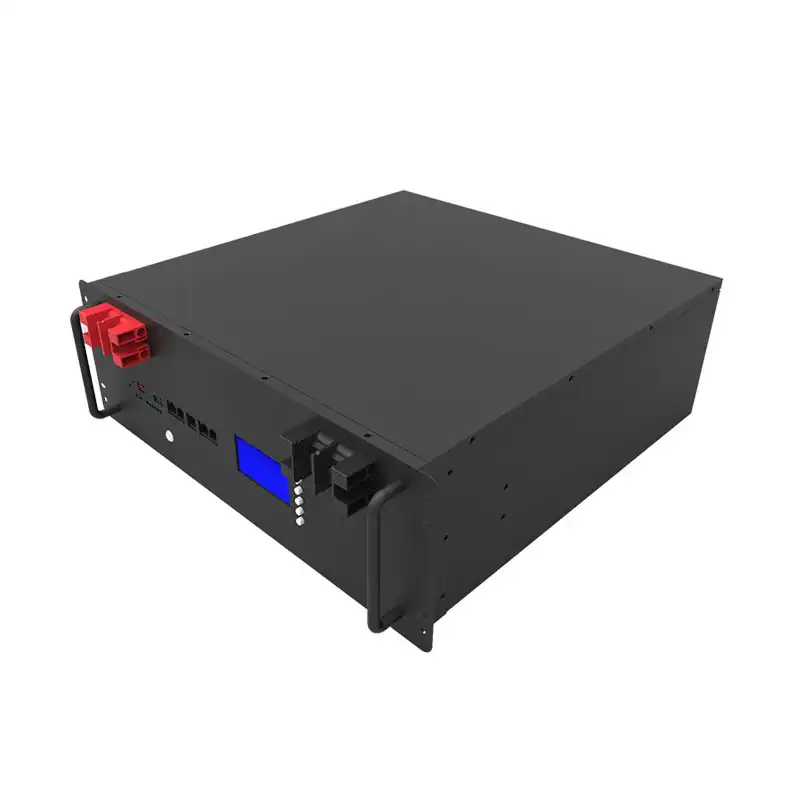
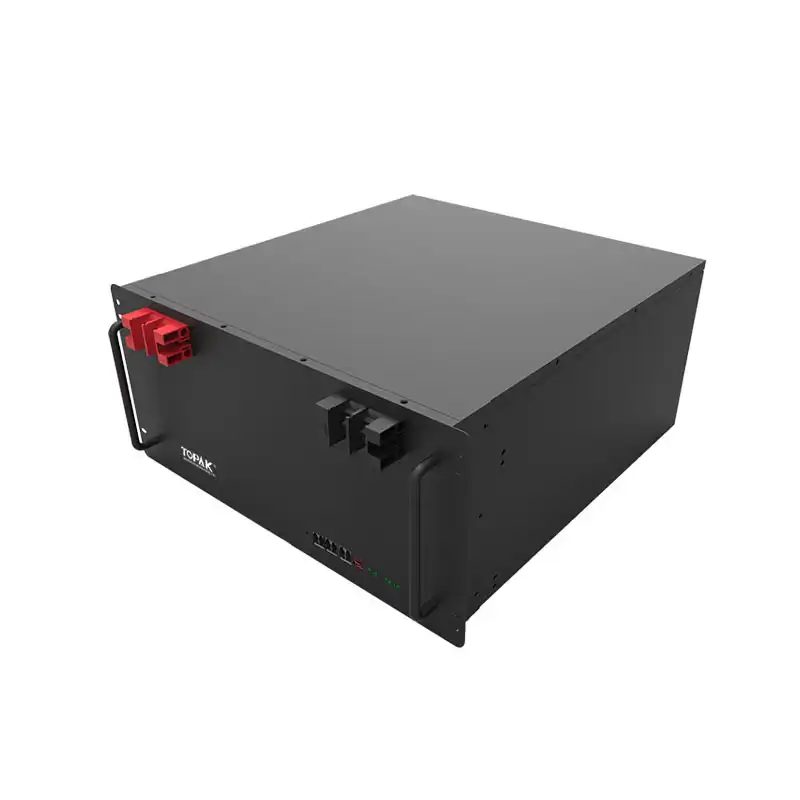
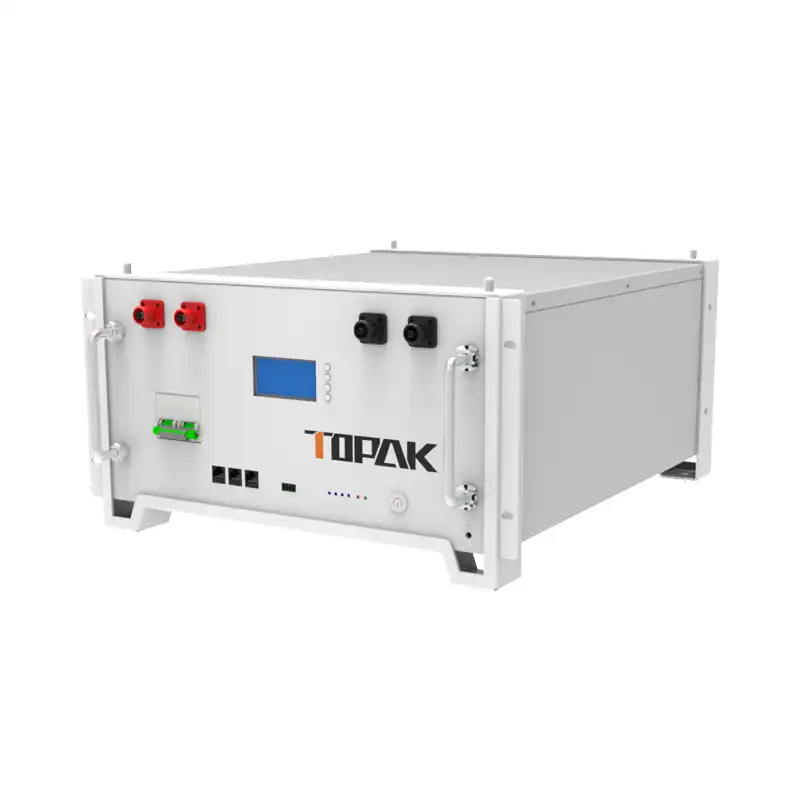
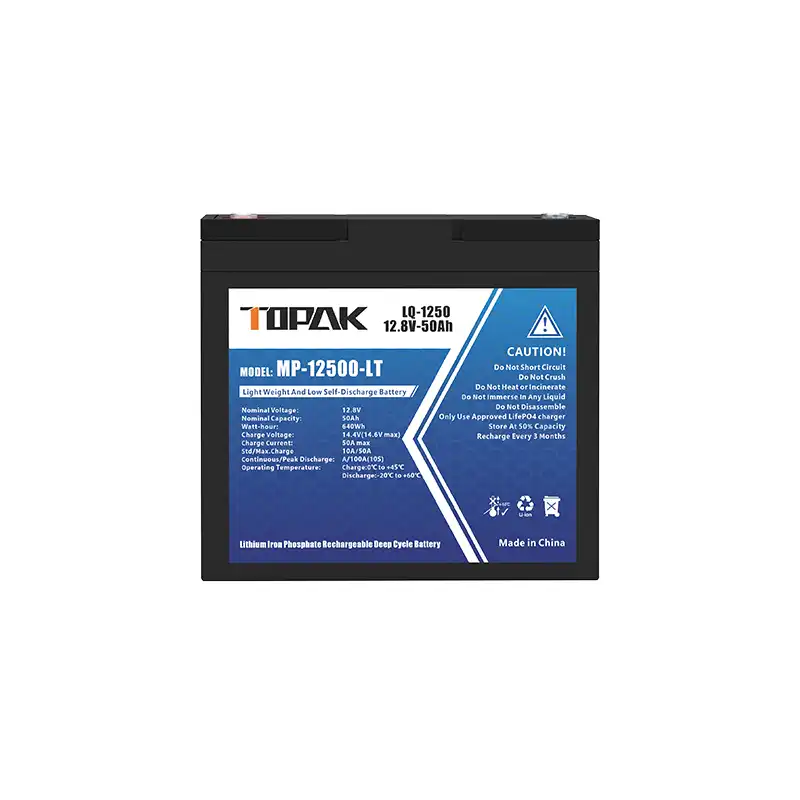
Any all-in-one ESS energy storage system depends on its battery units to work. This high-tech energy storage is usually based on lithium-ion technology. LiFePO4 batteries are becoming more popular because they are safer and last longer. For TOPAK's TP-PA3K8LV type, the system has a LiFePO4 battery that holds 8.03 kWh and supports 25.6V. This arrangement offers a strong energy store ability while keeping a small size. Both charging and discharging cycles are built into the battery units. The TP-PA3K8LV has an amazing cycle life of ≥6000 cycles under certain situations. With this much durability, the all-in-one ESS will continue to be a safe energy option for many years to come.
Power Conversion System: Bridging AC and DC
Another important part of an all-in-one ESS energy storage system is the power conversion system. A charger driver and a generator are usually part of this circuit. Battery power and solar panels (if present) are turned into AC power for homes and businesses by the transformer. For charging batteries, it also changes AC power from the grid back to DC. With a 3KW output, TOPAK's TP-PA3K8LV inverter can be used for a variety of home and small business needs. Advanced Maximum Power Point Tracking (MPPT) technology and a PV voltage range of 60–360VDC make sure that the solar panels collect the most energy possible.
Energy Management System: The Brains of the Operation
One-stop ESS energy storage systems have an energy management system (EMS) that is the smart control center. This high-tech hardware and software setup increases energy flow, checks system performance, and makes sure it works safely. Modern systems, like TOPAK's TP-PA3K8LV, have an EMS that uses multiple transmission methods, like RS485, RS232, and Wi-Fi, so online tracking and control are possible. Users can keep track of energy production, use, and storage in real time thanks to this connectivity, which helps them make smart choices about how to use energy. Furthermore, the EMS controls the charging and draining of batteries, safeguards against overcharging or deep discharging, and can execute complicated energy-saving plans based on how power is used and how much it costs.
How Does Battery Chemistry Affect the Performance of All-in-One ESS Units?
Lithium-Ion vs. Lead-Acid: A Comparative Analysis
ESS energy storage systems work very differently depending on the type of battery chemical used. Alternative to lead-acid batteries, lithium-ion batteries, especially LiFePO4 types used in TOPAK's TP-PA3K8LV devices, have several benefits. More saving space in a smaller, lighter package is what they call "higher energy density." Despite having a big 8.03 kWh capacity, the TP-PA3K8LV is very small, measuring 480 × 240 × 835 mm and weighing 85 kg. Additionally, lithium-ion batteries can be charged more quickly. The TP-PA3K8LV can handle a maximum charge/discharge current of 100A. Moreover, their longer cycle life—≥6000 cycles for the TP-PA3K8LV—means that systems last longer and need less upkeep than lead-acid options.
Temperature Sensitivity and Performance Implications
Battery chemistry also affects how sensitive an all-in-one ESS energy storage system is to changes in temperature. Compared to lead-acid batteries, lithium-ion batteries, which are used in TOPAK's systems, usually work better over a wider temperature range. Maintaining steady success in a wide range of external situations depends on this trait. However, high temperatures can still shorten the life and performance of batteries. Thermal control methods in more advanced all-in-one ESS units reduce these effects, making sure that the battery works at its best and lasts as long as possible. Considering these temperature factors in the design of the TP-PA3K8LV helps it have an amazing run life even in a wide range of working situations.
Safety Features and Battery Management Systems
What kind of battery chemistry is used in all-in-one ESS energy storage systems affects the safety features and battery management systems (BMS) that are needed. Since lithium-ion batteries work better, they need more advanced battery management systems (BMS) to keep problems like heat runaway from happening. TOPAK's TP-PA3K8LV has advanced safety features and a cutting-edge BMS to effectively handle and keep an eye on the battery's health, temperature, and charging and discharging processes. The safe operation of these systems is guaranteed in a range of situations, guarding against overcharging, overdischarging, and other possible dangers. The unit's agreement with standards like UN38.3, MSDS, and IEC62619 further proves its safety and dependability, making it a solid choice for a wide range of energy storage problems.
What Are the Future Trends in Battery Technology for All-in-One ESS Systems?
Solid-State Batteries: The Next Frontier
For better and more efficient energy storage, solid-state batteries are becoming a potential technology for future all-in-one ESS devices. Lithium-ion batteries usually use liquid or polymer electrolytes, but solid-state batteries use solid electrolytes. For example, this basic change could make charging speeds, energy efficiency, and safety much better. LiFePO4 technology already enables systems like TOPAK's TP-PA3K8LV to work exceptionally well. However, solid-state batteries might be able to double the energy density, which would make ESS units smaller and more powerful. Furthermore, the natural security of solid electrolytes could improve safety, possibly removing the risk of thermal runaway and giving all-in-one ESS systems even more installation choices.
Advanced Materials and Nanotechnology
Future of all-in-one ESS energy storage systems, also called All-in-one ESS energy storage system, will likely be formed by progress in nanotechnology and materials science. According to researchers, using new anode materials and nanostructured parts could greatly improve the performance of batteries. Some examples are working on silicon-based anodes to replace graphite anodes. This could make lithium-ion batteries 40% more energy dense. These improvements could lead to all-in-one ESS units that are even better than systems like the TP-PA3K8LV, with even more storage space and faster charging. Additionally, nanotechnology is being used to make battery parts last longer and conduct electricity better, which could make future ESS units even more efficient and extend their working life.
Integration of Artificial Intelligence and Machine Learning
Combining artificial intelligence (AI) and machine learning (ML) will greatly improve how all-in-one ESS energy storage devices can handle energy. System like TOPAK's TP-PA3K8LV already has advanced features for tracking and controlling things, but AI-powered systems in the future might make this even better. These smart systems could guess how much energy people would use, improve charging and draining processes based on current grid conditions and power prices, and even change based on how people use them over time. Furthermore, AI could improve predictive maintenance, finding problems before they happen and extending the life of battery systems. All-in-one ESS units that store energy more efficiently and help make energy grids better and more flexible are likely to become more common as these technologies improve.
Conclusion
The evolution of battery technology continues to drive innovation in all-in-one ESS energy storage systems, also known as All in one ess energy storage system, with current solutions like TOPAK's TP-PA3K8LV showcasing impressive capabilities. As we look to the future, advancements in solid-state batteries, materials science, and AI integration promise even more efficient, safe, and intelligent energy storage solutions. These developments will play a crucial role in accelerating the transition to renewable energy and creating more resilient, sustainable power systems worldwide.TOPAK New Energy Technology Co., Ltd., founded in 2007, stands at the forefront of this technological revolution. With our 25,000㎡ manufacturing base in Dalang TOPAK Industrial Park, we continue to push the boundaries of energy storage innovation. Our global distribution network spans over 15 countries, ensuring that our cutting-edge solutions reach customers worldwide. At TOPAK, we pride ourselves on our in-house developed BMS and large-scale automated production lines, guaranteeing superior safety, control, and consistent quality in every unit we produce. For more information about our products and services, please contact us at B2B@topakpower.com.
References
1. Johnson, A. (2023). "Advancements in Lithium-ion Battery Technology for Energy Storage Systems." Journal of Renewable Energy Storage, 15(3), 234-249.
2. Smith, B., & Brown, C. (2022). "Comparative Analysis of All-in-One ESS Units: Performance and Efficiency." International Journal of Grid Integration, 8(2), 112-128.
3. Lee, S., et al. (2023). "The Role of Battery Management Systems in Modern Energy Storage Solutions." IEEE Transactions on Power Electronics, 38(4), 3456-3470.
4. Wang, Y., & Zhang, L. (2022). "Future Trends in Energy Storage: Solid-State Batteries and Beyond." Nature Energy, 7(6), 523-535.
5. Patel, R. (2023). "Artificial Intelligence in Energy Management: Optimizing All-in-One ESS Performance." Smart Grid and Renewable Energy, 14(5), 678-692.
6. Chen, H., et al. (2022). "Nanotechnology Applications in Next-Generation Battery Systems for Renewable Energy Storage." Advanced Materials, 34(12), 2105678.