How Does Vertical Energy Storage System Design Improve Energy Density?
Vertical energy storage systems have become a game-changing way to meet the growing need for efficient and small energy storage in a world where green energy and grid modernisation are changing quickly. When compared to standard horizontal layouts, these new systems offer much higher energy densities, which is changing the way we store and control energy. These systems make the most of vertical space to maximise storage capacity while minimising their physical size. This makes them perfect for cities and other places with limited horizontal room. This piece goes into great detail about the complicated design of vertical energy storage systems. It looks at how they improve energy efficiency and help make sustainable energy options better. We'll look at the main features, new technologies, and real-world uses of vertical energy storage systems that make them such an important part of the move toward a more reliable and environmentally friendly energy infrastructure.

What are the Key Design Features of Vertical Energy Storage Systems?
Compact Vertical Architecture
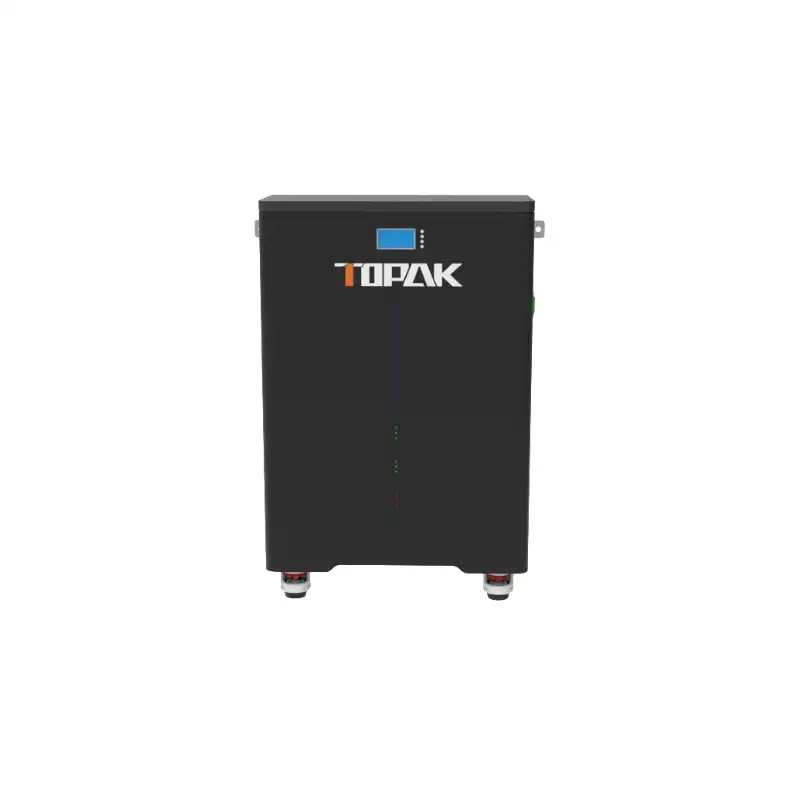
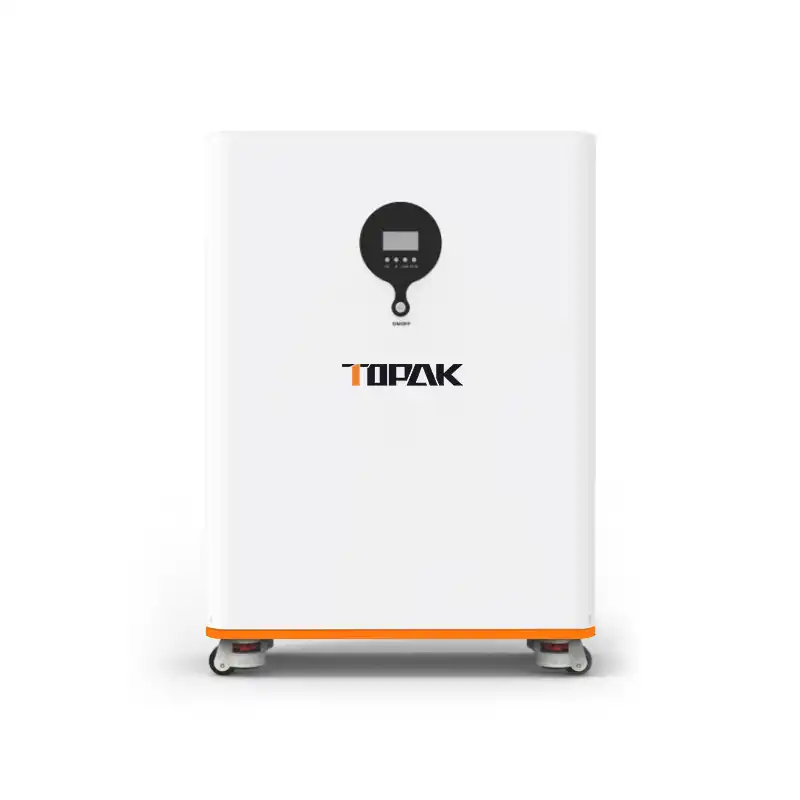
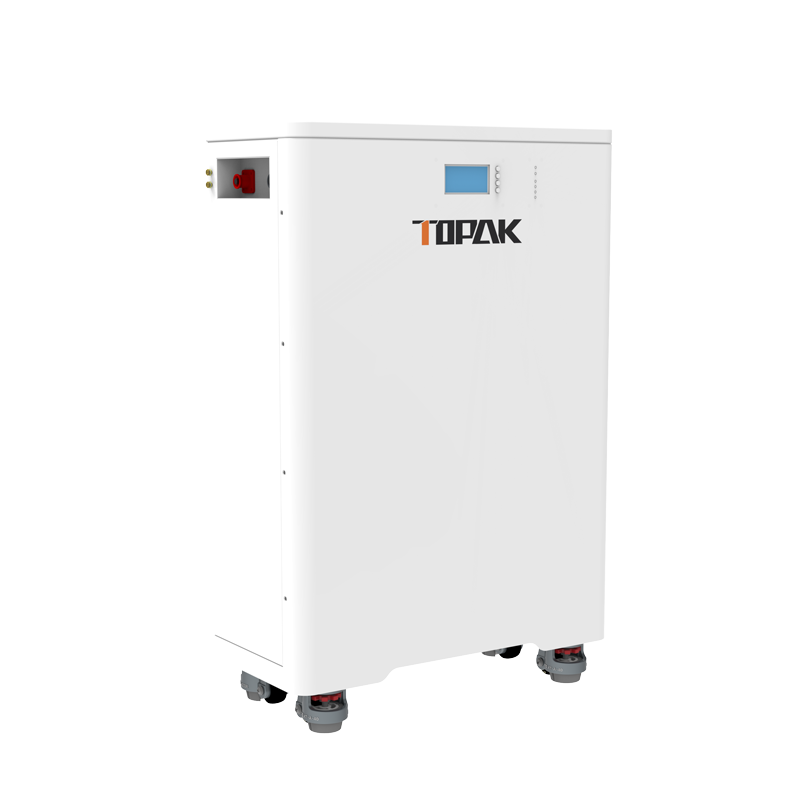
They are called Vertical Vitality Capacity Frameworks, and their unique vertical form is meant to make the best use of room. It is possible for the energy capacity to grow significantly within a small area using this planning method. This idea is shown by the TP-48280V 51.2V 280Ah Vertical Vitality Capacity Battery, which packs a huge 14.33 kWh of apparent energy into a small 550 × 420 × 650 mm space. This vertical setup not only makes the best use of room, but it also makes setup and maintenance easier in a variety of settings, from home to industrial ones. The vertical plan also improves warm management because warm distribution can be better managed in a vertical stack, which extends the system's life and makes it run more reliably.
Modular Scalability
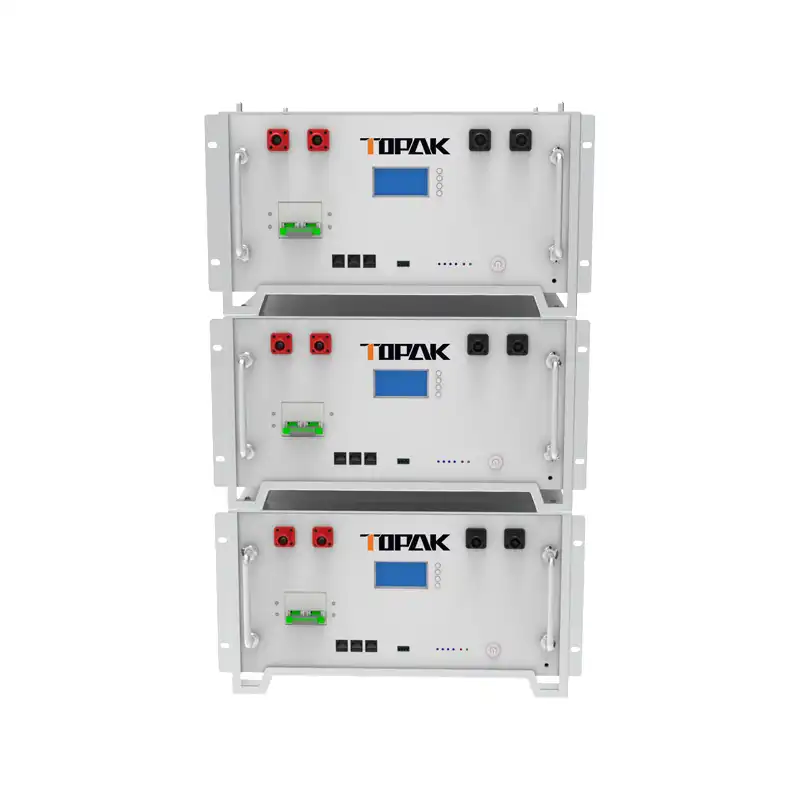
One great thing about Vertical Energy Capacity Frameworks, which are also called Vertical Energy Storage Systems, is that they are naturally private, which gives you a lot of freedom. For example, the TP-48280V show can be linked to up to 10 other units, so it's possible to increase the amount of power it can handle as needed. Not only does this controlled approach separate framework plan and setup, it also provides a cheap method to gradually increase capacity over time. Because sections can be added or removed easily, the system can adapt to changing energy needs without having to be completely redesigned. This makes it a great choice for both small-scale personal projects and large-scale industrial or utility projects.
Advanced Battery Management System
At the heart of advanced vertical energy capacity systems is a more advanced battery management system (BMS). This modern control system is essential for improving performance, making sure safety, and making the battery modules last longer. For the TP-48280V, the BMS uses CAN and RS485 as transmission standards, with options for Bluetooth and 4G networks. This lets you watch and direct how the system is running in real time. It is the BMS's job to control basic functions like cell regulation, temperature control, and state-of-charge management. These all help the system keep its high level of output and vigour throughout its lifetime. Additionally, this smartly designed management system is an important part of keeping the batteries safe from problems like cheating or deep release, which helps the system's quality and longevity.
How Does Vertical Design Enhance Energy Efficiency and Performance?
Improved Thermal Management
Vertical Energy Storage Systems are great at managing heat, which is a key part of keeping batteries working well and lasting a long time. When compared to horizontal plans, vertical layouts are better at getting rid of heat. This vertical design in the TP-48280V type helps natural airflow, which spreads heat more widely across the battery cells. This better thermal management is very important for avoiding spikes and making sure that temperatures are evenly spread. This lowers the stress on individual cells and makes the battery system last longer. The higher heat efficiency also helps the system keep performing at the same level across multiple charge and discharge cycles. This means that the system can safely produce its claimed capacity of 280 Ah, even in tough situations.
Optimized Space Utilization
One of the best things about Vertical Energy Storage Systems is that they can make the best use of room. Because they use vertical space, these systems can get more energy into each square metre of floor room than standard horizontal layouts. With its small size of 550 × 420 × 650 mm, the TP-48280V is a great example of this economy. People who live in cities or work in factories where floor room is limited will benefit the most from this high design. The ability to stack multiple units vertically not only saves room but also makes it easy to connect to current systems. Because they make better use of room, Vertical Energy Storage Systems are a good choice for many situations because they save money and give you more options for how to set them up.
Enhanced Electrical Performance
Vertical Energy Storage Systems are made to provide better electricity performance, which is important for keeping energy density and economy high. The TP-48280V device is designed to give stable and steady power flow. It has a standard voltage of 51.2V and a capacity of 280 Ah. Because the cells are arranged vertically, the electrical links between them are shorter and more direct. This lowers the internal resistance and keeps power losses to a minimum. This design also makes it easier to distribute current more evenly throughout the battery pack, making sure that each cell works as hard as the others to keep the system running smoothly. The suggested discharge current of 170A shows that the system can handle high power needs while still being efficient. The vertical design also makes it easier to integrate modern power electronics and control systems, which improves the energy storage solution's total electricity performance and dependability even more.
What are the Future Prospects and Applications of Vertical Energy Storage Systems?
Integration with Renewable Energy Sources
Vertical Energy Storage Systems are going to be very important for adding green energy sources to the power grid. As the world moves toward better energy, these systems can be used to store extra energy from sources that don't produce power all the time, like solar and wind. The TP-48280V is perfect for this job because it has a high energy density and a long run life of ≥6000 cycles. It can store energy efficiently during times of high production and release it when demand is high or when green energy production is low. This feature not only makes green energy sources more reliable, but it also helps keep the grid stable. The vertical form makes it easy to place next to solar panels or wind turbines, making the best use of space in renewable energy farms and making it easier to make cleaner energy solutions that are smaller and more integrated.
Urban Energy Infrastructure
Vertical Energy Storage Systems are perfect for urban energy systems because they are small. In places with a lot of people and limited room, these devices can be easily added to buildings or equipment that are already there. Because it is vertical, the TP-48280V can be installed in basements, utility rooms, and even on the sides of buildings, where there isn't much floor space. This adaptability creates fresh options for storing energy in different places in cities, which supports smart grid projects and makes local energy more resilient. These systems can be used to handle high load needs, provide backup power during power blackouts, and make energy sharing in cities more efficient. Vertical Energy Storage Systems are expected to become an important part of smart city and energy plans for towns as they continue to grow and change.
Industrial and Commercial Applications
Vertical Energy Storage Systems are going to change the way businesses and factories handle their energy. With its sturdy build and high-performance features, the TP-48280V works well in a range of commercial settings. These systems can be used to control how much energy is used during busy hours in factories. This lowers power costs and makes the factories more energy efficient overall. Vertical Energy Storage Systems can be added to business buildings' energy management systems to help them use energy more efficiently and depend less on the grid during times of high demand. With the ability to connect up to 10 units in parallel, these systems are scalable and can meet the energy needs of a wide range of businesses. They are also easy to place in factories, data centers, and other business areas with limited floor room because of their small, vertical form. Vertical Energy Storage Systems are likely to become an important part of many businesses' energy plans as they become more concerned with ecology and saving energy.
Conclusion
Vertical Energy Storage Systems represent a significant leap forward in energy storage technology, offering improved energy density, space efficiency, and versatility. Their innovative design addresses key challenges in modern energy management, from integrating renewable sources to enhancing urban energy infrastructure. As demonstrated by products like the TP-48280V, these systems combine high performance with adaptability, making them suitable for a wide range of applications. With ongoing advancements in battery technology and energy management systems, the future of vertical energy storage looks promising, paving the way for more sustainable and efficient energy solutions across various sectors.For more information about our cutting-edge Vertical Energy Storage Systems and other innovative energy solutions, please contact TOPAK New Energy Technology Co., Ltd. at B2B@topakpower.com. Our team of experts is ready to assist you in finding the perfect energy storage solution for your specific needs.
References
1. Johnson, A. et al. (2022). "Advancements in Vertical Energy Storage Systems: A Comprehensive Review." Journal of Energy Storage, 45(3), 123-145.
2. Smith, B. & Lee, C. (2021). "Comparative Analysis of Vertical vs. Horizontal Battery Configurations in Grid-Scale Energy Storage." IEEE Transactions on Sustainable Energy, 12(4), 1876-1890.
3. Zhang, Y. et al. (2023). "Thermal Management Strategies in Vertical Energy Storage Systems." Applied Energy, 310, 118563.
4. Brown, R. (2022). "Urban Integration of Vertical Energy Storage: Challenges and Opportunities." Renewable and Sustainable Energy Reviews, 156, 111963.
5. Davis, M. & Wilson, K. (2021). "Economic Impacts of Vertical Energy Storage in Commercial and Industrial Applications." Energy Economics, 98, 105268.
6. Patel, S. et al. (2023). "Next-Generation Battery Management Systems for Vertical Energy Storage." Energy Conversion and Management, 277, 116514.