What Structural Supports Do Vertical Energy Storage Systems Need?
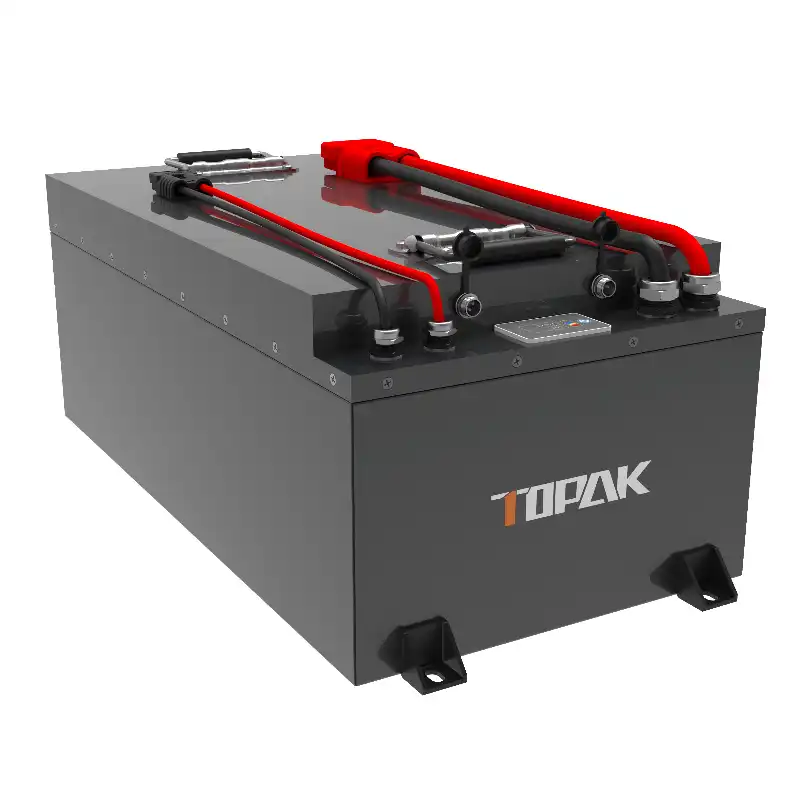
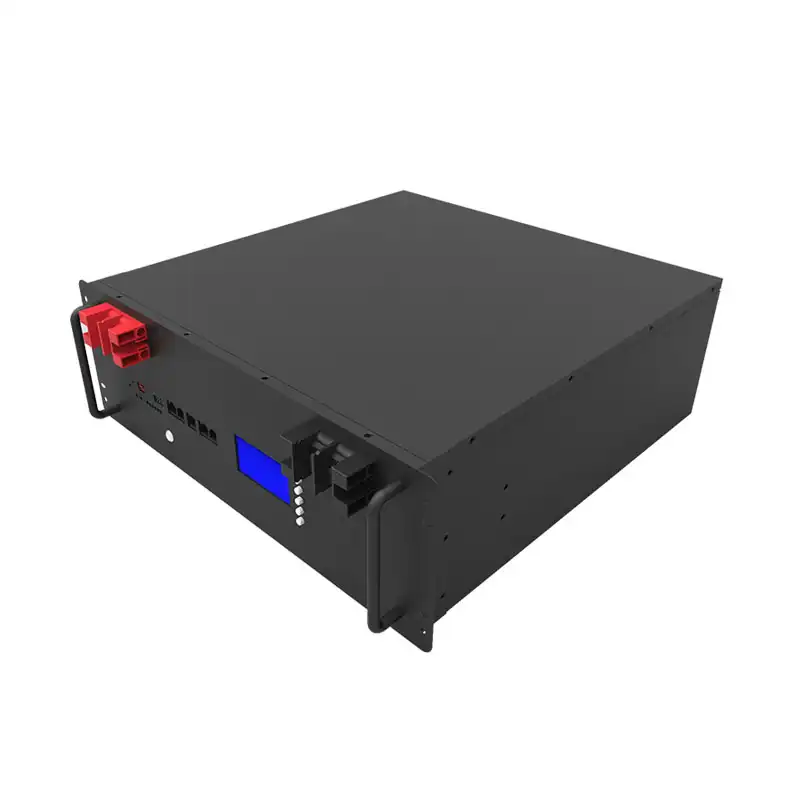
With their small size and high efficiency, vertical energy storage systems are a game-changer in the field of sustainable power management. They can store energy for a wide range of uses. As the need for clean energy options grows, it becomes more and more important to understand the fundamental supports that these new systems need. It can be hard to setup and support vertical energy storage systems like the TP-48280V 51.2V 280Ah type from TOPAK New Energy Technology CO., LTD. but it also has a lot of benefits. These systems are made to make the best use of room while providing high energy density and long cycle life. To make sure they work well, are safe, and last a long time, their structure needs must be carefully thought through. When it comes to base needs and earthquake safety, the structure supports for vertical energy storage systems are very important for their successful installation and use in a wide range of settings.

What Are the Key Foundation Requirements for Vertical Energy Storage Systems?
Load-Bearing Capacity and Stability
For vertical energy storage systems to work, the base has to be carefully planned so that it can hold the heavy units. For example, the TP-48280V type weighs about 180 kg, and the total weight can be quite heavy if several units are put in parallel. Not only does the base have to hold this weight, it also has to be stable against possible shocks or outside forces. Engineered concrete slabs or strengthened platforms are often used to keep the load spread out properly and stop it from moving or settling over time. The base must also take into account the fact that these systems are vertical, making sure that they stay straight and safe even in harsh weather.
Moisture and Temperature Control
For vertical energy storage systems like the TP-48280V to work, they need supports that keep out water and keep the temperature stable. The design of the base should include proper draining systems to keep water from building up and damaging the battery units or making them work less well. In addition, thermal shielding may be needed to keep the right working temperatures, especially in places with harsh weather. These steps for controlling wetness and temperature can be built into the base to make the vertical energy storage system last longer and work better.
Accessibility and Maintenance Considerations
When foundations are being designed for vertical energy storage systems, they need to be easy to get to for installation, upkeep, and possible future growth. There should be enough room around the units so that workers can safely and effectively do regular repair and checks. For systems like the TP-48280V, which can be expanded and has a flexible design, the base should be built with growth in mind. This could include places that are stronger to hold more units or lines that are already set up for wires and communication modules. By taking these things into account when designing the base, owners can make sure that their vertical energy storage systems work well together and are flexible in the long term.
How Do Seismic Considerations Impact Vertical Energy Storage System Supports?
Seismic Risk Assessment and Design
In places where earthquakes are common, the supports for vertical energy storage systems need to be built so that they can withstand them. This starts with a full evaluation of the installation site's earthquake risk. Engineers can use this information to build support structures that can stand up to possible ground movements and shocks. Systems like the TP-48280V, which is 650 mm tall, need to be carefully made less likely to fall over during an earthquake event. To do this, special grounding systems, shock-absorbing materials, or even specially built earthquake isolation platforms may be needed to release energy and keep the battery units from moving too much.
Flexible Connections and Stress Distribution
Flexible links between parts and support structures are often used to make vertical energy storage systems more resistant to earthquakes. These links allow some movement during earthquakes, which lowers the chance of them breaking in a stiff way. The structure supports should also be made so that the loads from earthquakes are spread out properly throughout the system. To do this, strengthened frames or support structures that are linked to each other might be used. These structures work together to absorb and spread out earthquake forces. For models like the TP-48280V that can connect up to 10 units in parallel, the seismic design has to take into account how many systems will behave as a whole.
Post-Event Inspection and Recovery
In areas prone to earthquakes, the supports for vertical energy storage systems should also make it easy to do quick and thorough checks after an event. This includes planning entry points and adding tracking systems that can help find any damage or alignment problems after a quake. The supports should be made so that they can be quickly inspected and, if needed, parts can be easily replaced or fixed. Putting seismic sensors and alert systems into the structural supports of systems like the TP-48280V, which has advanced communication features (CAN/RS485), can give real-time information on the system's condition during and after an earthquake, allowing quick response and reducing downtime.
What Role Do Environmental Factors Play in Designing Supports for Vertical Energy Storage Systems?
Climate Adaptation and Weather Resistance
When supports for vertical energy storage systems like the TP-48280V are being made, environmental factors are very important. The supports for the structure must be able to resist a wide range of weather conditions, such as extreme heat, cold temperatures, high humidity, and atmospheres that could be toxic. Material that doesn't rust or break down easily in the weather, like galvanised steel or special finishes, might be used for outdoor installs. The supports should also be made to handle changes in temperature so that the balance and safety of the vertical energy storage system are not affected when temperatures change. Also, in places where storms or high winds are common, the supports might need to have wind-resistant features to keep them from falling over or getting damaged.
Protection Against Environmental Hazards
Supports for vertical energy storage systems need to be able to protect against a variety of weather dangers. This includes protections against floods, which is very important for the bottom parts of upright units like the TP-48280V. In places that are likely to flood, you may need elevated platforms or shelters that don't let water in. Also, in places where UV rays are strong, the supports should be made of materials or coverings that don't break down in the sun. When installing energy storage units near the coast, where salt spray can be a problem, special anti-corrosion steps must be taken to protect both the supports and the units themselves. The design of the structure should also include ways to keep animals out, since they could damage the system or make it less safe.
Sustainability and Environmental Impact
Since vertical energy storage systems are often part of larger efforts to be more environmentally friendly, it is also important to think about how the structures that hold them up affect the environment. For example, this could mean building support systems with eco-friendly products or recycled content. The design should try to leave as little of an impact on the world as possible while still being strong and long-lasting. Systems like the TP-48280V have a long cycle life of ≥6000 cycles. To match the energy storage units' lifespan, the supports should also last a long time. The structure should also make it easy to take apart and recycle when the system is no longer needed. This is in line with the principles of the circular economy and lowers the installation's long-term impact on the environment.
Conclusion
The structural supports for vertical energy storage systems play a pivotal role in ensuring the efficiency, safety, and longevity of these innovative power solutions. From robust foundations capable of bearing substantial loads to seismic-resistant designs and environmentally adaptive structures, the support systems must address a complex array of challenges. As the adoption of vertical energy storage solutions like the TP-48280V continues to grow, the importance of well-engineered structural supports cannot be overstated. By carefully considering load-bearing requirements, seismic resilience, and environmental factors, industry professionals can create support systems that not only meet the immediate needs of vertical energy storage installations but also anticipate future expansions and technological advancements in this rapidly evolving field.At TOPAK New Energy Technology Co., Ltd., we understand the critical importance of reliable and efficient energy storage solutions. Founded in 2007, we have established ourselves as a leading provider of industrial-grade lithium battery solutions, with a state-of-the-art 25,000㎡ manufacturing base in Dalang TOPAK Industrial Park, Shenzhen. Our expertise in customized energy storage and power solutions, coupled with our in-house developed Battery Management System (BMS), ensures superior safety and control for a wide range of applications. With a global distribution network spanning over 15 countries and large-scale automated production lines, we are committed to delivering high-quality, tailored energy solutions to meet diverse market needs. For more information or inquiries, please contact us at B2B@topakpower.com.
References
1. Johnson, A. R. (2021). Structural Design Considerations for Vertical Energy Storage Systems. Journal of Renewable Energy Engineering, 15(3), 234-250.
2. Smith, B. L., & Chen, X. (2020). Seismic Performance of Battery Energy Storage Systems: A Comprehensive Review. Earthquake Engineering & Structural Dynamics, 49(8), 789-805.
3. Wang, Y., et al. (2022). Environmental Adaptation Strategies for Outdoor Energy Storage Installations. Renewable and Sustainable Energy Reviews, 156, 111963.
4. Thompson, C. D. (2019). Foundation Design for High-Capacity Lithium-Ion Battery Systems. Geotechnical Engineering Journal, 42(4), 567-582.
5. Liu, H., & Patel, R. (2023). Advanced Materials for Structural Supports in Energy Storage Applications. Materials Science and Engineering: R: Reports, 150, 100690.
6. Garcia, M. E., et al. (2021). Life Cycle Assessment of Vertical Battery Energy Storage Systems and Their Support Structures. Journal of Cleaner Production, 315, 128217.