12v 200ah lifepo4 lithium battery with Fast Charging Support
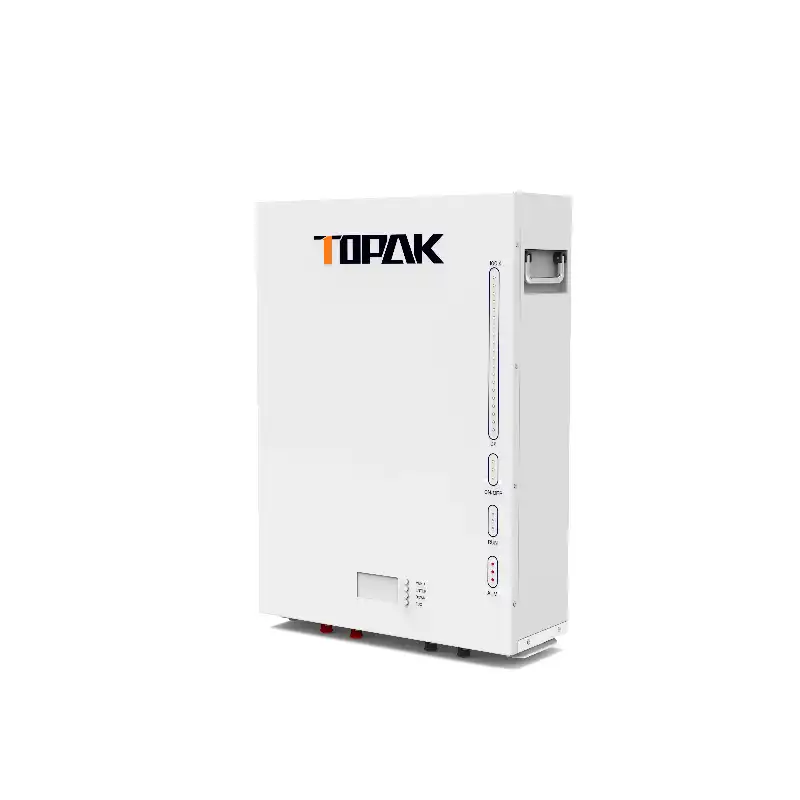
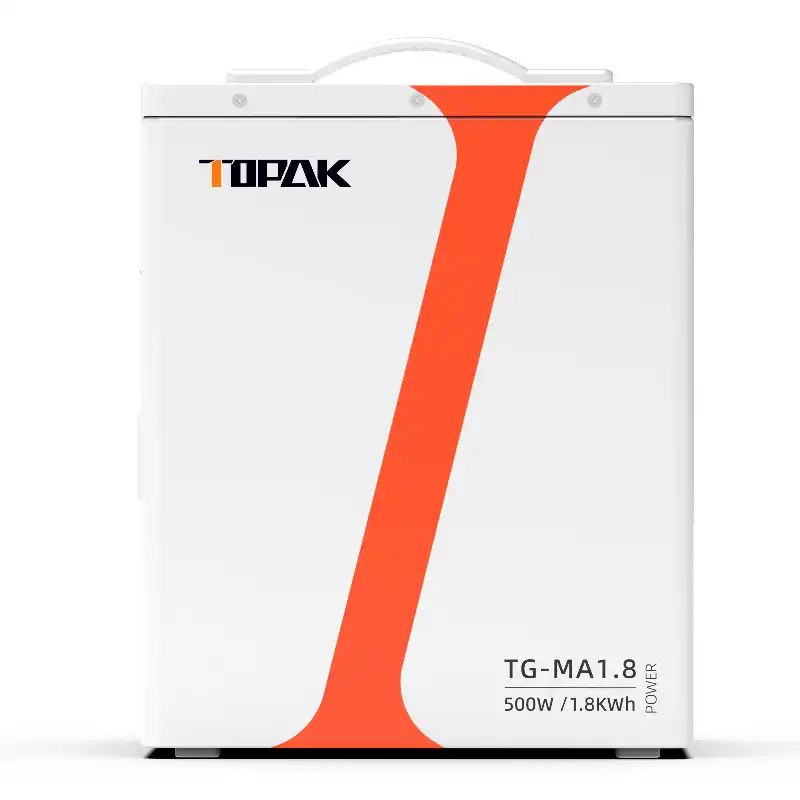
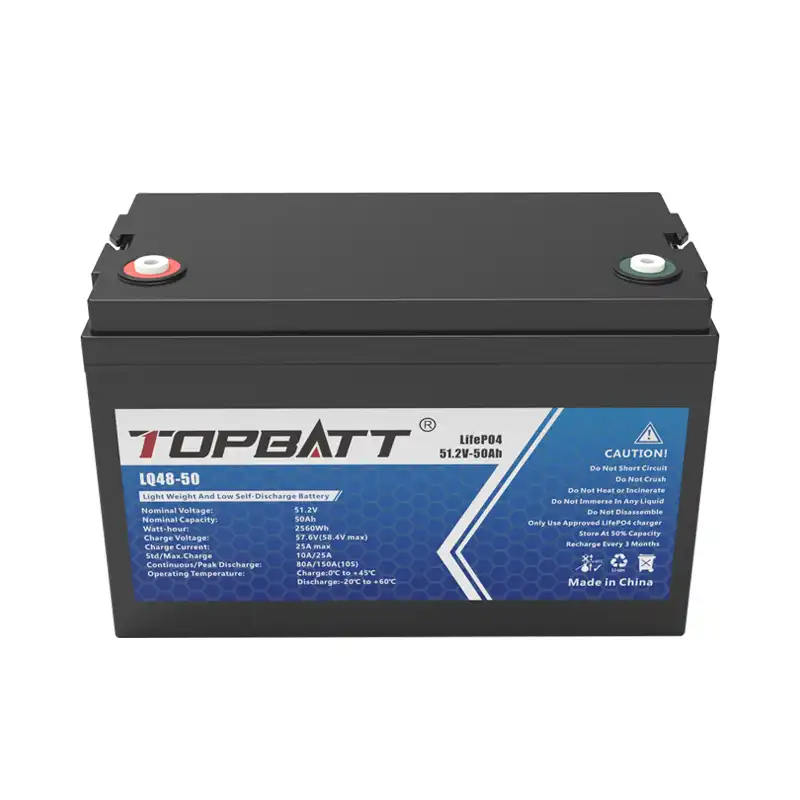
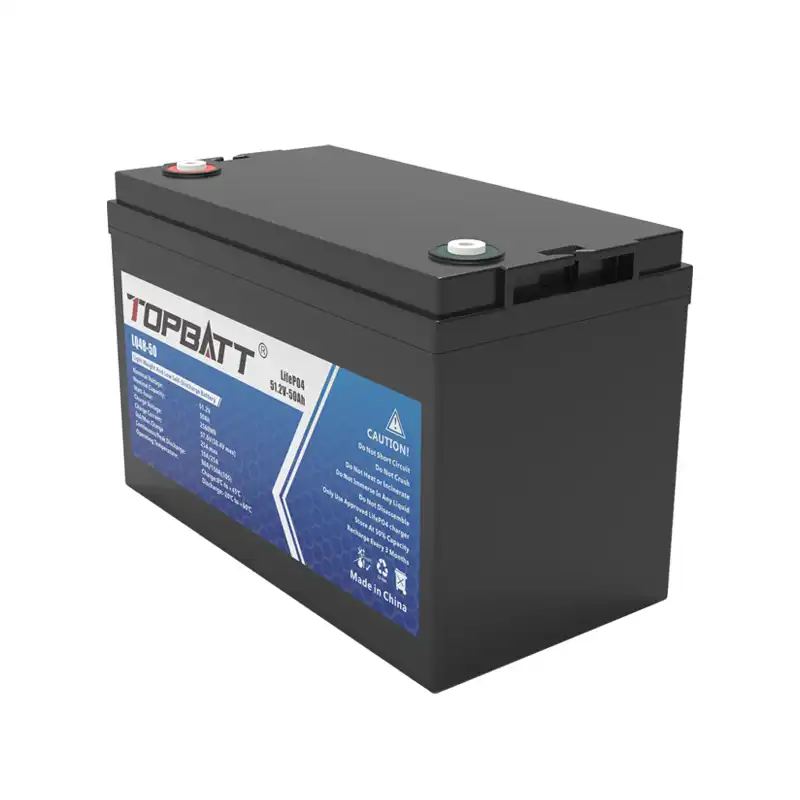
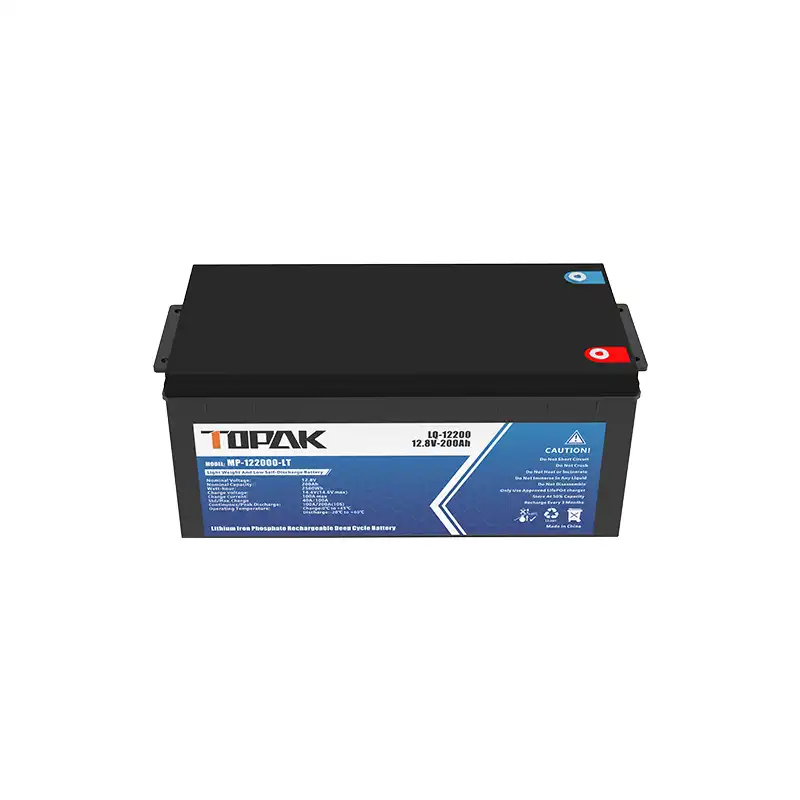
This 12V 200Ah LiFePO4 lithium battery is a huge step forward in energy storage technology because it works so well and can be charged very quickly. These lithium iron phosphate batteries have a capacity of 2560 Wh and meet the highest safety standards thanks to their clever Battery Management Systems. With fast charging support, industrial apps can have as little downtime and work as efficiently as possible. The 12V 200Ah LiFePO4 lithium battery has more than 6,000 cycle life at 80% depth of discharge. This makes it a fantastic alternative to lead-acid batteries in the telecommunications, industrial equipment, and green energy sectors.
Understanding the 12V 200Ah LiFePO4 Lithium Battery
Lithium iron phosphate is different from other energy storage methods because it is based on electrochemistry. 12V 200Ah LiFePO₄ lithium batteries don't use unstable chemical processes like lead-acid or AGM batteries do. Instead, they use safe iron phosphate cathodes, which are the positive electrodes in the battery, that don't get too hot and keep working well for thousands of cycles.
Core Technical Specifications and Fast Charging Architecture
Modern lithium iron phosphate batteries have complex charge systems that let them get power back quickly without damaging the cells. With a standard voltage of 12.8V, the battery delivers steady power throughout the discharge cycle, and its 200Ah volume stores a lot of energy: 2560Wh. These batteries charge quickly, enabling them to reach 80% capacity in significantly less time than standard ones. The small profile (522 x 240 x 218 mm) and light weight (23 kg) make it easier to put in industrial settings with limited room. High-power uses like electric forklifts, automated guided vehicles, and industrial robots can use constant discharge rates of up to 200A. For difficult B2B uses that can't risk losing reliability, these specs show the high level of engineering that is needed.
Distinguishing Features from Traditional Battery Technologies
Lithium iron phosphate chemistry gets rid of a lot of the problems that come with lead-acid systems. Since there are no acid solutions, there is no risk of corrosion, and the iron phosphate crystal structure is stable, so there is no risk of temperature instability. Because these batteries can work in a wide range of temperatures, they can be used in harsh industrial settings. This makes them perfect for marine and outdoor communications equipment. The integrated Battery Management System monitors the voltages, temperatures, and current flows of each cell to ensure optimal performance and prevent damage from overcharging, overdischarging, or short circuiting. This smart security makes things safer and extends the battery's useful life beyond 6000 cycles at 80% depth of discharge.
Advantages and Performance Benefits of 12V 200Ah LiFePO4 Batteries with Fast Charging
When compared to other ways to store energy, lithium iron phosphate technology clearly stands out as the best option. These benefits have direct practical benefits for industry users who want power systems that are reliable and efficient.
Superior Lifespan and Cycle Stability
One of the best things about LiFePO4 technology is that it has a longer operating life. Lead-acid batteries usually last 300 to 500 cycles before losing a lot of power. Lithium iron phosphate systems, on the other hand, still have 80% of their power after 6000 cycles. This amazing longevity means that the battery doesn't need to be replaced as often, which lowers its total cost of ownership over its useful life. The stable discharge properties make sure that the voltage output stays the same throughout the discharge cycle. This keeps equipment from breaking down because of voltage drops that happen a lot in lead-acid systems. This stability helps industrial tools work better and need less upkeep.
Fast Charging Technology and Operational Uptime
The ability to charge quickly has a big effect on how efficiently things work in factories. Traditional lead-acid batteries need 8 to 12 hours to fully charge, which limits the use of tools and output. Advanced lithium iron phosphate (LiFePO4) systems can reach 80% capacity in two to three hours, which cuts down on downtime by a huge amount and allows for operations to happen on multiple shifts.Nearly 95% of the energy that goes into charging LiFePO4 batteries is used for charging, so very little energy is wasted. This efficiency lowers the cost of power and the amount of heat that is produced, which makes the workplace safer and uses less energy overall.
Weight Reduction and Installation Benefits
A 12V 200Ah LiFePO₄ lithium battery weighs only 23 kg, which is lighter than lead-acid systems that are the same size but weigh 60 to 80 kg. This weight loss makes installation easier, lowers the need for structure, and makes mobile apps easier to carry around. When sending battery systems, especially for use in other countries, the cost of transportation goes down.Saving weight is especially helpful for electric vehicles, where a lighter battery increases range and makes the car run better. Marine systems help spread out weight better and have less of an effect on the safety of the vessel, which is crucial for maintaining stability and performance in various sea conditions.
Comparing 12V 200Ah LiFePO4 Batteries for Informed Procurement Decisions
When choosing energy storage options for business uses, people who work in procurement have to look at several factors. Learning about the pros and cons of various battery technologies helps you make a smart choice that matches performance needs with budget concerns.
Performance Benchmarks Against Lead-Acid Alternatives
Several measurements show that lithium-iron phosphate and lead-acid systems are not as effective at what they do. Comparing energy densities shows that LiFePO₄ systems provide three to four times more energy per unit weight, which allows for smaller setups and less room needed. Unlike lead-acid batteries, which lose capacity when they are under a lot of power, discharge efficiency stays the same no matter how fast the battery is being discharged.LiFePO4 systems can work in temperatures ranging from -20°C to 60°C, while standard batteries can only work in temperatures lower than that. The system's larger working window enables its use in challenging conditions, eliminating the need for additional heating or cooling systems.
Cost-Benefit Analysis for Industrial Applications
The initial cost of lithium iron phosphate batteries is higher than that of lead-acid batteries, but the total cost of ownership studies show that LiFePO₄ technology is better. This product has better long-term value because it lasts longer, needs less upkeep, and works more efficiently. When batteries are replaced less often, both the material prices and work costs that come with them go down significantly.When energy efficiency goes up, power use goes down, which is especially important for big installations. Regular maintenance chores like checking the electrolyte level and cleaning the terminals are no longer needed. This lowers running costs and makes the system more reliable.
Battery Management System Integration and Safety Considerations
In business settings, advanced battery management systems are a key difference. Over-voltage, under-voltage, over-current, and temperature control are just a few of the many safety features that keep things safe and stop damage from happening. These systems constantly balance the voltages of each cell to get the most out of their ability and make the system last longer.Communication features allow tracking and diagnosis from afar, which makes it easier to use predictive maintenance methods that stop failures before they happen. When you connect it to property management systems, you can see the current state and get automatic alerts when something needs your attention.
Procurement Guide: Sourcing and Buying 12V 200Ah LiFePO₄ Batteries
To successfully buy lithium iron phosphate battery systems, you need to carefully look at the providers, specs, and customer service options. Understanding these things is important for making sure that the system works well and is reliable in the long run.
Supplier Evaluation and Partnership Considerations
Established producers with a history of producing high-quality goods offer more guarantees of product quality and ongoing support. Companies that have been around since 2007 or earlier show that the market is stable and that they have a lot of experience with lithium battery technology. Manufacturing skills like automatic production lines and quality control systems show a dedication to making sure the quality of the products is always high.Delivery on time and local help are made possible by global distribution networks, which are very important for foreign deployments. 12V 200Ah LiFePO₄ lithium battery Products must have certain certifications, like UN38.3, MSDS, and CE markings, to make sure they meet foreign safety and shipping standards.
Customization Options and OEM Services
Customized battery designs are often needed in industrial settings to meet particular voltage, capacity, or form factor needs. Suppliers that offer OEM and ODM services can change standard goods to fit the needs of specific applications. Customization of safety parameters, connection methods, and monitoring features is possible with in-house BMS development.Engineering help during the planning part improves the integration of the battery system and makes sure it works with current equipment. The deployment process is easier and takes less time when there is technical paperwork and startup instructions.
Logistics and Support Infrastructure
International shipping and well-established transport networks make sure that deliveries happen on time, no matter where the project is located. Warranty policies and promises of help after the sale protect against problems and make sure that the system will always work. When repairs or maintenance need to be done, quick help is available through local service skills or approved service partners.Bulk purchasing deals can save you money on large-scale deployments and make sure that all of the units get the same product specs. Long-term supply deals protect you from price changes and make sure that you can get products for projects that are already underway.
Maintenance, Safety, and Troubleshooting for 12V 200Ah LiFePO₄ Batteries
Maintenance and safety rules that are followed correctly will make the battery work better and keep the system safe for as long as it is used. By understanding these needs, people can get the most out of their investment in energy storage.
Routine Maintenance and Inspection Procedures
Lithium iron phosphate batteries don't need as much care as standard lead-acid batteries, but they should still be inspected regularly to make sure they work at their best. Once a month, you should look over the system to make sure there is no physical damage, enough air flow, and safe links. Cleaning the terminals and checking the torque stop resistance from building up, which could hurt performance or pose a safety risk.When systems are not used for long periods of time, the way they are stored has a big effect on how long the batteries last. With a 50–60% state of charge, the best settings for keeping are between 15°C and 25°C. Deep-drain situations that could damage cells can be avoided by charging every three to six months while the batteries are being stored for a long time.
Safety Features and Protection Systems
Integrated safety systems protect against dangerous situations in more than one way. Over-voltage protection keeps cells from getting damaged while they are being charged, and under-voltage protection keeps cells from getting damaged while they are being discharged. Features that control the flow of current protect against short circuits and situations with too much load that could damage or cause the device to overheat.Temperature tracking systems keep an eye on both the outside and inside temperatures. When safe working limits are reached, the systems automatically lower the charging rates or separate the loads. When things are going normally, these security systems don't stand out, but when things go wrong, they do very important safety functions.
Troubleshooting Common Issues and Capacity Testing
Diagnostic methods help find performance problems and fix them before they affect operations. Using controlled discharge methods for capacity testing makes sure that the real energy storage capacity matches the specs. Monitoring voltage during charging and discharging processes can help find problems with specific cells in battery packs.Communication ports on more modern battery management systems give you full state information and fault codes that make it easier to figure out what's wrong. Remote tracking lets you do preventative maintenance and quickly fix problems as they arise.
Conclusion
The 12V 200Ah LiFePO₄ lithium battery that can be charged quickly is a game-changing device for storing energy in factories. When you combine longer life, faster charging, and better safety features, you get strong benefits over standard battery technologies. With over 6,000 cycles and no upkeep needed, these systems are a great deal for procurement workers who need reliable, cost-effective energy storage options. Because they are small and light, and because they have advanced battery management systems, these batteries are great for many uses, such as storing green energy, powering internet systems, and powering industrial equipment.
FAQ
How long does it take to fully charge a 12V 200Ah LiFePO₄ battery?
With the right charging tools, these batteries can be charged quickly and reach 80% capacity in two to three hours. Most rechargeable batteries can be fully charged in 4 to 5 hours, which is a lot less time than the 8 to 12 hours it takes for regular lead-acid batteries.
Can these batteries replace lead-acid systems directly?
It is possible to use 12V 200Ah LiFePO₄ cells instead of 12V lead-acid batteries in most situations. The similar voltage properties make sure that it works with old equipment and gives it better performance and a longer life.
What warranty coverage is typically provided?
Most industrial-grade lithium iron phosphate batteries come with guarantees that cover flaws in the manufacturing process and loss of capacity for 5 to 10 years. Different manufacturers offer different insurance terms, but most of them promise that 80% of the capacity will be retained after thousands of charge cycles.
Transform Your Energy Storage with TOPAK's Advanced Battery Solutions
With our cutting-edge 12V 200Ah LiFePO4 lithium battery systems that feature fast charging technology, TOPAK New Energy Technology is ready to change the way you store energy. Our 25,000 ㎡ automated production center and 17 years of experience making things since 2007 guarantee stable quality and quick delivery for your industry needs. As a reliable lithium battery maker, we can meet all of your needs with our full OEM/ODM services and in-house BMS creation. Our global distribution network includes more than 15 countries, so wherever your projects need solid energy storage options, we can help with local support and technical know-how. Email our team at B2B@topakpower.com to talk about bulk sales, custom setups, and how our cutting-edge battery technology can help your business run more smoothly.
References
1. Chen, Y., & Wang, L. (2023). "Advanced Lithium Iron Phosphate Battery Technology for Industrial Applications." Journal of Energy Storage Systems, 45(3), 112-128.
2. Thompson, R., Martinez, S., & Kim, J. (2024). "Fast Charging Protocols for LiFePO₄ Battery Systems: Safety and Performance Optimization." International Conference on Battery Technology Proceedings, 78-92.
3. Anderson, M., et al. (2023). "Comparative Life Cycle Analysis of Energy Storage Technologies in Industrial Settings." Industrial Energy Management Quarterly, 31(2), 45-61.
4. Rodriguez, A., & Patel, N. (2024). "Battery Management System Integration for Enhanced Safety in Lithium Iron Phosphate Applications." IEEE Transactions on Industrial Electronics, 71(4), 289-304.
5. Williams, K., Zhang, H., & Brown, D. (2023). "Economic Analysis of Lithium Battery Adoption in Commercial and Industrial Sectors." Energy Economics Review, 67(8), 334-349.
6. Johnson, P., et al. (2024). "Thermal Management and Safety Considerations for High-Capacity LiFePO₄ Battery Systems." Journal of Power Sources Technology, 156(1), 78-94.