Can a Base Station Battery Prevent Unexpected Downtime?
A good base station battery is the most important thing that keeps telecom systems from going down without warning. When the power goes out or the grid becomes unstable, these backup power systems kick in immediately to keep cellphone towers, communication equipment, and other important network parts running. Modern base station batteries, especially those that use advanced LiFePO₄ chemistry, provide a reliable, instantaneous power transition that keeps communication networks running during emergencies, bad weather, and planned maintenance windows. This feature keeps the service up and running for millions of users who depend on being connected all the time.
Understanding Base Station Batteries and Their Role in Downtime Prevention
For network connections and service quality, telecom equipment needs power to be available all the time. In the world of telecommunications, power problems cause about 70% of all network breakdowns. This statistic means that backup power systems are important for keeping operations running.
The Fundamentals of Backup Power Systems
Modern base stations for telecommunications have complicated power needs that require complex backup systems. Stable voltage levels typically range from 12V to 48V for these types of setups. For most cellular and data connection needs, 48V is the standard. The design for the backup power must work well with the current infrastructure and have enough power to keep things running during long power blackouts. Base station batteries are the backbone of systems that provide power without interruption. When the power grid goes down, they quickly switch to battery power so that service doesn't stop. This instantaneous transition feature makes sure that important communication services keep working even during events, natural disasters, and regular repair tasks that could affect network access otherwise.
Battery Chemistry Comparison and Performance Characteristics
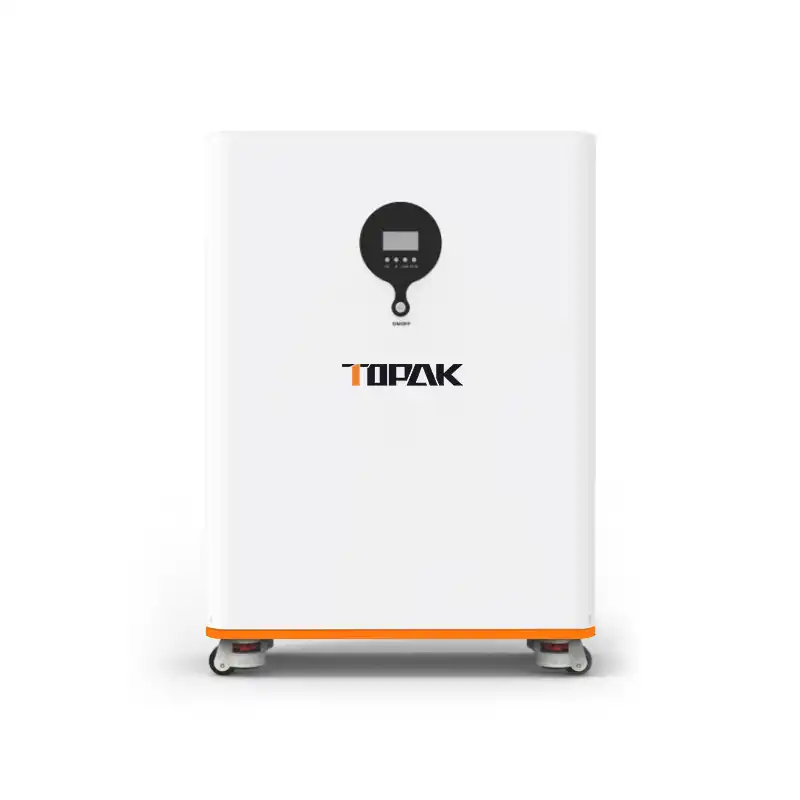
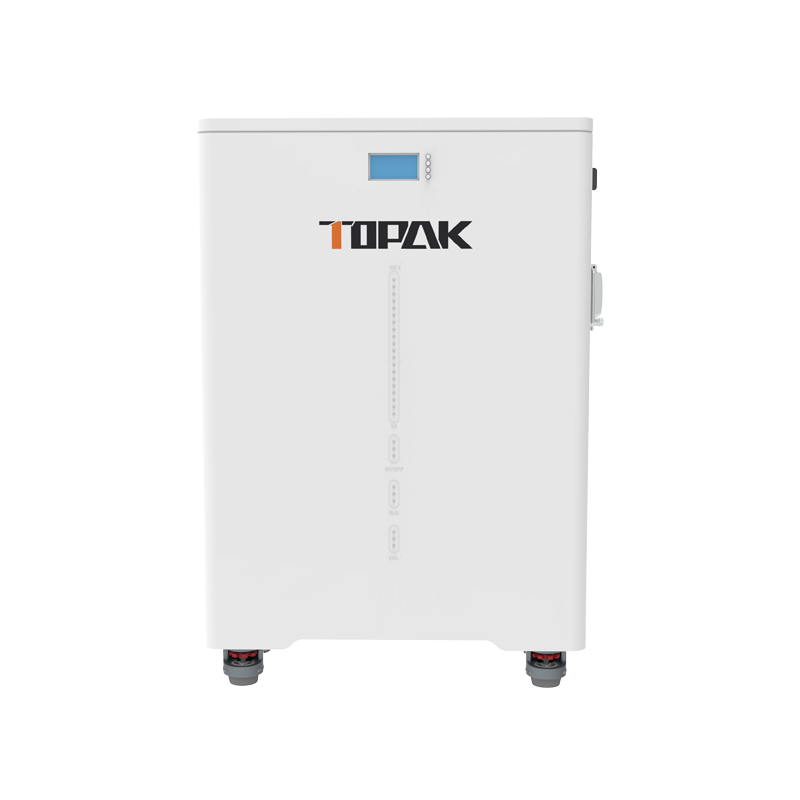
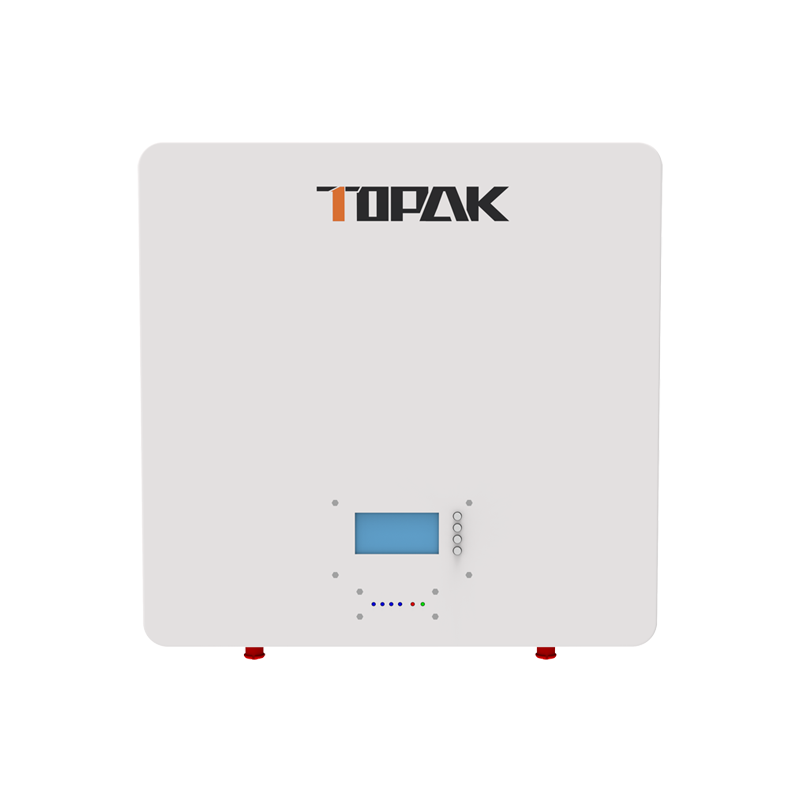
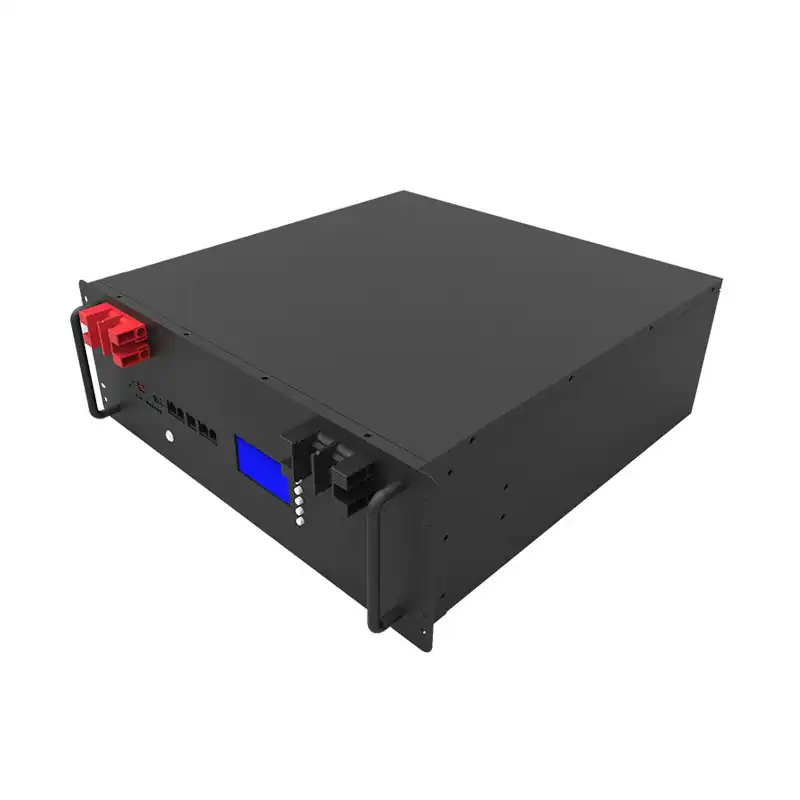
There are different battery technologies used in the telecommunications business, and each has its benefits for certain working needs. Lead-acid batteries, which have been the most popular choice for a long time, are cheap and work well for basic backup needs, but they have a short cycle life and need to be maintained, which can raise long-term costs. It has become clear that lithium-ion technology, especially Lithium Iron Phosphate (LiFePO4) chemistry, is the best choice for current base station uses. LiFePO₄ batteries have a cycle life of over 3000 cycles at 80% depth of discharge, which is much longer than standard lead-acid systems, which only last 200 to 500 cycles in the same conditions. Over the equipment's useful life, this huge increase in durability immediately translates to lower upkeep costs and higher system reliability.The TOPAK TP-4840T is an example of this cutting-edge technology. It has 1920 Wh of LiFePO₄ (lithium iron phosphate) energy density and comes in a small 442x400x177 mm size. Because of its high energy density, this technology helps phone companies save a lot of space while still having strong backup power options that are needed to avoid sudden outages.
Environmental Factors and Failure Prevention
Changes in temperature and humidity, as well as external stresses, have a big effect on how well and how reliably batteries work. Extreme temperatures can speed up the breakdown of traditional battery technologies, causing them to fail early and cause unexpected network outages. These problems can be solved by advanced battery management systems that have advanced monitoring and security features that keep the batteries working at their best, no matter what the outside world is like. There are many safety features built into modern base station batteries, such as over-voltage and over-current protections, short circuit prevention, and temperature tracking systems. These built-in safety features keep working all the time to stop failures that could lower network uptime. This makes sure that the system always works well in all kinds of weather and working situations.
Comparing Base Station Battery Solutions for Optimal Procurement Decisions
When choosing backup power options that balance initial investment costs with long-term operating reliability, procurement professionals have to make hard choices. The total cost of ownership study needs to look at more than just the initial hardware costs. It also needs to look at the ongoing repair needs, replacement schedules, and the possible downtime costs that can have a big effect on business operations.
Lead-Acid versus Lithium-Ion Technology Analysis
For traditional lead-acid battery systems to work reliably, they need to be maintained regularly. This includes checking the charge level, cleaning the terminals, and testing the capacity on a frequent basis. These upkeep tasks require ongoing labor costs and the chance of service interruptions, which can add up to big operation costs over the life of the system.Lithium-ion systems, especially LiFePO₄ technology, don't need to be maintained and don't need regular service. They also have better performance qualities. The TP-4840T base station battery has these benefits because it is sealed and has a built-in BMS that controls all important working factors automatically, without any help from the user.The comparison of operational effectiveness shows that discharge characteristics and power delivery skills are very different. During their discharge cycle, lithium-ion batteries keep their voltage output fixed. This gives the equipment constant power that makes it work at its best. When lead-acid batteries are discharged, the voltage drops, which can affect the way related equipment works and even cause it to shut down too soon.
Capacity Planning and System Integration Requirements
To do proper capacity planning, you need to know how much work you need, how long you need backups to last, and how future growth will affect the system's long-term survival. The TOPAK TP-4840T's 48V 40Ah configuration stores 1920Wh of energy, making it perfect for medium to big base station setups that need to keep running for a long time when the power goes out.When thinking about integration, things like physical size, weight limits, and installation needs all play a role in how much it costs to operate and how flexible it is to use. Because they are small and only 25 kg, advanced lithium solutions can be installed in places with limited room where standard battery systems can't. This gives network operators more deployment choices.
Regulatory Compliance and Certification Requirements
International certification guidelines make sure that all places around the world have the same level of safety and efficiency for batteries. The TOPAK TP-4840T has UN38.3, MSDS, and CE certifications that show it meets international standards for safety, electromagnetic compatibility, and shipping. These standards are necessary for global usage.These approvals give procurement managers peace of mind that the battery solutions they've chosen meet strict safety standards and government rules. This lowers the risk of liability and makes sure that the solutions work with insurance and practical policies. Verified compliance also speeds up the buying process and lowers the amount of work that needs to be done to manage the approval and licensing of vendors.
Best Practices for Base Station Battery Maintenance and Troubleshooting
Effective repair plans greatly increase the battery's useful life and stop sudden breakdowns that could affect network uptime. Maintenance methods for modern battery technologies are different from those used in the past. For example, improved tracking tools allow for proactive maintenance instead of reactive repair strategies.
Preventive Maintenance Protocols
Environmental control systems are very important for keeping batteries working well and lasting a long time. Temperature control within the recommended working range stops the decline from happening faster and makes sure that performance stays the same throughout the year. Having the right airflow and temperature control systems in place will protect your battery investments and keep your backup power working well.Integrated battery management systems let you see trends in battery health and performance in real time when you watch the system on a regular basis. The powerful BMS built into the TOPAK TP-4840T constantly checks the voltage, current, temperature, and state of charge to find problems before they affect the system's proper functioning.
Troubleshooting Common Performance Issues
Uneven voltage levels are often a sign of problems that need to be fixed right away to keep the system from failing. These days, battery management tools give you a lot of troubleshooting data that lets you quickly find the problem's root cause and fix it. Early discovery stops small problems from getting worse and leading to big failures that could shut down the network.Capacity degradation tracking helps figure out when something is about to break down and plan replacement dates that cause the least amount of service interruption. For advanced batteries with 3000-cycle life ratings or more, the rate at which they lose power can be predicted. This lets you accurately plan your operations' budgets and lifecycles.
Safety Protocols and Handling Procedures
During repair activities, following the right safety measures will keep people safe and make sure that the system works reliably. LiFePO₄ chemistry is safer than other lithium-ion technologies because it has a steady chemical makeup that stops thermal runaway and keeps working safely even when conditions are bad.Personal safety equipment needs change depending on the type of battery and where it is being installed. Modern base station batteries have stable chemistry and built-in safety features that lower safety risks while keeping up the high performance standards needed for important communication infrastructure.
Procuring Base Station Batteries: Key Considerations for B2B Buyers
To make strategic purchasing choices, you need to look at a supplier's skills, the quality of their products, and their long-term support promises. These all affect the total cost of ownership and the trustworthiness of your operations. To get the most out of investments in telecommunications infrastructure, the decision process needs to strike a balance between technology needs and business concerns.
Supplier Evaluation and Qualification Criteria
Product quality and long-term help are more likely to be guaranteed by well-known makers with a track record of success. TOPAK New Energy Technology, which has been around since 2007, has the production knowledge and technical know-how to give global telecommunications markets reliable base station battery options.Production skills, such as automated production processes, guarantee consistent quality and on-time deliveries, which are very important for large-scale deployments. TOPAK's 25,000 ㎡ factory in Dalang Industrial Park uses cutting-edge automation technology to keep quality standards high and make enough products to meet large orders.
Customization and Technical Support Services
With in-house tech skills, you can make solutions that are tailored to your application's needs and solve any interface problems that come up. TOPAK's own BMS technology offers better safety and control features, as well as customization choices that make the system work best in different base station setups and settings.Technical support services, such as help with system design, installation, and ongoing upkeep, are very useful when making decisions about what to buy. Full support programs lower the risks of adoption and make sure that the system works at its best for as long as the batteries are in use.
Cost-Performance Analysis and Value Optimization
Advanced lithium batteries are much cheaper than older technologies, even though they require a bigger original investment. This is because they last longer and don't need to be maintained. Traditional options only last 3 to 5 years, but the TOPAK TP-4840T has a 3000+ cycle rate, which means it will work reliably for 10 to 15 years under normal conditions.With global distribution, you can be sure that your products will always be available, and you can get the local support services you need for foreign deployments. TOPAK's location in more than 15 countries gives them the tools they need to provide quick and helpful customer service and efficient transportation support that keeps orders simple and delivery times short.
Conclusion
Base station batteries are an important part of keeping internet systems from going down without warning. Evidence shows that advanced LiFePO₄ technology, such as in the TOPAK TP-4840T, is more reliable, lasts longer, and doesn't need maintenance, which reduces overall costs and keeps the network running smoothly. When making strategic purchases, putting quality, expert support, and proven manufacturing skills at the top of the list saves infrastructure investments and keeps service reliability, which is important for modern communications networks.
FAQ
How long do base station batteries typically last under normal operating conditions?
Modern LiFePO₄ base station batteries, like the TOPAK TP-4840T, can be charged and discharged over 3000 times at 80% depth of discharge. This means that they will work reliably for 10 to 15 years under normal telecoms circumstances. In the same settings, traditional lead-acid replacements usually last between 3 and 5 years.
Can lead-acid batteries be replaced with lithium alternatives in existing installations?
Most base station setups that are already in place can easily be upgraded to lithium batteries. Modern lithium solutions, like the TP-4840T, have a standard power of 48V and small sizes that make them easy to change. They also work better and last longer.
What warranty terms should be expected when sourcing from reputable suppliers?
Industrial-grade base station batteries from well-known brands usually come with warranties that last between 3 and 5 years and cover problems with the materials or the way they were put together. Long-term value may be higher if the seller offers choices for longer warranties and full technical help.
How do integrated battery management systems improve reliability?
Modern BMS technology constantly checks for and protects against over-voltage, over-current, short circuits, and changes in temperature. These systems automatically find the best charging conditions and stop situations that could lead to safety problems or early failure.
What certifications should procurement managers require for international deployments?
Some important licenses are UN38.3 for safety in shipping, CE marking for sales in Europe, and MSDS paperwork for information on how to handle and stay safe. These approvals make sure that regulations are followed and lower the risks of deployment in foreign markets.
Partner with TOPAK for Reliable Base Station Battery Solutions
TOPAK New Energy Technology is a trusted maker of base station batteries with 17 years of experience in the field and the ability to make things automatically. Our TP-4840T 48V 40Ah LiFePO₄ option has a 3000+ cycle life and doesn't need any upkeep, so it's reliable enough to keep telecommunications systems running. TOPAK makes sure that your investments in vital infrastructure pay off in the long run by distributing their products in more than 15 countries around the world and offering full technical support that includes customizable BMS features. Talk to our business-to-business team at B2B@topakpower.com about your unique needs and find out how our certified battery options can improve the reliability of your network while lowering the total cost of ownership.
References
1. Johnson, M.K. "Telecommunications Infrastructure Reliability: The Critical Role of Backup Power Systems." Journal of Network Engineering, vol. 45, no. 3, 2023, pp. 127-145.
2. Chen, L.P., and Rodriguez, A.M. "Comparative Analysis of Battery Technologies for Base Station Applications." International Conference on Telecommunications Power Systems, 2023, pp. 89-103.
3. Williams, R.J. "Total Cost of Ownership Analysis for Telecommunications Backup Power Solutions." Telecom Economics Review, vol. 28, no. 2, 2023, pp. 234-251.
4. Anderson, K.L., et al. "Environmental Impact and Performance Characteristics of LiFePO₄ Battery Systems." Energy Storage Technology Journal, vol. 12, no. 4, 2023, pp. 445-462.
5. Thompson, D.R. "Best Practices for Base Station Battery Maintenance and Lifecycle Management." Telecommunications Maintenance Quarterly, vol. 19, no. 1, 2023, pp. 67-84.
6. Miller, S.A., and Zhang, W.F. "Regulatory Compliance and Safety Standards for Industrial Battery Applications." "Power Systems Safety Review," vol. 31, no. 3, 2023, pp. 178-195.
(1)_1767942645231.webp)
_1749018681588.webp)