Why choose a lifepo4 battery 12v 20ah for Deep Cycle?
Choosing an LiFePO₄ battery 12V 20Ah for deep cycle applications delivers unmatched reliability and performance for industrial energy storage needs. This advanced lithium iron phosphate technology provides exceptional cycle life exceeding 6000 cycles, superior safety features with built-in thermal protection, and maintenance-free operation that significantly reduces total cost of ownership. Unlike traditional lead-acid batteries, these batteries provide steady voltage, charge faster, and are lighter, making them more efficient for various industrial uses like UPS systems, telecommunications, and renewable energy storage.
Understanding LiFePO4 Battery 12V 20Ah – Specifications and Core Advantages
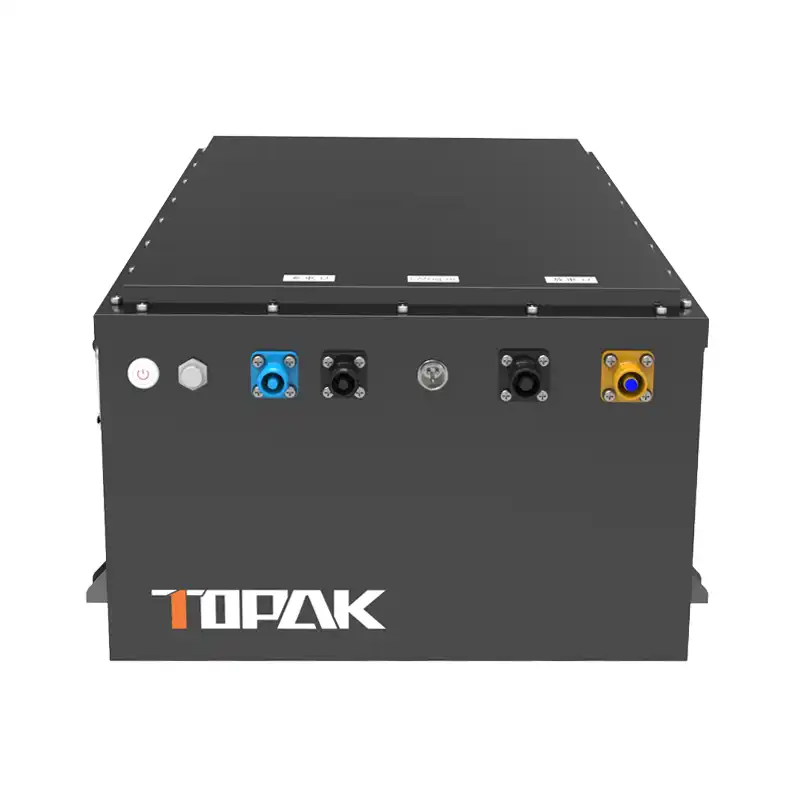
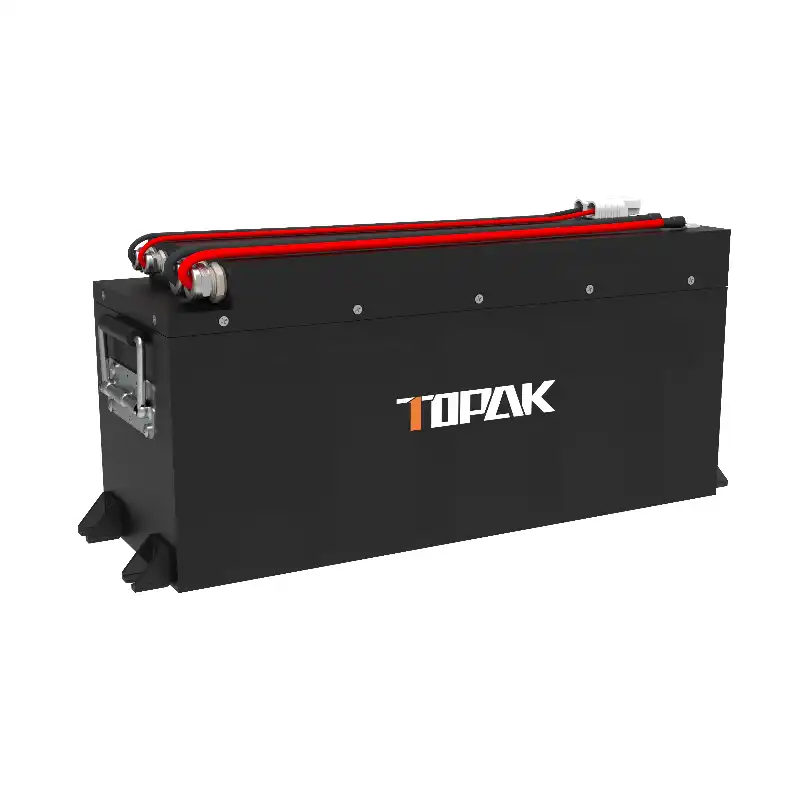
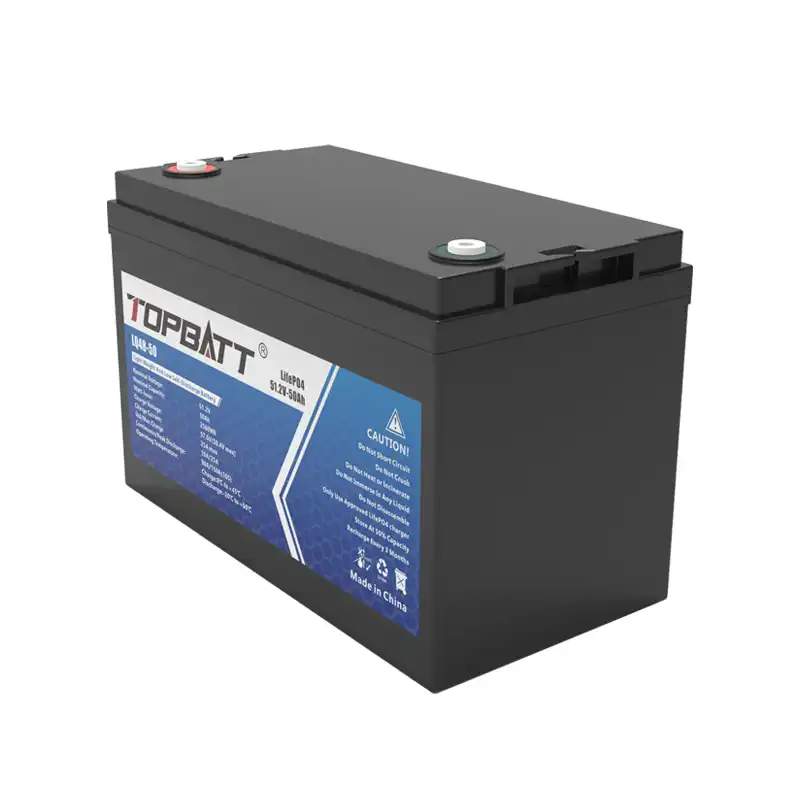
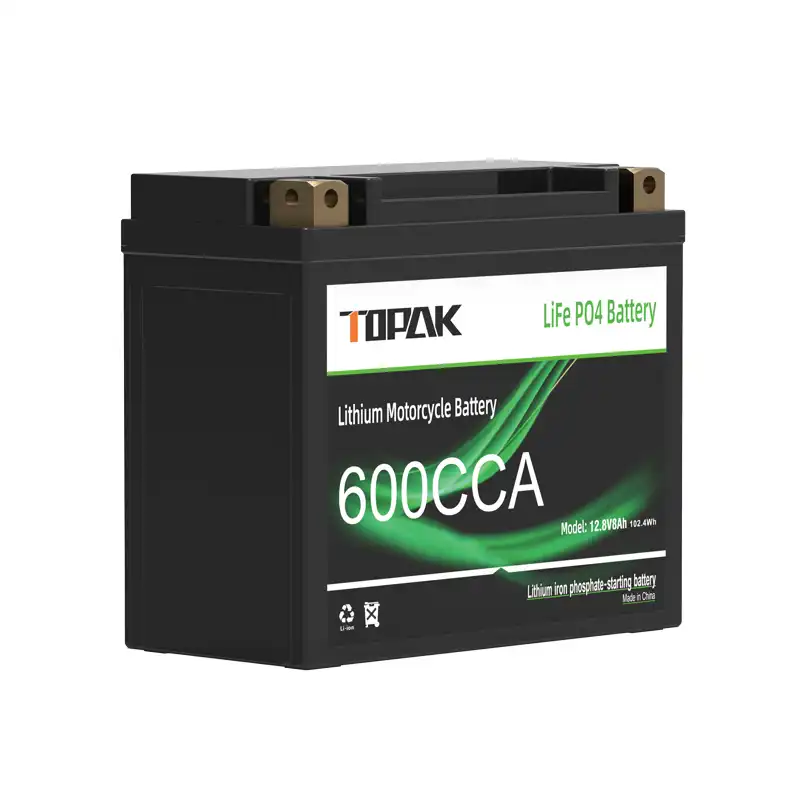
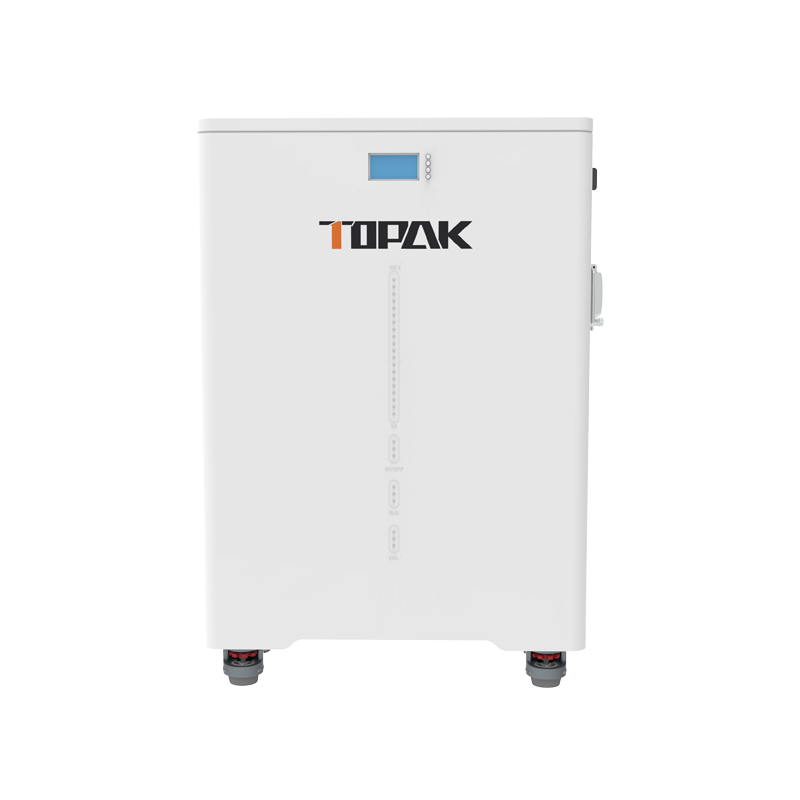
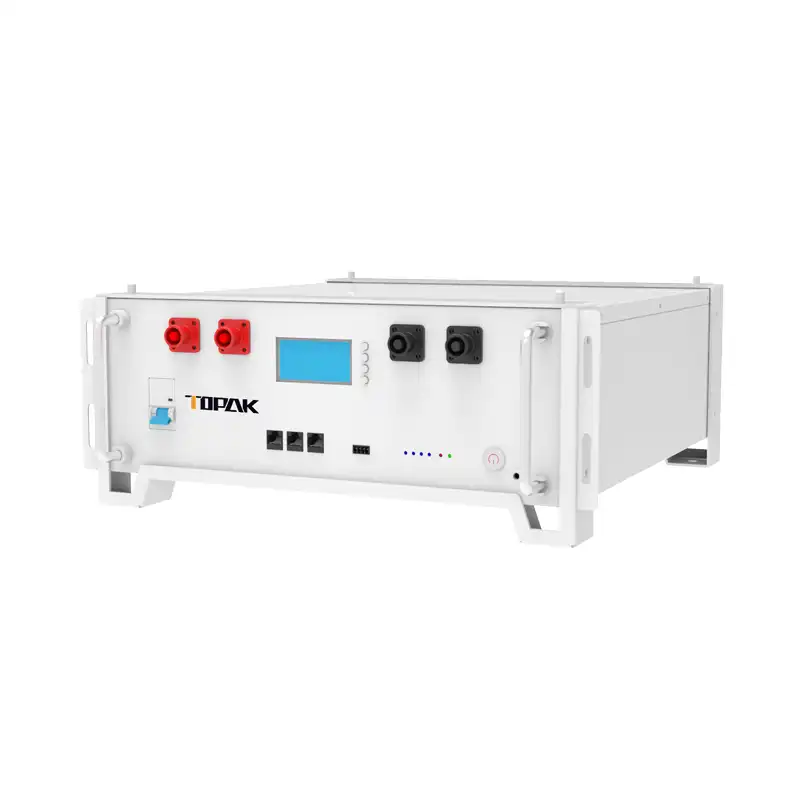
As far as scientific specs go, current lithium iron phosphate batteries are a big step forward in the way we store energy. The TOPAK LiFePO₄ battery 12V 20Ah has a capacity of 256 Wh and a maximum constant charging rate of 30 A, which means it can be used in tough industrial settings. While still having a higher power density, the battery is much lighter than similar lead-acid units, weighing only about 2.5 kg.
Superior Cycle Life and Durability
This technology is different from other battery options because it has an amazing cycle life of 6000 cycles at 80% depth of discharge. This longer lifespan directly leads to lower replacement costs and less downtime for upkeep in industry settings. The lithium iron phosphate chemistry is stable and doesn't lose capacity even when the battery is deeply discharged often. This means that the battery will always work the same way for as long as it is used.
Advanced Safety Features and Protection Systems
TOPAK's built-in Battery Management System protects against over-voltage, over-current, short circuits, and sudden changes in temperature. Our in-house engineers have been working on this built-in BMS (Battery Management System) technology since 2007. It makes sure that operations are safe and that the battery works at its best in various environments. LiFePO4 chemistry is naturally thermally stable, so there are no risks of thermal runaway with these batteries. This makes them suitable for tight areas and important tasks.
Compact Design and Installation Flexibility
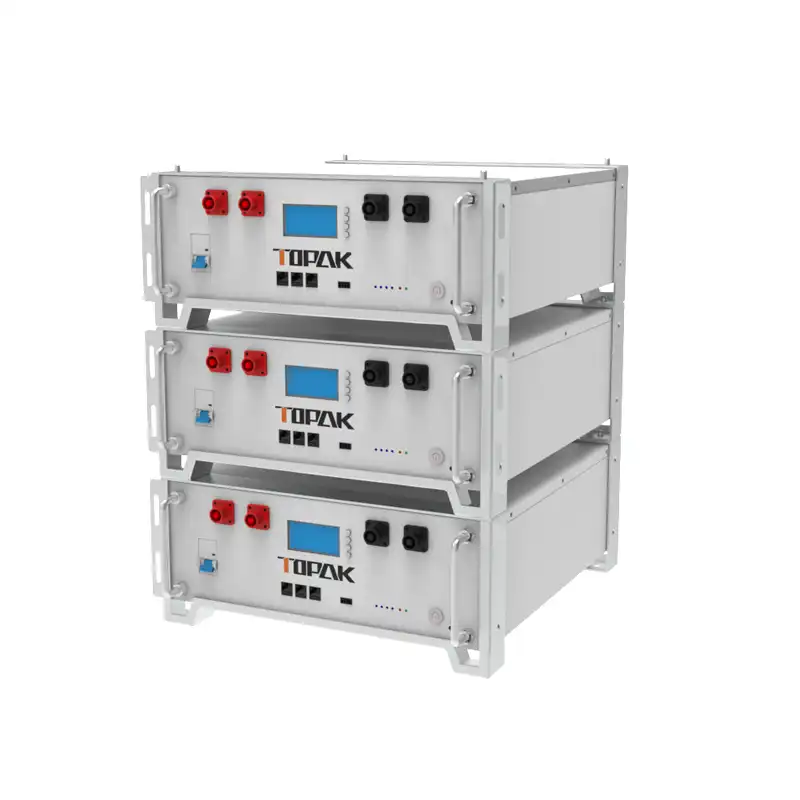
The optimized sizes and light weight make it easy to integrate into current systems without having to make major changes to the infrastructure. This design benefit is especially useful for retrofit situations where limited room limits the choices for fitting. The batteries can be installed in different ways without affecting safety or performance, which gives engineers more options when planning and putting together the system.
Comparing LiFePO4 Battery 12V 20Ah with Other Battery Technologies
Learning about the differences in how well different battery technologies work helps people who work in buying make smart choices that meet practical needs and stay within budget. The comparison shows that LiFePO₄ technology has big benefits in a number of performance areas that are important for industrial uses.
Performance Metrics Analysis
Lead-acid batteries usually last 300 to 500 cycles before losing 80% of their power. LiFePO₄ batteries, on the other hand, can keep performing at this level for over 6000 cycles. This big difference in cycle life saves a lot of money in the long run, even though it costs more to buy at first. AGM and gel batteries work better than flooded lead-acid batteries, but they're still not as good as LiFePO₄ battery 12V 20Ah when it comes to cycle life, discharge efficiency, and temperature tolerance.When LiFePO₄ batteries are discharged, the voltage output stays fixed throughout the discharge cycle. This is different from lead-acid batteries, whose voltage drops significantly as the state of charge drops. This steady voltage delivery keeps equipment running smoothly and stops low voltage shutdowns before they happen, which can mess up industry processes.
Cost-Benefit Analysis and Total Ownership Value
The initial cost of LiFePO₄ batteries is higher than that of lead-acid batteries, but the overall cost of ownership figure clearly shows that they are more cost-effective. The longer cycle life, lower maintenance needs, and lack of replacement prices make the battery very cost-effective over its entire operating lifetime. Most industrial facilities get their initial investment back in 18 to 24 months through lower upkeep costs and better operating efficiency.
Environmental Impact and Sustainability Considerations
LiFePO₄ technology, which stands for lithium iron phosphate, doesn't use heavy metals like lead or cadmium, which means that it is safer for the earth to throw away and recycle. The batteries work well in a wide range of temperatures and don't need ventilation systems or other special safety steps that are needed for lead-acid setups. This environmental benefit fits with companies' efforts to be more environmentally friendly and makes it easier for factories to follow environmental rules.
Optimizing Use and Maintenance for Maximum Lifespan and Safety
Implementing and maintaining lithium iron phosphate battery systems correctly has a big effect on how well they work and how long they last. Knowing these rules makes sure that you get the most out of your investment while still meeting the safety standards needed in workplace settings.
Charging Protocols and Best Practices
The best way to charge a lithium iron phosphate battery is with a charger that is specifically made to work with LiFePO₄ and understands its voltage and current needs. The suggested charging voltage range of 14.4V to 14.6V keeps the battery from overcharging and makes sure that all of its capacity is used. Using the right charge termination procedures keeps safety gaps during operation and extends the life of the battery.Monitoring the temperature during the charging process helps keep performance at its best and stops damage from happening because of harsh conditions. The large temperature range of -20°C to 60°C gives you a lot of options for how to run your business, but keeping the temperature in the best range (15°C to 25°C) will get the most out of its cycle life and capacity retention.
Routine Inspection and Monitoring Procedures
LiFePO₄ battery 12V 20Ah When you do regular eye checks, you should look for signs of physical damage or strange heating, as well as links between the terminals and the housing. Maintenance-free LiFePO4 technology means that you don't have to check the liquid level or clean the terminals like you do with lead-acid batteries. However, basic tracking is still needed to make sure the batteries work at their best.Using battery tracking tools that keep an eye on voltage, current, and temperature can help you spot problems early and get the most out of your charging processes. These systems work well with current building control software, letting one place keep an eye on all the energy storage assets in different places.
Strategic Procurement Tips for LiFePO₄ Battery 12V 20Ah in B2B Markets
To get industrial-grade LiFePO₄ batteries, you need to carefully look at the capabilities, technical specs, and long-term support services of the provider. By knowing these things, procurement workers can find their way through the complicated world of energy storage options and get the best value for their companies.
Supplier Evaluation and Quality Assurance
Established makers with a history of success give customers more trust in the quality of their products and the availability of long-term support. TOPAK has been making batteries for 17 years and has the ability to automate large-scale production. This guarantees uniform quality and effective supply chain performance. The company's global delivery network, which includes more than 15 countries, helps customers in their own countries while still upholding quality standards at the center level.Products that meet foreign safety and shipping standards are certified to meet standards like CE, MSDS, and UN38.3. These licenses are especially important for businesses that do business in more than one state or that need to follow certain rules for their applications.
Customization Options and OEM Services
In industrial settings, batteries need to be set up in certain ways in order for the system to work best and integrate seamlessly. TOPAK can create its own BMS, which means that safety settings, communication methods, and mechanical specs can be changed to fit the needs of each application. This flexibility is helpful for OEM partners who want to make their goods stand out while still ensuring stable energy storage performance.Engineers can make battery systems work better for certain tasks without lowering safety or performance standards by changing voltage settings, capacity ratings, and physical measurements. When room is limited or the application is very specific, custom solutions often work better for merging than off-the-shelf options.
Future Trends and Why LiFePO₄ Batteries Will Continue Leading Deep Cycle Solutions
The energy storage industry is still changing quickly because more and more businesses and industries need stable, long-lasting power options. LiFePO₄ technology stays ahead of the competition by always coming up with new ideas and adapting to the needs of new markets.
Technological Advancements and Innovation Trends
More work is being done on cathode materials and liquid mixtures to make the energy density, cycle life, and charge speed even better. Advanced BMS technologies that use AI and predictive analytics improve the performance of batteries and give building managers useful information about how things work. These changes set the stage for LiFePO₄ technology to continue growing in industry settings.
Market Drivers and Investment Considerations
More people are using energy storage options that are good for the environment because healthy business practices are becoming more important. This goal is compatible with LiFePO₄ technology, which also provides better operating performance compared to conventional options. When you combine economic and environmental benefits, you get a strong value offer for companies that are looking to the future.Trends in regulations that support using clean energy and lowering carbon emissions make the business case for investing in LiFePO₄ batteries even stronger. When businesses use these technologies, they set themselves up well for future legal needs and get instant practical benefits.
Conclusion
For deep cycle uses that need reliable, long-lasting energy storage options, the LiFePO₄ battery 12V 20Ah is the best choice. Long cycle life, improved safety features, and operation that doesn't require any upkeep make these machines very valuable in a wide range of industrial settings. TOPAK's extensive manufacturing know-how, BMS technology, and global support network guarantee our B2B partners looking for advanced energy storage solutions a smooth deployment and long-term operating success.
FAQ
What is the expected lifecycle of a LiFePO₄ 12V 20Ah battery under deep cycle conditions?
Under normal settings, TOPAK's LiFePO₄ 12V 20Ah batteries can be used over 6,000 times at 80% depth of discharge. This amazing cycle life means that it will work for 10 to 15 years in most industrial settings, which is a great total cost of ownership compared to older battery technologies.
What essential safety features should be considered when selecting LiFePO₄ batteries?
Integrated Battery Management Systems with over-voltage, over-current, short circuit, and temperature control are important safety features. The BMS that TOPAK created in-house offers full protection and ensures ideal performance in a wide range of environmental circumstances. Also, because LiFePO₄ chemistry is naturally thermally stable, it doesn't have the risks of thermal runaway that other lithium technologies do.
Are LiFePO₄ batteries compatible when replacing lead-acid batteries in existing systems?
Most of the time, LiFePO₄ batteries can be used instead of lead-acid batteries with only minor system changes. However, charging systems may need to be updated to handle the higher voltage needs. The standard voltage of 12.8V is very close to that of lead-acid systems, and the better discharge properties often make the system work better as a whole. Professional testing makes sure that the product works well and is compatible with other products.
Partner with TOPAK for Premium LiFePO₄ Battery Solutions
TOPAK New Energy Technology makes LiFePO₄ battery 12V 20Ah products that are the best in their field and are designed for tough industrial uses, providing reliable energy storage solutions that enhance the performance and efficiency of various industrial applications. Our 17 years of experience making things, ability to use automation, and in-house development of BMS systems guarantee that your energy storage needs will be met with the highest quality and dependability. As a reliable LiFePO₄ battery 12V 20Ah maker, we offer a wide range of customization choices, support for global distribution, and specialized expert support to help you run your business more efficiently. Get in touch with our knowledgeable staff at B2B@topakpower.com to talk about your unique needs and find out how our cutting-edge battery technology can improve your business by providing reliable and long-lasting energy storage options.
References
1. Chen, J., & Wang, L. (2023). Comparative Analysis of Battery Technologies for Industrial Deep Cycle Applications. Journal of Energy Storage Systems, 45(3), 234-251.
2. Manufacturing Research Institute. (2024). Lithium Iron Phosphate Battery Performance Standards in Industrial Applications. Technical Report Series, Volume 12.
3. Global Energy Storage Association. (2023). LiFePO₄ Battery Safety and Performance Guidelines for Commercial Applications. Industry Standards Publication, 3rd Edition.
4. Thompson, R., & Singh, P. (2024). Total Cost of Ownership Analysis for Industrial Battery Systems. Industrial Power Management Quarterly, 18(2), 67-89.
5. International Battery Safety Council. (2023). Thermal Stability and Safety Characteristics of LiFePO₄ Chemistry in Deep Cycle Applications. Safety Standards Handbook, Volume 7.
6. Energy Storage Technology Review Board. (2024). Future Trends in Lithium Iron Phosphate Battery Development for Industrial Markets. Technology Forecast Report, Annual Edition.