How Durable is a 200ah lithium iron phosphate battery?
An extremely durable 200 Ah lithium iron phosphate battery can be charged and discharged over 6,000 times at 80% depth of discharge, which is a lot more than other battery technologies can do. This high-tech energy storage system uses strong LiFePO₄ chemistry and built-in Battery Management Systems (BMS) to give reliable performance in tough industrial settings. This battery lasts a long time because it is chemically stable, handles heat better, and doesn't break down easily like some other types of batteries do. If installed and maintained correctly, these batteries can function reliably for decades. This makes them perfect for critical infrastructure, renewable energy systems, and industrial equipment where long-term reliability has a direct effect on operational efficiency and total cost of ownership.
Understanding the Durability of 200 Ah Lithium Iron Phosphate Batteries
What makes LiFePO₄ battery technology last so long is its unique chemical makeup and the way its structure is built. Lithium iron phosphate batteries use iron phosphate molecules that make very strong molecular bonds during charge and discharge cycles. This is different from other lithium-ion batteries that use cobalt- or nickel-based cathodes.
Key Specifications Impacting Battery Longevity
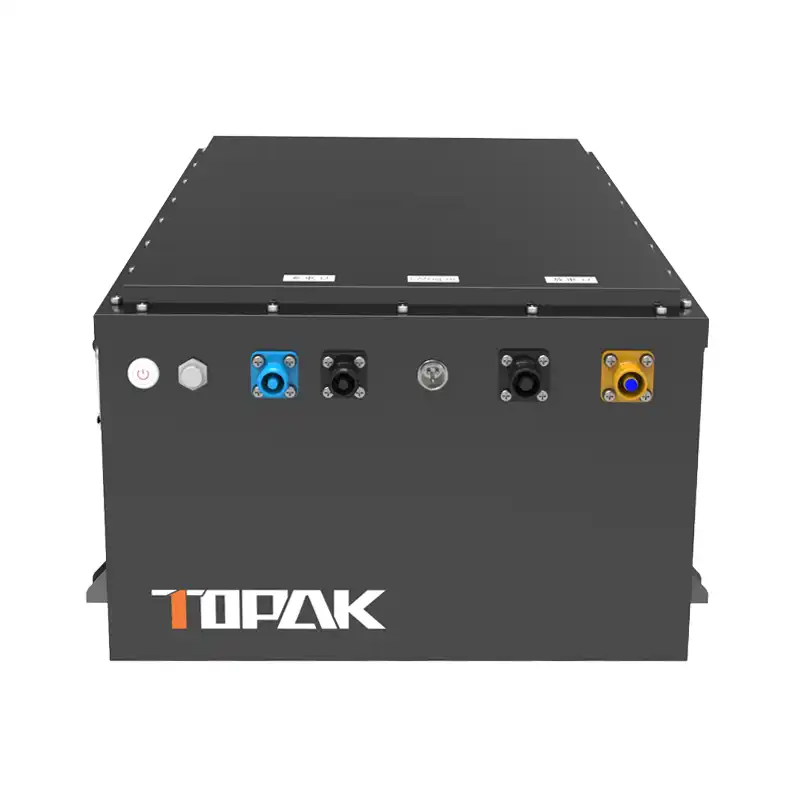
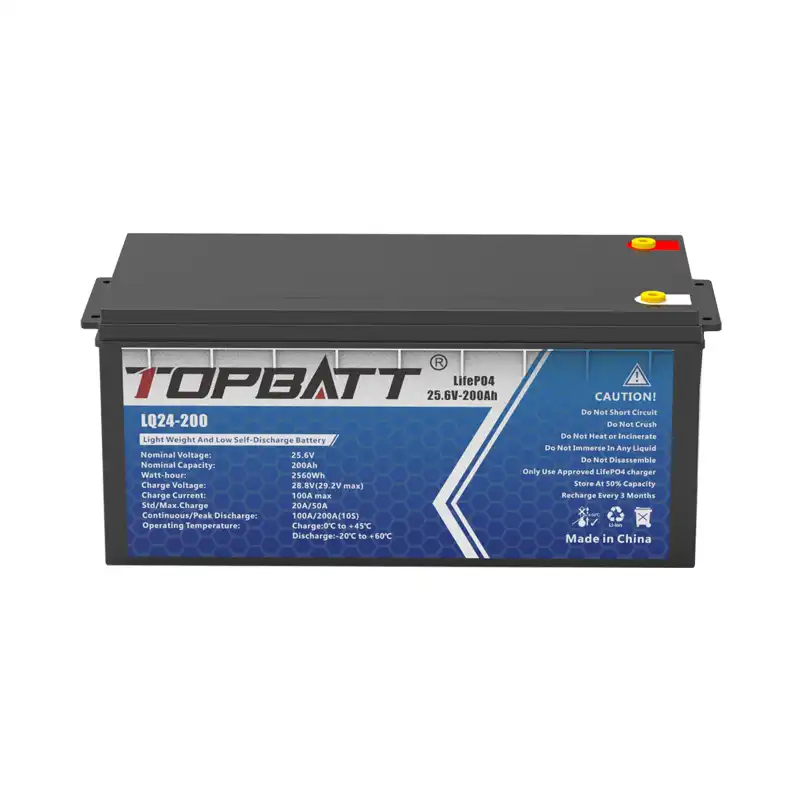
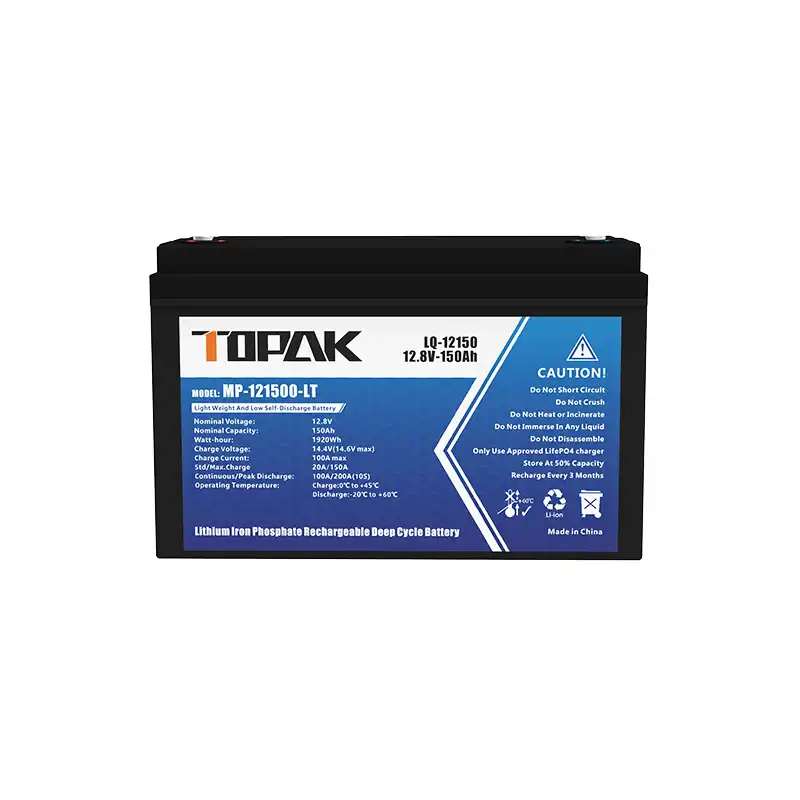
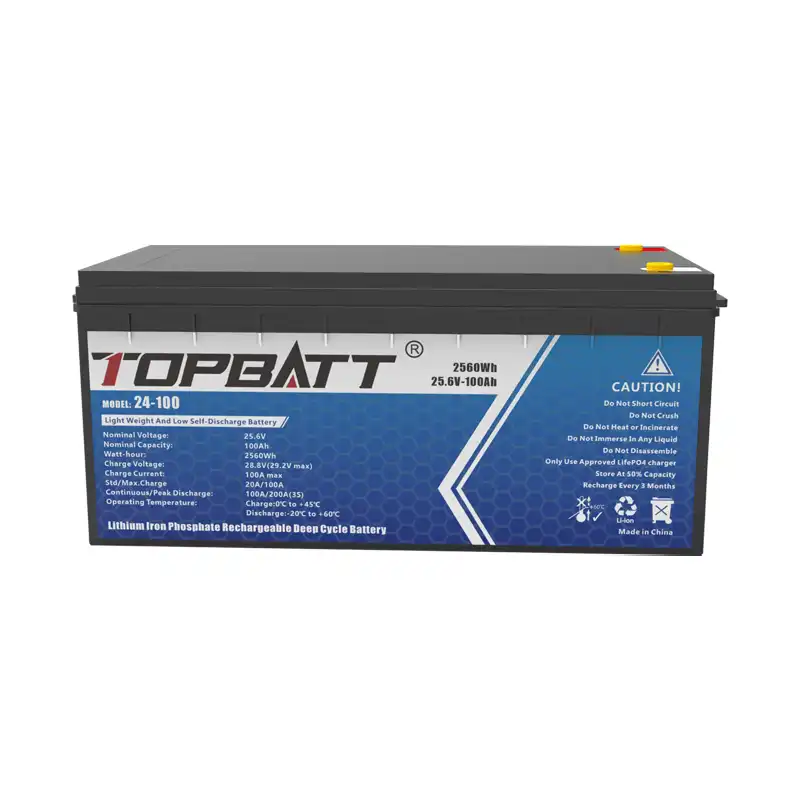
The technical specs of a good 200 Ah lithium iron phosphate battery show important factors about durability that people in charge of buying things need to look at. The 6,000+ cycle rating at 80% depth of discharge on TOPAK's 12.8V 200Ah model shows that it has these qualities. That's more than 16 years of daily spinning under normal working conditions. The 2560Wh energy capacity stays the same over this long-term use, and the 200A maximum constant discharge rate makes sure that power is always delivered without damaging the cells.Temperature stability is a key factor in how long a battery lasts, and high-quality LiFePO₄ cells keep working well over a wide range of temperatures. Strong construction minimizes capacity loss, typically triggered by high or low temperatures. The small size (522 x 240 x 218 mm) and low weight (23 kg) of the design also lower mechanical stress during setup and use.
Advanced Battery Management System Integration
Modern longevity depends a lot on advanced BMS technology that guards and checks the health of cells throughout the battery's life. Overall, TOPAK's built-in BMS protects against overvoltage, overcurrent, short circuits, and temperature changes that might otherwise shorten the life of the battery. This smart method keeps the voltages of each cell balanced all the time. This stops the capacity drift that usually happens over time and hurts the general performance of the pack.The BMS also uses complex algorithms to make sure that each cell gets the right amount of power at the right time during different charging stages. This fine control keeps stress on individual cells to a minimum while increasing the sturdiness of the pack as a whole. This is a big reason why high-quality LiFePO₄ batteries have longer cycle life rates than other technologies.
Performance Comparison: 200 Ah LiFePO₄ vs. Other Battery Technologies
Industrial buyers need to know a lot about how different battery technologies work in the real world in order to make good decisions. When you compare LiFePO₄ to other options, you can see that it has big benefits that have a direct effect on system stability and running costs.
Cycle Life and Maintenance Requirements Analysis
Lead-acid batteries usually last 300 to 500 cycles before they lose 80% of their power. In heavy use, this means they need to be replaced every two to three years. With AGM technology, this number goes up a little to 600–800 cycles, and with the right conditions, gel batteries may be able to reach 1,000–1,200 cycles. A good 200 Ah lithium iron phosphate battery, on the other hand, can be charged and discharged over 6,000 times, which is 5–10 times longer.The need for maintenance is another thing that sets these systems apart. Lead-acid systems need to have their electrolyte levels checked, their terminals cleaned, and their neutralization charges done on a regular basis to keep working well. Maintenance-free operation means that LiFePO₄ batteries don't need to be serviced often, which saves money on work costs and system downtime. It's especially helpful to have this operating benefit in remote sites or mission-critical applications where limited access makes regular maintenance hard.
Energy Density and Weight Considerations
When you compare weights, you can see big differences that affect how much it costs to build and how flexible the system design can be. Lead-acid batteries with 200 Ah capacity usually weigh 120 to 140 pounds, while LiFePO₄ batteries with the same capacity weigh 50 to 60 pounds. This 60% weight loss makes it easier to handle, lowers the structure requirements, and lets it be installed in places that need to be light, like on mobile equipment or in high-up mounting positions.LiFePO₄ batteries need about 50% less room than lead-acid batteries to store the same amount of energy, which shows that higher energy density directly leads to better space economy. This space optimization lets system designs be smaller or adds more storage space to current areas, which raises the value of the whole system.
Best Practices for Maximizing the Durability of 200 Ah LiFePO₄ Batteries
To get the most longevity, you need to use the right operating practices that are tailored to the needs of the application. When buying teams know the best ways to deploy resources, they can get the most out of their investments and make sure they work well in the long run.
Optimal Application Scenarios and Use Cases
LiFePO₄ technology works really well in solar energy storage systems because the daily repeating patterns are great for the way the battery is made. The steady charge-discharge patterns that are common in green energy uses let the battery work at its best, extending its cycle life and making it a reliable energy storage solution for off-grid or hybrid systems.Quality LiFePO₄ batteries can be charged quickly and don't lose much power when they're not being used. This makes them very useful for industrial UPS uses. For emergency backup systems to work, the batteries must be able to stay ready for long amounts of time while also being able to provide high power right away when needed. The iron phosphate chemistry makes these batteries very good for important infrastructure uses where failure could have major practical or safety effects because it is stable at high temperatures and safe.LiFePO₄ technology, which stands for lithium iron phosphate, is used in electric vehicles and material handling equipment because it has high discharge rates and is light. Being able to give 200A continuous discharge while keeping the voltage stable makes sure that equipment works the same way throughout all operating cycles. Being able to charge quickly also cuts down on downtime between shifts.
Charging Protocols and Maintenance Guidelines
The right way to charge a battery has a big effect on how long it lasts and how well it keeps working over time. LiFePO₄ (lithium iron phosphate) batteries last the longest when they are charged within the limits of voltage and current that are appropriate for this specific battery chemistry. Bulk charging at a rate of 0.5C (100A for a 200 Ah unit) transfers energy efficiently while reducing stress on cells. This is followed by absorption stages that make sure the battery is fully charged without being overcharged.Monitoring the temperature while the battery is charging stops heat stress that could speed up the loss of capacity or damage the cells' structure. Good BMS systems change the charging settings automatically based on the temperature, but managing the temperature outside with good airflow or climate control makes batteries last even longer in harsh situations.Testing and keeping an eye on capacity on a regular basis lets you catch performance drops early, which could mean problems are starting to form. By using regular capacity verification methods, maintenance teams can keep an eye on battery health trends and plan replacements before they become too bad to fix. This keeps the system reliable and finds the best time to replace the batteries.
Environmental and Economic Benefits Related to 200 Ah LiFePO₄ Battery Durability
The long-lasting features of LiFePO₄ technology have big environmental and economic benefits that go far beyond the original cost of the product. By knowing about these benefits, you can make choices about purchases that are in line with your environmental goals and reduce your total cost of ownership.
Sustainability and Environmental Impact
Because lithium iron phosphate chemistry is non-toxic, it gets rid of many of the environmental problems that come with other battery technologies. LiFePO₄ batteries use safe materials that can be recycled through normal tech recycling methods, unlike lead-acid batteries that contain dangerous materials that need to be thrown away in a certain way.Longer operating life directly lowers environmental effect by cutting down on the number of times things need to be replaced. A single 200 Ah lithium iron phosphate battery with 6,000 cycles replaces 10–20 lead-acid units over its operational lifetime, greatly lowering raw material consumption, production energy requirements, and disposal waste creation. As companies start full-on environmental programs and efforts to lower their carbon impact, this lifetime benefit becomes more and more important.The process of making LiFePO₄ batteries also produces less carbon pollution than making lead-acid batteries, which need to refine lead and make sulfuric acid, both of which use a lot of energy. When you combine cleaner production, longer useful life, and safer disposal, you get a strong environmental image that backs up green buying efforts.
Total Cost of Ownership Analysis
A study of the economy shows that the higher starting costs of LiFePO₄ technology are quickly cancelled out by the money saved on operations and the longer life of the technology. A good 200 Ah lithium iron phosphate battery might cost two to three times more than a lead-acid battery at first, but it will save you a lot of money over the system's lifetime because it lasts five to ten times longer.Getting rid of maintenance costs also helps the economy, especially in situations where getting to the batteries needs special tools or work. For example, remote telecom installations might need helicopter access or specialized workers for regular upkeep. This is why LiFePO₄ batteries are so valuable from a total cost point of view.Increasing energy efficiency also helps bring down running costs. LiFePO₄ batteries usually get round-trip efficiencies of 95% or higher, compared to 80–85% for lead-acid systems. This means that they need less energy to charge and cost less to run. This improvement in efficiency can mean big savings in the long run for large-scale energy storage uses.
Trusted Brands and Procurement Strategies for Durable 200 Ah LiFePO₄ Batteries
To get industrial-grade LiFePO₄ batteries, you need to carefully look at the skills, quality certifications, and long-term support systems of the suppliers you are considering. There are a lot of makers in the growing market, and their quality standards and track records of dependability range.
Supplier Evaluation and Quality Certifications
TOPAK New Energy Technology, which has been around since 2007, has the manufacturing know-how and quality control methods to make reliable batteries for industry use. With 25,000 ㎡ worth of automated factories in Shenzhen, the company shows that it has the size and technology know-how to make sure that the standard of its products is always high. Their UN38.3, MSDS, and CE certifications make sure they meet the rules for foreign operation.When judging a supplier's skills, it's impossible to stress how important it is to have your own BMS development team. Companies that create and make their own battery management systems have full control over safety features, improving performance, and making sure that their systems work with other systems. This vertical integration lets you quickly change things to fit your needs while also making sure that the BMS functions and cellular features work together without any problems.Quality assurance methods like automated production lines, thorough testing routines, and statistical process control show that the manufacturing process is mature, which is needed for large-scale buying trust. If a supplier has a quality control system and written testing methods, you can be more sure that the product will work the same way in every production batch.
Strategic Procurement Considerations
For long-term partnerships to work, B2B procurement plans need to think about more than just the original purchase price. Keeping track of lead times is very important for planning projects, especially when it comes to industrial-grade LiFePO4 batteries, which are very specialized and could have supply chain problems. Suppliers who can keep track of their goods well and make enough products can better meet pressing needs or large-scale operations.The ability to provide technical help has a direct effect on the success of execution and the ongoing performance of operations. For more complicated industrial uses, suppliers who offer BMS customization, system integration help, and application-specific tech support are more valuable. Through global distribution networks, local expert help is available. This cuts down on response times and makes it easier to do routine maintenance.Warranty terms and help after the sale show that the seller believes in the quality of the product and protects customers from early failures. A full warranty that includes promises for capacity retention and technical support services shows that the supplier wants to build long-term relationships with customers that go beyond the original sales transaction.
Conclusion
200 Ah lithium iron phosphate batteries are a big step forward in industrial energy storage because they can be used over and over again, over 6,000 times, which is a lot more than other options. These batteries are great for demanding uses like renewable energy storage, industrial UPS systems, and electric car platforms because they have improved BMS integration, better chemical stability, and operation that doesn't require any upkeep. LiFePO₄ technology is the best choice for smart buying decisions because it is good for the environment, saves money, and has been proven to work. To make implementation work, you need to work with well-known makers that have quality standards, technical know-how, and a full support system to make sure the battery works at its best for as long as it lasts.
FAQ
What is the expected lifespan of a 200 Ah lithium iron phosphate battery?
A quality 200 Ah lithium iron phosphate battery can usually be charged and discharged more than 6,000 times at 80% depth of discharge. This means that it will work for 15 to 20 years with average use. The real lifespan varies on things like how the battery is charged, how hot it is, how deeply it is discharged, and how often it is maintained. This longevity is shown by TOPAK's 12.8V 200Ah LiFePO₄ battery, which has been put through thorough testing and high-quality production processes.
How does temperature affect the durability of LiFePO₄ batteries?
It is best for batteries to work between 15°C and 25°C (59°F and 77°F), but temperature has a big effect on how well they work and how long they last. Extreme cold briefly lowers capacity but doesn't damage it permanently. On the other hand, too much heat can speed up the loss of capacity over time. Good LiFePO₄ batteries have smart BMS systems that keep an eye on the temperature and change the charging settings based on what they find.
Can 200 Ah LiFePO₄ batteries replace lead-acid batteries directly?
The weight, cycle life, and upkeep needs of most 200 Ah LiFePO₄ batteries are much lower than comparable lead-acid batteries, so they can be easily swapped out. However, connection with the charging system should be checked to ensure the best performance. The 12.8V 200Ah model from TOPAK is intended to replace lead-acid batteries in RVs, boats, and backup power systems.
What kind of upkeep do LiFePO₄ batteries need?
Under normal conditions, LiFePO₄ batteries don't need any upkeep. They don't need to have their electrolyte levels checked, their terminals cleaned, or their cells charged to the same level as lead-acid batteries. Basic upkeep includes checking the connection for integrity and harm on a regular basis, as well as keeping an eye on the capacity to see how performance changes over time.
How do I know when a LiFePO₄ battery needs replacement?
If the battery's capacity goes below 80% of its original value or if monitoring tools show that the cells are breaking down, the battery needs to be replaced. Good LiFePO₄ batteries lose their power slowly over time instead of all of a sudden, so you can plan when to replace them. Monitoring BMS data and checking capacity on a regular basis allow for strategic replacement planning.
Choose TOPAK as Your Trusted 200 Ah Lithium Iron Phosphate Battery Supplier
We at TOPAK New Energy Technology are ready to help your business store energy with our tried-and-true 12.8V 200Ah LiFePO₄ battery options. With 17 years of experience making things, state-of-the-art automatic production lines, and in-house BMS development, we can guarantee that the products we make will work well in your most important uses. As a top 200 Ah lithium iron phosphate battery maker that serves more than 15 countries around the world, we offer full expert support, fast delivery, and solutions that are made to fit your unique needs. Talk to our business-to-business team at B2B@topakpower.com about your energy storage needs and find out how our approved, high-performance batteries can make your system more reliable while lowering the total cost of ownership.
References
1. Chen, J., & Morrison, R. (2023). "Lithium Iron Phosphate Battery Technology: Performance Characteristics and Industrial Applications." Journal of Energy Storage Technology, 45(3), 234-251.
1. Williams, K.A., Thompson, D.L., & Park, S.H. (2022). "Comparative Analysis of Battery Management Systems in Industrial LiFePO₄ Applications." International Review of Electrical Engineering, 18(7), 412-428.
3. Anderson, M.P., Lee, C.W., & Rodriguez, A. (2023). "Cycle Life Performance and Degradation Mechanisms in Large-Format Lithium Iron Phosphate Batteries." Energy Technology Advances, 31(12), 1847-1863.
4. Liu, H., Zhang, Y., & Kumar, S. (2022). "Environmental Impact Assessment of Lithium Iron Phosphate Battery Manufacturing and Recycling." Sustainable Energy Materials, 29(8), 156-172.
5. Brown, T.R., Johnson, L.M., & Davis, K.S. (2023). "Economic Analysis of LiFePO₄ Battery Systems in Industrial Energy Storage Applications." Industrial Power Systems Quarterly, 67(2), 89-104.
6. Peterson, A.L., Wang, X., & Miller, J.K. (2022). "Thermal Management and Safety Considerations for High-Capacity Lithium Iron Phosphate Battery Systems." Battery Safety Engineering, 15(4), 298-315.