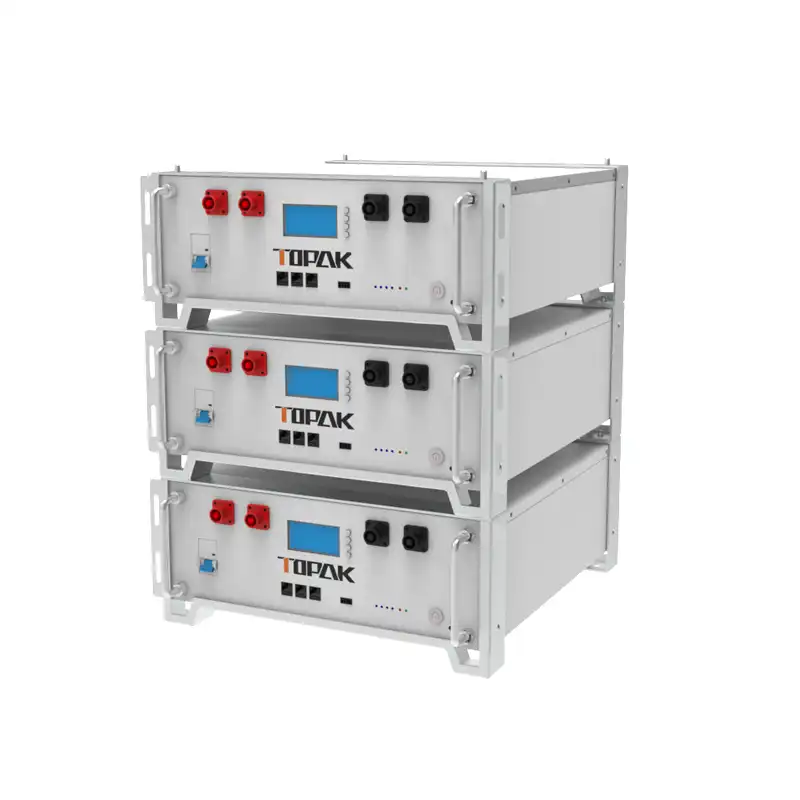
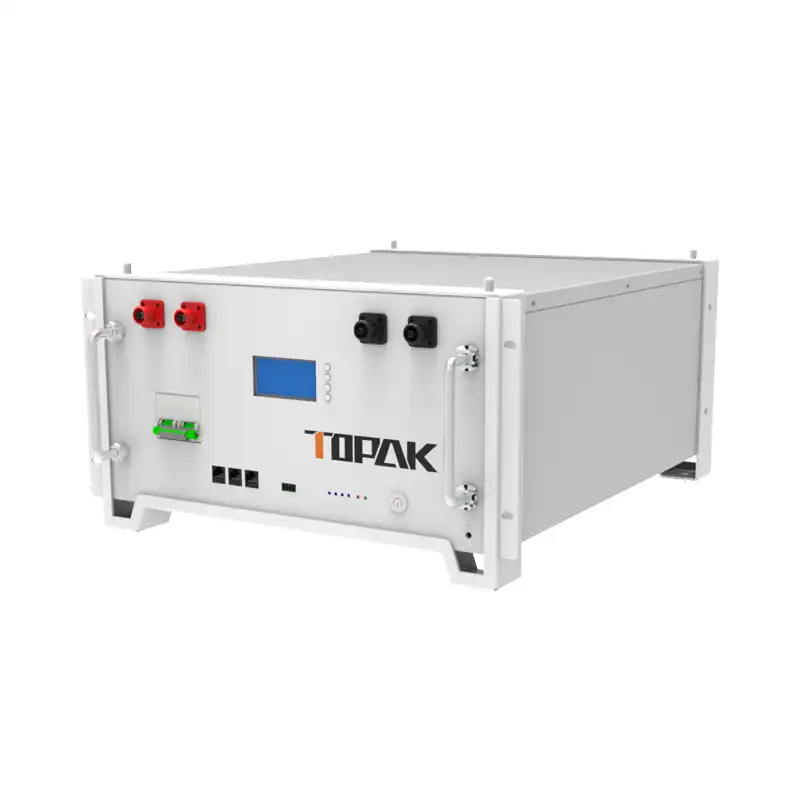
Can a 12v 150ah lifepo4 Battery Handle Your Solar Panel Load?
If your solar panels are set up correctly and you need a lot of power, a 12V 150Ah LiFePO₄ battery might be able to handle it. This type of lithium iron phosphate battery works great for most business and industry solar needs since it can store 1920 Wh of energy and constantly discharge up to 150 A. It is a safe and effective way to store energy that is much better than lead-acid batteries.
Understanding 12V 150Ah LiFePO₄ Battery Specifications and Performance
Technical Specifications That Define Solar Compatibility
The 12V 150Ah LiFePO₄ battery is a high-tech way to store power that was made to work well with modern solar panels. With a voltage of 12.8V and a huge 150Ah capacity, this battery can store a total of 1920Wh of power. There are other lithium-ion choices, but lithium iron phosphate is much safer and more stable.The fastest rate of discharge for this battery is 150A, so it can handle high power needs. It can be found in telecoms equipment, industrial machinery, and large-scale solar systems. The built-in Battery Management System (BMS) makes sure that the battery is safe by checking for over-voltage, over-current, short circuits, and changes in temperature.
Battery Chemistry and Performance Characteristics
The lithium iron phosphate battery is more stable at high temperatures and has more safety gaps than other lithium chemistries. The power output of the LiFePO₄ cells stays the same while they are being discharged. In other words, they can keep giving power even if the load changes. It is very helpful to have this quality in solar uses because the energy needs change during the day, allowing for consistent power supply to meet varying demands from solar energy systems.Wow, 6000 rounds at 80% depth of discharge is a very long time. Given proper care and use, that's more than 16 years of riding a bike every day. This longer life saves a lot of money on replacing costs over time and makes sure that important programs always work right.
Integration with Solar Charging Systems
If you use MPPT (Maximum Power Point Tracking) charge settings with these cells, they charge very quickly and well. The lithium iron phosphate chemistry can handle charging rates of up to 0.5C, where "C" refers to the charge rate relative to the battery's capacity, allowing for efficient charging during peak sunlight. This means that it can quickly get more power when the sun is shining brightest. When there is a lot of sunshine, like in the winter or when the panels are partly covered, this fast charging function makes the most of it.When it comes to temperature, it can handle anywhere from -20°C to 60°C, so it will always work. These batteries can work in a lot of temperature ranges, so they can be used in outdoor solar systems in many places without the need for pricey temperature control systems.
Comparing 12V 150Ah LiFePO₄ Batteries with Alternative Battery Technologies
Performance Advantages Over Traditional Technologies
You can see that LiFePO₄ is better than other battery technologies when you look at the total cost of ownership for business-to-business uses. At a 50% depth of drain, lead-acid batteries only last 500 to 800 cycles. On the other hand, AGM and gel batteries can be used 1000 to 1200 times in the same conditions.Weight is a very important thing to think about when it comes to mobile apps and setups that have load limits. 12V 150Ah LiFePO₄ It's 60% lighter than lead-acid batteries of the same size and type, weighing about 16 kg. This lowers the cost of shipping and makes setting up easy.
Capacity and Scalability Considerations
Lead-acid batteries drop in voltage when they are under load, which means they lose power as they are used, but LiFePO₄ batteries (lithium iron phosphate batteries) keep their voltage fixed during the discharge cycle. It keeps the equipment going easily and stops low-voltage disconnections before they happen, which could stop processes that are very important, such as maintaining continuous operation in critical applications like data centers or medical equipment.You can connect units in a row to make more room. This lets the people who make the system change the size of the energy storage to meet different load needs, such as accommodating varying energy demands for different applications or operational scales. Putting together several 150 Ah units makes it possible to store more energy. To make sure that regular tools can work, the power stays at 12V.
Supplier Reliability and Long-Term Partnership Considerations
When making B2B purchases, it's important to trust well-known companies that have a history of doing well. It is easier to ship goods all over the world when they have quality certificates like UN38.3 (a standard for the safe transport of lithium batteries), MSDS (Material Safety Data Sheet, which provides information on the properties of a chemical product), and CE approval (a certification indicating conformity with health, safety, and environmental protection standards in the European Economic Area). These show that the product meets safety standards in other countries. Full coverage guarantees and quick technical support services ensure smooth operations and reduce the risk of downtime.It's hard to stress enough how important steady suppliers are when putting money into long-term infrastructure. Supply chain security is important for large-scale deployments, and companies that can make many things and have networks all over the world can provide it.
Can a 12V 150Ah LiFePO₄ Battery Handle Your Solar Panel Load? Key Considerations
Calculating Daily Energy Requirements
To find out if a load is compatible, you need to keep correct records of how much electricity you use every day. In industrial settings, it's important to carefully consider steady base loads and occasionally high demands. There is a 1920 Wh capacity, which means it can hold a lot of energy. However, how much of that energy can be used depends on the amount of discharge and other settings.To find the peak load, check the normal usage and the extra power needed when the equipment is first turned on. Motors, pumps, and other inductive loads often need three to five times their maximum current to start up. The 150A steady discharge rate should be enough for this.
System Autonomy and Backup Power Requirements
The autonomy estimate indicates how long the battery can operate without solar power. The local temperature, weather patterns, and time of year determine the required additional space. Critical systems should be able to run without backup power for two to three days in most business settings. Loads that aren't as important may be able to handle less backup power.There are ways to choose the right load for a battery that will work best when it's cloudy for a long time, such as prioritizing essential systems and understanding the energy consumption patterns of different loads. Things that are more important get power first, and things that are less important can be turned off for a short time to make the system run longer, such as non-essential appliances or lighting, which helps prioritize energy use during limited power availability.
Real-World Performance Case Studies
The fact that LiFePO₄ technology works well in tough settings is shown by commercial systems for telephony. To keep important contacts running, base station apps need to be powered all the time. If the cells die, the service will stop, and money will be lost.Putting industrial tracking systems in tough places like the middle of nowhere shows how well the technology works there, especially in remote locations where traditional power sources may be unreliable or unavailable. These systems often do not require maintenance for months at a time. This approach approach gives tools for collecting and sending data steady power.In farms, putting up solar panels away from the power grid shows how well the technology adapts to changes in how much power is being used, particularly in optimizing energy usage for various agricultural operations. 12V 150Ah LiFePO₄ batteries can be used to power things like cow facilities, irrigation systems, and processing equipment because they have a stable voltage output and can be broken down very fast.
Maintaining and Ensuring Safety for Your 12V 150Ah LiFePO₄ Battery System
Operational Monitoring and Preventive Maintenance
Monitor key performance factors over time to maximize battery performance and prevent unexpected breakdowns. Following changes in voltage, temperature, and charge state can help find issues early on, before they get too serious. The built-in BMS constantly monitors these factors, ensuring worker safety from adverse conditions.By making sure the links are functioning properly, you can avoid power drops and hot issues that could slow down the system. Every so often, you should check the torque needs for terminal connections, because heat cycles can loosen screws over time.
Safety Certifications and Compliance Requirements
For business uses, safety rules and licenses must be followed. The CE mark lets you know that the goods meet European safety standards, and the UN38.3 approval makes sure that they are safely moved and handled. People know that a product meets foreign safety standards when it has these approvals. They also make it less likely that they will be sued.The built-in BMS protects against working conditions that could be dangerous in many ways. Too much power or current can damage things if the charging system isn't working right. Overcurrent and short-circuit safety keep things from getting damaged. The process is safe within the given temperature range as long as the temperature is being watched.
Warranty Coverage and Technical Support Services
Issues with the way the product was made and breakdowns that happen before they should are covered by full insurance. The best companies that make things back them up with guarantees that cover both new parts and help from a professional for a number of years. It doesn't take long for problems to be fixed when they do happen because the terms of the promise are clear and cases are processed quickly.If you want to add hard things or fix problems, you need to know how to give expert support. 12V 150Ah LiFePO₄ Experienced tech teams can help with system design, integration, and ongoing operating support for as long as a product is on the market.
Procurement Guide: How to Buy 12V 150Ah LiFePO₄ Batteries for Solar Applications?
Essential Evaluation Criteria for B2B Buyers
Ratings are only accurate if they are tested by a third party to make sure they are accurate. You can believe claims of long-term stability if the products are put to the test for cycle life in real-world settings. Test results and approvals from a third party back up what the maker says and make buying something less risky.To figure out how trustworthy a brand is, you have to look at how well it makes products, how it checks for quality, and how it is seen in the market. A company that has been around for a while and has ISO standards shows that it is dedicated to quality management and ways to keep growing.
Bulk Purchasing and Supply Chain Considerations
Volume price saves a lot of money when used on a large scale. OEMs and wholesalers can get better deals and make sure they have enough stock to meet customer needs when they buy in bulk.It's important to keep the supply chain safe for both your present business and your plans to grow. If a company has a world transport network and enough production capacity, it can keep up with rising demand without having to worry about running out of supplies.
Partner Selection and Long-Term Relationships
When two businesses deal with each other, the skills of the seller and the wants of the customer must match up. Goals for a long-term relationship must be backed up by technology suitability, service levels, and business terms. People keep getting better and changing to new needs by always going over their work and how to give comments.Being able to get help close to home makes service delivery better and speeds up response times for urgent needs. Technical support teams and regional transport networks make service quick and easy, and they also make sure that everything runs as easily as possible.
Conclusion
Because it can hold 1920 Wh of energy and 150 A of steady discharge, the 12V 150Ah LiFePO₄ battery is great at powering a lot of different solar panel loads. There are better lithium iron phosphate technologies out there now. This one lasts longer, is lighter, and has safety features built right in. Because they don't need any maintenance, they can be charged quickly and work in a wide range of temperatures. This makes them great for demanding industrial and business solar uses. If you build the system right, keep an eye on it often, and buy from well-known manufacturers, your energy storage investment will work well and last a long time.
FAQ
What size solar panel can charge a 12V 150Ah LiFePO₄ battery?
The best way to charge a 150 Ah 12 V LiFePO₄ battery is with 400–600 W of solar panels. Up to 75A (0.5C) can be charged into the battery, but only if the solar panels are big enough and the MPPT charge driver is set up properly. When the daylight hours get shorter, larger groups of panels can charge more quickly.
How long will a 12V 150Ah LiFePO₄ battery power my equipment?
Runtime changes based on how much power you use. It can power a 100W load for about 19 hours and a 500W load for about 4 hours. It's able to hold 1920 Wh. It has a high discharge rate, which means that LiFePO₄ technology makes better use of the energy that is available than lead-acid batteries.
Can multiple 12V 150Ah LiFePO₄ batteries be connected together?
You can connect these batteries in both series and parallel. Adding more memory with parallel lines lets you keep the 12V system power the same. When the BMS is working right, the charge is even, and no damage is done to individual cells while the system is running.
Partner with TOPAK for Superior 12V 150Ah LiFePO₄ Battery Solutions
The lithium iron phosphate battery systems made by TOPAK New Energy Technology are the best in the business and are made for tough solar uses. Because we have made 12V 150Ah LiFePO₄s before, we know how to make them well. Our powerful BMS technology and ability to make things automatically also help. Since 2007, we've helped people in more than 15 countries by designing their energy storage systems and being there for them as experts. With our ISO-certified production methods and global delivery network, we can help you meet the goals of your business while lowering the total cost of ownership. contact us at B2B@topakpower.com to talk about your specific needs and find out how our tried-and-true battery technology can make your solar system work better.
References
1. Zhang, L., et al. "Performance Analysis of LiFePO₄ Batteries in Solar Energy Storage Applications." Journal of Energy Storage Technology, 2023.
2. Smith, R.K. "Comparative Study of Battery Technologies for Commercial Solar Installations." Industrial Power Systems Quarterly, 2023.
3. Johnson, M.A. "Battery Management System Design for Lithium Iron Phosphate Applications." IEEE Transactions on Power Electronics, 2022.
4. Chen, W., et al. "Cycle Life and Performance Characteristics of 12V LiFePO4 Battery Systems." Battery Technology Review, 2023.
5. Williams, D.R. "Economic Analysis of Energy Storage Technologies for Grid-Connected Solar Systems." Renewable Energy Economics, 2022.
6. Thompson, K.L. "Safety Considerations and Best Practices for Lithium Battery Installation in Solar Applications." Solar Industry Standards Journal, 2023.
(1)_1767942645231.webp)
_1763953528391.webp)