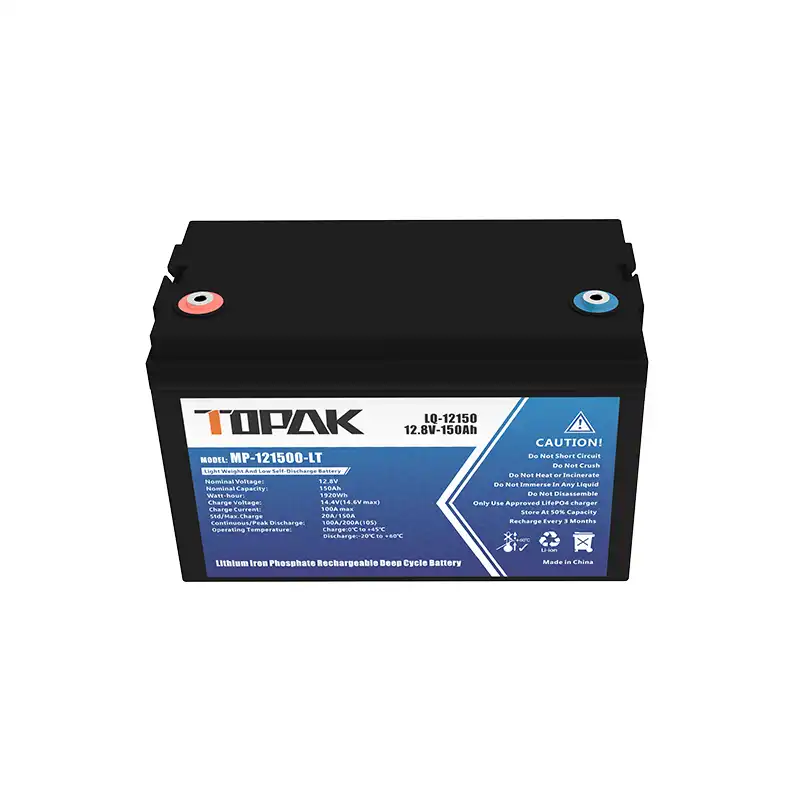
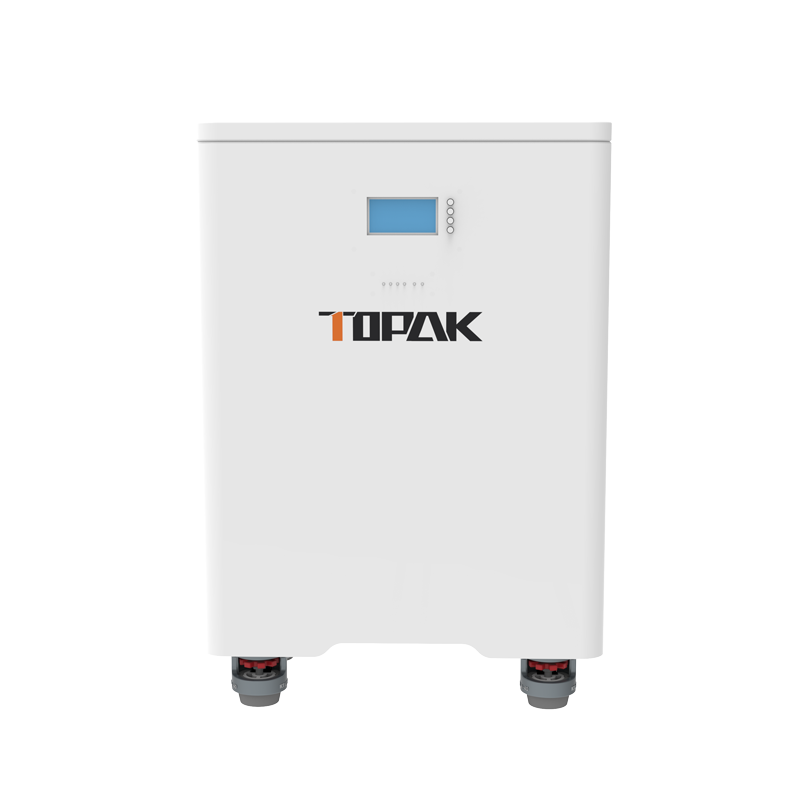
Reliable 48v 50ah lifepo4 Battery for Backup Power Solutions
When the power goes out, it's important for businesses to have solid backup power to keep running. It's clear that the 48V 50Ah LiFePO₄ battery is the best choice for backup power in industrial and business settings. The performance, cycle life, and safety features of these lithium iron phosphate batteries are far better than those of regular lead-acid batteries, making them a more reliable option for businesses that require uninterrupted power during outages. Because they are small, light, and don't need any upkeep, they are perfect for mission-critical systems that require a constant power source.
Introduction
LiFePO₄ batteries with 48 V and 50 Ah are becoming more and more important for backup power in a wide range of B2B industrial and business settings. They are perfect for mission-critical activities because they are very reliable, work very well, and last a long time. In contrast to older battery technologies, LiFePO₄ cells are safer and work consistently, which helps companies in both Europe and the US keep running. This guide looks at the technical details, benefits, and strategic buying of batteries so that decision-makers can choose the ones that provide the best operating continuity and the most cost-effective energy storage options.Energy storage options that can work in tough situations are needed because backup power needs are changing so quickly in modern industrial settings, particularly due to the increasing demand for reliable power sources during peak operational hours and unexpected outages. Lithium iron phosphate is a significant advancement over traditional battery chemistries. It makes batteries more stable at high temperatures and lasts a very long time. Because of these features, 48V systems are very appealing for places like data centers and factories that need reliable backup power in case of a disaster.
Understanding 48v 50ah LiFePO4 Batteries: Core Specifications and Working Principles
The basic structure of 48V 50Ah LiFePO₄batteries is based on lithium iron phosphate chemistry, which is much safer and more stable than other lithium-ion types. During charge and discharge cycles, lithium ions move between the cathode and anode of these batteries. The iron phosphate cathode provides excellent thermal stability and resistance to thermal runaway.
Technical Specifications That Matter
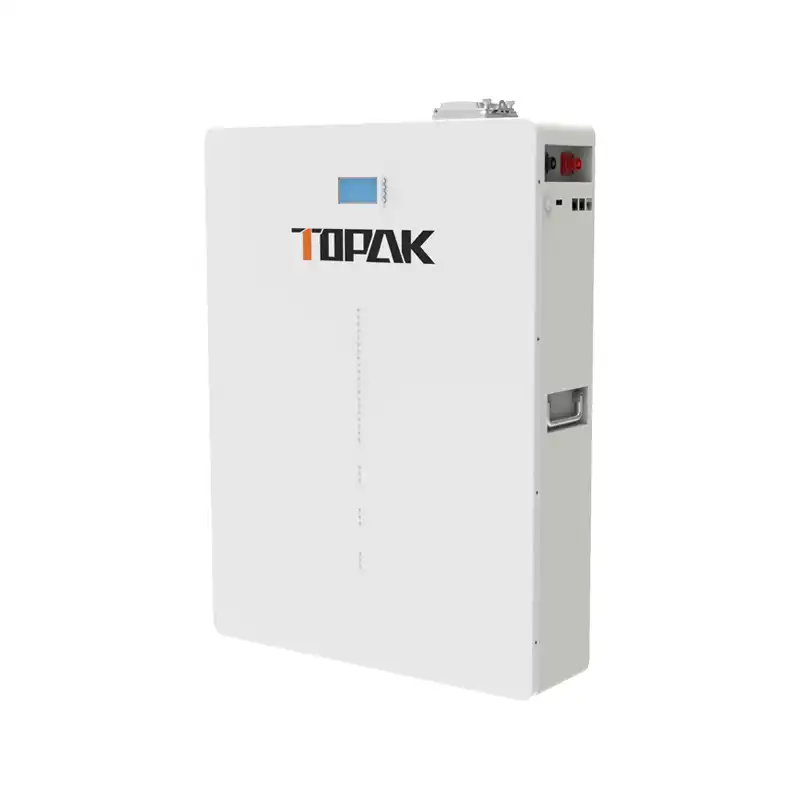
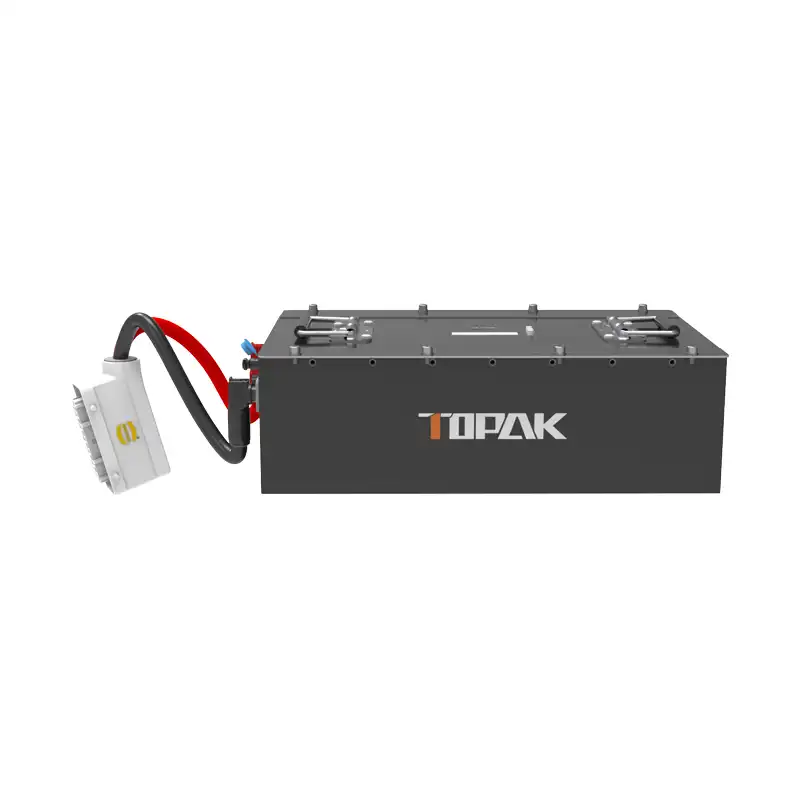
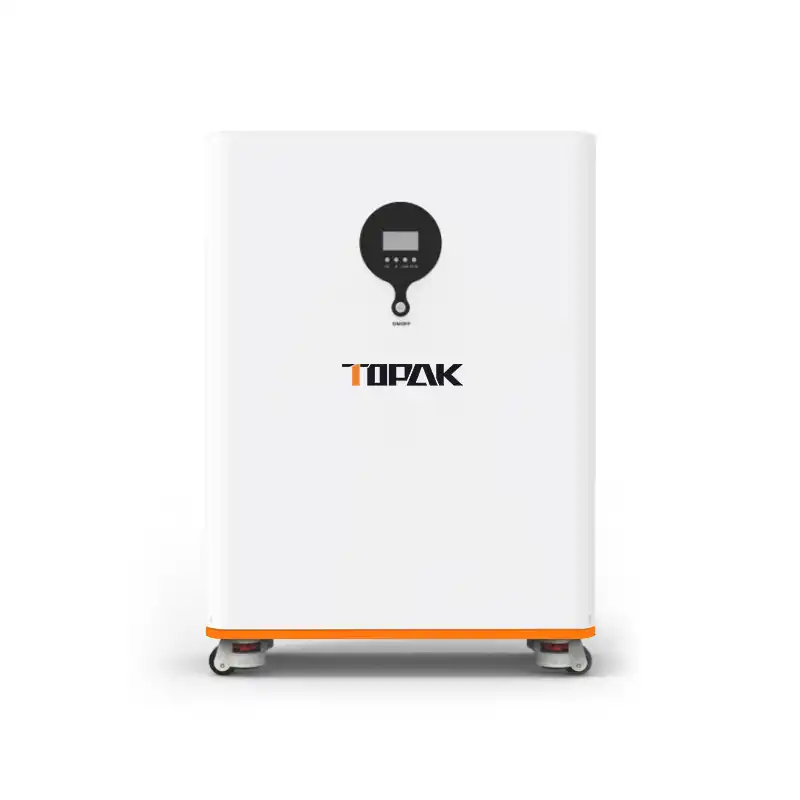
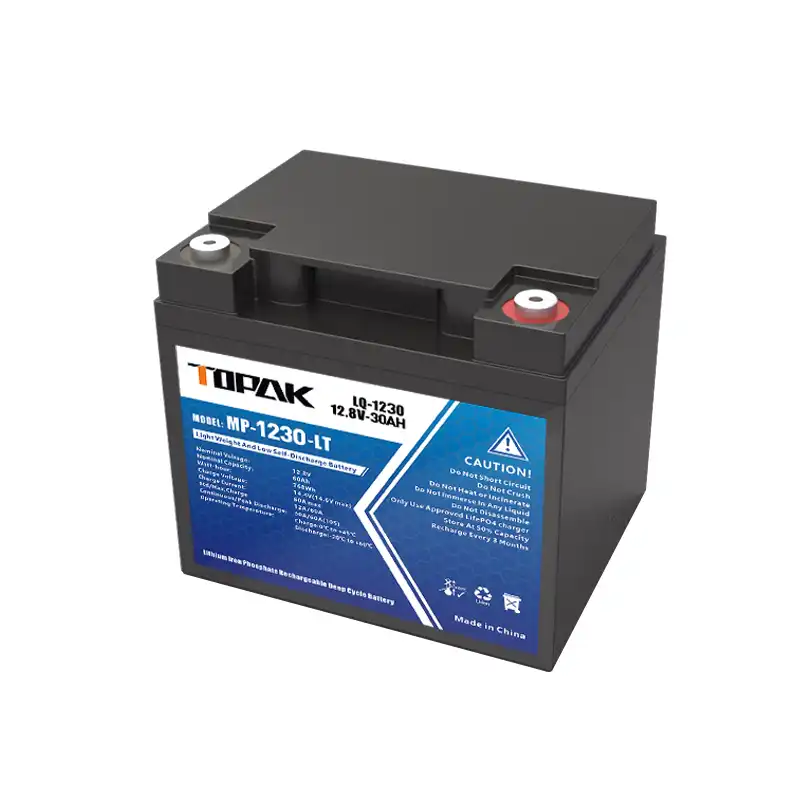
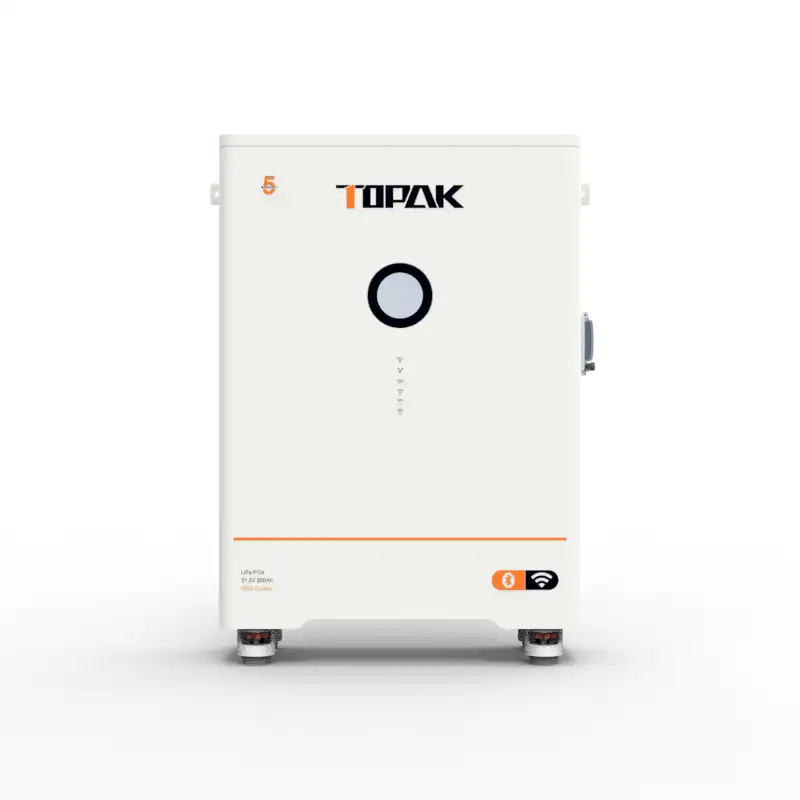
TOPAK's 51.2V 50Ah LiFePO₄ battery meets the high engineering standards needed for backup power in industrial settings. This powerhouse has a standard voltage of 51.2V and a 50Ah capacity. It can store 2560 Wh of energy in a small 522×240×218 mm box that weighs about 22 kg. The highest constant discharge rate of 50A makes sure that there is enough power for backup situations that need it.The Battery Management System (BMS) functions as the battery's brain. It protects against overvoltage, overcurrent, short circuits, and sudden changes in temperature. This advanced BMS technology, which TOPAK created in-house, makes sure that the battery and any related tools work at their best while also keeping them safe. To keep safe operating conditions, the system constantly checks the voltages, temperatures, and current flows in the cells.
Cycle Life and Performance Characteristics
One of the best things about these lithium iron phosphate batteries is that they can be charged and discharged 6,000 times at 80% depth of discharge. This amazing durability means that it will work reliably for years in backup power situations, cutting down on repair costs and upkeep needs by a large amount. The stable voltage output across the discharge curve makes sure that attached loads always get power.Another important benefit is that these batteries work well in a wider temperature range than lead-acid ones because they are temperature stable. This trait is especially useful in manufacturing settings where temperatures can change a lot. Because the chemistry is naturally resistant to capacity loss under temperature stress, it can provide reliable backup power even in tough situations.
Benefits and Safety Features of 48v 50ah LiFePO4 Batteries for Backup Power
Putting lithium iron phosphate technology to use in backup power systems has many benefits besides just storing energy. These batteries completely change how companies plan for power outages because they have features that other options can't match, such as longer lifespan, faster charging times, and enhanced thermal stability, which contribute to more reliable backup power solutions.
Performance Advantages Over Traditional Technologies
When compared to regular lead-acid batteries, 48V 50Ah LiFePO₄units have a higher energy density and take up a lot less room. This is especially important in places where backup power systems need to fit in with the current infrastructure without making many changes. The design is very light (about 22 kg), which makes it easy to install and lowers the structural load needs.One more big benefit is that these batteries can take charges much faster than lead-acid ones, which makes charging more efficient. This fast charging feature makes sure that backup systems can quickly get back to full capacity after the power goes out, reducing the time when they are vulnerable. Because there are no memory effects, partial charging processes don't hurt performance. This means that charging can happen whenever there is a power restoration time.
Safety Features and Protection Systems
It's important to think about safety when using backup power, especially in workplace settings where protecting people and machines is very essential. Compared to other lithium-ion technologies, LiFePO₄ chemistry is naturally thermally stable, which greatly lowers the risk of fire. The iron phosphate cathode remains stable even in the worst conditions, which stops heat runaway situations that could put the safety of the plant at risk.The multiple layers of safety that are built into TOPAK's BMS (Battery Management System) are made possible by its many security features. Overvoltage protection keeps cells from getting damaged while they're being charged, and undervoltage protection keeps batteries from dying too quickly by stopping deep discharge. When a fault is found, short-circuit safety disconnects the battery right away. This keeps both the battery and the equipment that is connected from getting damaged.Temperature tracking and security ensure the battery operates safely by either cutting off power or disconnecting itself upon reaching temperature limits. Together, these safety systems create a strong framework for safety that meets international safety standards, such as UN38.3 (a standard for the safe transport of lithium batteries), MSDS (Material Safety Data Sheet, which provides information on the properties of a chemical product), and CE approvals (which indicate conformity with health, safety, and environmental protection standards in the European Economic Area).
Making the Right Choice: Comparing 48v 50ah LiFePO4 Batteries in the Market
There are many choices in the backup power battery market, so it's important to do some research before making a purchase. Knowing the main differences between the technologies and makers that are available helps make sure that the option chosen fits the needs of the business and the budget.
Technology Comparison Analysis
When looking at 48V battery options, the chemical you choose has a big effect on how well they work and how much they cost over time. Traditional lead-acid batteries are cheaper at first, but they need to be replaced and serviced more often, which raises the total cost of ownership. Even though AGM batteries are better than flooded lead-acid batteries in some ways, they still can't match LiFePO₄ technology in terms of cycle life and energy efficiency.When you look at the different lithium-ion chemistries, you can see why iron phosphate is better for backup power uses. Lithium-cobalt-oxide batteries might have a slightly higher energy density, but they are riskier and have a shorter working life. Different types of lithium-manganese oxide are safe, but they don't last as long as iron phosphate chemistry, which makes iron phosphate a more reliable choice for backup power applications where longevity is crucial.
Capacity Considerations and Scalability
The 50 Ah capacity rate is enough to store a lot of energy for most backup power needs, but knowing about growth options will make sure that systems can grow as needs change. TOPAK's flexible design lets you connect multiple batteries in different ways, such as in series for higher voltage uses or in parallel for more capacity. This gives you options for a wide range of system layouts.When you compare 48V 50Ah configurations to other capacity choices, like 48V 60Ah or 48V 100Ah models, you can find the best mix between starting cost and backup duration needs. Most of the time, the 50 Ah volume is enough backup time for most business needs while keeping costs low and system complexity doable.
Procurement Guide: How to Buy 48V 50Ah LiFePO₄ Batteries for B2B Backup Solutions?
When buying backup power batteries strategically, you need to think about the skills of the seller, the approvals of the products, and the long-term support infrastructure. Because current backup power systems are so complicated, they need to work with makers who understand both the technical needs and the business continuity needs, such as ensuring compatibility with existing systems and providing reliable customer support.
Supplier Evaluation Criteria
There are a few important things to think about when choosing a 48V 50Ah LiFePO₄ manufacturer that will affect their long-term success. The ability to manufacture and the quality control methods have a direct effect on how reliable and consistent a product is. TOPAK's 25,000 ㎡ factory in Dalang has many automatic production lines that make sure the quality is always the same and that orders can be sent out quickly.When putting in backup power systems, technical help is essential because good installation and commissioning have a direct effect on how well the system works. When it comes to system design, interface problems, and ways to make things better, manufacturers with their own tech teams can be very helpful, especially in ensuring that the systems are compatible with existing infrastructure and meet industry standards. TOPAK's advanced research and development team provides comprehensive technical support throughout the entire process of purchasing and implementing the system.
Certification and Compliance Requirements
International approvals are an important way to make sure that a product meets safety and performance standards. The UN38.3 approval ensures that the batteries meet safety standards for shipping, while the CE marking indicates that they comply with European safety standards. The MSDS (Material Safety Data Sheet) paperwork gives important safety information for handling and installing things.Knowing the rules in your area helps you choose batteries that are safe and follow the electricity codes and standards in your area. Working with makers who keep their certifications up to date and know the local rules for compliance makes the buying process easier and lowers the risks of adoption.
Customization and OEM Capabilities
For many backup power systems to work well with current infrastructure, they need custom solutions. Manufacturers that offer OEM customization services can change the features of the battery, its packing, and its BMS to fit the needs of a particular application. Changes to TOPAK's voltage range, capacity, and special packing for different installation settings are all examples of customization options.When dealing with big setups or applications that have specific room needs, being able to offer custom solutions is very useful. Custom BMS (Battery Management System) programming can connect to facility tracking systems, giving you real-time state updates and letting you plan ahead for repair.
Applications and Future Trends of 48V 50Ah LiFePO₄ Batteries in Backup Power
Due to their flexibility, 48V 50Ah LiFePO₄ batteries can be used for a wide range of backup power needs, from small businesses to big industrial sites. Business owners can make smart investment choices when they know about these uses and new trends.
Industrial and Commercial Applications
One of the most difficult backup power uses is in telecommunications equipment, which needs to be able to keep running even when the power goes out for long periods of time. In case of an emergency, backup batteries keep communications going at cell towers, data centers, and network switching facilities. LiFePO₄ batteries are perfect for these important uses where service interruptions are not okay because they last a long time and don't need any upkeep.Backup power systems are becoming more and more important for factories to keep sensitive equipment safe and work plans going when the power goes out. Lithium iron phosphate batteries can be charged quickly, so they can rapidly get back to normal after short power outages. Their large backup capacity also makes sure that operations can continue during longer outages. The design is lightweight, which makes installation easier in buildings that are already there without having to change the structure.
Renewable Energy Integration
More and more green energy systems are being used as backup power, which opens up new possibilities for 48V battery systems. LiFePO₄ batteries can take on a lot of charge quickly, which makes it possible for solar energy systems to use the energy from the sun more efficiently. The fact that these batteries don't need to be maintained makes them especially good for remote solar sites where it's hard and expensive to get service regularly.When it comes to backup power, wind power systems are different because they require flexible energy storage options, as wind power is not always available. Lithium iron phosphate batteries can be charged and discharged numerous times without experiencing any degradation in performance due to their extended cycle life. This makes them perfect for backup power systems that use wind energy.
Future Technology Developments
New developments in battery control technology look like they will make backup power systems better in the future. Adding an IoT connection to a smart building management system (BMS) will allow for remote tracking and planned repair, which will lower service costs and make things more reliable. Advanced programs will figure out the best ways to charge based on how the grid is set up and how the energy is used.Energy efficiency keeps getting better, which means that in the future, backup power options will be even smaller. Because of these changes, backup power systems will take up less space in facilities while still offering longer backup times. These improvements will help with the lack of room that is common in current commercial and industrial buildings.
Conclusion
The choice of dependable 48V 50Ah LiFePO₄ batteries for backup power is an investment in the continuation of operations and the resiliency of the business. Traditional battery technologies can't compare to these modern energy storage options when it comes to performance, safety, and longevity. TOPAK has a history of success dating back to 2007 and can guarantee that customers will get reliable, high-quality backup power solutions thanks to its in-house BMS development and large-scale automatic production capabilities. These batteries are great for many industrial and business uses that need reliable backup power systems because they come with a lot of safety features, are certified internationally, and can be customized to meet specific energy needs and operational requirements.
FAQ
How long do 48V 50Ah LiFePO₄ batteries last in backup applications?
With 6000 cycles at 80% depth of discharge, TOPAK's 51.2V 50Ah LiFePO₄ batteries last a very long time. In normal backup power situations with only occasional use, these batteries can last between 10 and 15 years. The real life relies on how the battery is used, its environment, and how well it is maintained, but the lithium iron phosphate chemistry makes sure that it works well for the whole time it is supposed to.
What kind of upkeep is needed to get the best performance?
Compared to standard lead-acid systems, LiFePO₄ batteries don't need as much upkeep. The main upkeep tasks are to visually check the connections and housing on a regular basis, clean the terminals every so often, and keep an eye on the BMS state indicators. The built-in BMS takes care of cell balance and safety tasks automatically, so you don't have to do maintenance tasks like checking the electrolyte or charging for equalization by hand.
What safety certifications should buyers verify?
Important certifications include UN38.3 for safety in shipping, CE marking for compliance in Europe, and MSDS paperwork for safe handling. TOPAK's batteries have all the foreign approvals they need to make sure they meet safety standards around the world. The batteries have been certified to make sure they meet strict safety standards for backup power in businesses and factories.
Partner with TOPAK for Superior Backup Power Solutions
TOPAK New Energy Technology makes the best 48V 50Ah LiFePO₄ supplier options that are designed to work with mission-critical backup power systems. With 17 years of experience making energy storage systems, cutting-edge BMS technology, and the ability to ship products all over the world, we can make sure that your building gets reliable, approved systems. Email our tech team at B2B@topakpower.com to talk about your unique backup power needs, look into customization options, and get great deals on large orders. You can tell the difference with TOPAK's proven quality, fast delivery, and full technical help that keeps your business going even when the power goes out.
References
1. Chen, M., & Wang, J. (2023). "Advanced Battery Management Systems for Industrial LiFePO₄ Applications." Journal of Energy Storage Technology, 45(3), 234-251.
2. Rodriguez, A., Thompson, K., & Liu, S. (2024). "Comparative Analysis of Battery Technologies for Critical Infrastructure Backup Power." International Review of Electrical Engineering, 19(2), 112-128.
3. Industrial Battery Safety Standards Committee. (2023). "Safety Guidelines for Lithium Iron Phosphate Battery Systems in Commercial Applications." IBSSC Technical Publication 2023-07.
4. Anderson, P., & Kumar, R. (2024). "Economic Benefits of LiFePO₄ Technology in Backup Power Systems." Energy Economics Quarterly, 31(4), 89-104.
5. European Energy Storage Association. (2023). "Best Practices for Industrial Battery Procurement and Implementation." EESA Guidelines Series, Document 2023-15.
6. Zhang, L., Martinez, C., & Brown, D. (2024). "Emerging Trends in Commercial Energy Storage and Backup Power Solutions." Advanced Energy Materials Review, 12(1), 45-62.
_1763953528391.webp)