Base Station Battery for 24/7 Network Power Reliability
In the telecommunications business, keeping network connections up and running is essential to making money. A strong Base Station Battery is the main part of a continuous power supply system that keeps important communication equipment running even when the power goes out, the grid becomes unstable, or demand is high. These special energy storage systems make sure that cellphone towers, data centers, and communication networks can keep running 24 hours a day, 7 days a week. This guarantee keeps them from having to pay for expensive breaks or service interruptions that can affect millions of users.
Understanding Base Station Batteries and Their Role in Network Reliability
To keep service quality and network availability high, telecommunications equipment needs a power supply that you can count on. When the main power sources go out, the base station batteries take over right away as an uninterruptible power supply. This process makes sure that the energy switch goes quickly and that there are no service problems.
Fundamental Working Principles of Telecommunications Power Systems
These days' base station batteries use complicated ways to charge and discharge to keep their energy levels at their best and give instant backup power activation. These systems keep an eye on the main power sources all the time and quickly switch to battery power if they see changes in voltage or loss of power. Smart battery management systems use the right charging methods, keep the temperature stable, and find the best discharge rate to get the most out of the batteries and make sure they last as long as possible.
Battery Chemistry Types and Their Applications
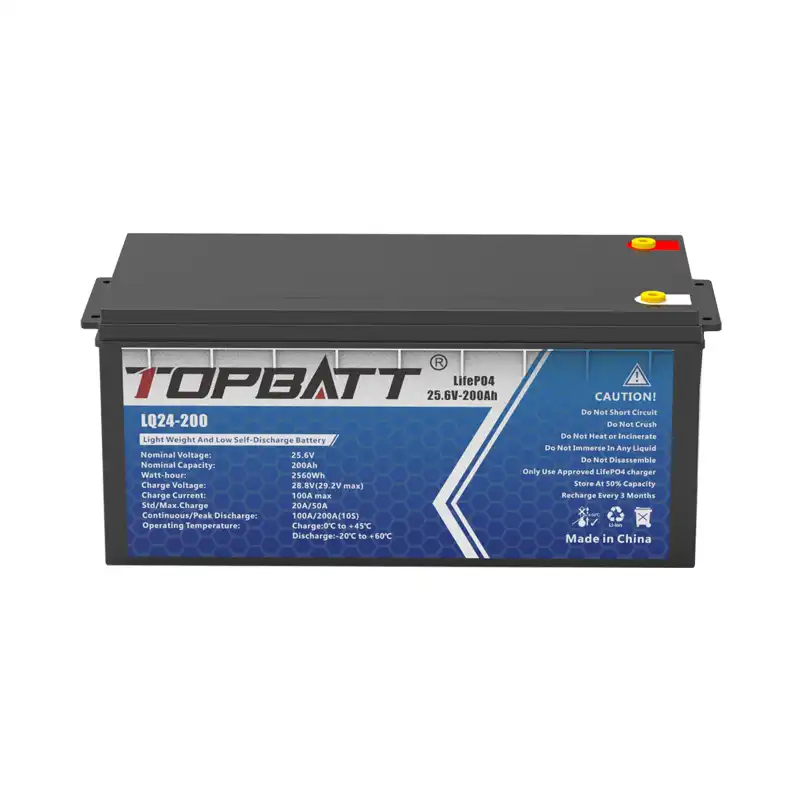
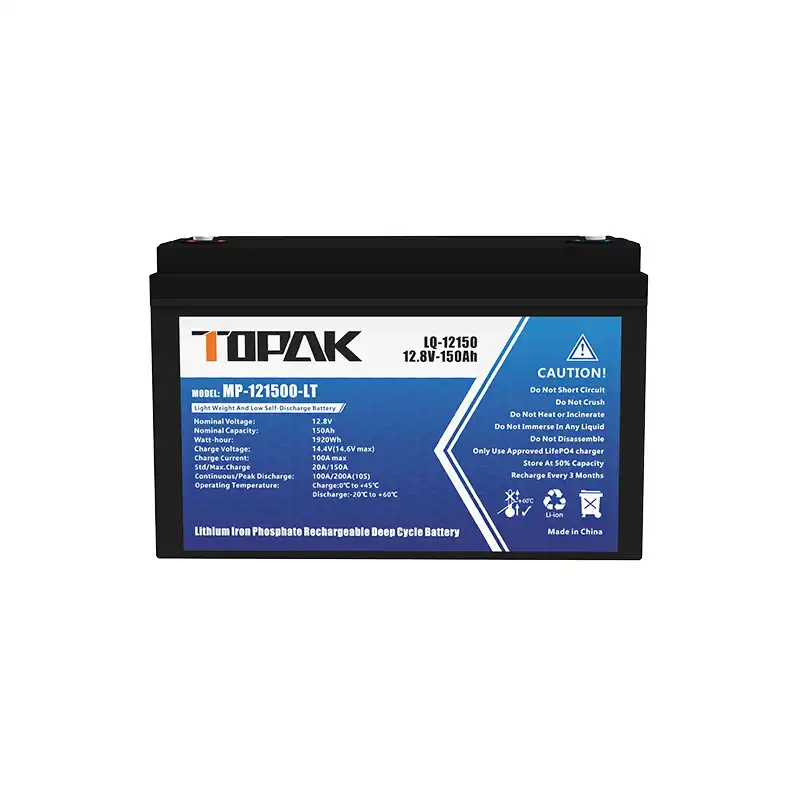
There are different kinds of battery systems used in the telecommunications industry. Each is useful for different things. Lead-acid batteries have been around for a long time because they are cheap, but they don't last long and need to be taken care of. Nickel-metal hydride batteries are better, but they are still too pricey for most people to use. Modern lithium iron phosphate (LiFePO₱) technology is now the best choice because it has more energy per unit area, lasts longer, and has better safety features that work with today's networks.
Critical Technical Specifications for Network Applications
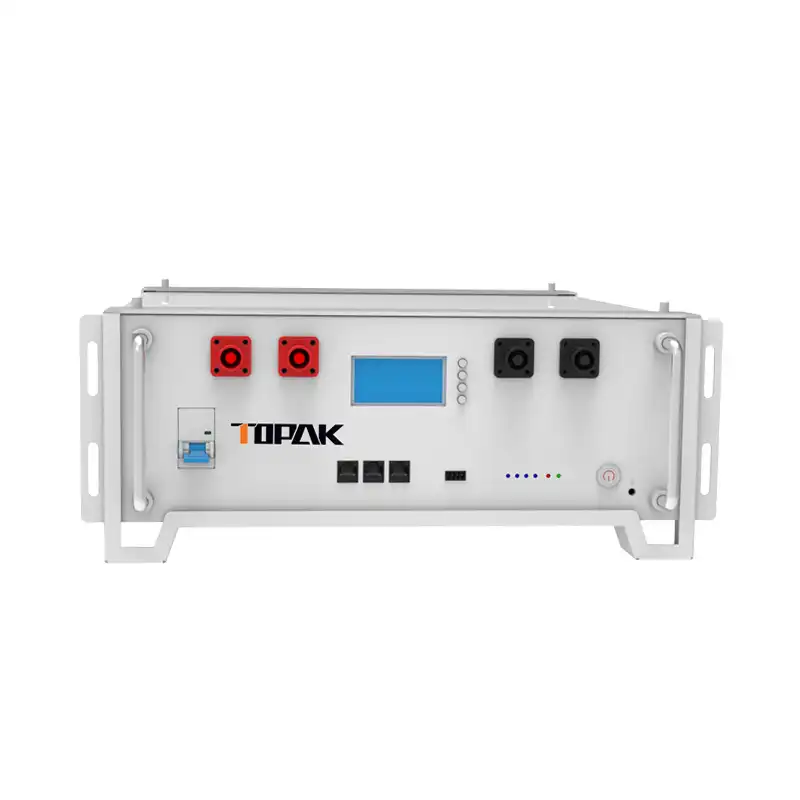
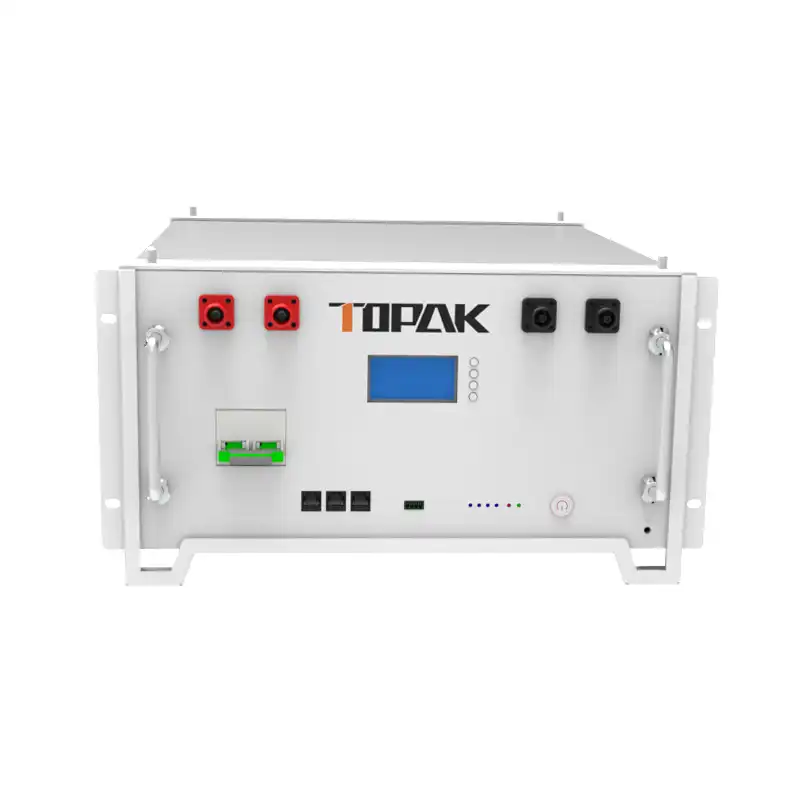
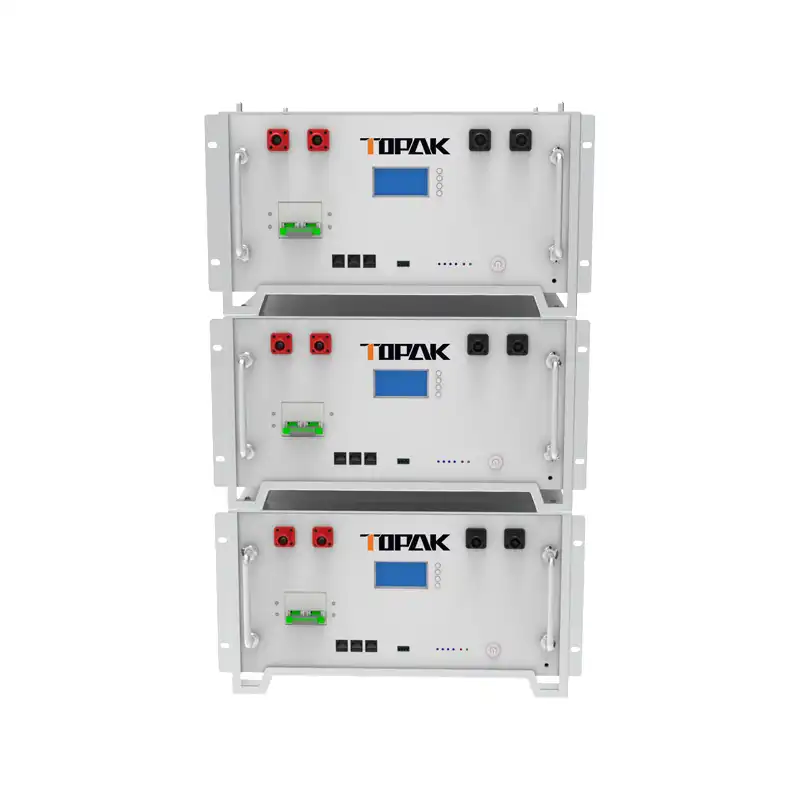
If buying pros know how to measure key performance indicators, they can choose the best batteries to buy. The voltage needs to be between 12V and 48V, and the backup length is based on the capacity, which is given in ampere-hours (Ah). The TOPAK TP-4840T type has the best specs in its class. It comes in a small 442x400x177mm package and has a standard voltage of 48V. It can store 40Ah of energy and 1920Wh of energy. The numbers make sure there is a lot of extra power while still leaving enough space, which is very important for phone sites.
How to Choose the Best Base Station Battery for Continuous Power Supply?
When picking the best batteries, you should think about how they will be used, the weather, and the cost over time. Base Station Battery To make buying plans work, they need to make sure that the batteries' features match the needs of the network and that they can be used with the current infrastructure.
Evaluating Capacity and Backup Duration Requirements
Network companies need to figure out how long backups need to last based on data from past outages and standards for area stability. It's important to think about how much power you use when things are busy, how heavy your gear is, and how long you want the backup to last. With a 40 Ah capacity and a 40 A maximum steady discharge, the TP-4840T is a stable power supply for long backup times. It keeps important links running during long power outages.
Efficiency and Performance Optimization Factors
Power systems for modern telecoms gear need to be very efficient and lose as little energy as possible. When shopping for a battery, try to find ones that can be charged quickly, have a low voltage drop when they're under load, and work well in a range of temperatures. Smart charging, cell balance, and real-time tracking in modern battery management systems make them work better. This is done by making the battery work better and keeping it safe from overcharging or deep discharge.
Environmental and Operational Compatibility Assessment
A lot of different kinds of weather can cause problems at transmission spots. They need base station batteries that will always work, even when it's hot, wet, or there's an earthquake. Some of the safety features built into the TP-4840T are over-voltage, over-current, short circuit, and temperature protections. These make sure that it works well even in tough situations. Making these safety moves will protect the tools and keep the power on no matter what the weather is like outside.
Advancements and Advantages of Lithium Base Station Batteries
Moving toward energy storage based on lithium is a big step forward for the power grid for telecommunications. It is much better than older battery systems in terms of how well it works, how reliable it is, and how efficiently it uses energy.
Limitations of Traditional Lead-Acid Technology
Conventional lead-acid batteries have a number of operating issues that affect the cost-effectiveness and long-term dependability of networks. These systems usually only last 500 to 1000 charge cycles before their capacity starts to drop. They need regular upkeep like adding water and cleaning the terminals, and they don't work as well in very hot or cold temps. Lead-acid batteries also have voltage drops when they are under a lot of stress and need a lot of room because they store less energy.
Technical Improvements and Benefits of Lithium Solutions
Lithium iron phosphate (LiFePO₄) technology gets around the problems with regular batteries by having a higher energy efficiency, longer cycle life, and better safety features. Base Station Battery The TP-4840T has these benefits because it has a 3000+ cycle life at 80% depth of discharge, which is three to six times longer than lead-acid options. The small design, which weighs about 25 kg, stores 1920 Wh of energy, which greatly reduces the installation space and structure needs while providing the same or better backup capacity.
Real-World Performance and Future Technology Trends
After putting in lithium batteries, telecommunications companies around the world say their networks are much more reliable and upkeep costs are much lower. The performance of these systems stays the same in a variety of working situations, and they don't need much maintenance. Lithium battery technology is still getting better thanks to new ideas like digital tracking, integrating battery management systems, and modular design. These solutions will be the basis for the next generation of telecommunications infrastructure.
Maintenance, Testing, and Extending the Life Expectancy of Base Station Batteries
Putting in place thorough repair plans and tracking systems improves battery performance, increases operational life, and stops sudden failures that could hurt network stability.
Essential Maintenance Routines and Monitoring Practices
Regular visual checks, checking that the connections are tight, and keeping an eye on the surroundings are all parts of good battery care. The TP-4840T doesn't need to be serviced regularly because it doesn't need any upkeep. It also has a built-in battery management system (BMS) that keeps an eye on voltage, current, temperature, and cell balancing. Capacity verification, discharge testing, and performance tracking should all be part of scheduled testing processes so that problems can be found before they affect how the network works.
Battery Health Testing and Failure Prevention
Advanced diagnostic methods make it possible to find patterns of battery decline and possible failure causes early on. Modern lithium systems have advanced tracking tools that keep an eye on how each cell is working, how efficiently it charges, and how it reacts to heat. The built-in BMS in TOPAK's solutions gives real-time information on the health of the system, changing charging parameters automatically and sending early warnings when performance parameters stray from the ideal ranges.
Sustainable Disposal and Environmental Responsibility
As part of responsible battery lifetime management, batteries must be thrown away and recycled in a way that follows environmental laws and helps reach sustainability goals. Compared to other battery technologies, lithium iron phosphate chemistry is better for the environment because it contains fewer harmful materials and can be recycled more easily. Partnering up with approved recycling centers makes sure that the right materials are recovered and that legal requirements are met.
Procurement Strategies for Base Station Batteries: Pricing, Suppliers, and Delivery
Creating good purchase strategies requires carefully evaluating suppliers, making smart buying choices, and building long-lasting partnerships to ensure a steady supply and the best cost management.
Wholesale and Bulk Purchasing Considerations
Bulk buying strategies that take advantage of big discounts while maintaining uniform product quality and shipping schedules are helpful for large-scale telecommunications projects. Base Station Battery TOPAK can handle large orders with standard quality control procedures and reliable delivery times thanks to its automated production capabilities. Customization options, longer guarantee terms, and specialized technical support are common parts of bulk purchase deals that make the whole project more valuable.
Supplier Evaluation and Quality Assessment
To find dependable battery suppliers, you need to carefully look at their manufacturing skills, quality certifications, and expert help resources. TOPAK has a history going back to 2007 and has many certifications, such as UN38.3, MSDS, and CE compliance, which show they are good at making things and following the rules. The company's 25,000 ㎡ manufacturing plant and ability to create BMS (Battery Management Systems) in-house give it the technical know-how and production power for tough telecommunications tasks.
Long-Term Partnership Benefits and Support Services
Building long-term connections with reputable manufacturers gives you access to ongoing expert help, new versions of products, and a steady supply of goods. TOPAK's world delivery network, which includes more than 15 countries, makes sure that customers can get help quickly and in their own language. Full support after the sale, including help with installation, performance improvement, and repair services, makes the system more reliable and reduces the number of times it stops working.
Conclusion
Reliable base station batteries are important investments in infrastructure that have a direct effect on the performance of telecommunications networks, customer happiness, and the bottom line. The move toward more modern lithium iron phosphate technology, shown by products like TOPAK's TP-4840T, gives phone companies better performance, longer service life, and fewer upkeep needs. Strategic methods to buying that focus on quality, dependability, and building long-term partnerships guarantee the best return on investment while supporting 24/7 network reliability goals that are necessary for modern telecoms infrastructure.
FAQ
What backup duration can I expect from a 48V 40Ah base station battery?
The length of the backup power varies on how much power the connected equipment uses, but for normal base station configurations, a 48V 40Ah system like the TP-4840T usually gives 4 to 8 hours of backup power. The 1920 Wh (watt-hour) energy capacity lets the network keep working even when the power goes out for longer periods of time.
How do lithium batteries compare to lead-acid in terms of total cost of ownership?
Even though they cost more to buy at first, lithium iron phosphate batteries have a much lower total cost of ownership. The TP-4840T has a 3000+ cycle life, which is 3–6 times longer than lead-acid options. It also doesn't need any upkeep, so it doesn't cost anything to run and is easier to use.
What safety standards should I look for in telecommunications batteries?
Some important qualifications are UN38.3 for safety in shipping, CE marking for compliance in Europe, and MSDS paperwork for safety in materials. TOPAK's wide range of certifications makes sure that all foreign markets follow the rules and that all telecommunications uses meet strict safety standards.
Secure Your Network with Reliable Base Station Battery Solutions
TOPAK New Energy Technology is ready to help your communications infrastructure with cutting-edge lithium battery options that are made to keep your network up and running 24 hours a day, seven days a week. Our TP-4840T Base Station Battery has a lot of safety features and uses tried-and-true LiFePO₄ (lithium iron phosphate) technology to give your operations the performance and life they need. Email our expert team at B2B@topakpower.com to talk about custom solutions, get full specs, and look into price options for large orders. We, as a trusted manufacturer of base station batteries, can ship our products all over the world. This means that we can help you improve your network's power infrastructure.
References
1. International Telecommunication Union. "Telecommunications Infrastructure Power Systems: Best Practices and Standards." ITU Technical Report Series, 2023.
2. Battery Management Systems Research Consortium. "Lithium Iron Phosphate Technology in Telecommunications Applications: Performance Analysis and Case Studies." Journal of Energy Storage Technology, 2024.
3. Telecom Power Infrastructure Association. "Reliability Standards for Base Station Battery Systems: Industry Guidelines and Certification Requirements." TPIA Technical Bulletin, 2023.
4. Energy Storage Research Institute. "Comparative Analysis of Battery Technologies for Critical Infrastructure Applications." "Advanced Energy Systems Quarterly," 2024.
5. Global Telecommunications Standards Organization. "Environmental Compliance and Safety Protocols for Telecommunications Battery Systems." GTSO Technical Standards Manual, 2023.
6. Industrial Battery Performance Council. "Lifecycle Cost Analysis of Lithium vs. Lead-Acid Battery Systems in Telecommunications Infrastructure. "Industrial Energy Review,"" 2024.