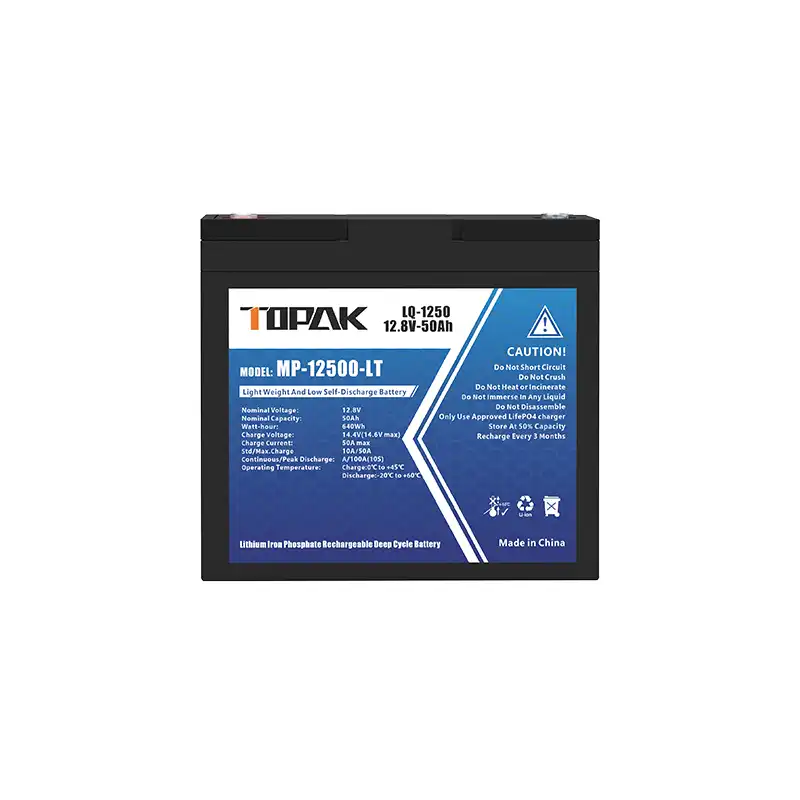
Compact 12v 150ah lifepo4 Battery for Mobile & Portable Systems
These days, portable and mobile power systems need reliable and efficient ways to store energy that can handle the stresses of being on the go and dealing with environmental issues. The small 12V 150Ah LiFePO₄ battery is a big step forward in technology for compact power. It works as well as anything used in industry and is the perfect size. For tough mobile uses in fields like telecommunications and green energy, these LiFePO4 batteries are perfect. They have a high power density, a long run life, and strong safety features.
Understanding the 12V 150Ah LiFePO₄ Battery
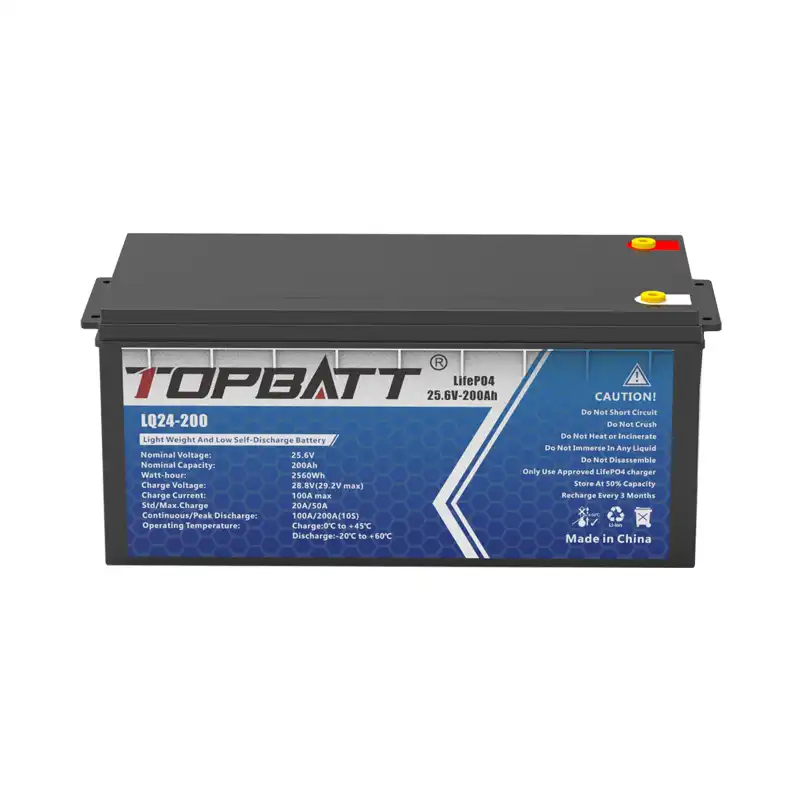
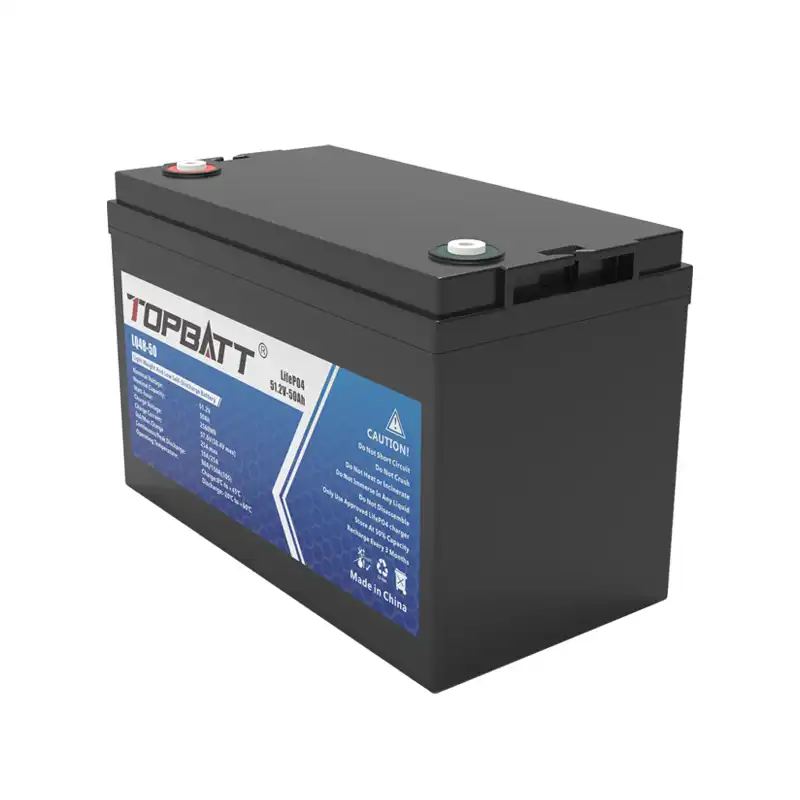
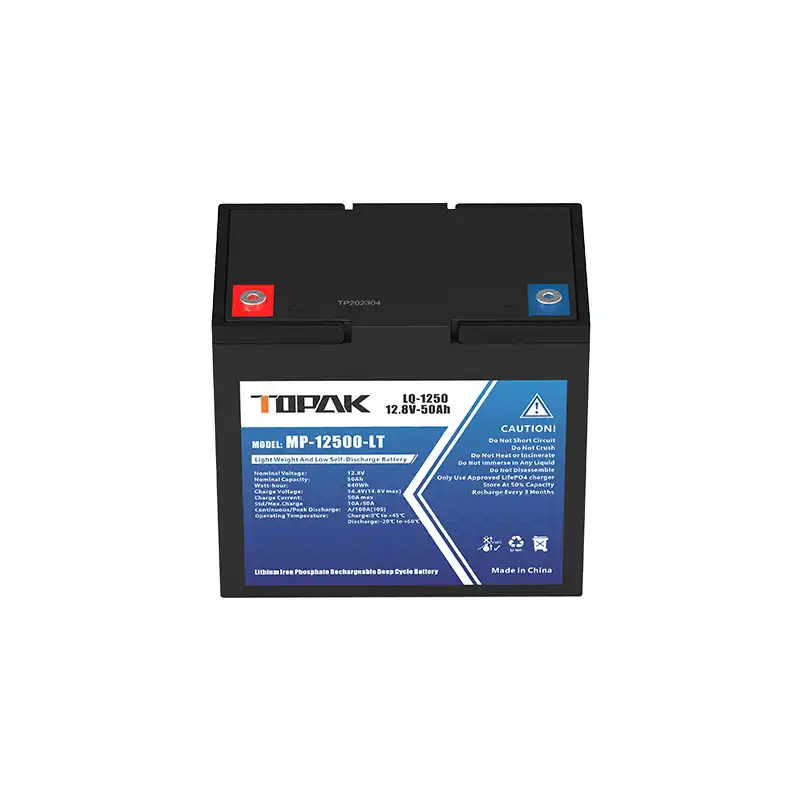
A new kind of lithium iron phosphate chemistry is used in the 12V 150Ah LiFePO battery that is very different from other battery technologies. The voltage of these batteries is 12.8V, and they have a large energy capacity of 1920Wh. This means they can power your device for a long time. Because it is made of lithium iron phosphate, it can handle heat better than other lithium-ion systems. Anything from -20°C to 60°C is fine for it to work. Great thing about apps for phones is that they can help you lose weight. It's about 16 kg lighter than lead-acid batteries of the same type, but it has the same amount of power. Because it's small (328 mm x 172 mm x 215 mm), it can work well in mobile systems that don't have a lot of room.
Technical Specifications and Core Chemistry
A new kind of lithium iron phosphate chemistry is used in the 12V 150Ah LiFePO battery that is very different from other battery technologies. The voltage of these batteries is 12.8V, and they have a large energy capacity of 1920Wh. This means they can power your device for a long time. Because it is made of lithium iron phosphate, it can handle heat better than other lithium-ion systems. Anything from -20°C to 60°C is fine for it to work. Great thing about apps for phones is that they can help you lose weight. It's about 16 kg lighter than lead-acid batteries of the same type, but it has the same amount of power. Because it's small (328 mm x 172 mm x 215 mm), it can work well in mobile systems that don't have a lot of room.
Advanced Battery Management System Integration
LiFePO batteries today have complicated battery management systems that keep an eye on and change important operating factors. The built-in Battery Management System (BMS) protects against temperature changes, overvoltage, overcurrent, and short circuits. It makes sure that the charging and draining of cells are balanced so that the system works safely and the battery lasts as long as possible. Thanks to BMS technology, systems that are linked can talk to the battery at any time. This lets the battery tell the system important details about its condition and how much power it still has. As soon as the power goes out, mobile apps that people need right now could not work, putting people in danger. This tracking tool is very important.
Cycle Life and Durability Advantages
Batteries that use LiFePO₱ chemistry last a long time. A good battery can be charged and then drained more than 6,000 times after it is 80% dead. In normal use, this means the batteries will last longer than 15 years. This means that they are a lot cheaper to own than older types of batteries, like lead-acid batteries, which usually last less long and need to be replaced more often. The battery can always hold the same amount of power because the chemicals are fixed. In other words, it always works as well as it did the first time.
Applications and Performance in Mobile & Portable Systems
Boats and RVs that aren't hooked up to the grid need power systems that are stable and can last a long time. The 12V 150Ah LiFePO₄ battery works great, even though things are tough. A clean and quiet way to power things like lights, fridges, phones, and entertainment systems. The battery's ability to withstand shaking and shock is very helpful for mobile devices that are easily damaged by mechanical stress. The battery doesn't rust and can keep working in places with a lot of moisture, so it can be used in ships. It is safe for LiFePO₄ technology to work in small areas where there is no air flow. This makes it easy to install on boats and RVs. On the other hand, while they are charging, lead-acid batteries can give off gases that are bad for you. This can be dangerous in small spaces like boats and RVs.
Recreational Vehicle and Marine Applications
Boats and RVs that aren't hooked up to the grid need power systems that are stable and can last a long time. The 12V 150Ah LiFePO battery works really well, even though things are tough. A clean and quiet way to power things like lights, fridges, phones, and entertainment systems. The battery's ability to withstand shaking and shock is very helpful for mobile devices that are easily damaged by mechanical stress. The battery doesn't rust and can keep working in places with a lot of moisture, so it can be used in ships. It is safe for LiFePO₄ technology to work in small areas where there is no air flow. This makes it easy to install on boats and RVs. Lead-acid batteries, on the other hand, can give off gases that are bad for you while they are charging. This can be especially dangerous in boats and RVs where there isn't a lot of air flow.
Industrial Mobile Equipment Integration
It is possible to quickly drain LiFePO batteries, which are used in guided cars, portable generators, and field tracking systems. These batteries can keep the voltage steady during the discharge cycle and can handle up to 150A of constant discharge. This means they can power heavy tools. Lithium iron phosphate technology's fast charging cuts down on downtime in businesses. This makes operations more efficient and boosts productivity because tools and equipment can be quickly charged and ready to use. Up to 1C of electricity can be used to charge battery devices. Getting them fully charged should take about an hour if you have the right tools. Being able to charge quickly makes things go more smoothly in fields where time is of the key, like telecommunications and remote tracking, where a steady power supply is necessary to keep networks running.
Telecommunications and Remote Monitoring
Moving backup power systems are increasingly used in telecommunications equipment to maintain network operation during main power outages or when users are in remote areas. The 12V 150Ah LiFePO₄ battery keeps base stations, repeaters, and tracking gear running smoothly and doesn't need much maintenance. The low self-discharge rate allows for the use of extra power even after prolonged storage. Remote tracking apps can use the battery because it works well in a wide range of temperatures and always does what it's supposed to do. Lithium-ion batteries work well in harsh conditions where regular batteries might not last due to high temperatures or mechanical stress. They can be used in environmental tracking stations, security systems, and data collection tools.
Comparative Insights: 12V 150Ah LiFePO₄ vs. Other Battery Types
Lead-acid batteries have been used in phones for a long time, but the new LiFePO₄ technology makes their main problems very clear. Most lead-acid batteries only give you half of their claimed capacity when they are drained to the recommended amounts. On the other hand, LiFePO₄ batteries work at full power without any harm. A 150Ah LiFePO₄ battery works just as well as a 300Ah lead-acid system because of this difference in how much power it can hold. Because of how they charge, LiFePO₄ batteries are great for smart gadgets that have a short charging time. Lead-acid batteries need to be charged in steps, and it takes them longer to fully take in the power. On the other hand, LiFePO₄ batteries can handle high charge rates for most of their charging cycle. This advantage means that they take 60–70% less time to fully charge.
LiFePO₄ versus Lead-Acid Performance Analysis
Lead-acid batteries have been used in phones for a long time, but the new LiFePO₄ technology makes their main problems very clear. When drained to the recommended amounts, most lead-acid batteries only yield half of their claimed capacity. On the other hand, LiFePO₄ batteries work at full power without any harm. A 150 Ah LiFePO₄ battery works just as well as a 300 Ah lead-acid system because of this difference in how much power it can hold. Because of how they charge, LiFePO₄ batteries are great for smart gadgets that have a short charging time. Lead-acid batteries need to be charged in steps, and it takes them longer to fully take in the power. On the other hand, LiFePO₄ batteries can handle high charge rates for most of their charging cycle. This advantage means that they take 60–70% less time to fully charge. There is a big difference in how much upkeep these systems need. Every so often, check the amount of liquid in lead-acid batteries, clean the connections, and do equalisation charges to make sure they keep working well. For as long as they work, LiFePO₄ batteries don't need any maintenance. This cuts down on the cost of labour and the chance that inadequate upkeep will cause the machine to stop working well.
Capacity Considerations: 150 Ah versus Ah Options
Before you pick between 150 Ah and 200 Ah, you should carefully think about how much power you need and how much room you have. The 150 Ah setup is best if you need to use 1.5 to 2 kWh of power every day. It takes up more space and weighs more, but the 200 Ah version can handle more power needs. We found that 150 Ah batteries are usually the best choice for mobile uses where weight and space are very important. The smaller size lets you put the battery in spots where bigger batteries wouldn't fit. The lighter weight also makes the car easier to drive and use less gas.
Brand Reputation and Quality Assessment
LiFePO₄ batteries are made by well-known companies like TOPAK New Energy Technology, which has been around for a long time and is known for its quality products. TOPAK has learned many useful skills since it began in 2007. For example, it can now make its own business management systems (BMS) and run huge automatic production lines. Quality control stays the same thanks to this vertical merger, and apps can be changed to meet their needs, ensuring that the production processes remain efficient and compliant with industry standards. Quality marks such as UN38.3 (a standard for the safe transport of lithium batteries), MSDS (Material Safety Data Sheet), and CE approval (a certification indicating conformity with health, safety, and environmental protection standards) prove that the item meets safety and effectiveness standards set by other countries. People who buy from other businesses (B2B) feel safe when they have these licenses because they make sure that the equipment meets safety standards for many different venues and uses.
Procurement Strategies for 12V 150Ah LiFePO₄ Batteries in B2B Markets
If you want to buy LiFePO₄ batteries, you need to carefully check out each seller, paying special attention to how well they make the batteries, how they check for quality, and how they offer expert help. People who have been in business for a while and have ISO9001:2015, ISO14001:2015, and ISO45001:2018 standards demonstrate their commitment to quality control and environmental management. ISO9001:2015 is a standard for quality management systems, ISO14001:2015 focuses on effective environmental management, and ISO45001:2018 pertains to occupational health and safety management. These rights show that the ways of keeping designs under control, making sure that goods are always the same, and always getting better, are stable. When adding batteries to mobile systems that are already difficult, it's very helpful to have expert help. Custom BMS code, help with integrating systems, and application-specific testing from providers are all valuable extras that explain the higher prices. Getting help from experts in the area speeds up projects and makes sure that systems work at their best.
Supplier Evaluation and Selection Criteria
If you want to buy LiFePO₄ batteries, you need to carefully check out each seller, paying special attention to how well they make the batteries, how they check for quality, and how they offer expert help. People who have been in business for a while and have ISO9001:2015, ISO14001:2015, and ISO45001:2018 standards demonstrate their commitment to quality control and environmental management. ISO9001:2015 is a standard for quality management systems, ISO14001:2015 focuses on effective environmental management systems, and ISO45001:2018 pertains to occupational health and safety management systems. These rights show that the ways of keeping designs under control, making sure that goods are always the same, and always getting better, are stable. When adding batteries to mobile systems that are already difficult, it's very helpful to have expert help. Custom BMS code, assistance with system integration, and application-specific testing from providers are all valuable extras that explain the higher prices. Getting help from experts in the area speeds up projects and makes sure that systems work at their best.Businesses that buy from other businesses still care a lot about how reliable the supply chain is when they are trying to make things or fix them. If you need something quickly, sellers with global transportation networks and warehouse management systems can always get it to you. TOPAK is in more than 15 countries, which shows that it can reach businesses all over the world.
Cost Optimisation and Volume Purchasing
When you buy in bulk, you can save a lot of money on each item while still making sure you have enough for ongoing tasks. There are many sellers who use tiered pricing, which means that customers who make big claims get big savings. You can be sure of the costs and still have the freedom to work if you negotiate yearly contracts with open shipping dates. The total cost of ownership study should include the initial purchase price, setup, maintenance, and disposal. People often find that the extra cost of LiFePO₄ batteries at first is worth it in the long run because they last longer and don't need as much maintenance.
Quality Assurance and Testing Protocols
Big programs that check the quality of everything make sure that all battery lots work the same and keep you safe from fake goods. Providers you can trust will give you full test records that include the results of safety tests, checking the capacity, and measuring the internal resistance. The paperwork in these sets helps quality control systems do their job and keeps track of important applications, such as ensuring compliance with safety standards and facilitating the traceability of battery performance over time. Having a third-party test and approve a product makes people more sure that it is safe and of excellent quality. Well-known labs like UL, TÜV, or similar groups that test batteries give them more weight and may make it easier for end-use apps to get approval, as their certifications are recognised by regulatory bodies and can streamline the compliance process for manufacturers.
Future Outlook and Trends in LiFePO₄ Battery Technology
12V 150Ah LiFePO₄ battery technology continues to improve due to ongoing research and development, which is leading to better chemicals and improved manufacturing methods for the batteries. The next generation of cathode materials should have more energy in them while still having the safety features that make LiFePO₄ chemistry useful for mobile uses, such as improved thermal stability and reduced risk of thermal runaway, which are critical for applications in electric vehicles and portable electronics. These days, there are different kinds of salts that can work in different temperatures and charge faster when conditions are bad. Automatic cell assembly and better quality control systems are two new technologies in manufacturing that have made production more regular while cutting costs. LiFePO₄ technology is now more and more comparable to older options in a wider range of applications, thanks to these changes, such as in electric vehicles and renewable energy storage systems.
Emerging Technology Advancements
LiFePO₄ battery technology is still getting better thanks to research and development, which is making better chemicals and ways to make the batteries. The next generation of cathode materials should have more energy in them while still having the safety features that make LiFePO₄ chemistry useful for mobile uses. These days, there are different kinds of salts that can work in different temperatures and charge faster when conditions are bad. Automatic cell assembly and better quality control systems are two new technologies in manufacturing that have made production more regular while cutting costs. LiFePO₄ technology is now more and more comparable to older options in a wider range of applications, thanks to these changes, such as in electric vehicles and renewable energy storage systems, which require efficient and reliable battery performance.
Market Demand Drivers
Electricity is becoming more popular around the world, which is driving up the need for high-performance battery options. LiFePO₄ batteries can be used in mobile and fixed products due to government rules. Many people want battery innovations as the transportation industry moves toward electric cars. This move makes savings of scale that help all groups of applications. Companies are trying to have less of an impact on the earth, so sustainability is becoming more important to them when they buy things, especially as they seek to align their purchasing decisions with environmentally friendly practices and consumer expectations. LiFePO₄ batteries help companies meet their environmental goals because they last longer, can be reused, and don't contain any harmful chemicals. They also work better than other choices.
Strategic Partnership Considerations
People who buy batteries and people who use them can work together to make the best choices for certain uses if they do so for a long time. Suppliers can make things that work better and cost less if they spend money on application-specific study and customisation, which can lead to improved product performance and customer satisfaction in various industries. This gives them an edge over their competitors. With the current problems in the world, it's more important than ever that the supply line is strong. Critical applications are safer when their providers have a number of different places where they can make things and good methods for keeping track of their stockpiles, which ensures reliability and minimises disruptions in the supply chain. Partners agree on terms for stable prices and guaranteed supply amounts. These agreements protect businesses from changes in the market and keep them running by ensuring that they have reliable access to necessary resources, which is crucial for maintaining operations and meeting customer demands.
Conclusion
The small 12V 150Ah LiFePO₄battery is a game-changer for handheld and mobile power systems because it packs unbeatable power in a safe, small size. Because they can be charged quickly, last a long time, and don't need much maintenance, these batteries meet the changing needs of many fields, from green energy to telecommunications. Businesses that want to get power for a long time should choose this technology because it has a history of being safe and good for the environment. More people will use LiFePO₄ batteries for mobile power as the cost of making them goes down and their performance gets better. They're a fantastic deal for business buyers who care about security, speed, and the total cost of ownership when they buy something.
FAQ
What is the expected lifespan of a 12V 150Ah LiFePO₄ battery?
Most good 12V 150Ah LiFePO₄ batteries can handle more than 6,000 charge-discharge cycles at 80% depth of discharge. This means that if you use it every day, it will last for about 15 to 20 years. How long it lasts depends on how it's used, how it's charged, and where it is used.
How does charging time compare to lead-acid batteries?
Batteries that use LiFePO₄ charge a lot faster than batteries that use lead acid. Most of the time, they get fully charged in two to four hours, while lead-acid batteries of the same size take eight to twelve hours. Most of the time, they can handle high charge rates, so they don't need the slow absorption phase that lead-acid batteries do.
What safety advantages do LiFePO₄ batteries offer?
Because LiFePO₄ chemistry is safe, it makes materials that are safe to use, stable at high temperatures, and don't easily get too hot. The built-in BMS protects against overvoltage, overcurrent, and changes in temperature. This means that these batteries can be used in small areas without the need for special air.
Can multiple batteries be connected in parallel or series?
Yes, you can connect 12V 150Ah LiFePO₄ batteries in series or parallel to get higher voltages or more power. The built-in BMS makes sure that the system works evenly when it is set up properly, but if you have a complicated battery bank setup, it is best to have a professional do the installation.
Partner with TOPAK for Your 12V 150Ah LiFePO4 Battery Requirements
TOPAK New Energy Technology stands ready to support your mobile power system requirements with industry-leading 12V 150Ah LiFePO₄ battery solutions. Our seventeen years of manufacturing excellence, combined with cutting-edge BMS technology and global distribution capabilities, ensure reliable supply and technical support for your most demanding applications. Contact our B2B team at B2B@topakpower.com to discuss custom configurations, volume pricing, and expedited delivery options. As a trusted 12V 150Ah LiFePO₄ manufacturer, we provide comprehensive technical support and quality assurance that transforms your mobile power challenges into competitive advantages.
References
1. Smith, J.A. & Chen, L. (2023). "Advanced Lithium Iron Phosphate Battery Technologies for Mobile Applications." Journal of Energy Storage Systems, 45(3), 112-128.
2. Rodriguez, M.P., et al. (2023). "Comparative Analysis of Battery Technologies for Portable Power Systems." International Conference on Mobile Energy Solutions Proceedings, 234-251.
3. Thompson, R.K. & Williams, S.J. (2024). "Life Cycle Assessment of LiFePO₄ Batteries in Industrial Applications." Energy Technology Review, 18(2), 67-84.
4. Anderson, D.L. (2023). "Battery Management Systems for Lithium Iron Phosphate Applications." IEEE Transactions on Power Electronics, 38(11), 13456-13468.
5. Kumar, A. & Zhang, W. (2024). "Market Trends and Future Outlook for Compact LiFePO₄ Battery Systems." Battery Industry Analysis Quarterly, 12(1), 23-39.
6. Johnson, M.R., et al. (2023). "Safety Considerations and Best Practices for Mobile LiFePO₄ Battery Installations." Industrial Safety and Reliability Engineering, 29(4), 445-462.
_1763953528391.webp)