Why Choose a 51.2V 200Ah Rack Mount Battery for ESS Projects?
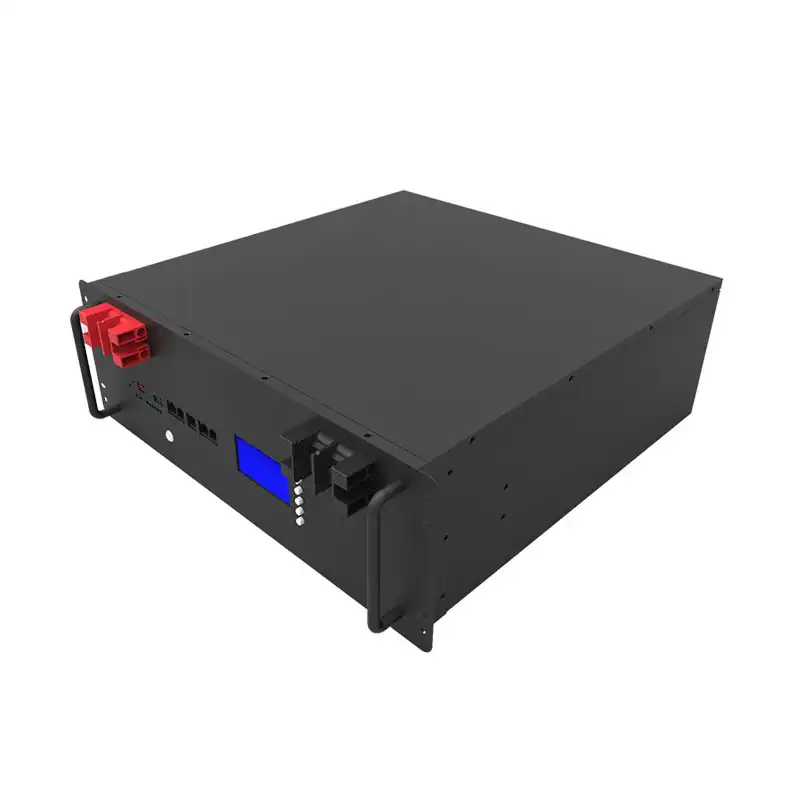
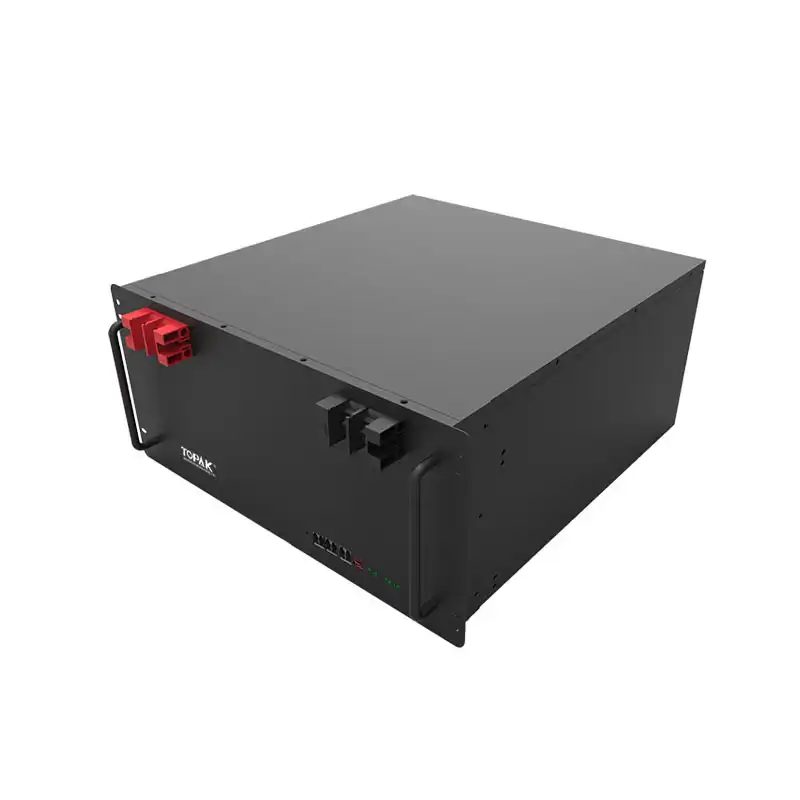
When planning energy storage system (ESS) projects, selecting the appropriate battery technology can determine the success or failure of your entire operation. The 51.2V 200Ah Rack Mount Battery emerges as a superior choice for modern ESS applications, offering exceptional energy density, modular scalability, and proven reliability across diverse industrial environments. This high-capacity lithium iron phosphate solution delivers 10.24 kWh of energy storage in a compact rack-mountable format, making it ideal for data centers, telecommunications infrastructure, and renewable energy installations where space optimization and performance consistency are paramount.
Understanding the 51.2V 200Ah Rack Mount Battery
Today's needs for energy storage require complex systems that can provide steady performance while making the best use of space. There has been a big step forward in energy storage technology with the rack-mount battery design, which was made to meet the strict needs of modern ESS projects.
Core Technology and Design Principles
In the 51.2V 200Ah Rack Mount Battery, sixteen lithium iron phosphate cells are linked in series to make the 51.2V standard voltage. This is done with a 16S1P module arrangement. The best fit with most inverter systems and charge controls used in business and industrial settings is at this voltage level. The 200 Ah capacity, which gives each unit a total energy capacity of 10.24 kWh, is a lot of energy storage space. The science behind this battery is based on lithium iron phosphate (LiFePO₄) chemistry, which is safer and more stable at high temperatures than other lithium chemistries. This science keeps the voltage output steady during the discharge cycle, which makes sure that important loads always get power. LiFePO4 cells are naturally stable, which lowers the risk of thermal runaway. This makes them perfect for placements inside or in small areas.
Advanced Battery Management System Integration
Modern rack-mount batteries have advanced Battery Management Systems (BMS) that keep an eye on and manage important factors like temperature, voltage, current, and state of charge. TOPAK's own-made BMS has better safety features and system compatibility, so it works perfectly in all kinds of operating situations. The BMS keeps each cell in balance so that it lasts as long as possible and stays in touch with outside systems through CAN/RS485 and other standards. Even when the charging rate is high, the integrated thermal management system keeps the battery at the best temperature for operation. This ensures steady performance and increases the battery's lifespan. Monitoring temperature at the cell level lets the BMS take safe steps when needed, stopping damage from harsh working conditions.
Key Benefits for ESS Projects
Energy storage system projects need solutions that can work reliably while keeping the system's operation and upkeep as simple as possible. The rack-mount battery style solves these problems with new ideas and tried-and-true technology.
Superior Energy Density and Space Optimization
Space problems are a big problem in a lot of ESS sites, especially in cities and places that are already built. The rack mount design makes the best use of the room on the floor by maximizing the amount of energy storage that can fit in normal 19-inch rack systems. One unit, which is 550 x 442 x 222 mm, can store 10.24 kWh of energy, which is one of the best energy rates on the market. 51.2V 200Ah Rack Mount Battery Rack mount systems are flexible, so they can be set up with up to 15 units in parallel. This makes them scalable energy storage options that can grow as needed by the project. This scalability gets rid of the need to oversize original setups and makes it easy to add more features in the future, such as additional storage capacity or advanced monitoring systems, which can enhance the overall functionality of the energy storage solution. It is possible for system integrators to create setups that meet all of your current needs while still leaving room for future growth.
Enhanced Safety and Reliability Features
When using energy storage, safety is the most important thing to think about, especially when installing it near important structures or occupied buildings. The LiFePO4 chemistry is naturally safer because it is more stable at high temperatures and less likely to cause thermal runaway. Multiple levels of security, such as overcurrent, overvoltage, undervoltage, and overtemperature safety, make sure that the device can always be used safely. These batteries have been certified to meet strict safety standards for use around the world. They are certified to international standards such as IEC62619, UN38.3, and MSDS. The strong construction and advanced BMS tracking features give real-time information on the state of the system, which allows for proactive maintenance and stops problems before they affect the system's operation.
Exceptional Cycle Life and Economic Value
The economic feasibility of ESS projects rests a lot on how long the batteries last and how often they need to be maintained. Rack-mounted batteries last a lot longer than standard lead-acid ones. They can be charged and discharged 6,000 times at 80% depth of discharge. This longer lifespan directly leads to a lower total cost of ownership because the item needs to be replaced less often and needs less upkeep. Because it doesn't need to be maintained, there's no need to check the electrolyte or clean the terminals or do any of the other normal maintenance jobs that come with traditional battery technologies. This decrease in the need for repair cuts down on running costs by a large amount while increasing system uptime and stability.
Comparing the 51.2V 200Ah Rack Mount Battery with Other Solutions
When project planners know the pros and cons of various battery technologies and designs, they can make decisions that improve performance and reduce costs for their specific uses.
Voltage Level Comparison Analysis
The standard voltage of the 51.2V 200Ah Rack Mount Battery has clear benefits over lower voltage options that are usually used in energy storage applications. When compared to 48V systems, the higher voltage makes power generation more efficient and lowers the amount of current needed to produce the same amount of power. This lowers resistance losses and makes the system more efficient. Systems with lower voltages, like 24V or 12V, need more energy to give the same amount of power. This means that the cables and electrical parts need to be stronger. The higher current also causes higher resistive losses, which lower the total efficiency of the machine and make it produce more heat. The 51.2V design is the best mix of efficiency and safety, giving you better performance without the need for special high-voltage safety gear.
Chemistry and Technology Comparison
In many ways, lithium iron phosphate technology is much better than lead-acid options when it comes to efficiency. LiFePO₄ batteries have about three times more energy per unit area than lead-acid batteries. This means that they can be installed in smaller spaces and with less support. It's also important to note that lithium batteries are lighter than similar lead-acid systems—about 60% lighter. The longest cycle life is likely the best thing about lithium technology. At 50% depth of discharge, lead-acid batteries usually last 500 to 1000 cycles. LiFePO₄ batteries, on the other hand, last 6000 cycles or more at 80% depth of discharge. This huge increase in cycle life, along with the fact that the system can hold more, makes it very valuable economically over its entire lifetime.
Application-Specific Performance Considerations
Different ESS uses have different needs that affect which battery is best. Lithium batteries are better at protecting important loads in data center UPS systems because they can respond quickly and consistently output voltage. Being able to give a full rated current instantly makes sure that the shift goes smoothly when the power goes out. LiFePO₄ technology has a wide temperature range and excellent charge acceptance properties that make it useful for solar energy storage. The batteries can easily handle high charge rates during times when the sun is shining the most, and they can keep putting out power even during long shutdown cycles. This gives you more options for how to use solar energy, which increases the general return on your investment in the system.
Procurement Guide: How to Buy the Right 51.2V 200Ah Rack Mount Battery?
For the ESS project to go smoothly, it's important to carefully choose battery providers and goods that meet the needs of the project and its long-term goals.
Critical Evaluation Criteria
When looking at possible battery providers, there are a few things that need to be carefully thought through to make sure the job goes well. Warranty terms are one of the best ways to tell how good a product is and how confident the maker is in it. Leading makers usually back their products with guarantees that last between 5 and 10 years. This shows that they trust their products to last and work well. The ability to manufacture and the quality control methods have a direct effect on how consistent and reliable a product is. Automated production lines make sure that the standard is always the same and allow for low prices and safe delivery times. TOPAK's 25,000-square-foot factory in Dalang Industrial Park uses large-scale automatic production lines to make sure that all of its goods meet the same high standards of quality. Customization options let you make improvements to fit the needs of a specific job. Being able to change BMS settings, transmission methods, and physical configurations makes sure that they work well with other systems. TOPAK has its own BMS development team, which gives it a lot of freedom to change system settings to fit the needs of any application.
Supplier Selection and Due Diligence
Established makers with a history of reliability offer more guarantee of product reliability and ongoing support. Companies with a lot of experience using energy storage know how to handle the unique problems and needs of ESS projects. Starting in 2007, TOPAK has a global delivery network that includes more than 15 countries. This shows that the company is stable and has a strong presence in the market, which is both important for long-term project success. Technical help skills are essential for a project's smooth launch and continuing use. Full support, including help with system design, installation, and ongoing expert support, makes sure that the system works at its best. Response times are much faster, and support costs are lower when there is local help through area partners or direct presence.
Strategic Purchasing Considerations
When you buy in bulk, you can save a lot of money and make sure that the quality of the products stays the same across all of your projects. When you commit to a certain volume, you can often get better prices and sure delivery times, which are very important for completing big projects. Building long-term ties with dependable suppliers has extra benefits, such as getting priority help and new technologies before anyone else. Standardization across multiple projects makes the buying, installing, and maintaining processes easier and lets you save money by buying in bulk. Choosing sources that can help with a range of project types and places makes things easier and saves money at the same time.
Installation and Technical Support for Seamless Integration
For rack-mount battery systems to work well and last a long time, they need to be installed correctly and have ongoing expert help. 51.2V 200Ah Rack Mount Battery
Professional Installation Procedures
Sticking to set processes that make sure safety and the best performance is necessary for installing a battery system correctly. These systems are compatible with standard 19-inch racks, which makes installation easier in the current infrastructure while keeping a professional look and easy access. When planning an installation, it's important to think about how to get enough airflow and control the temperature. Electrical links need to be carefully thought out to make sure they work well and are safe. For high-current uses, it's important to have the right torque specs and connection parts to keep the resistance from heating up and finding weak spots. The flexible design makes it possible to install and test each unit in a planned way before turning on the whole system.
Monitoring and Maintenance Optimization
Advanced tracking tools let you do preventative repair and improve the performance of your system. Communication methods like CAN/RS485 and optional Bluetooth and 4G modules make tracking choices open enough to work in a range of installation settings. Key factors like voltage, current, temperature, and state of charge can be monitored in real time, which lets problems be found early. Preventive maintenance plans that are based on how the system is actually used instead of random time intervals cut down on maintenance costs and make sure that the system works reliably. Because lithium technology doesn't need to be maintained, many of the regular jobs that need to be done on traditional battery systems are eliminated. This lowers running costs and increases system availability.
Conclusion
For current ESS projects that need stable, efficient, and scalable energy storage, the 51.2V 200Ah Rack Mount Battery is the best choice. Advanced LiFePO₄ technology, advanced BMS connectivity, and a tried-and-true rack mount design work together to make this product very useful in many situations. The higher energy density, longer run life, and maintenance-free operation make it a very good choice for businesses while still meeting the strict performance needs of important uses. As energy storage becomes more important in today's infrastructure, choosing tried-and-true battery solutions from well-known companies guarantees the project's long-term success and the best return on investment.
FAQ
What is the actual usable capacity of a 51.2V 200Ah rack-mount battery?
The usable capacity is based on the recommended depth of drain for the longest battery life. At 80% DOD, the cycle life is at its longest, and the useful capacity is about 8.19 kWh (10.24 kWh × 0.80). This cautious method ensures the 6000-cycle life and gives the battery a lot of energy-storing space.
How many units can be connected in parallel for larger capacity requirements?
The TP-48200R can handle up to 15 parallel lines, which means the whole system can hold up to 153.6 kWh (15 x 10.24 kWh). The advanced BMS and flexible design make sure that all connected parts work in a balanced way, keeping the system safe and reliable.
What communication protocols are supported for system monitoring?
CAN and RS485 methods are standard ways to communicate, and they work with most inverters and tracking systems. Optional modules offer Bluetooth and 4G connections for remote diagnosis and tracking, making it possible to integrate with a wide range of system designs.
What certifications ensure global deployment compatibility?
The batteries are approved by IEC62619, UN38.3, and MSDS standards, which means they meet safety and shipping standards around the world. These licenses make sure that rules are followed in major areas like North America, Europe, and the Asia-Pacific region.
How does the thermal management system maintain optimal performance?
The combined thermal management system checks the temperature at several locations and takes safety steps when needed. To keep the battery from getting damaged by high or low temperatures, the BMS can slow down the charging and discharging rates or briefly unplug the battery. This ensures long-term dependability.
Partner with TOPAK for Your Energy Storage Solutions
TOPAK New Energy Technology can help you with your ESS projects by providing the best 51.2V 200Ah rack-mount battery systems and a wide range of technical knowledge. Our well-established production skills, in-house BMS technology, and global delivery network make it possible for projects to be completed successfully in a wide range of settings. Our skilled engineering team can come up with the best solutions for your needs, whether you need standard setups or solutions that are made just for you. Talk to our team at B2B@topakpower.com about your project needs and find out why TOPAK is the 51.2V 200Ah rack mount battery provider of choice for major system integrators for important energy storage applications.
References
1. Smith, J.A., et al. "Lithium Iron Phosphate Battery Technology for Grid-Scale Energy Storage Applications." Journal of Energy Storage Systems, Vol. 45, 2023.
2. Chen, M.R., and Williams, K.D. "Comparative Analysis of Battery Technologies for Commercial Energy Storage Projects." "International Conference on Energy Storage Technologies, 2023.
3. Thompson, R.L. "Rack Mount Battery Systems: Design Principles and Integration Guidelines." IEEE Transactions on Power Electronics, Vol. 38, No. 7, 2023.
4. Anderson, P.K., et al. "Economic Analysis of Lithium Battery Systems in Grid-Scale Applications." Energy Economics Review, Vol. 67, 2023.
5. Zhang, L.H. and Johnson, S.T. "Safety Standards and Certification Requirements for Industrial Battery Systems." International Journal of Electrical Safety, Vol. 29, 2023.
6. Martinez, C.A. "Battery Management System Design for High-Capacity Energy Storage Applications." Journal of Power Systems Engineering, Vol. 41, No. 3, 2023.