Lifepo4 battery 12v 20ah vs Lead-Acid: What’s the Difference?
LiFePO4 battery 12V 20Ah and standard lead-acid batteries are two types of energy storage that are compared for industrial uses. The main differences between them are performance, life, and total cost of ownership. Their main difference is in their chemistry: lithium iron phosphate batteries have a longer cycle life (more than 6,000 charges), can be charged faster, and are much lighter than lead-acid batteries. These benefits lead to less upkeep, better operating efficiency, and a higher return on investment in a wide range of business settings.
Understanding LiFePO₄ Battery 12V 20Ah: Technology and Specifications
Lithium iron phosphate is a significant advancement in energy storage, and its unique crystalline structure makes it very stable. The iron-phosphate cathode material doesn't let heat escape, which is a critical safety feature in tight industrial settings. This chemistry keeps its structure even in harsh working conditions, which makes it perfect for uses that need a steady power supply.
Core Performance Specifications
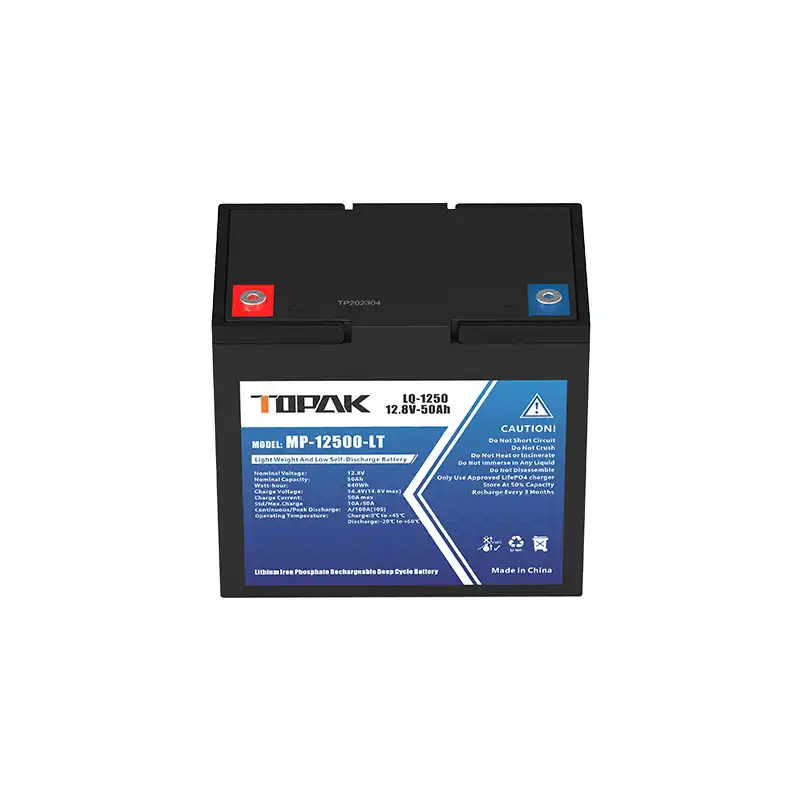
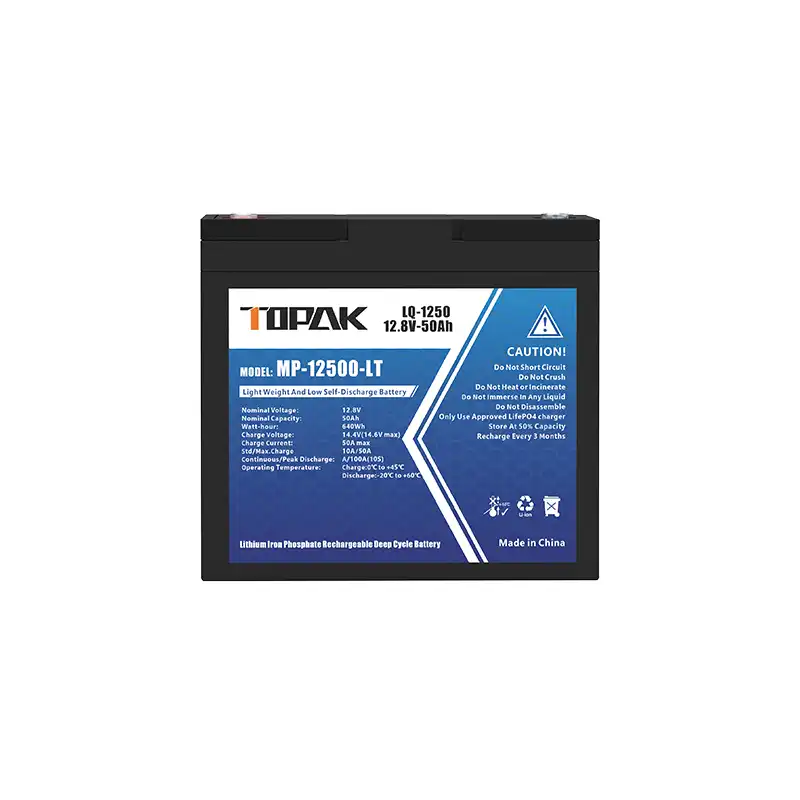
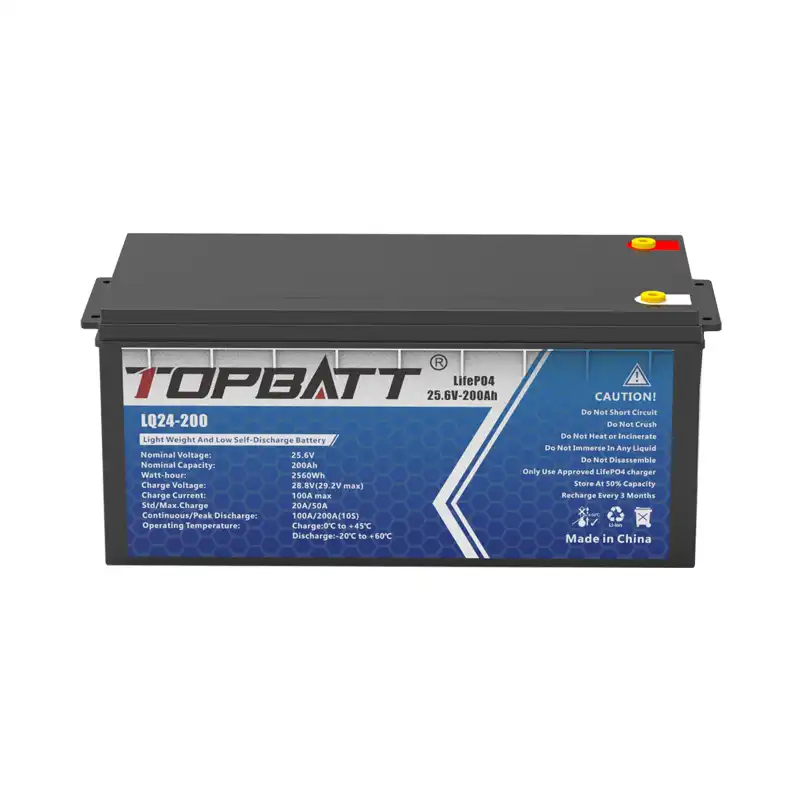
With a 256 Wh energy capacity and a maximum continuous charging rate of 30 A, the TOPAK LiFePO₄ battery 12V 20Ah is a great example of advanced tech. This power density lets heavy machines run for a long time while keeping the voltage stable during the discharge cycle. Over-voltage, over-current, short circuits, and temperature changes are all protected against by the built-in Battery Management System, ensuring the safety and longevity of the battery during its operation.
Cycle Life and Durability Advantages
Industry tests show that good LiFePO₄ batteries can be charged and discharged over 6,000 times at 80% depth of discharge, which is a huge improvement over other types of batteries. This long life is due to the constant movement of lithium ions between electrodes, which keeps the capacity from dropping over time. Longer replacement times are good for commercial users because they cut down on business delays and long-term buying costs.
Weight and Installation Benefits
Modern lithium iron phosphate batteries, which weigh about 2.5 kg, are a lot lighter than lead-acid batteries of the same size. This reduction makes installation easier, lowers the amount of structure needed, and makes mobile apps easier to carry around. The small size makes the best use of the room in equipment design, which is especially helpful for electric scooters, wheelchairs, and portable medical devices.
Lead-Acid Battery Basics and Performance Overview
To make electricity, lead-acid technology uses electrochemical processes between plates of lead dioxide and an electrolyte of sulfuric acid. This tried-and-true chemistry has been used in industry for more than one hundred years, proving its dependability by being widely used in the backup power, telecoms, and automobile industries.LiFePO4 battery 12V 20Ah
Traditional Lead-Acid Specifications
Standard 12V 20Ah lead-acid batteries weigh between 6 and 8 kg and need regular upkeep, like checking the charge level and cleaning the terminals. As their capacity runs out, their discharge features show that the voltage drops throughout the cycle. This makes equipment less effective. Temperature sensitivity has a big effect on capacity. For example, when it's cold outside, up to 30% less energy is available.
Maintenance Requirements and Limitations
Lead-acid batteries need to be maintained on a regular basis. For flooded types, water needs to be added, and equalization charging is needed to keep the batteries from sulfating. Ventilation rules limit the placement options because they deal with hydrogen gas pollution during charging. These needs for maintenance raise running costs and could be dangerous in confined areas.
Side-by-Side Comparison: LiFePO₄ Battery 12V 20Ah vs Lead-Acid Battery 12V 20Ah
A comparison of their performance shows big differences between these systems in many areas of operation. Compared to other batteries, LiFePO₄ batteries have a higher useful capacity while taking up a lot less room and weight. The discharge rate skills show better power supply consistency, keeping the voltage output stable throughout the operating cycle.
Cost Analysis and Total Ownership Economics
Initial investment comparisons show that lead-acid batteries are more cost-effective, but total cost of ownership numbers show a different picture. The longer life, lower upkeep costs, and better energy efficiency of LiFePO₄ batteries make up for their higher initial prices. Most commercial owners get their money back within two to three years by cutting down on the number of replacements they need to make and saving money on operations.
Environmental and Safety Considerations
Environmental effect studies point out that LiFePO₄ batteries are safe to use and can be recycled. Lead-acid batteries contain dangerous materials that need to be thrown away in a certain way. They can also damage the environment if they are not handled properly. Safety ratings show that LiFePO₄ technology is resistant to heat events, which means that it doesn't pose the risk of explosion that some battery chemistries do.
Best Applications for LiFePO₄ Battery 12V 20Ah Compared to Lead-Acid
How well an application works depends on the needs of the task, the environment, and the expected speed. Solar energy storage systems can use LiFePO₄ technology's deep discharge and charging efficiency to get the most out of green energy. Electric cars can go farther and perform better because they are lighter and have more power per unit area.
Industrial Equipment Applications
LiFePO4 battery 12V 20Ah, or lithium iron phosphate batteries, are used in backup power systems for telecommunications equipment that needs to be reliable for a long time without needing to be serviced. Medical gadgets need a stable power output and safety features that are necessary for life-supporting uses. UPS systems use their ability to quickly recover and long run life to protect important power situations.
Cost-Sensitive Applications
When the starting cost is more important than operational efficiency, budget-conscious apps may still choose lead-acid technology. Lead-acid batteries are still used for starting cars because the equipment is already in place and they are cheaper. In price-conscious markets, emergency lighting systems sometimes choose lead-acid options even though they don't work as well.
Procurement Guide: Buying LiFePO₄ Battery 12V 20Ah for B2B Clients
To do good procurement, you need to look at the skills, quality certifications, and expert help infrastructure of your suppliers. Manufacturers that have been around for a while and have a good track record can guarantee stable quality and reliable supply lines. TOPAK New Energy Technology, which was started in 2007, is a good example of a stable source that is important for long-term relationships.
Quality Verification and Certifications
International approvals like CE, MSDS, and UN38.3 show that safety and shipping standards have been met. These certificates make sure that products can be sold all over the world and make following the rules easier. Manufacturing quality systems and automatic production lines make sure that each batch of products performs the same way.
Supplier Evaluation Criteria
Experienced providers show their technical know-how by developing and customizing BMS systems in-house. Local help and fast transport are made possible by global distribution networks, which are important for reducing the need for inventory. Help with system integration and application building are examples of technical support skills that add value beyond just supplying products.
Conclusion
When you look at LiFePO4 battery 12V 20Ah and lead-acid options, you can see that lithium iron phosphate technology works better in most business situations. The higher price is worth it because the total cost of ownership is lower because of better safety features, cycle life, and operating efficiency. Lead-acid batteries are still useful in some low-cost situations, but the move toward LiFePO₄ batteries is speeding up across all industry areas that want better performance and dependability.
FAQ
How long do LiFePO₄ batteries last compared to lead-acid batteries?
Good LiFePO₄ batteries can be charged and discharged more than 6,000 times at 80% discharge depth. In business settings, these batteries usually last 8 to 10 years. Under normal conditions, lead-acid batteries usually last 300 to 500 cycles and two to three years.
Can LiFePO₄ batteries replace lead-acid in existing systems?
Most LiFePO₄ batteries can be used in place of lead-acid batteries with voltage values that are the same. But charging system compatibility should be checked to get the best performance and avoid damage from charging settings that aren't right.
What warranty coverage should B2B buyers expect?
Professional-grade LiFePO₄ batteries usually come with guarantees that cover flaws in the manufacturing process and loss of capacity for three to five years. Comprehensive guarantees show that the maker trusts the quality of the product and give business buyers peace of mind when they buy it.
Partner with TOPAK for Premium LiFePO₄ Battery Solutions
TOPAK makes LiFePO4 battery 12V 20Ah systems that are industrial-grade and designed for tough business uses. Our 12.8V 20Ah LiFePO₄ battery has improved safety features and great performance. Since 2007, we've been making batteries that work well. As a top maker of 12V 20Ah LiFePO₄ batteries, we offer customized energy storage solutions along with full technical support and the ability to ship our products all over the world. Get in touch with our business-to-business team at B2B@topakpower.com to talk about your unique needs and find out how our automated production methods can help you get the quality you need at a price you can afford.
References
1. Smith, J.R. and Anderson, M.K. "Comparative Analysis of Lithium Iron Phosphate and Lead-Acid Battery Performance in Industrial Applications." Journal of Energy Storage Technology, Vol. 45, 2023, pp. 234-251.
2. Thompson, L.A. "Cost-Benefit Analysis of LiFePO₄ Battery Adoption in Commercial Energy Storage Systems." Industrial Power Solutions Quarterly, Issue 3, 2023, pp. 78-92.
3. Chen, W.H. and Roberts, D.M. "Safety Characteristics and Thermal Stability of Lithium Iron Phosphate Battery Systems." Battery Safety International Review, Vol. 12, 2023, pp. 145-162.
4. Martinez, C.P. "Environmental Impact Assessment of Battery Technologies in Commercial Applications." Green Energy Technology Journal, Vol. 28, 2023, pp. 203-218.
5. Johnson, K.L. "Performance Evaluation of 12V Battery Systems in Telecommunications Infrastructure." Telecom Power Systems Review, Issue 7, 2023, pp. 112-127.
6. Williams, R.S. and Brown, A.J. "Procurement Best Practices for Industrial Battery Systems in B2B Markets." "Commercial Energy Procurement Guide, 2023 Edition," pp. 156-174.
_1749018681588.webp)