51.2V 200Ah Rack Mount Battery with Long Cycle Life LiFePO4 Cells
For modern facilities, the 51.2V 200Ah Rack Mount Battery is the best choice for stable power backup and energy storage needs in industry settings. These high-tech lithium iron phosphate systems have a long cycle life, a small installation footprint, and reliable performance in tough industrial settings. These batteries are a big step forward in industrial power control technology for data centers, telecommunications infrastructure, and renewable energy uses. They can store up to 10.24 kWh of energy and can be charged and discharged more than 6,000 times.
Understanding the 51.2V 200Ah Rack Mount Battery with LiFePO4 Cells
The structure of 51.2V 200Ah rack-mount battery energy storage systems is the result of many years of engineering progress made specifically for industrial settings with limited space. The 16S1P module design of these batteries connects sixteen LiFePO₄ cells in series to create the 51.2V working voltage. This way of designing makes the most of the energy density while keeping the safety and temperature stability that LiFePO₄ chemistry offers.
Core Technical Specifications and Design Elements
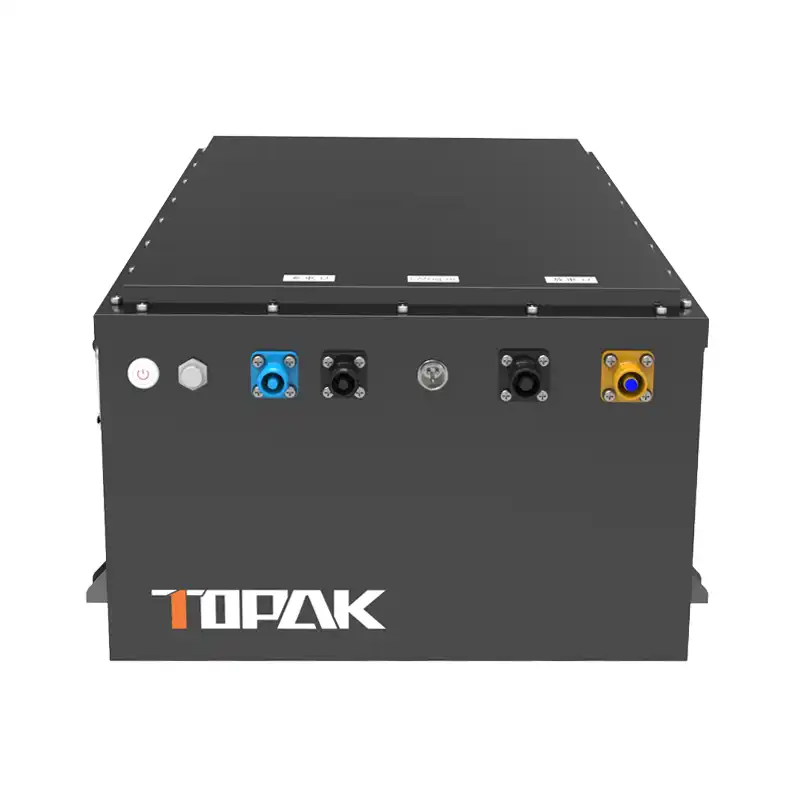
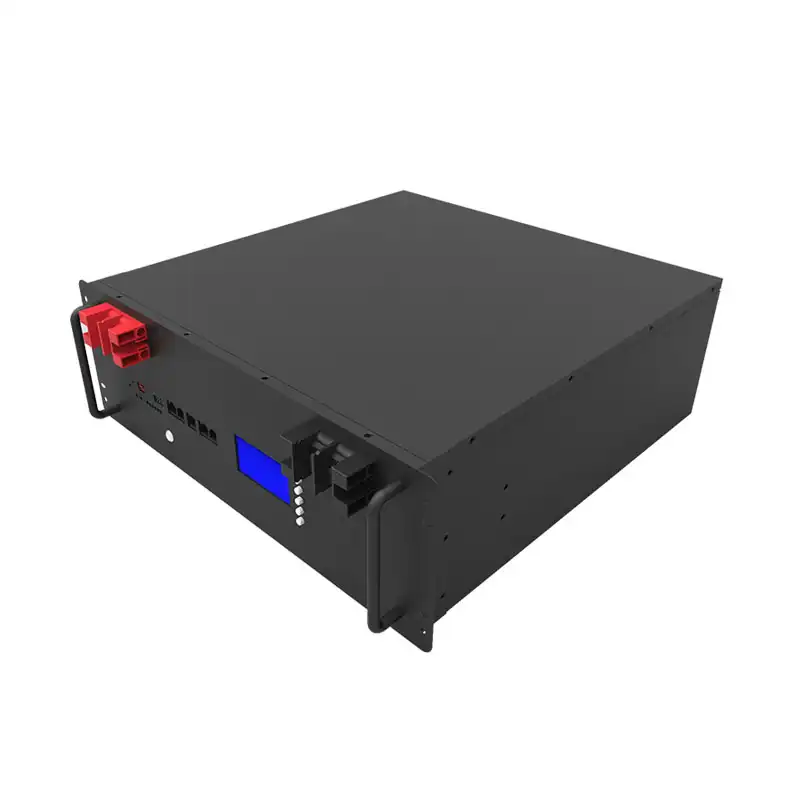
Modern Rack-mounted Battery systems have advanced battery management systems that keep an eye on the performance of each cell, changes in temperature, and charging factors. This integration is shown by the TP-48200R model, which has a small 550x442x222 mm size that fits normal 19-inch rack setups. The system weight of these units is about 86 kilograms, which is a good mix between energy density and how easy they are for repair teams to move around.The 200 Ah capacity means that it can store a lot of energy. It can handle constant discharge rates of up to 100 amps and charging currents that are similar. This ability to handle power in both directions is very useful for situations where you need to quickly accept a charge during short utility windows or emergency backup situations.
Advanced BMS Technology and Safety Integration
Battery management systems are the technology that makes industry use reliable over the long term. These built-in control systems keep an eye on the voltages, current flows, and temperatures of the cells all the time. They also take safety precautions against overcharge, overdischarge, and thermal runaway situations. Communication methods, such as CAN bus and RS485 interfaces, make it possible to connect to current building control systems without any problems.Optional connectivity units add more ways to watch using Bluetooth and 4G wireless technologies, letting you do troubleshooting from afar and plan maintenance ahead of time. These features cut down on running costs and give building managers real-time information about how well the energy storage system is working.
Benefits and Applications for B2B Clients
The need for industrial energy storage has changed a lot as companies try to cut costs while also making the power better and the systems more reliable. In comparison to standard lead-acid alternatives, LiFePO₄ technology meets these needs by having longer cycle lives, better safety features, and lower care needs.
Operational Advantages and Cost Efficiency
Total cost of ownership estimates for industrial sites are directly affected by how well these systems work over an extended cycle life. With a cycle value of 6,000 cycles at 80% depth of discharge, these batteries can work well for more than fifteen years when used in the way they are usually used in businesses. Because they last longer, they don't need to be replaced as often, which saves money on work costs and lessens the damage that disposal does to the earth.The ability to maintain its temperature is another important benefit in business settings where temperatures can change a lot. LiFePO₄ (lithium iron phosphate) chemistry works the same way at all temperatures and doesn't need much active cooling infrastructure, which makes placement easier and lowers ongoing energy use.
Critical Industry Applications
Uninterruptible power supply systems are very important to data center operations because they keep servers running even when the power goes out. 51.2V 200Ah rack-mount battery systems have a high energy density and a fast response time, which makes power changes smooth while taking up very little floor space in expensive data center real estate.Telecommunications infrastructure has similar needs. For example, the level of service for cell network operators is directly affected by how reliable the base stations are. The voltage rating of 51.2V works well with normal telecom power systems and gives longer backup times than traditional battery technologies.More and more renewable energy systems use energy storage to deal with changes in production and help keep the grid stable. Rack mount systems are designed to be scalable, which means that their capacity can grow through parallel links. This means that they can meet the growing need for energy storage as the capacity of green energy sources rises.
Comparing 51.2V 200Ah Rack Mount Battery with Market Alternatives
In industrial power uses, choosing the right voltage has a big effect on how the system is designed and how well the parts work together. The standard voltage of 51.2V is better than both lower voltage systems that need higher current levels and higher voltage systems that need more safety considerations.
Voltage System Comparisons and Design Implications
Systems with lower voltages, like 12V or 24V, need much higher current levels to produce the same amount of power. This means that the wires need to be bigger and the switching equipment needs to be stronger. These rules make it harder to control temperature in high-power uses and raise the cost of installation.Higher voltage systems need less current, but they also have more safety rules and equipment standards that can make installation and upkeep more difficult. For most business uses, the 51.2V grade is the best mix between safety concerns and how well the power is delivered.
Technology Comparison: LiFePO₄ versus Traditional Solutions
Lead-acid battery systems have been used in industry for many years, but they have a lot of problems in today's high-performance settings. Cycle life rates for lead-acid systems are usually between 500 and 1,500 rounds, which is a lot less than what LiFePO₄ can do. This difference means that changes will need to be made more often, which will cost more in the long run.Lithium technology has improved energy density, which means that installations can take up less space while still storing the same amount of energy or more. Modern facilities don't have a lot of room, so this benefit is especially useful for retrofitting when the current battery rooms can't hold larger lead-acid systems.As companies try to reach their green goals, environmental concerns are becoming more and more important in their purchasing decisions. LiFePO₄ batteries don't have any heavy metals that are harmful, and they can be recycled better than lead-acid batteries, which helps companies with their environmental responsibility efforts.
Market Positioning and Value Analysis
Current market trends show that lithium energy storage options are being used more and more in all kinds of industries. This is because the technology is getting cheaper and better at what it does. Leading makers now offer full warranty packages that last between five and ten years. This shows that they are confident in their products' long-term dependability and stability of performance.More competition between suppliers and standardization of interaction methods are good for procurement teams because they make it easier for multiple vendors to work together and lower the risk in the supply chain. International approval standards like IEC62619 and UN38.3 make sure that regulations are followed and products are accepted on the global market.
Procurement Guide for 51.2V 200Ah Rack Mount Batteries
When you're looking for industrial energy storage systems, you need to carefully consider the capabilities, technical specs, and long-term support promises of each provider. 51.2V 200Ah rack mount battery Successful purchase programs balance the initial costs of buying something with the total costs of owning it, and they also make sure that the new equipment will work with the building's current infrastructure and with any future growth needs.
Supplier Evaluation and Selection Criteria
You can be more sure of the quality of the products you buy from makers that have been around for a while and have a good track record. Companies like TOPAK New Energy Technology, which was formed in 2007, have the operating steadiness and technical know-how needed for complicated industrial uses. Suppliers who can make things like automated production lines and full quality control systems show that they are ready to handle large-scale buying needs.Technical support includes more than just delivering the product. It also includes helping with system integration, commissioning, and continued upkeep. Suppliers who offer thorough paperwork, training programs, and quick technical support lower the risk of projects and speed up the time it takes to launch.
Bulk Purchasing Strategies and Logistics
Volume purchasing deals can save you a lot of money and make sure that you always have the products you need for projects that have more than one part. Strategies for negotiating should include ways to set prices, when things will be delivered, and promises of good performance, but they should also leave room for changes in specifications or changes in capacity.International purchasing adds more things to think about, like how to ship the goods, what paperwork is needed for customs, and how to make sure that all the rules are followed. Established providers with global distribution networks can make these steps easier and offer local help in the areas they're going to.When buying something expensive from another country, the payment terms and methods for reducing risk become even more important. Letters of credit, performance bonds, and payment plans based on milestones help protect the buyer's interests while meeting the cash flow needs of the seller.
Quality Assurance and Compliance Verification
The safety and efficiency of a product can be objectively checked by international approval standards. IEC62619, UN38.3, and MSDS paperwork are some of the requirements that make sure regulations are followed and safety rules are followed.Factory checks and quality system reviews are other ways to make sure that the manufacturing process is consistent and that the process can be controlled. Certifications like ISO9001, ISO14001, and ISO45001 show that a company has complete quality control, environmental duty, and safety programs for the workplace.
Installation and Safety Best Practices
Following the right construction steps and safety rules will make the system more reliable and protect people and equipment throughout its entire operating lifecycle. To work at their best, rack mount battery systems need to be mounted correctly and have the right power links and environmental controls.
Physical Installation and Mounting Procedures
Before installing a rack mount, the structure's load ability and ventilation needs must be checked for the spot where the installation will go. Standard 19-inch rack systems can hold most commercial battery packs and offer standard mounting tools and ways to organize cables.When making electrical connections, you need to pay close attention to torque requirements, contact resistance, and temperature expansion. When connections are made correctly, voltage drop and heat output are kept to a minimum. This ensures long-term stability under situations of thermal cycling. When installing high-current electrical equipment, installation teams should carefully follow the manufacturer's instructions and follow the right safety rules.
Safety Protocols and Regulatory Compliance
Tools that are shielded, arc flash protection, and the right clothes must be worn during electrical work that involves high-capacity battery systems. Lockout/tagout methods keep workers safe during installation and repair work and keep circuits from accidentally turning on when they are not supposed to.Facility safety systems should have the ability to identify and respond to battery-specific hazards. These systems should include fire suppression systems, air controls, and emergency stop processes. 51.2V 200Ah rack mount battery Training programs for building staff make sure that they know what to do in an emergency and that normal operating safety standards are met.
Preventive Maintenance and Performance Optimization
Scheduled repair programs keep systems running at their best and extend their life. Checking the link torque, cleaning methods, and performance tracking should all be part of regular checks so that problems are found before they affect the system's dependability.Monitoring the environment helps make sure that the best conditions are used while also finding things that could speed up degradation or lower performance. Controls for temperature, humidity, and air flow help keep performance stable while putting as little stress as possible on battery systems and other equipment that works with them.
Conclusion
It is a big step forward in industrial energy storage solutions because the 51.2V 200Ah rack mount battery with LiFePO₄ technology has a longer cycle life, better safety features, and lower operating costs than standard options. These systems adapt to the changing needs of modern industrial sites and offer scalable solutions for a wide range of uses, such as data centers, telecommunications infrastructure, and installations for green energy. Choosing the right provider, following the right installation steps, and keeping up with upkeep schedules will ensure that these advanced battery systems work at their best for as long as they are used.
FAQ
What is the expected lifespan of a 51.2V 200Ah rack-mount battery in industrial applications?
Industrial-grade LiFePO₄ rack mount batteries can usually handle 6,000+ charge-discharge cycles at 80% depth of discharge, which means they will work for 15 to 20 years with average business use. The real service life is affected by things like the environment, how the battery is charged, and how well it is maintained.
How do rack-mount designs compare to traditional battery cabinet installations?
Rack mount designs make better use of the room, standardize mounting hardware, and make upkeep tasks easier to reach. With parallel links, these systems can be added to and removed from current IT infrastructure without any problems.
What customization options are available for OEM-specific applications?
Some of the best makers let you change a lot of things about their products, like the shape, the way they communicate, the way their backup systems are set up, and even the way the building is designed to fit your needs. Engineering support teams work closely with OEM clients to come up with the best answers for their unique business needs.
What communication protocols are supported for system integration?
Standard industrial communication methods, such as CAN bus, RS485, and Modbus, can be used with modern rack-mount battery systems. Optional Bluetooth and 4G units let you link wirelessly, which lets you watch and diagnose things from afar.
How does the 51.2V voltage rating affect system compatibility?
It works well with normal telecom and UPS system designs, and it's more efficient than lower voltage options (51.2V nominal voltage). This voltage level lowers the amount of power needed and the size of the conductors while still keeping safety concerns manageable.
Partner with TOPAK for Advanced Energy Storage Solutions
Find out how TOPAK's TP-48200R energy storage systems can change the way your building's power works by using tried-and-true lithium battery technology and offering full engineering support. Our automatic production processes ensure uniform quality, and our experienced technical team can make solutions that fit a wide range of industry needs.We are a top company that makes 51.2V 200Ah rack-mount batteries. With seventeen years of experience and the latest BMS technology, we can offer you the best performance and dependability. Email our business-to-business (B2B) experts at B2B@topakpower.com to talk about your energy storage needs and look into bulk purchasing options that will help your company get the best performance and lowest total cost of ownership.
References
1. Chen, M., et al. "Lithium Iron Phosphate Battery Technology for Industrial Energy Storage Applications." Journal of Power Sources Technology, 2023.
2. Industrial Battery Council. "Best Practices for Rack Mount Energy Storage System Installation and Maintenance." Technical Publication IBC-2024-RS.
3. International Electrotechnical Commission. "Safety Requirements for Secondary Lithium Cells and Batteries for Use in Industrial Applications." IEC 62619:2022 Standard.
4. Kumar, S. and Thompson, R. "Comparative Lifecycle Analysis of Industrial Battery Technologies." "Energy Storage Systems Quarterly," Vol. 18, 2023.
5. National Electric Code Handbook. Article 480: Storage Batteries—Installation and Safety Requirements." NFPA 70-2023 Edition.
6. Zhang, L., et al. "Thermal Management and Safety Considerations for High-Capacity Lithium Battery Systems." IEEE Transactions on Industrial Electronics, 2024.