Is a 200ah lithium iron phosphate battery Right for Your Home?
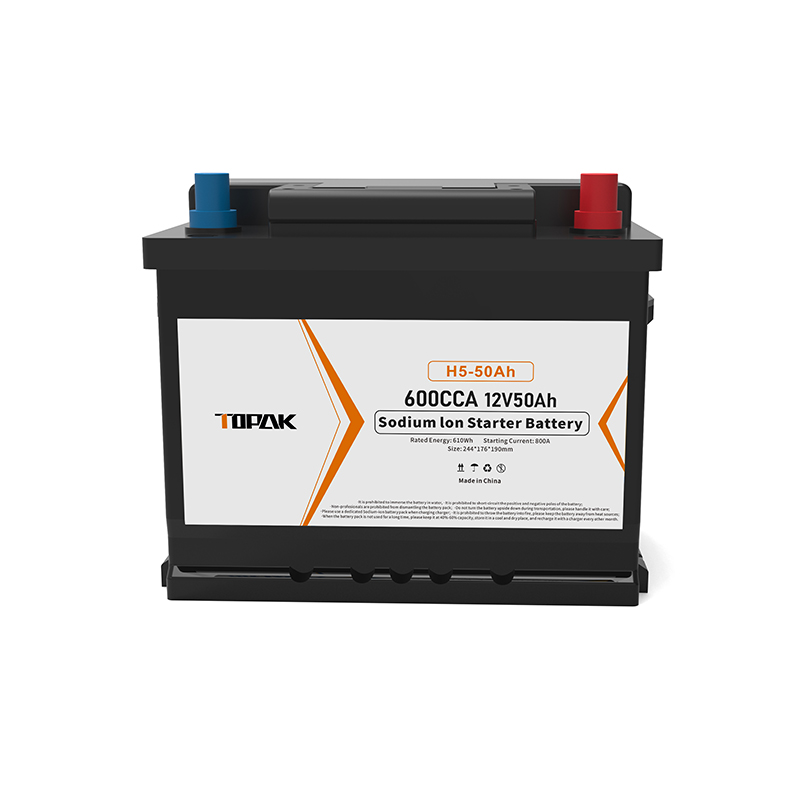
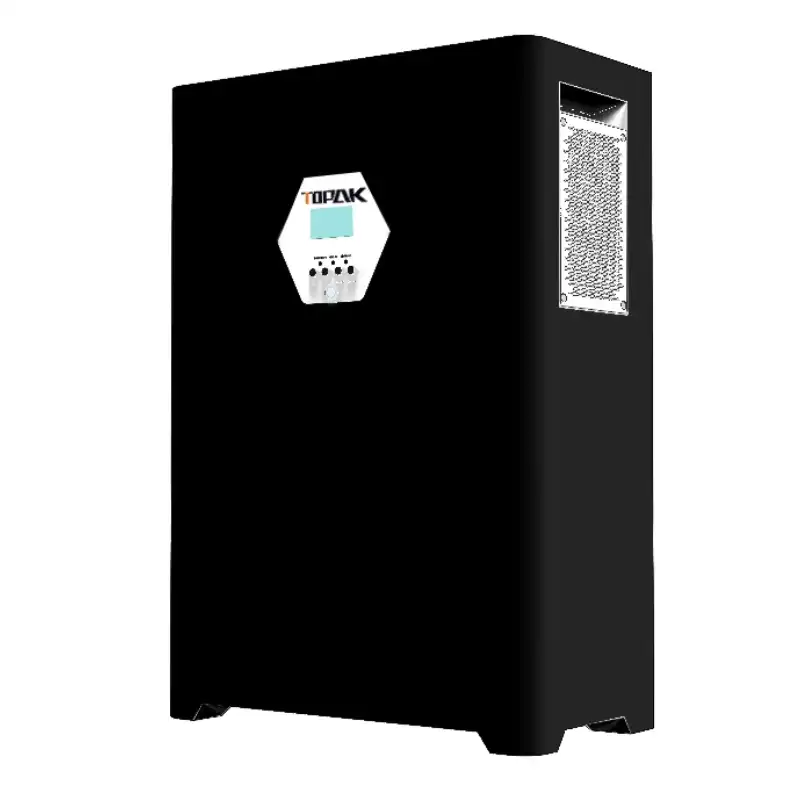
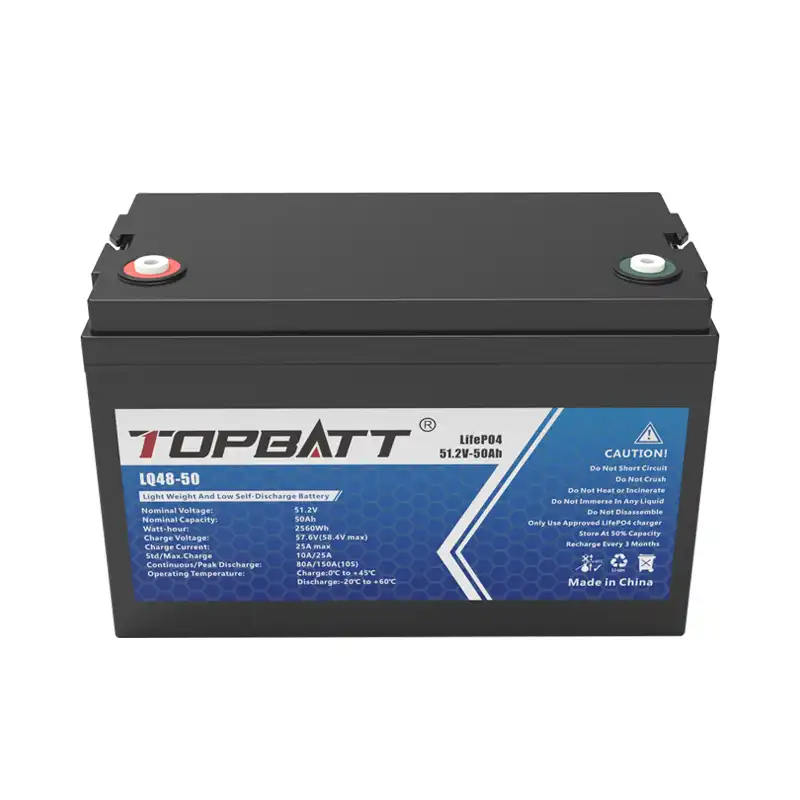
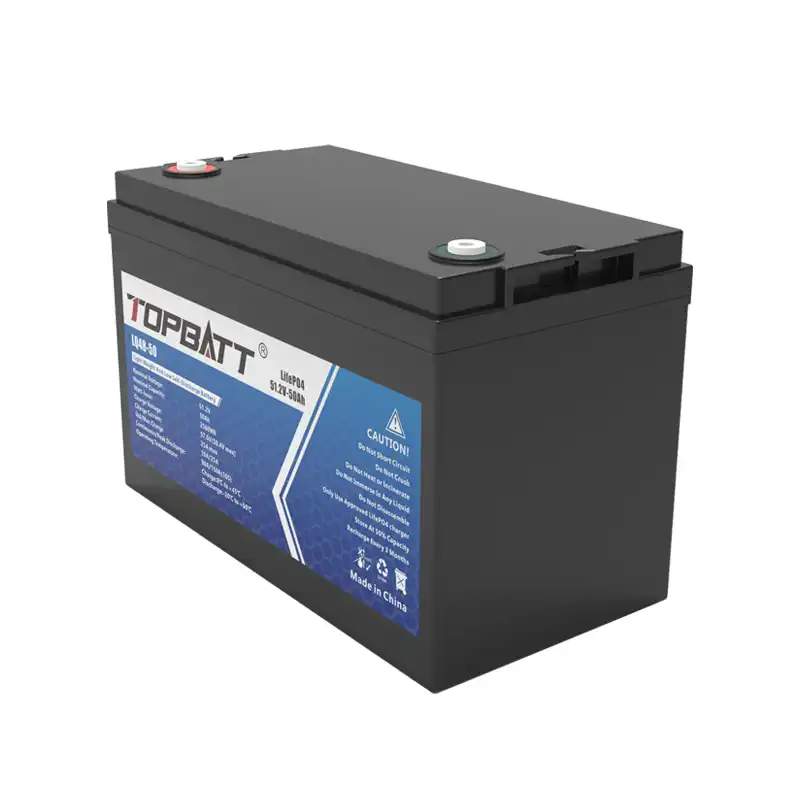
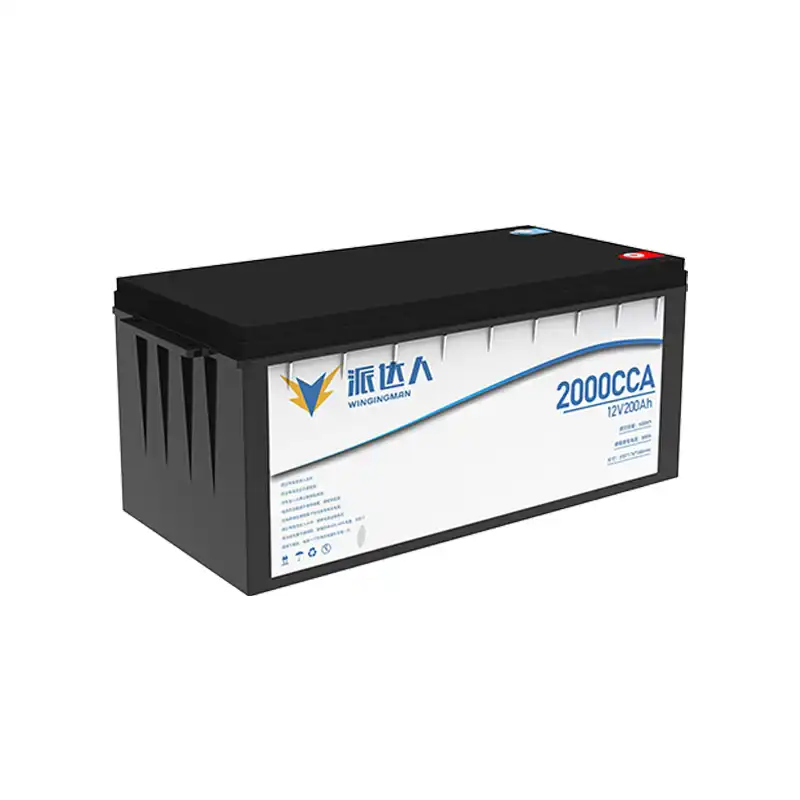
There is no better battery for most home energy storage needs than a 200 Ah lithium iron phosphate battery. It is safe, lasts a long time, and works well. With 2560Wh of power, these high-tech LiFePO₄ units can be charged more than 6,000 times. They are great for living off the grid, having power in case of a disaster, and having backup power from the sun. It costs more up front than other lead-acid choices, but it works better, needs less maintenance, and lasts at least ten years, making it a more cost-effective option over time due to its longevity and efficiency in energy storage. This advantage makes it a great deal for homes that want to store power for the long term and not be limited by energy limits.
Understanding the 200 Ah Lithium Iron Phosphate Battery
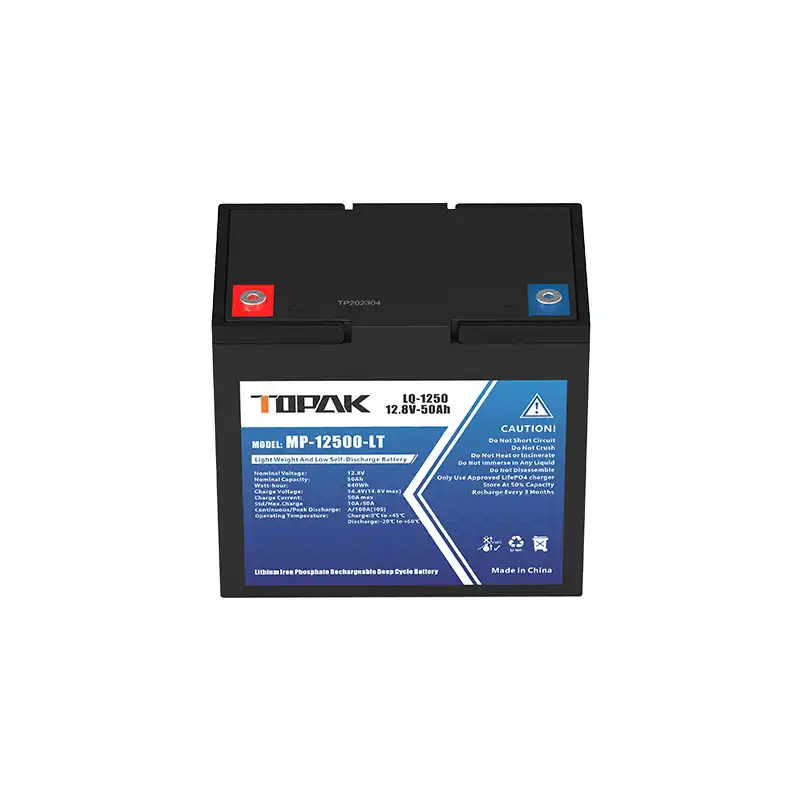
The LiFePO₄ chemistry in the 200 Ah lithium iron phosphate battery is very new and improves it at storing energy than older battery technologies. These batteries usually work at 12.8V and can hold a total of 2560Wh of power. This capacity is enough to keep your home's important electronics running during long power blackouts or when you're not connected to the grid.
Core Technical Specifications and Performance Metrics
Thanks to new technology, LiFePO₄ battery systems are safer and work better now. Lithium iron phosphate is an electrically safe base that doesn't trap heat. This makes it much safer than other lithium chemicals. They are 522 mm tall, 240 mm wide, and 218 mm deep. They use very little energy and weigh about 23 kg. Also, it's very simple to set them up.As of now, batteries must be able to be used 6,000 times at 80% depth of drain. We have made significant progress in making batteries last longer. Think about the fact that you charge and drain your phone every day. This measure of success is like riding every day for more than 16 years. There is a Battery Management System (BMS) built into the battery that keeps it safe from overvoltage, overcurrent, short circuits, and changes in temperature. This makes sure that the battery works well for as long as it's supposed to.
Advanced Chemistry Benefits for Residential Applications
LiFePO₄ technology is a great way to save power at home because it has many good points. It's good for this chemistry to work well in temperatures between -20°C and 60°C. It's safe for the system to work in a lot of different temperatures, so it doesn't need any extra heat control systems.They lose less than 3% of their charge every month, so these batteries are good for when you're not using them. This feature is useful for building backups or for regular tasks that won't be done for a long time. When you connect the battery to solar panels or a charger that goes into the wall, it charges quickly.
Evaluating Whether It's the Right Fit for Your Home Energy Needs
You should carefully check how well a 200 Ah lithium iron phosphate battery works with other home systems and how much power it needs to decide if it is good for home use. These batteries are great to have around when you need something that will work well, last a long time, and not need any upkeep.
Residential Energy Storage Applications
Solar systems that aren't hooked up to the power grid are the best places to use LiFePO₄ batteries. Depending on how much power is used, it can run small home appliances for 12 to 24 hours. These include LED lights, freezers, cell phones, and small tools. If your home has solar panels that can store enough power, you can use these batteries instead of electricity.When you need extra power, it's useful because it can handle a steady discharge current of 200A and work right away. Even if the power goes out, important things like medical equipment, security systems, communication devices, and lights that need to be on can still work. They don't need to be charged or checked for rust, which can happen with other battery systems if you don't take care of them.
Performance Optimization and Maintenance Strategies
You need to know how to use LiFePO₄ batteries properly and fix them often if you want them to last as long as possible and give you the most power. To keep the system from breaking, the built-in BMS controls how much is charged and how much is drained. But users can make the system work better by following the right steps and keeping an eye on it.Keeping an eye on the temperature of batteries is a key part of making sure they work well and last a long time. When the temperature changes, LiFePO₄ can handle it better than other lithium devices. It will last longer, though, if the temperatures stay the same. Putting batteries somewhere that stays cool or making sure they get enough airflow will make them work better.System factors can be checked often through BMS interfaces or outside tracking tools, which can help you find problems early on. Keep an eye on things like power, current, temperature, and state of charge to see how healthy a system is and how to make it work better.
Comparative Analysis: 200Ah LiFePO₄ Battery vs Other Battery Types
There are a lot of different energy options on the market. Each has good and bad points. 200 Ah lithium iron phosphate battery That way, buying managers and system designers can pick the best options for each job and price range.
Performance Comparison with Traditional Technologies
Plus, lead-acid batteries aren't great for keeping power in homes, even though they are less expensive at first. A 200 Ah lead-acid battery bank that weighs about 120 kg would be much harder to build and put in place than the 23 kg LiFePO₄ unit. Some lead-acid batteries can be used up to 500 times. If they are used every day, they should be replaced every year or two.LiFePO₄ batteries, which are lithium iron phosphate batteries known for their stability and safety, are still better than AGM batteries (absorbed glass mat batteries), even though AGM batteries are better than they are. AGM batteries don't need to be kept most of the time. But they only work about 800 times, and if you use them up quickly, they lose power. AGM batteries only use 80% to 85% of their power, but LiFePO₄ systems, which are lithium iron phosphate batteries, use more than 95% of their power.Lead-acid batteries don't work as well as gel batteries when they are put through deep cycles. But you can't always use them because they charge more slowly and do not work well in bad weather. Some solar charge controls don't always work with gel batteries because they need a certain voltage to be charged. To fix this, you need to buy extra parts for the device. This makes it more expensive and tough to use.
Cost-Effectiveness and Total Ownership Analysis
You can see that LiFePO₄ (Lithium Iron Phosphate) technology is better than other choices in the long run, even though it costs more at first. Long-term methods are better for the business because they last longer, work better, and don't need as much fixing up.In big orders or when used in more than one place, the price per unit may go down if you buy in bulk from a well-known company. A lot of money can be saved if you buy a lot of something that all works with the same specs. It's now simple to keep track of goods and get tech support.The environmental effect study backs up LiFePO₄ technology because it doesn't contain any harmful heavy metals and can be recovered better than lead-acid choices. The company wants to be environmentally friendly, and these steps could help it get environmental prizes or approval programs.
Procurement Insights: How to Source Quality 200 Ah LiFePO₄ Batteries
If you want to buy LiFePO₄ battery packs, you should carefully consider the companies, technical details, and customer service options. These days, batteries are very difficult, so they need to work with companies that can help them out and make sure the quality of their goods is good.
Supplier Evaluation Criteria and Quality Standards
Companies that make batteries that people trust keep things like UN38.3, MSDS, and CE marks to make sure they follow safety and shipping rules around the world. It's safe to use in your home because these approvals show that the product has been tested and checked for quality.You should think about how much a company can make, how it checks the quality of its goods, and how safe its supply line is when you look at its manufacturing skills. A company that has been around for a while and has automatic production lines can always give high-quality goods on time. This is great for making plans for jobs and keeping track of what you need.For OEM uses and other unique needs, having technical help skills is very important when it comes to integrating. Because they have their own engineering and BMS teams, manufacturers can offer unique solutions and quick fixes for as long as a product is being used.
Acquisition Channels and Logistics Considerations
Going straight to the maker is often the best way to get the best deals and the most help when you want to buy something big. Many companies that make things have area marketing networks that let you get deals, get help from people in your area, and save money on shipping.It might be easier to buy in bulk and in smaller amounts on websites, but they might not have the skilled help you need for tasks that are more difficult. Before you buy something from a third-party shop, make sure you check out the seller's background and that the item is real.You need to know when things are made and how they will be shipped in order to figure out wait times. This is especially true if your sources are in different countries. If you need something quickly, well-known names that have stock in your area can send it faster and for less money.
Future Outlook and Strategic Recommendations for Home Battery Solutions
The market for having energy stored at home is still moving quickly. Things are getting better with technology, and prices are going down. More green energy systems are being put in place. People can make smart choices that will help them for a long time as they learn about new trends.
Technology Integration and Smart Home Compatibility
These days, more and more LiFePO₄ battery devices can connect to and work with energy control platforms for smart homes. Your family can get the best charging plans based on the weather, how much power they use, and what time of day they use it.It's easier to connect to the tracking and control systems of other companies when they all talk the same language. With open-source platforms and API interfaces, you can make your own software and connect it to building control systems that are already in place.Scalability remains a key consideration for residential installations. Modular battery designs enable capacity expansion as energy requirements grow or additional renewable energy sources are installed. Parallel links let you update systems without getting new hardware.
Sustainability and Environmental Considerations
More and more, people who buy technology for businesses and the government are being affected by companies' efforts to be better for the environment. LiFePO4 technology is good for the earth because it makes things safer, easier to recycle, and more durable, so they don't need to be replaced as often.Idea of cycle economies are getting more attention. This means that batteries can be fixed and used for other things. While some batteries may not have as much power left after their main use, they may still be able to handle less demanding tasks. This keeps them fresh longer and cuts down on waste.Renewable energy integration continues expanding as costs decline and efficiency improves. They save extra power from solar and wind sources so they can be used when there is a need for them or when green energy production is low.
Conclusion
For homes, the 200 Ah lithium iron phosphate battery is a stable and safe way to store power. It is clear that these batteries are better than older ones since they last longer, have more safety features, and don't need to be maintained. Total cost of ownership studies show that this option is cheaper in the long run because it works better and lasts longer, even though it costs more at first. You need to be careful about which sources you use, read the license rules, and know what each app needs in terms of speed in order for buying to work.
FAQ
What is the expected lifespan of a 200 Ah LiFePO₄ battery in home use?
A good 200 Ah lithium iron phosphate battery can usually be charged and discharged 6,000 times if you let it drain to 80%. This means it will last 15 to 20 years if you use it every day. Backup power apps that cycle less often might last even longer, while apps that cycle more often should be able to keep working for at least 16 years.
Can LiFePO₄ batteries be safely installed indoors?
The recipe for LiFePO₄ is very safe for use inside. The chemical stays the same, and the built-in BMS stops too much current, too much voltage, and changes in temperature. This means that thermal runaway can't happen. To keep your home safe, make sure there is enough airflow and follow the rules for power in your area.
What maintenance requirements apply to LiFePO₄ battery systems?
These batteries don't need as much care as lithium iron phosphate (LiFePO₄) cells do. There's no need to check the charge or clean the links. For as long as the system is in use, the most important upkeep tasks are to look it over, make sure all the connections are tight, and keep an eye on the BMS.
How does temperature affect battery performance and lifespan?
There is a temperature range of -20°C to 60°C where LiFePO₄ batteries can work well. When temps get too high or too low, they can make things useless for a while, but they don't damage things permanently as long as they stay in certain areas. Cycles work better and last longer when temperatures stay normal.
Are these batteries compatible with existing solar inverter systems?
Most solar inverters on the market today have standard DC (direct current) ports and links that can be used to connect to LiFePO₄ (lithium iron phosphate) batteries and communicate with them. It works with 12V systems because its normal voltage is 12.8V, and when the charge controls are set up correctly, the built-in BMS makes sure the device is safe to use.
Partner with TOPAK for Premium 200 Ah Lithium Iron Phosphate Battery Solutions
TOPAK New Energy Technology has been a reliable 200 Ah lithium iron phosphate battery maker since 2007. Their batteries can store a lot of energy. We use our own BMS technology to make our 12.8V 200Ah LiFePO₄ batteries, which can be charged and drained 6000 times or more. In every part of the world, they are okay to use. We ship fast, have low prices, and have great customer service. From our 25,000 ㎡ automatic production sites, we send goods to more than 15 countries. Email our buying team at B2B@topakpower.com to talk about customizations for battery packs, large discounts, and technical support that are made to fit the energy storage needs of your home.
References
1. Chen, M., & Zhang, L. (2023). residential energy storage System Performance Analysis: LiFePO₄ vs. Traditional Battery Technologies. Journal of Sustainable Energy Engineering, 15(3), 234-251.
2. Williams, R., Thompson, K., & Anderson, J. (2022). Life Cycle Cost Assessment of Lithium Iron Phosphate Batteries in Home Energy Applications. International Review of Energy Storage Technologies, 8(4), 412-428.
3. Martinez, S., & Brown, D. (2024). Safety Evaluation and Indoor Installation Guidelines for LiFePO₄ Battery Systems. Residential Energy Safety Quarterly, 12(1), 67-82.
4. Kumar, A., Singh, P., & Lee, H. (2023). Comparative Analysis of Battery Management Systems in Residential Energy Storage Applications. Energy Technology Review, 29(2), 156-174.
5. Johnson, E., & Davis, M. (2022). Integration Strategies for Lithium Iron Phosphate Batteries in Smart Home Energy Management Systems. Home Automation Technology Journal, 18(6), 298-315.
6. Taylor, B., Garcia, R., & Wilson, C. (2024). Environmental Impact Assessment of LiFePO₄ Battery Technology in Residential Applications. Sustainable Technology Perspectives, 11(1), 89-105.