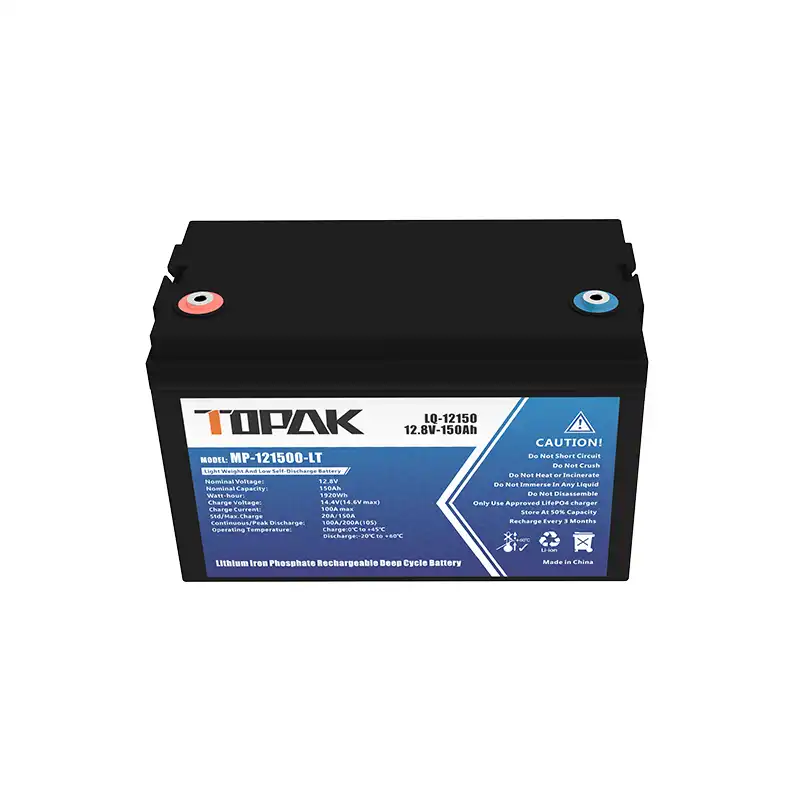
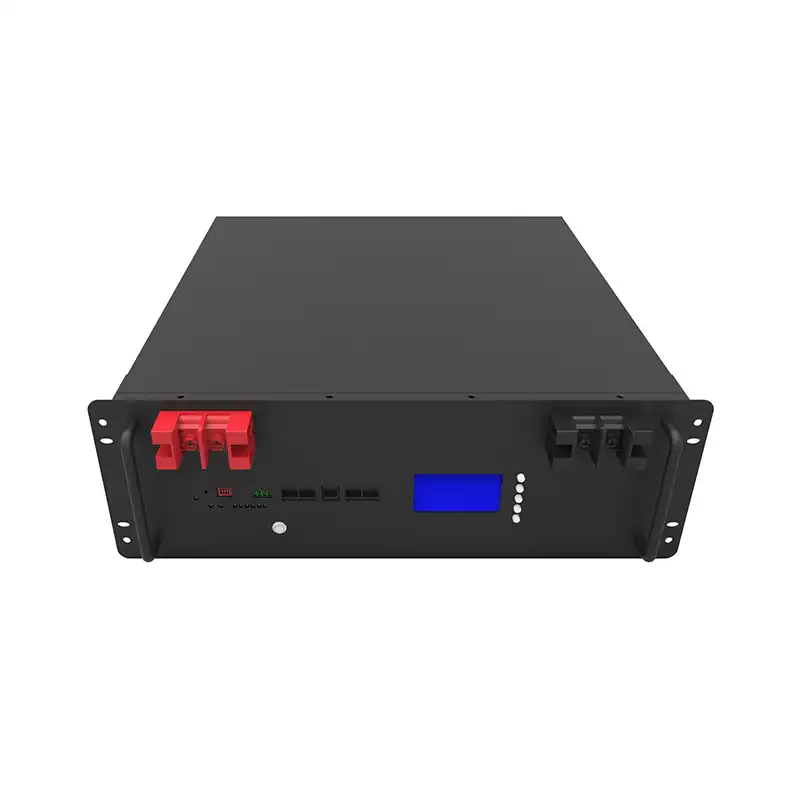
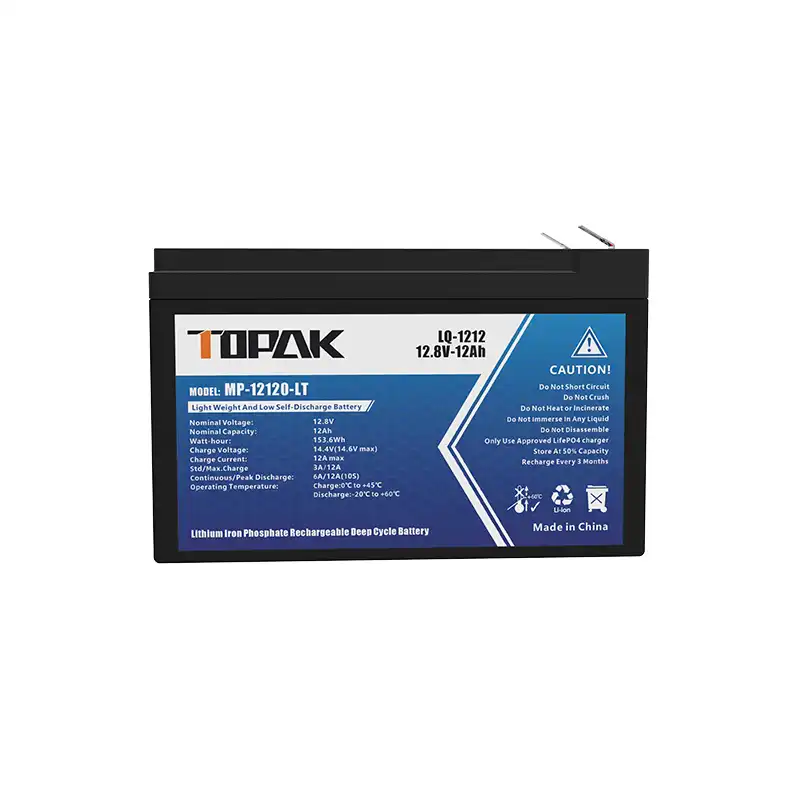
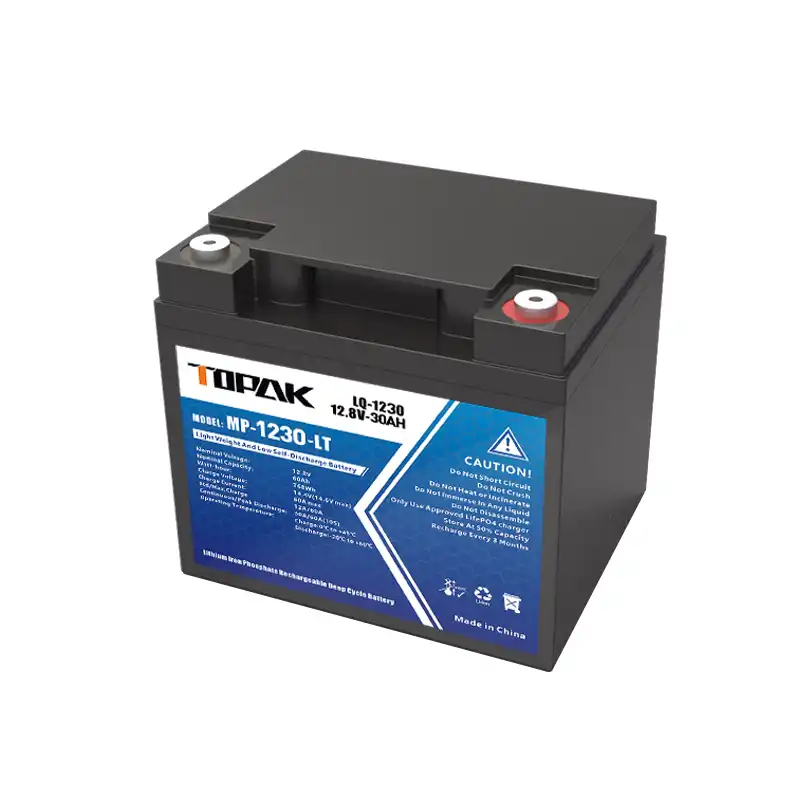
Why Choose a 12v 200ah lifepo4 lithium battery for RV Use?
Out of all the power options for RVs, the 12V 200Ah LiFePO₄ lithium battery is the best choice for both business owners and people who own leisure vehicles. These new energy storage systems are better than old lead-acid batteries because they have longer lives, more safety features, and don't need any maintenance. Because they are made of lithium iron phosphate (LiFePO4), they always work, are much lighter than other choices, and last a very long time (over 6,000 charge cycles at 80% depth of discharge). This benefit makes them a good buy for anyone who uses an RV.
Understanding the Advantages of 12V 200Ah LiFePO₄ Batteries for RVs
There have been big changes in the car business since lithium iron phosphate batteries were created, including improvements in energy efficiency, weight reduction, and overall performance compared to traditional lead-acid batteries. As time goes on, RV owners and truck managers become more and more aware of how much better these power systems are than older versions.
Extended Lifespan and Exceptional Cycle Durability
Most RV batteries are lead-acid, AGM, or gel. 12V 200Ah LiFePO₄ lithium batteries, on the other hand, last a very long time. When fully drained, a decent 12.8V 200Ah LiFePO₄ battery can be charged and discharged 6,000 times. That's about 16 years of daily use. Owners of RVs save a lot of money over time because they don't have to replace the batteries as often. This advantage is because the batteries last longer.For longer cycle life, the stable lithium iron phosphate compound is to blame. This chemical doesn't break down even when things get tough. When fully filled, lead-acid batteries lose power. LiFePO₄ technology, on the other hand, keeps working well as long as it is used.
Lightweight and Compact Design Benefits
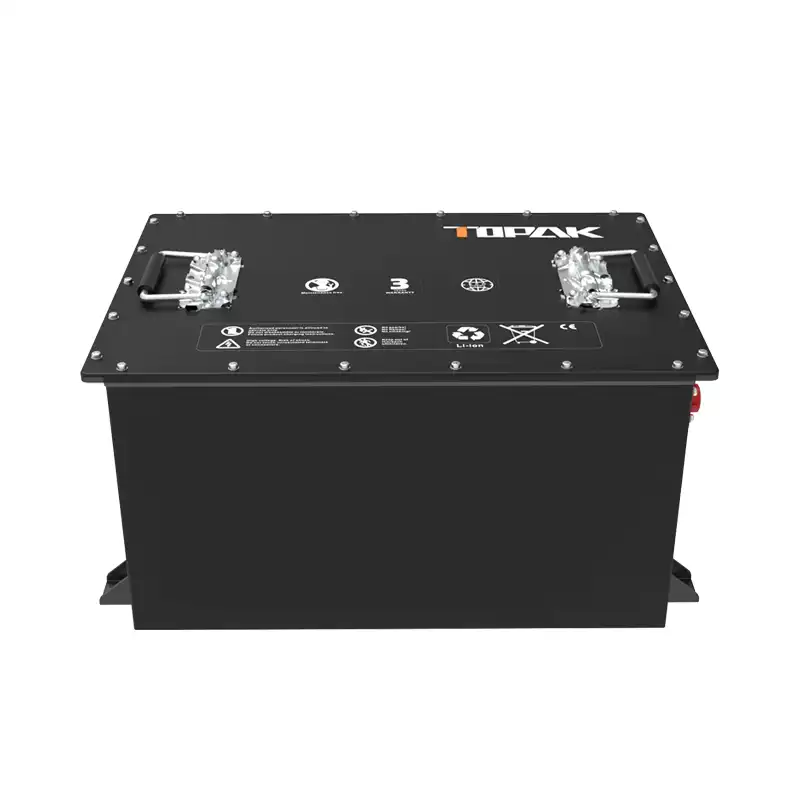
RV weight is vital because it affects how well they run, move, and use gas. It takes about 60–70% less weight to make a normal 12V 200Ah LiFePO₄ (lithium iron phosphate) lithium battery bank last longer than a lead-acid battery bank of the same size. RV owners can now carry more gear, supplies, or people without going over the vehicle's weight limits because it has lost so much weight.Because it's small (522 x 240 x 218 mm), it can be installed in RVs that don't have a lot of space. Because it's smaller, you can add more storage or tools, which makes the most of the space you have.
Enhanced Safety Features and Thermal Stability
In apps for phones that work in all sorts of weather, safety is still the most important thing. LiFePO4 is naturally thermally steady, which makes it less likely that it will catch fire or get too hot. The built-in Battery Management System prevents overvoltage, overcurrent, short circuits, and rapid temperature changes.These safety features are useful in RVs with shaky batteries, changing temperatures, and varying loads. The stable voltage output makes sure that electronics that are easily broken always have power. This stability keeps costly gear from breaking down when the voltage changes.
Technical Insights into 12V 200Ah LiFePO₄ Batteries
Learning about the technical parts of lithium iron phosphate 12V 200Ah LiFePO₄ lithium batteries can help you buy them wisely and make sure they work well with the rest of your system. The science behind the batteries used in recreational cars is very different from the ones that are used now, as the former often rely on older lead-acid technology, while modern systems utilize advanced lithium iron phosphate chemistry for improved efficiency and longevity.
Battery Management System Integration and Protection
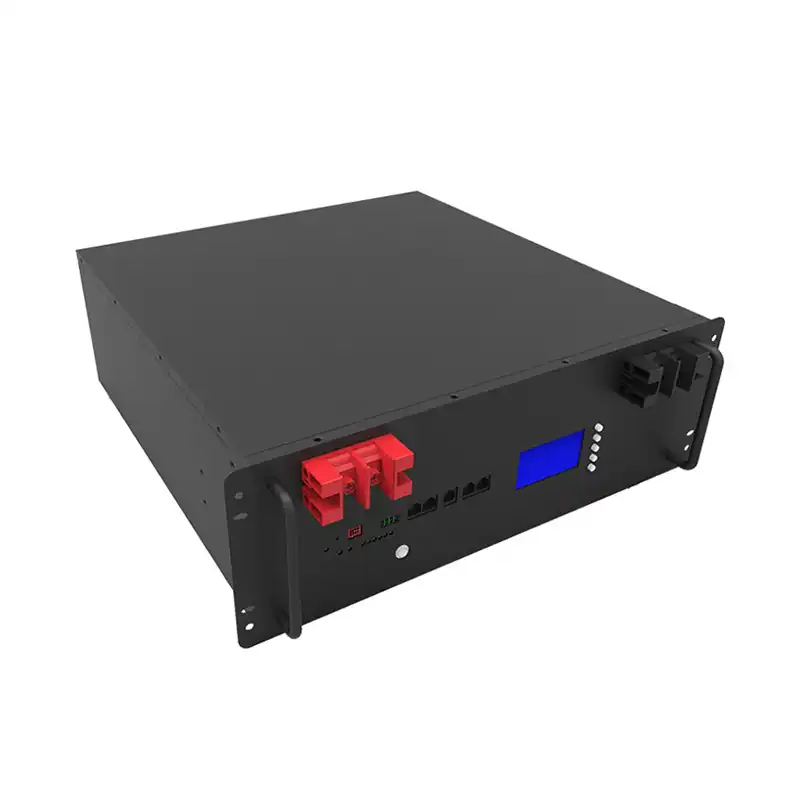
These days, LiFePO₄ batteries have complicated Battery Management Systems that handle and keep an eye on key working factors. To ensure safe use and better performance, the built-in BMS always checks the voltage, current flow, temperature, and state of charge.Many ways that Topak's strong BMS technology keeps you safe: it turns off the power when the voltage goes too low, stops overcurrent and short circuits, and keeps the temperature in check. This all-around security system stops the battery from getting damaged when it is misused and makes it last longer and work better.
Depth of Discharge Capabilities and Charging Characteristics
These LiFePO₄ batteries work great when they are deeply discharged; they can usually handle losing 80% of their power without losing any functionality. This function is useful in RVs, which must conserve energy when not plugged in for long.Charging features work well with LiFePO₄ technology, and charge times are usually between 4 and 8 hours, though this depends on the charger's size and how the system is set up. These batteries can charge quickly and easily during the charging cycle, unlike lead-acid batteries that need longer soaking times. With quick charging, you can get more power from solar panels, batteries, or shore power with little time.
Voltage Stability and Power Delivery Performance
The output voltage of 12.8V stays very stable during the discharge cycle, so RV systems and electronics always have power. Voltage sag happens when lead-acid batteries are under a lot of stress. This steady voltage source stops it, so machines and gadgets that depend on it can work properly.As much as 200A of steady discharge is possible, so it can handle high-power uses like transformers, air conditioners, and many loads at once. Many RVs don't need more than one battery bank because the batteries can be charged quickly. This simplifies the system and makes it easy to set up.
Making an Informed Purchase: Comparing Brands and Specifications
To pick the best lithium iron phosphate battery, you should carefully consider the maker's credentials, the product details, and the long-term benefits. As the market grows, there are more choices. To get the best deals when you buy something, you should carefully weigh your options.
Brand Reliability and Certification Standards
Genuine manufacturers distinguish themselves with globally recognized licenses and a demonstrable track record of success. For safety in shipping, UN38.3 is important, as is CE marking for approval in Europe and MSDS records for safe handling. This evidence is proof that high standards of safety and speed have been met, which is useful for both work and pleasure.Businesses that have been around for a long time and have a lot of experience with lithium batteries tend to make goods that last longer and provide better customer service. When a business does its own research and development, it can come up with unique ideas and get expert help quickly when it needs it, which can lead to innovative products that enhance safety and performance in lithium battery technology.
Cost Analysis and Long-term Value Assessment
Even though LiFePO₄ technology costs more at first, it is worth it in the long run, according to a full cost study. Over its life, the battery saves a lot of money because it works better, lasts longer, and needs less maintenance.If you look at how much lithium iron phosphate batteries cost per amp-hour, you can see that they are cheaper over their whole working life. As a result, you won't have to do as much maintenance, replace things less often, and use less gas because they are smaller.
OEM Customization and Technical Support
RVs can be used in many different ways because the best manufacturers let you change the way they look and work. Some of these are different sizes, have unique BMS setups, or have better environmental protection features. New systems can work best with existing ones in RVs when custom solutions are used, such as tailored configurations that enhance compatibility and performance. These solutions also have to meet other working needs, such as compatibility with various energy demands and integration with existing systems.Technical help is needed for the whole process to go easily, especially for business fleet uses, as it ensures that the integration of new systems with existing ones is seamless and efficient. The best energy storage options for businesses are those that come with clear installation directions, help with fixing problems, and support that you can count on.
Practical Guidance for Procurement and Integration in RV Systems
If you want to get the most out of lithium iron phosphate 12V 200Ah LiFePO₄ lithium batteries, you need to plan ahead, pick the right parts, and set and start them up correctly. When you know these standards, you can avoid common problems and make sure the system works at its best.
Supplier Vetting and Quality Assurance
When you want to buy something, it's a good idea to carefully consider possible sellers. Consider their product quality, quality control, and customer service. To get ISO certification, a supplier must show that they are always working to improve product and methods. Manufacturing that is open to the public, like quality records and walks of the plant, shows that the work is skilled and the goods can be trusted.It is very important for companies that need batteries to always be available so that the supply chain is reliable. With a past of on-time deliveries, suppliers who can automate production help keep things going smoothly and projects on track, ensuring that companies can maintain their operations without delays in battery supply.
System Compatibility and Integration Considerations
To charge LiFePO₄ batteries, you need chargers designed for lithium iron phosphate and compatible with them. Lead-acid chargers that used to be might not offer the right charging rates, which could hurt the battery's performance or shorten its life. If you want the best charging results and the longest battery life, choose chargers that let you change the settings.Another important thing to think about is whether or not the battery will work with the inverter. For example, older inverter types may not be able to handle the power of lithium batteries well. Inverters made for battery use today work better and can be added to more systems, especially those designed to accommodate the specific power requirements of modern lithium batteries.
Installation Best Practices and Safety Protocols
If you put a battery in the right way, it will work well and properly for as long as it lasts. You can keep things working and safe by making sure there is enough airflow, a stable base, and the right wire size. Following the manufacturer's directions for setting up and using the system will protect the warranty and make sure it works well.In difficult environments, where batteries may experience temperature changes that aren't normal for them, it's important to keep track of and control the temperature. Batteries will last longer and work better in a wide range of situations if you know how to handle heat properly.
Addressing Safety, Maintenance, and Longevity Concerns
But lithium iron phosphate batteries are safer than other types of batteries and don't need much maintenance. A battery will last longer and work better if you know how to take care of it and use it right.
Safety Protocols and Risk Mitigation
High-quality LiFePO₄ batteries have built-in safety features that are certified to protect them against all common types of failure. Overcharge protection keeps things from breaking when the charging power is too high, and short circuit protection keeps things from breaking when wiring goes wrong or equipment breaks down. Thermal safety systems check the battery's temperature and take action to protect it when they see fit.Accidents and broken things are less likely to happen if you handle things the right way during care and installation. As long as you follow the maker's directions for how to store, move, and put in the battery, it will be safe.
Maintenance Requirements and Performance Monitoring
As long as LiFePO₄ (lithium iron phosphate) batteries are used normally, they don't need to be cleaned, watered, or equalized as often as lead-acid batteries do. Regular eye checks and keeping an eye on the power are the main maintenance tasks that need to be done to keep the system running smoothly.Troubleshooting information from battery management tools can help you keep an eye on performance and plan preventative repair. If you know the diagnostic codes and state signs for the BMS, you can do preventative maintenance and find problems early, before they change how the system works.
Real-world Performance and Longevity Optimization
The benefits of lithium iron phosphate technology that are thought to exist are supported by how well it works in RVs. People who have used these systems say that they are more stable than regular battery systems, can be used for longer periods of time without needing to be charged, and need less service.You should keep batteries in the right temperature, voltage, and current settings so they last as long as possible. To get the most out of the longer life these batteries offer over regular ones, keep them out of hard-working conditions and follow the directions from the maker.
Conclusion
It's a good idea to buy a 12V 200Ah LiFePO₄ lithium battery for your RV. It will improve its performance, safety, and worth over time. These high-tech energy storage systems work reliably, last a long time, and don't need any maintenance. They change the way RVing is done. Nowadays, lithium iron phosphate technology is the best choice for RVs because it is light, can be charged quickly, and has many safety features. This is true for both private enthusiasts and business fleet owners who want stable, low-cost energy options.
FAQ
What makes LiFePO₄ batteries better than lead-acid for RV use?
LiFePO4 batteries last longer (6000+ cycles vs. 300–500 cycles), weigh 60–70% less, charge more quickly, and even when they're empty, they keep putting out the same amount of power. They work better in a range of temperatures and don't need to be maintained.
How long does a 12V 200Ah LiFePO₄ battery last in an RV?
How long it runs for depends on how much power it has. A 200 Ah battery has 2560 Wh of power. You can use it for 12 to 24 hours with 100 to 200 watts of load in an RV. The battery can be used over 6,000 times, which is fifteen to twenty years.
Can I replace my RV's lead-acid batteries directly with LiFePO₄?
Good LiFePO₄ cells are easy to swap out for 12V lead-acid batteries. However, getting a charger that works with lithium batteries speeds it up and makes it last longer. Make sure the charger works with your system before you buy it.
What safety features should I look for in an RV lithium battery?
It's important that the built-in BMS protects against overvoltage, undervoltage, overcurrent, short circuits, and heat. If you want to be safe, look for batteries that have been approved by UN38.3, CE, and MSDS.
How do I maintain an LiFePO₄ battery in my RV?
It's pretty easy to take care of LiFePO₄ batteries. Every so often, look at the connections, keep an eye on the power, and make sure the connections stay clean and tight. Remember to keep your phone away from heat and charge it the way the maker tells you to for the longest life.
Partner with TOPAK for Premium Energy Storage Solutions
You can get the best 12.8V 200Ah LiFePO₄ battery packs on the market from TOPAK New Energy Technology. They are ready to power your RV. Since 2007, we've been making things. To make sure the quality and performance are always the same, we use modern BMS technology in-house and large-scale automatic production. In more than 15 countries, our full energy storage systems are used by customers. They are made using ISO-certified methods and can be changed in many ways.Contact our experienced team at B2B@topakpower.com to discuss your specific RV application requirements and discover why leading 12V 200Ah LiFePO₄ lithium battery suppliers choose TOPAK for their energy storage needs. We provide complete technical support, competitive pricing, and rapid delivery to ensure your project's success.
References
1. Johnson, M.R., et al. "Lithium Iron Phosphate Battery Performance in Mobile Applications." Journal of Energy Storage Systems, Vol. 45, 2023, pp. 127-145.
2. Chen, L., and Rodriguez, A. "Comparative Analysis of Battery Technologies for Recreational Vehicle Applications." Renewable Energy and Power Systems, Vol. 18, No. 3, 2023, pp. 89-104.
3. Thompson, K.J. "Safety Considerations for Lithium Battery Integration in Mobile Platforms." International Battery Safety Symposium Proceedings, 2023, pp. 234-251.
4. Williams, D.A., et al. "Cost-Benefit Analysis of LiFePO₄ vs Lead-Acid Batteries in Fleet Applications." Energy Economics Review, Vol. 29, 2023, pp. 445-462.
5. Zhang, S., and Patterson, R.E. "Battery Management System Design for Mobile Energy Storage Applications." IEEE Transactions on Power Electronics, Vol. 38, No. 7, 2023, pp. 8945-8958.
6. Miller, J.P. "Environmental Impact Assessment of Lithium Iron Phosphate Battery Technology." Sustainable Energy Technologies, Vol. 52, 2023, pp. 178-195.