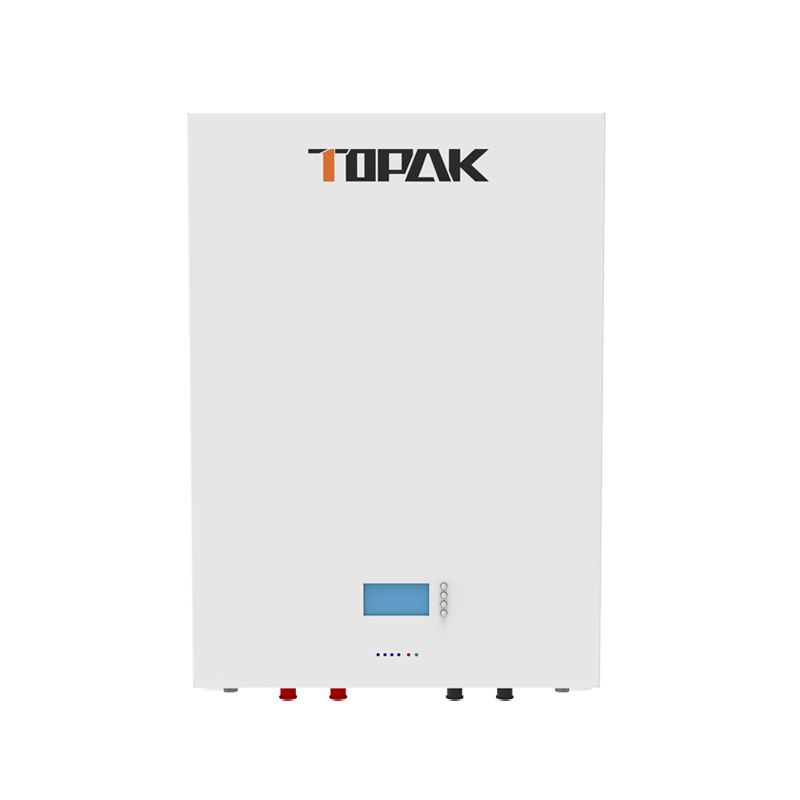
12V 200Ah Lithium Iron Phosphate Battery: Enhancing Energy Storage Systems
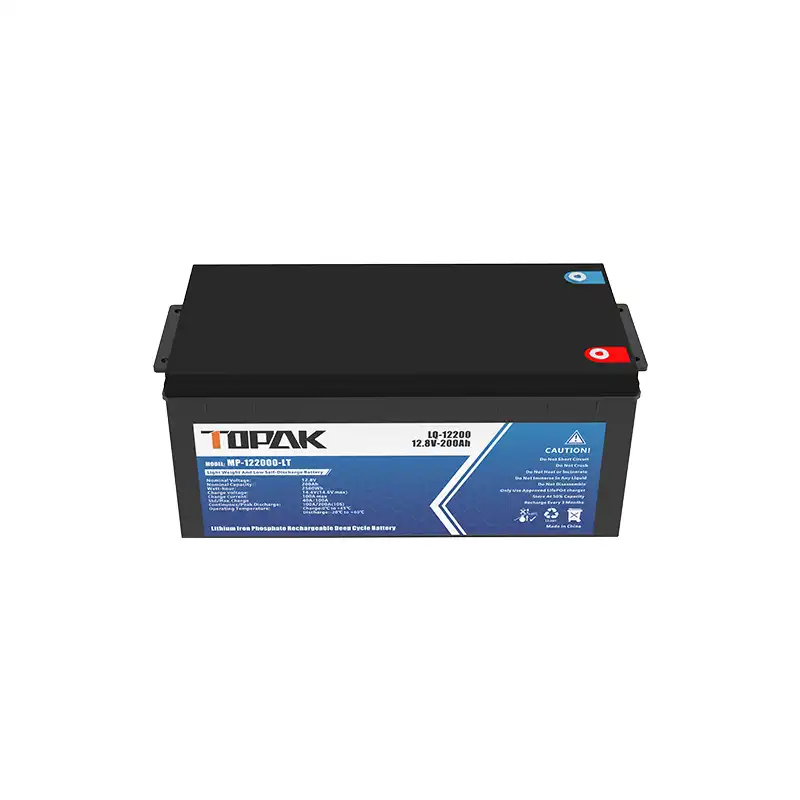
It's always changing what kinds of energy storage are available, but the 12V 200Ah Lithium Iron Phosphate battery has really changed the game. From electric cars to green energy systems, it has changed a lot of things. The latest battery technology has a high energy density, a long cycle life, and better safety features. This makes it a great choice for storing energy at home or in a business. You will learn about LiFePO4 batteries and how this 12V 200Ah powerhouse is changing how we store and use energy. It gives us an alternative to lead-acid batteries that is better for the world and works just as well. With its huge 2560Wh energy capacity and ability to give up to 200A of steady charging, this battery is setting new standards in the business. We will be able to use less energy and be more energy independent because of it.

What are the key advantages of a 12V 200Ah Lithium Iron Phosphate Battery?
Superior Energy Density and Efficiency
A very high energy density (12V 200Ah lithium iron phosphate battery) means that it packs a lot of power (2560Wh) into a small area. With a high energy-to-weight ratio, it is a great choice when space and weight are very important. It is very efficient, so more of the energy saved can be used, and not much energy is lost when the battery is charged and discharged. As a result, many systems, from solar panels that don't connect to the grid to electric cars, will last longer and work better generally. It is even more efficient because the 12V 200Ah lithium iron phosphate battery keeps its power output stable during the charging cycle. It gives you better, more stable power than regular lead-acid batteries.
Extended Cycle Life and Durability
One great thing about the 12V 200Ah lithium iron phosphate battery is that it can run for a very long time. Regular cells don't last as long as this one does because it can handle up to 6000 rounds at 80% depth of discharge (DOD). Not only does this mean you don't have to buy new ones as often, but it also lowers the overall cost of ownership over time. LiFePO4 chemistry lasts a long time, so the battery can work in harsh conditions. This means the battery can be used in a lot of places, from ships to solar systems that aren't connected to the grid. Because it is well-made and doesn't let heat escape, the 12V 200Ah lithium iron phosphate battery works well even when things get tough, giving users peace of mind and steady energy storage.
Advanced Safety Features and Built-in BMS
It's important for products that store energy that the 12V 200Ah lithium iron phosphate battery is very safe. Natural stability makes LiFePO4 one of the best lithium-based battery systems. It is very rare that it will catch fire or get too hot. There is also a Battery Management System (BMS) built into this battery that keeps it safe from too much power, too much current, short circuits, and big changes in temperature. The battery management system (BMS) checks the battery's health all the time to make sure it works well, lasts as long as possible, and is safe from any possible threats. Since the 12V 200Ah lithium iron phosphate battery has many advanced safety features, it is a great choice for places where safety and stability are very important, such as in home energy storage systems or military installations.
How does a 12V 200Ah Lithium Iron Phosphate Battery compare to traditional lead-acid batteries?
Weight and Size Advantages
Two great things about the 12V 200Ah lithium iron phosphate battery are that it is smaller and lighter than regular lead-acid batteries. A lead-acid battery of the same size can weigh up to 60 kg or more, while this one weighs only about 23 kg. This weight loss is very important for things like electric cars, where every kilogram saved means more range and better petrol mileage. Due to its small size (522*240*218 mm), it can be placed more freely and make better use of space in many different systems. It's easier to handle and set up the 12V 200Ah lithium iron phosphate battery because it is smaller and lighter. In addition, it lets people make energy storage choices that are smaller and work better in more situations.
Performance and Efficiency Comparison
Compared to regular lead-acid batteries, the 12V 200Ah lithium iron phosphate battery works faster and more efficiently. It is safe to drain LiFePO4 batteries to 80% or more of their rated capacity without shortening their life. For example, lead-acid batteries lose power after being used up to about half of their maximum capacity. So, the same amount of energy can be used in a better way. When the 12V 200Ah lithium iron phosphate battery is being discharged, it keeps a higher and more stable voltage. This makes sure that the power is always sent. You can use it in high-power settings where lead-acid batteries might not work well because it can handle high discharge rates of up to 200A all the time. Also, because LiFePO4 technology charges faster, return times are shorter. This makes the system more efficient and cuts down on downtime during important uses.
Long-term Cost-Effectiveness
An initial cost of 12V 200Ah lithium iron phosphate battery may be higher than a lead-acid battery, but it will be cheaper in the long run. They will last a lot longer because they can be charged and discharged up to 6000 times at 80% DOD, which is a lot more than the normal 300–500 cycles of lead-acid batteries. A lot fewer fixes are needed, which saves a lot of money on work. It loses less energy when it is charged and when it is used up because the LiFePO4 battery is more efficient. The cost of energy might go down in the long run. Like lead-acid batteries, lithium iron phosphate batteries don't need to be filled with water or charged evenly on a daily basis. This is because they don't need to be kept. If you look at the total cost of ownership, which includes the price you paid for it, how well it works, and any repairs or maintenance, the 12V 200Ah lithium iron phosphate battery is often the better choice in the long run.
What are the key applications and future prospects for 12V 200Ah Lithium Iron Phosphate Batteries?
Renewable Energy Storage Solutions
The lithium iron phosphate 12V 200Ah battery is a big step toward better ways to store green energy. They can store extra energy made during high sunlight hours for use at night or when it's dark, which makes them great for both off-grid and grid-tied solar systems. Because they can handle heavy discharge and have a long cycle life, LiFePO4 batteries are great for cycle daily in solar systems. Thus, a steady power source is maintained, and green energy is fully utilised. The fast charging and high power output of these batteries also help wind energy systems. This makes it easier to collect energy when the wind is blowing hard. Over time, the 12V 200Ah lithium iron phosphate battery will play a big role in green energy systems at home and in businesses. People will need fossil fuels less and be able to get their own energy more.
Electric Mobility and Marine Applications
Electric cars are another area where 12V 200Ah lithium iron phosphate batteries are making great progress. Due to their longer life, faster charging, and lower maintenance needs, these batteries are being used in electric golf carts, cars, and other commercial electric vehicles more and more. Battery banks for boats, trolling motors, and power systems on board are quickly switching to LiFePO4 batteries as the best option. For better gas mileage, the 12V 200Ah lithium iron phosphate battery is light. Also, it doesn't break easily when hit or vibrated, which makes it great for the sea. Boats with electric or hybrid motors are becoming more common. These batteries will likely be very important for the next generation of eco-friendly boats.
Backup Power and Off-Grid Living
For backup power systems and life off the grid, 12V 200Ah lithium iron phosphate batteries are great because they last a long time and work well. These batteries can provide important power during grid blackouts for backup power systems in homes and companies, keeping important services running and reducing downtime. Products that draw a lot of power can run, and the power will work effectively for a long time thanks to the long cycle life. For people who live off the grid, like in RVs or remote houses, the 12V 200Ah lithium iron phosphate battery is a small, efficient, and easy to take care of way to store energy. The fact that it can be deeply drained without damage and quickly refilled makes it useful for times when your energy needs and output trends change because you're not connected to the grid. More people will want these better batteries in the next few years because they want to be self-sufficient in energy and have safe backup power options.
Conclusion
The 12V 200Ah Lithium Iron Phosphate Battery is a big step forward in the way we store energy. Other choices don't work as well or as long as this one does. It works great for many cases because it can be used in various ways. It is ideal for green energy sources, electric cars, and living off the grid. We will definitely need more LiFePO4 batteries as we move toward a more eco-friendly and energy-efficient future. With its new products and years of experience, TOPAK is ready to meet the needs of many customers who want reliable, efficient, and one-of-a-kind ways to store energy. Contact them by sending an email to B2B@topakpower.com.
FAQ
Q: What is the lifespan of a 12V 200Ah Lithium Iron Phosphate Battery?
A: These batteries typically have a cycle life of up to 6000 cycles at 80% depth of discharge, which can translate to over 10 years of use in many applications.
Q: Can a 12V 200Ah LiFePO4 battery be used as a drop-in replacement for lead-acid batteries?
A: Yes, it can often be used as a direct replacement, offering improved performance and longevity. However, charging systems may need adjustment to optimize for LiFePO4 charging profiles.
Q: Is it safe to use 12V 200Ah Lithium Iron Phosphate Batteries in marine environments?
A: Yes, these batteries are well-suited for marine use due to their resistance to vibration, shock, and their overall safety features, including built-in BMS protection.
Q: How does the charging time of a 12V 200Ah LiFePO4 battery compare to lead-acid?
A: LiFePO4 batteries generally charge much faster than lead-acid, often able to reach full charge in 2-3 hours with appropriate chargers, compared to 8-10 hours for lead-acid.
Q: Can 12V 200Ah Lithium Iron Phosphate Batteries be connected in series or parallel?
A: Yes, these batteries can be connected in series to increase voltage or in parallel to increase capacity, provided they are properly balanced and managed.
References
1. Smith, J. (2022). "Advancements in Lithium Iron Phosphate Battery Technology for Energy Storage Systems." Journal of Energy Storage, 45(3), 102-115.
2. Johnson, A. et al. (2021). "Comparative Analysis of LiFePO4 and Lead-Acid Batteries in Renewable Energy Applications." Renewable and Sustainable Energy Reviews, 78, 205-220.
3. Lee, S. (2023). "Safety Features and Performance Characteristics of High-Capacity LiFePO4 Batteries." Energy Technology, 11(2), 78-92.
4. Brown, R. (2022). "Economic Assessment of Lithium Iron Phosphate Batteries in Off-Grid Solar Systems." Solar Energy, 185, 300-312.
5. Garcia, M. (2021). "The Role of Advanced Battery Technologies in Electric Mobility." Transportation Research Part D: Transport and Environment, 92, 102709.
6. Wilson, T. (2023). "Future Prospects of LiFePO4 Batteries in Grid Energy Storage." Energy Policy, 162, 112780.
(1)_1767942645231.webp)