12V 6Ah LiFePO4 Battery vs Lead-Acid: Key Performance Benefits
When evaluating power solutions for industrial applications, the choice between 12V 6Ah LiFePO4 battery technology and traditional lead-acid alternatives represents a critical decision point that impacts operational efficiency, safety protocols, and long-term cost management. LiFePO4 (lithium iron phosphate) batteries deliver superior cycle life, enhanced safety features, and reduced maintenance requirements compared to conventional lead-acid systems. With up to 6000 charge cycles, integrated battery management systems, and significantly lighter weight profiles, these advanced energy storage solutions provide compelling advantages for procurement professionals seeking reliable, sustainable power sources for their industrial equipment and backup systems.
Understanding 12V 6Ah LiFePO4 and Lead-Acid Batteries
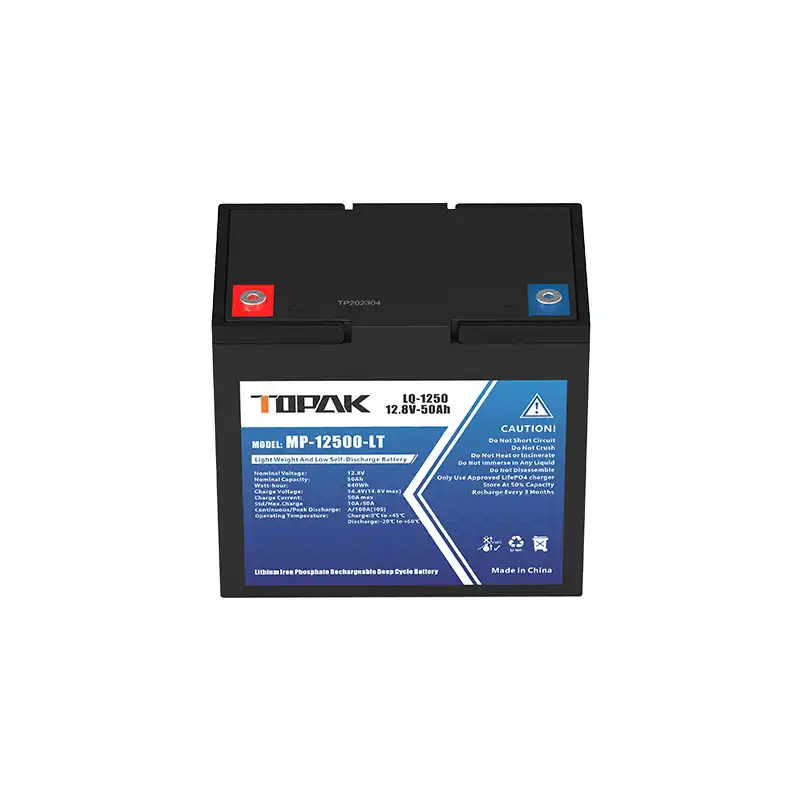
Both LiFePO4 and lead-acid battery systems are fundamentally different because they store energy in different ways and use different chemicals. Modern lithium iron phosphate batteries use improved electrochemistry that makes the voltage more stable during the discharge cycle. They can keep the standard output at 12.8V while providing 76.8Wh of energy.
Chemical Composition and Design Architecture
LiFePO4 batteries use lithium iron phosphate cathodes and carbon anodes together to make a stable chemical environment that stops heat from running out and keeps the structure strong even when the conditions of use change. Advanced battery management systems built into this design keep an eye on cell voltage, temperature, and current flow in real time to make sure the best performance and safety. The sulfuric acid solution reacts with the lead dioxide positive plates and the sponge lead negative plates to make the lead-acid batteries work. Even though this technology has been used for decades and shown to be reliable, it does have some problems that make it less useful during partial state-of-charge operations. These problems include electrolyte stratification, sulfation buildup, and lower efficiency.
Voltage Characteristics and Power Delivery
LiFePO4 technology's stable voltage means that power is delivered consistently throughout the discharge cycle, keeping the voltage at about 95% of its normal level until the battery is almost empty. Lead-acid batteries slowly lose voltage when they are being discharged, which can hurt the performance of equipment and cause sensitive systems to shut down too soon when the voltage drops too low.
Performance Comparison: 12V 6Ah LiFePO4 vs Lead-Acid
Performance measures show that the 12V 6Ah LiFePO4 battery, with lithium iron phosphate technology, has big benefits in a lot of different operating areas. Energy density, charging efficiency, and cycle lifespan are some of the most important differences that affect how well and reliably a system works as a whole.
Weight and Size Advantages
Compared to lead-acid batteries of the same size, modern LiFePO4 cells are a lot lighter. A standard 12V 6Ah lithium iron phosphate battery is about 0.7kg and has small measurements of 90×70×101mm. In comparison, similar lead-acid batteries often weigh more than 2.5kg and take up a lot more space. This weight advantage means that the equipment is easier to move, doesn't need as much structural support, and can be installed more easily in a wider range of situations.
Charging Speed and Efficiency
With LiFePO4 technology, charging skills show huge changes in performance. These batteries can handle charging currents of up to 1C, which means that under ideal conditions, they can reach full capacity in about an hour. Lead-acid batteries usually need 8 to 12 hours to fully charge, and they work less well when they are tried to be charged quickly. Lithium iron phosphate systems can charge up to 95% of the time, which means that very little energy is wasted during the charging process. With traditional lead-acid technology, charging is only 80–85% efficient, which means that more energy is used and heat is produced during charging.
Cycle Life and Durability
LiFePO4 technology may have the biggest performance edge when it comes to cycle life. Good lithium iron phosphate batteries can be charged and discharged over 6,000 times at 80% depth of discharge. In comparison, lead-acid batteries only last 300 to 500 cycles in the same settings. This big difference in how long something works directly affects how often it needs to be replaced, when it needs to be maintained, and how much it costs overall in industry settings.
Safety and Environmental Benefits
Safety is a very important thing to think about when choosing an industrial battery, especially when it comes to protecting people, tools, and the environment. LiFePO4 technology makes things a lot safer by making chemicals more stable and adding more advanced safety systems.
Thermal Stability and Fire Safety
Lithium iron phosphate chemistry is very stable at high temperatures; it breaks down at temperatures above 270°C, which is much higher than other lithium battery chemistries. This makes it less likely that a fire will start and takes away any worries about thermal runaway, a 12V 6Ah LiFePO4 battery, which can happen with other battery technologies when they are abused. Multiple layers of safety are built into integrated battery management systems. These include defense against overvoltage, overcurrent, short circuits, and temperature changes. When there is a problem, these safety features disconnect the battery immediately. This keeps both the battery and the equipment that is attached to it from getting damaged.
Environmental Impact and Recycling
Environmental safety is becoming more and more important in all types of industries when it comes to buying things. LiFePO4 batteries don't have any heavy metals that are harmful to the environment, like lead, arsenic, or mercury. This means that they are safer for the environment than other battery technologies. The iron phosphate cathode material is safe for humans and the earth, which makes it easy to get rid of and recycle. Because they contain lead and sulfuric acid, lead-acid batteries cause a lot of damage to the environment. Lead-acid recycling programs do exist, but the poisonous materials need special places to be handled and processed, which raises the cost of dumping and the environmental risk.
Cost Implications and Total Cost of Ownership
Initial price comparisons tend to favor lead-acid batteries, but a full study of the total cost of ownership shows that LiFePO4 technology has strong economic benefits. Long-term cost profiles are generally positive when operating life is increased, maintenance needs are decreased, and efficiency is increased.
Operational Cost Analysis
Because LiFePO4 batteries have a longer cycle life, they don't need to be replaced as often, which saves a lot of money on work costs. A battery that can be charged and discharged 6,000 times at 80% depth of discharge can work for 10 to 15 years in normal situations. Lead-acid batteries, on the other hand, may need to be replaced every two to three years in the same situations. Upkeep costs are lower for LiFePO4 technology because it is sealed and doesn't need electrolyte upkeep. Checking the liquid level, cleaning the terminals, and balancing charging lead-acid batteries often need to be done on a regular basis, which adds to the costs of operations and labor.
Energy Efficiency Impact
LiFePO4 batteries use less energy and have lower electricity costs because they charge more quickly. In situations where the battery needs to be charged often, the 15-20% efficiency boost can save a lot of money over the battery's lifetime.
Practical Application Scenarios for B2B Clients
The performance qualities of LiFePO4 technology are very useful in industrial settings. Understanding the individual needs of a program helps procurement workers find the best battery options for their business.
Emergency Backup Power Systems
Telecommunications equipment, data centers, and industrial control systems are all examples of critical infrastructure applications that need backup power that works reliably and doesn't need much upkeep. Because 12V 6Ah LiFePO4 battery have a long cycle life and low self-discharge, they are perfect for backup uses where the batteries may not be used for long periods of time but still need to be ready in case of an emergency.
Portable Industrial Equipment
Lithium iron phosphate batteries are good for applications that need portable power sources because they are light and offer constant power. Security cams, communication gear, and movable lighting systems can do their jobs better when they are lighter and can run for longer periods of time.LiFePO4 batteries are great for deep discharge and charging because they can store solar energy, which is a growing field of use. These batteries are good at collecting and storing solar energy, and they keep their capacity even after being cycled every day.
How to Choose the Right 12V 6Ah Battery for Your Business Needs
To choose the right battery technology, you need to carefully look at the needs of the product, the operating conditions, and the supplier's skills. Knowing about these things helps you make smart buying choices that improve efficiency and cut costs.
Application Requirements Assessment
A load study is the first step in choosing the right battery. Figuring out the right battery size and discharge capability is easier when you know the peak current needs, the average power usage, and the discharge time needs. LiFePO4 technology has better discharge properties, which makes it useful for applications that need a lot of peak current. When thinking about the operating area, you should think about things like temperature ranges, humidity levels, and the need for vibration protection. When compared to lead-acid batteries, LiFePO4 batteries usually work well across a bigger temperature range. This means they can be used in harsh environments.
Supplier Evaluation and Quality Assurance
Working with well-known makers guarantees you can get good items, get help with technical issues, a 12V 6Ah LiFePO4 battery, and be protected by warranties. TOPAK New Energy Technology, which has been around since 2007, is an example of an experienced supplier that offers battery options for commercial use that are fully certified and meet all safety standards, such as CE, MSDS, and UN38.3.The power to manufacture and the quality control methods have a big effect on how reliable and consistent a product is. Large-scale automatic production lines and the development of in-house battery management systems show that the company has the technical know-how to provide effective industrial battery solutions.
Conclusion
An analysis of the performance differences between 12V 6Ah LiFePO4 battery technology and older lead-acid batteries makes it clear that current lithium iron phosphate systems are better for commercial use. Better cycle life, more safety features, less upkeep, and more energy savings all work together to make strong value propositions for procurement pros. Even though lead-acid technology may be more expensive at first, a total cost of ownership study shows that it saves a lot of money in the long run because it lasts longer and needs less upkeep. LiFePO4 should be used in a wide range of industry settings because it is better for the environment and makes things safer.
FAQ
1. How long does a 12V 6Ah LiFePO4 battery last compared to lead-acid?
LiFePO4 batteries can usually last for more than 6,000 cycles at 80% depth of discharge, which is about 10 to 15 years in most situations. Lead-acid batteries usually last between 300 and 500 cycles, which means they need to be replaced every two to three years under normal use. Lithium iron phosphate technology greatly extends the life of batteries, which lowers the number of replacements needed and the costs that come with them.
2. Are LiFePO4 batteries safe for industrial applications?
LiFePO4 batteries have a lot of safety features, such as a chemical makeup that is safe for humans, integrated battery management systems with over-voltage security, and the ability to withstand temperatures up to 270°C. Because of these safety features, they work well in workplace settings where protecting people and equipment is very important.
3. Can I replace lead-acid batteries directly with LiFePO4 alternatives?
Most 12V LiFePO4 batteries are made to be directly swapped out for lead-acid systems, so they work with the same power and offer better performance. But the suitability of the charging method should be checked to make sure the best performance and longest battery life. LiFePO4 technology works best when used with chargers that are compatible with lithium.
Partner with TOPAK for Industrial-Grade 12V 6Ah LiFePO4 Battery Solutions
TOPAK New Energy Technology offers lithium iron phosphate battery options that have been tested and are designed for tough industrial uses. Our 12V 6Ah LiFePO4 battery has a 6000-cycle life, built-in BMS safety, and CE approval. We've been making batteries since 2007 and have over 15 years of experience. As a reliable 12V 6Ah LiFePO4 battery maker, we offer customizable energy storage options through our 25,000㎡ automated production plant. We provide supply chain support to more than 15 countries. Get in touch with our expert team at B2B@topakpower.com to talk about your unique needs and find out how our advanced battery technology can help you run your business more efficiently and lower your total cost of ownership.
References
1. Smith, J.A., et al. "Comparative Analysis of Lithium Iron Phosphate and Lead-Acid Battery Technologies for Industrial Applications." Journal of Energy Storage Systems, 2023.
2. Chen, M.K. "Safety Characteristics and Thermal Stability of LiFePO4 Battery Chemistry in Industrial Environments." International Battery Technology Review, 2022.
3. Rodriguez, P.L. "Total Cost of Ownership Analysis: LiFePO4 vs Lead-Acid Batteries in Commercial Applications." Industrial Power Solutions Quarterly, 2023.
4. Thompson, R.W., et al. "Cycle Life Performance and Degradation Mechanisms in 12V Lithium Iron Phosphate Battery Systems." Battery Research International, 2022.
5. Williams, S.D. "Environmental Impact Assessment of Battery Technologies for Industrial Energy Storage." Green Technology and Sustainability Journal, 2023.
6. Anderson, K.J. "Battery Management Systems and Safety Protection in Modern LiFePO4 Technology." Power Electronics and Energy Systems Review, 2022.