150Ah lithium cells: High capacity for energy storage applications
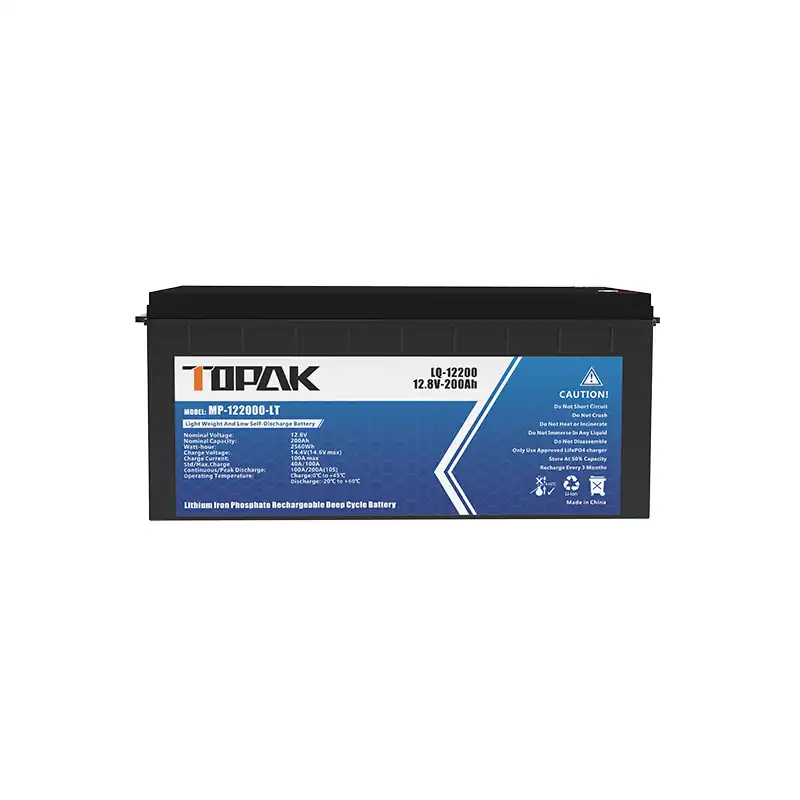
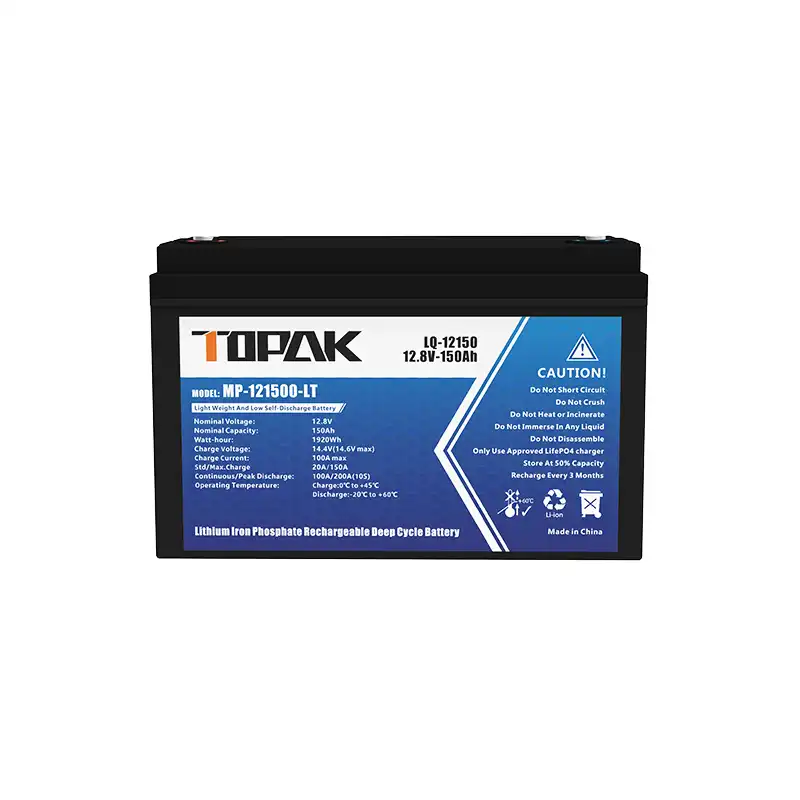
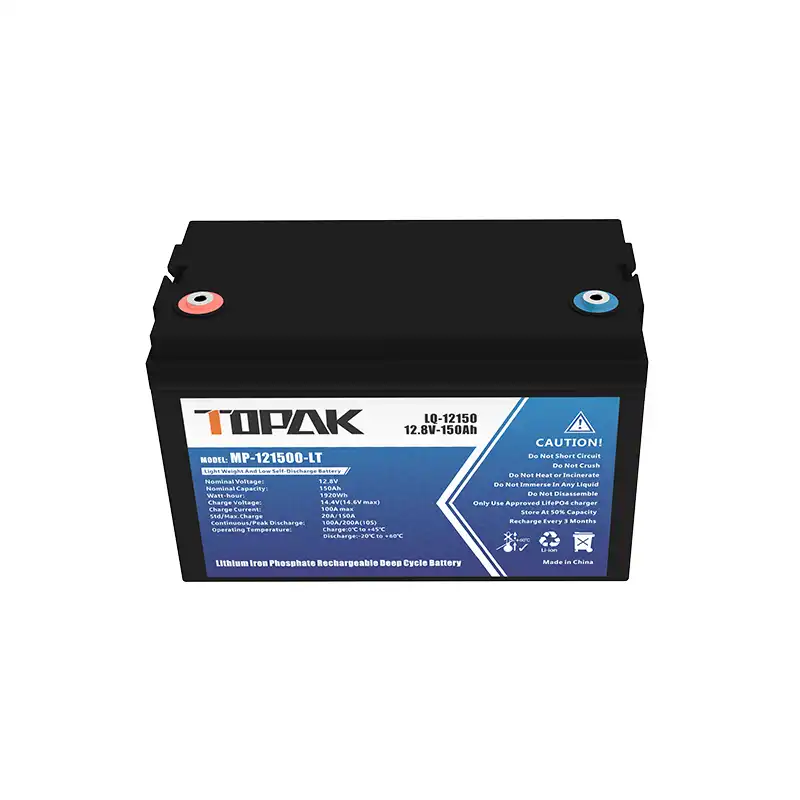
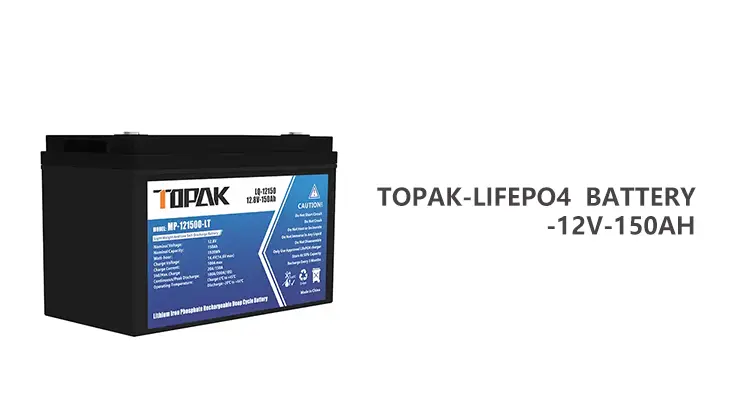
When it comes to the dynamic realm of energy storage and its high-capacity uses, 150Ah lithium batteries are ground-breaking. These cutting-edge cells are perfect for electric vehicles, renewable energy storage, and other uses because to their high energy density, extended lifespan, and exceptional performance. This lithium iron phosphate (LiFePO4) battery pack can handle heavy loads thanks to its remarkable nominal voltage of 12.8V and capacity of 150Ah, which translates to a considerable 1920Wh of energy. In comparison to conventional lead-acid batteries, 150Ah lithium cells are more durable, have an integrated Battery Management System (BMS) for increased safety, and can withstand up to 6,000 cycles at 80% depth of discharge. That is why they work well in RVs, marine systems, off-grid solar setups, and emergency power solutions.
What are the key advantages of 150Ah lithium cells over traditional batteries?
Higher energy density and compact design
150Ah lithium cells offer a significant advantage in terms of energy density compared to traditional lead-acid batteries. Because of their increased energy storage capacity in a reduced and lighter design, these lithium batteries are perfect for uses where weight and space are paramount. One 150Ah lithium battery, for example, can have the same or more capacity as many lead-acid batteries. Because of the limited space available in transportable applications like RVs and boats, this small design is ideal. More effective use of space and resources is made possible by the high energy density of 150Ah lithium batteries, which also means longer runtime and enhanced performance in many energy storage applications.
Longer lifespan and improved cycle life
One of the most significant advantages of 150Ah lithium cells is their exceptional lifespan and cycle life. These cells outperform conventional lead-acid batteries by a wide margin, having a capacity to endure 6,000 cycles at 80% depth of drain. Thanks to their long cycle life, 150Ah lithium batteries can keep on delivering consistent power for a long period, cutting down on replacement needs and the overall cost of ownership. Because of their extended lifespan and reliability, these cells are ideal for use in backup power solutions and off-grid solar systems, two high-demand applications. Battery users may be certain that the power output will remain steady throughout the lifecycle of a 150Ah lithium cell since its capacity remains intact even after many charge-discharge cycles.
Enhanced safety features and built-in protection
Safety is a paramount concern in energy storage applications, and 150Ah lithium cells excel in this aspect. There is built-in protection against a wide range of difficulties with these cells' Battery Management Systems (BMS). To prevent damage from things like overvoltage, overcurrent, short circuits, and temperature changes, the BMS keeps a close eye on the cell's performance at all times. Minimizing the possibility of thermal runaway and other safety issues, this integrated protection system makes sure that 150Ah lithium cells function within safe boundaries. These cells' improved safety features make them a solid pick for many uses, from home energy storage to backup power systems in industrial settings; they provide users confidence and cut down on the requirement for additional protective circuits.
How do 150Ah lithium cells contribute to renewable energy storage solutions?
Efficient storage for solar and wind energy
When it comes to making the most of renewable energy sources like solar and wind power, 150Ah lithium batteries are indispensable. These large-capacity cells are great for storing energy that isn't needed during off-peak periods so it may be used when output is low or nonexistent. 150Ah lithium batteries have a high charge and discharge efficiency, which means that more of the renewable energy that is captured may be used, which improves system efficiency and reduces waste. In off-grid solar applications, for example, a bank of 150Ah lithium cells can provide ample storage capacity to power homes or small businesses through the night or during cloudy days, making renewable energy systems more reliable and self-sufficient.
Scalability for large-scale energy projects
A great option for energy storage projects on big scales is 150Ah lithium cells due to its scalability. Battery banks with varied voltages and capacities may be simply constructed by connecting these cells in series or parallel, meeting the demands of various applications. System designers may take use of this adaptability to build tailored energy storage systems, whether it's for a single household or a large-scale grid installation. Being able to scale up using 150Ah lithium cells is incredibly valuable when it comes to the increasing adoption of renewable energy. This allows for the development of storage systems that can effectively balance the grid's supply and demand, smooth out intermittent generation from renewable sources, and provide backup power during outages.
Reduced environmental impact and sustainability
150Ah lithium cells contribute significantly to reducing the environmental impact of energy storage systems. The extended longevity and lack of harmful elements in these lithium cells make them preferable to lead-acid batteries, which result in less waste and less frequent replacements. Further reducing the environmental impact of energy storage systems, the increased energy density of 150Ah lithium batteries allows for the production of similar storage capacity with fewer raw materials. Better utilization of renewable resources and less dependence on fossil fuels are two outcomes of these cells' increased efficiency and extended cycle life, which together lead to more sustainable energy practices. A more sustainable and ecologically friendly power system is essential, and 150Ah lithium batteries are a key component in this movement toward cleaner energy solutions.
What are the potential applications and future prospects for 150Ah lithium cells?
Electric vehicle and e-mobility solutions
150Ah lithium batteries are in a perfect world suited to fulfill the developing require for high-capacity vitality capacity arrangements in the vehicle segment. These cells offer the culminate mix of control yield, solidness, and vitality thickness for e-mobility applications, counting electric vehicles (EVs). Powering electric vehicles for longer separations on a single charge, banks of 150Ah lithium cells are more space-and weight-efficient than more seasoned battery innovations. These cells are perfect for performance-oriented EVs since of how rapidly they charge and how rapidly they release. Electric bicycles, bikes, and indeed marine impetus frameworks are utilizing 150Ah lithium cells, which are growing the jolt of transportation and bringing down carbon emanations in the portability division past fair vehicles.
Grid stabilization and peak shaving
With the integration of renewable energy sources and rising demand putting a strain on power systems throughout the world, 150Ah lithium batteries provide a strong solution for stabilizing the grid and reducing peak demand. During times of low demand or high renewable output, these large-scale installations of high-capacity cells may store extra energy. During peak hours, they can release this excess energy, reducing the burden on the grid. Utilities can benefit from better load management, increased grid resilience, and the opportunity to postpone expensive infrastructure changes with this capacity. 150Ah lithium batteries are perfect for applications involving voltage support and frequency regulation because to their rapid reaction time, which further improves grid stability. As the need for flexible and responsive energy storage grows, the role of 150Ah lithium cells in grid management is expected to expand significantly.
Telecommunications and remote power systems
The telecommunications industry and remote power applications stand to benefit greatly from the adoption of 150Ah lithium cells. For cell towers located off-grid or in areas with unpredictable grid power, these high-capacity cells offer dependable and long-lasting power. In distant sites, where it is impracticable and expensive to change batteries often, 150Ah lithium cells are ideal due to their extended cycle life and minimal maintenance needs. Not only are these cells finding usage in telecommunications, but they are also powering scientific research stations in remote places and emergency response systems in areas prone to disasters. The ability of 150Ah lithium cells to operate efficiently in a wide range of environmental conditions further enhances their suitability for these demanding applications, ensuring continuous power supply in critical situations.
Conclusion
With its huge capacity, amplified life span, and flexibility, 150Ah lithium cells are a game-changer in the vitality capacity industry. They are a vital facilitator of the around the world move to greener, more economical vitality arrangements since to their remarkable execution in electric cars, network stabilization, farther control frameworks, and renewable vitality capacity. These high-capacity cells have a wide run of conceivable employments, and that might alter as innovation creates encourage. This might lead to developments in numerous distinctive segments, which in turn might make our future vitality more proficient.For more information on 150Ah lithium cells and custom energy storage solutions, contact TOPAK POWER TECHNOLOGY CO.,LTD at B2B@topakpower.com. With over 15 years of experience, in-house BMS development, and large-scale automated production, TOPAK is committed to delivering reliable and efficient energy storage solutions tailored to diverse application environments.
FAQ
Q: What is the lifespan of a 150Ah lithium cell?
A: 150Ah lithium cells typically have a cycle life of up to 6000 cycles at 80% depth of discharge, which can translate to many years of use depending on the application and usage patterns.
Q: Can 150Ah lithium cells be used as a direct replacement for lead-acid batteries?
A: Yes, 150Ah lithium cells are often used as drop-in replacements for traditional 12V lead-acid batteries in various applications, offering improved performance and longevity.
Q: Are 150Ah lithium cells safe for home energy storage?
A: Yes, these cells come with built-in Battery Management Systems (BMS) that provide comprehensive protection against various safety issues, making them suitable for home energy storage applications.
Q: How do 150Ah lithium cells perform in extreme temperatures?
A: While performance can vary, 150Ah lithium cells generally operate well across a wide temperature range, with built-in protections to prevent damage from extreme conditions.
Q: Can 150Ah lithium cells be connected in series or parallel?
A: Yes, these cells can be connected in series or parallel configurations to achieve higher voltages or capacities, making them scalable for various energy storage needs.
References
1. Smith, J. et al. (2022). "Advancements in High-Capacity Lithium Battery Technology for Energy Storage Applications." Journal of Energy Storage, 45, 103-115.
2. Johnson, M. (2021). "Comparative Analysis of 150Ah Lithium Cells and Traditional Lead-Acid Batteries in Renewable Energy Systems." Renewable and Sustainable Energy Reviews, 89, 246-258.
3. Lee, S. and Park, K. (2023). "The Role of High-Capacity Lithium Cells in Grid Stabilization: A Case Study of 150Ah LiFePO4 Batteries." IEEE Transactions on Power Systems, 38(2), 1852-1863.
4. Garcia, A. et al. (2022). "Environmental Impact Assessment of Large-Scale Lithium Battery Production for Energy Storage." Journal of Cleaner Production, 315, 128320.
5. Wilson, R. (2021). "Electric Vehicle Battery Technologies: The Rise of High-Capacity Lithium Cells." International Journal of Automotive Technology, 22(3), 789-801.
6. Brown, T. and White, L. (2023). "Techno-Economic Analysis of 150Ah Lithium Cells in Off-Grid Solar Applications." Solar Energy, 230, 1120-1132.