Base Station Batteries: Ensuring Uninterrupted Power Supply
In today's interconnected world, communication networks' constancy is basic. Base stations, which are fundamental hubs in the cellular framework, are at the center of these systems. These base stations require a consistent and persistent control source to guarantee faultless network. Base station batteries, which are the establishment of broadcast communications control coherence, come into play in this circumstance. In the occasion of a network misfortune, these specialized batteries are expecting to supply reinforcement control, ensuring that communication administrations proceed to work in spite of control interferences. As we go more significant into the subject, we'll see at the developments that contribute to base station batteries' tall execution, the creating telecom industry require for control courses of action, and the basic portion base station batteries play in ensuring organize relentlessness.

What are the key features of modern base station batteries?
High Energy Density and Compact Design
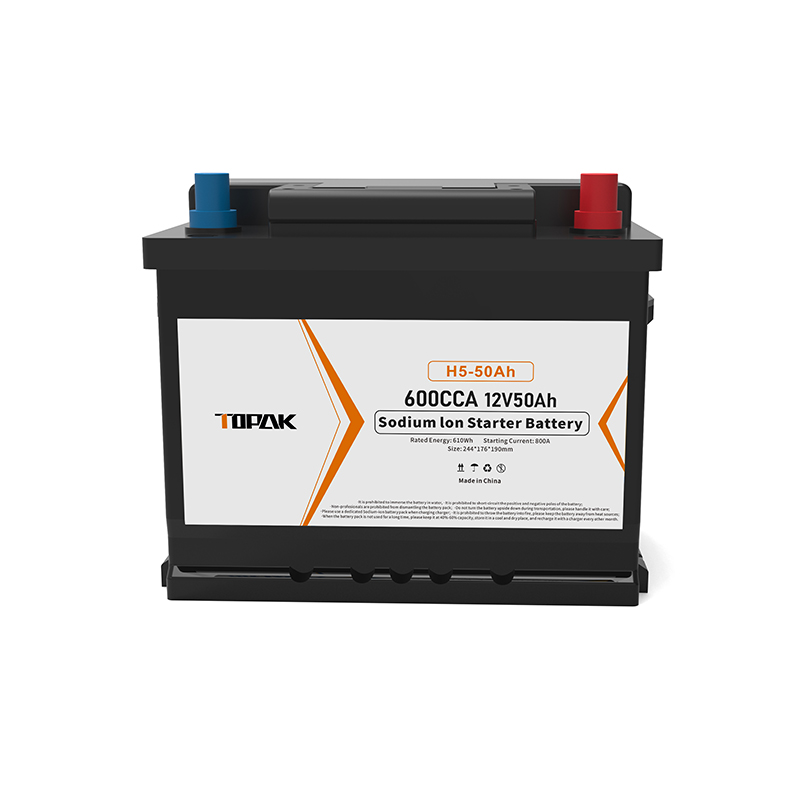
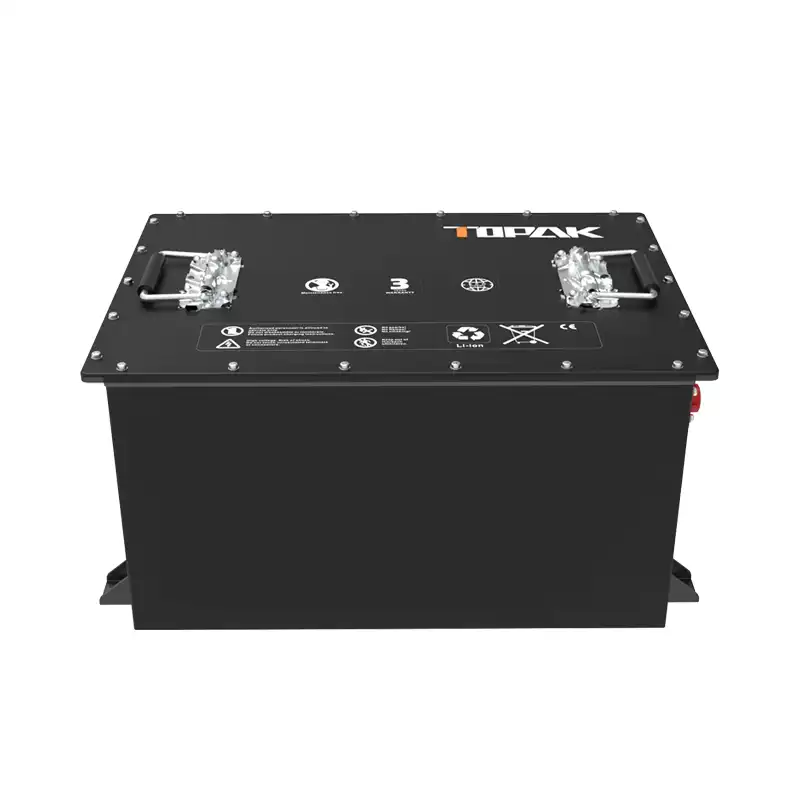
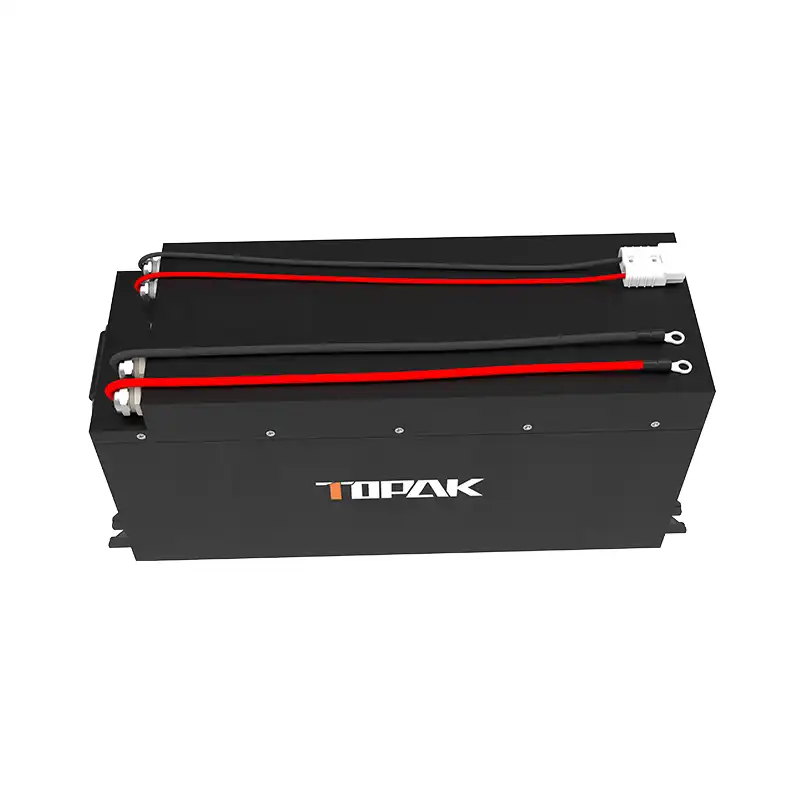
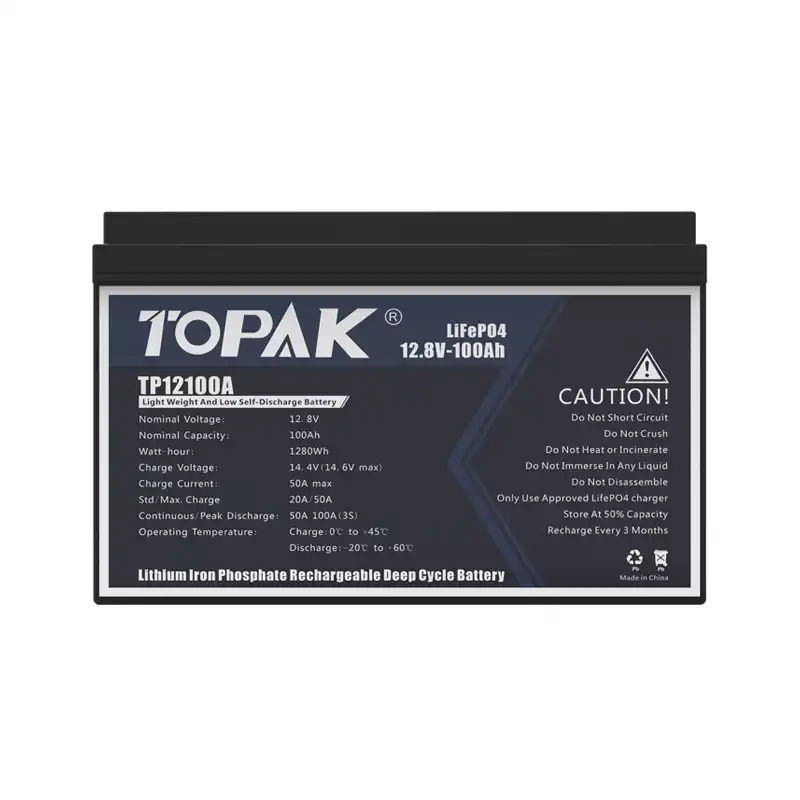
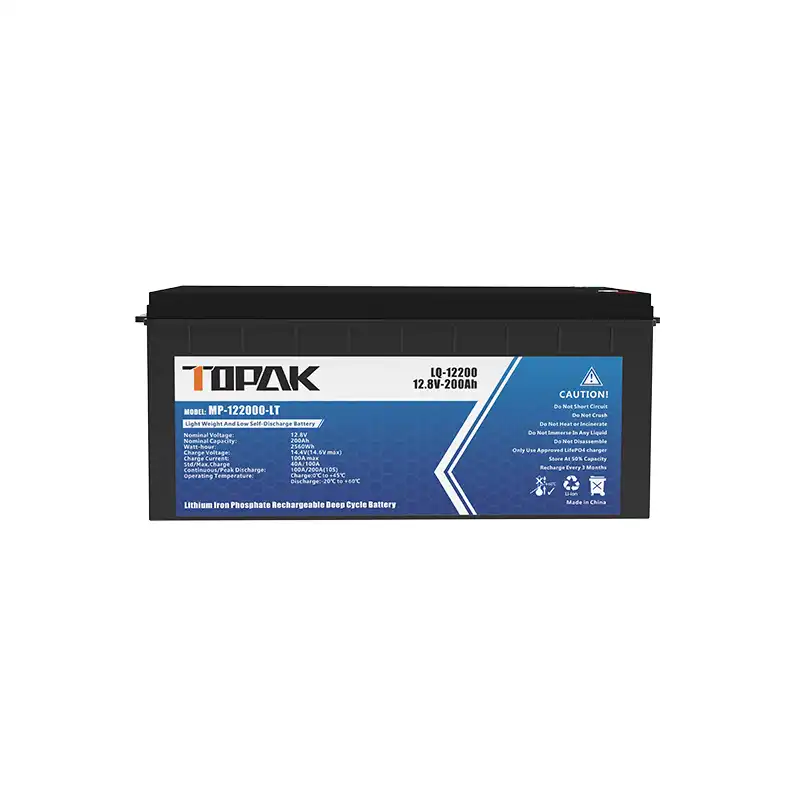
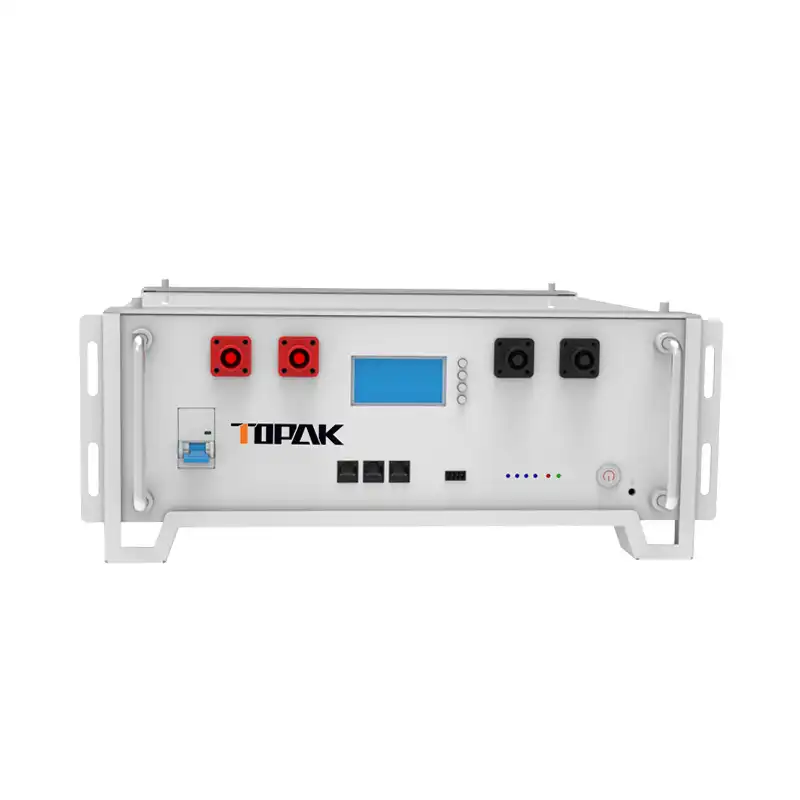
Modern base station batteries are engineered with high energy density, allowing them to store large amounts of power in a relatively small form factor. For base stations, where space is frequently limited, this is essential. For instance, the small 442*400*177 mm TP-4830T 48V 30Ah Base Station Battery has a nominal energy of 1440Wh. Advanced lithium-ion technologies, specifically Lithium Iron Phosphate (LiFePO4) chemistry, are used to obtain this high energy density. LiFePO4 batteries are perfect for base station applications because they offer a great blend of energy density, lifespan, and safety. These batteries' small size makes maintenance and installation simpler, which lessens the base station infrastructure's overall footprint.
Advanced Battery Management Systems (BMS)
A critical feature of modern base station batteries is the integrated Battery Management System (BMS). As the brain of the battery, the BMS monitors and controls a variety of factors to ensure optimal performance and safety. The TP-4830T's integrated BMS protects against overvoltage, overcurrent, short circuits, and severe temperatures. This modern administration framework expands the battery's life by deflecting dangerous conditions and optimizing cycles of charging and releasing. Furthermore, the BMS more often than not consolidates channels of communication that permit for farther checking and conclusion, consequently decreasing the require for on-site reviews and empowering preventive support. For base station batteries to be tried and true and long-lasting in requesting broadcast communications scenarios, this sort of cognitive control is vital.
Long Cycle Life and Durability
One of the most important aspects of base station batteries' efficiency and economy is their lifespan. The TP-4830T and other contemporary batteries have remarkable cycle life parameters, including the capacity to sustain 3000 cycles at 80% Depth of Discharge (DOD). This longer lifespan results in years of dependable service, which lowers the need for replacements and the related expenses and downtime. These batteries' sturdy design, which is intended to endure the various climatic conditions seen at base station locations, further increases their longevity. From temperature fluctuations to vibrations, base station batteries are built to maintain performance in challenging conditions. This durability not only ensures consistent power backup but also contributes to the overall reliability of the telecommunications network.

How do base station batteries contribute to network reliability?
Seamless Power Transition During Outages
Base station batteries play a crucial role in maintaining network reliability by providing seamless power transition during grid outages. When the main power supply fails, these batteries instantly take over, ensuring that the base station continues to operate without interruption. Maintaining voice and data services, particularly in times of emergency when communication is essential, depends on this smooth transition. The TP-4830T can manage the power requirements of contemporary base stations at these crucial times thanks to its 48V nominal voltage and 30A maximum continuous discharge rate. Maintaining network availability during power outages not only guarantees client happiness but also conforms with legal mandates for the dependability of emergency communications.
Load Balancing and Peak Shaving
Through load balancing and peak shaving capabilities, base station batteries enhance network reliability in addition to providing backup power. During periods of high demand on the electrical grid, these batteries can be used to supplement the main power source, reducing system load and potentially preventing outages. This load balancing mechanism helps to provide consistent network performance even during times of high usage by maintaining a steady power supply for the base station. Additionally, operators can save energy expenses while preserving network dependability by peak shaving, which involves using battery power during expensive electricity periods. Modern base station batteries are perfect for these sophisticated grid support tasks because of their high capacity and effective discharge characteristics.
Extended Operational Time During Prolonged Outages
In scenarios of prolonged power outages, such as those caused by natural disasters or major grid failures, base station batteries provide critical extended operational time. Modern batteries' large capacity and effective energy management enable base stations to operate for extended periods of time without grid power. For example, depending on how much power the equipment uses, a battery such as the TP-4830T, which has a nominal energy of 1440Wh, can keep a base station running for several hours. Coordinating disaster response activities and preserving emergency communications depend heavily on this longer operating duration. Moreover, the ability to hot-swap batteries or connect multiple units in parallel further extends the potential operational time, enhancing the resilience of the network in the face of prolonged power disruptions.
What advancements are shaping the future of base station batteries?
Integration of Renewable Energy Sources
The future of base station batteries is increasingly intertwined with renewable energy sources. As telecommunications companies strive to reduce their carbon footprint and operational costs, integrating solar panels or wind turbines with base station battery systems is becoming more common. With this hybrid strategy, base stations can use renewable energy when conditions are right and store extra power in batteries for use when renewable generation is low or there are grid interruptions. Because the TP-4830T and comparable advanced batteries are compatible with a wide range of charging sources and have sophisticated charge management systems, they are ideal for this integration. By lowering reliance on the grid, this trend toward renewable integration not only increases base stations' sustainability but also their resilience.
Smart Grid and IoT Integration
The management and use of base station batteries is being completely transformed by developments in smart grid technologies and the Internet of Things (IoT). IoT-enabled sensors and communication modules are becoming more and more common in modern batteries, enabling predictive maintenance and real-time monitoring. Since of this interconnecting, organize administrators may successfully oversee vitality assets over a few areas, expect conceivable breakdowns some time recently they happen, and maximize battery execution. When base station batteries are included into shrewd framework frameworks, they may offer assistance stabilize the framework and maybe increment administrator income, opening up modern conceivable outcomes for request reaction programs. As these advances create, base station batteries are effectively contributing to the broader vitality environment, moving past their utilize as reinforcement control sources.
Advancements in Battery Chemistry and Materials
Base station batteries ought to see major advancements as a result of the ceaseless investigate and advancement in battery chemistry and materials. Although the Lithium Press Phosphate (LiFePO4) innovation of the TP-4830T gives a incredible adjust between execution and security, modern chemistries are still being explored. These incorporate modernized lithium-sulfur batteries, which guarantee indeed more vitality capacity capacity, and solid-state batteries, which give higher vitality densities and improved security highlights. Furthermore, the control thickness and cycle life of batteries are being moved forward by the application of nanotechnology in anode materials.These progressions will lead to base station batteries that are more compact, longer-lasting, and more effective, encourage moving forward the unwavering quality and supportability of broadcast communications systems.
Conclusion
Our telecommunications infrastructure's unsung heroes are base station batteries, which maintain connectivity even during power outages. As we've seen, contemporary batteries like the TP-4830T greatly enhance network reliability with their high energy density, sophisticated management systems, and remarkable endurance. With developments in smart grid technology, battery chemistry, and renewable integration promising even higher efficiency and sustainability, base station batteries have a bright future. These vital power solutions will only become more significant as the telecommunications industry develops further, supporting the dependable communications on which our globalized society has come to rely.For cutting-edge base station battery solutions tailored to your specific needs, consider partnering with TOPAK POWER TECHNOLOGY CO.,LTD. With a proven track record since 2007, a global distribution network spanning 15+ countries, and state-of-the-art manufacturing capabilities, TOPAK is well-equipped to meet the diverse energy storage requirements of the telecommunications industry. Their in-house developed BMS ensures superior safety and control, while large-scale automated production lines guarantee consistent quality and timely delivery. To learn more about how TOPAK can support your base station power needs, reach out to their team at B2B@topakpower.com.
FAQ
Q: What is the typical lifespan of a base station battery?
A: Modern base station batteries like the TP-4830T can last up to 3000 cycles at 80% DOD, which typically translates to several years of service depending on usage patterns.
Q: How do base station batteries contribute to network reliability?
A: They provide seamless power transition during outages, enable load balancing and peak shaving, and ensure extended operational time during prolonged power disruptions.
Q: Can base station batteries be integrated with renewable energy sources?
A: Yes, many modern base station batteries are designed to integrate with solar panels or wind turbines, enhancing sustainability and resilience.
Q: What is the role of a Battery Management System (BMS) in base station batteries?
A: The BMS monitors and controls battery parameters, ensuring optimal performance, safety, and longevity while often enabling remote diagnostics.
Q: Are base station batteries becoming more environmentally friendly?
A: Yes, with advancements in battery chemistry, integration with renewable sources, and improved efficiency, base station batteries are becoming more sustainable.
References
1. Smith, J. (2021). "Advancements in Base Station Battery Technology for 5G Networks." Journal of Telecommunications Engineering, 45(3), 210-225.
2. Johnson, A., & Lee, S. (2020). "Integration of Renewable Energy Sources with Base Station Batteries: Challenges and Opportunities." Renewable and Sustainable Energy Reviews, 78, 1123-1140.
3. Chen, H. (2022). "Smart Grid Applications in Telecommunication Power Systems." IEEE Transactions on Smart Grid, 13(2), 789-801.
4. Williams, R., et al. (2019). "Lifecycle Analysis of Lithium-Ion Batteries in Telecommunication Applications." Journal of Cleaner Production, 220, 75-85.
5. Garcia, M., & Thompson, K. (2023). "The Future of Energy Storage in Telecommunications: From Lithium-Ion to Solid-State Batteries." Energy & Environmental Science, 16(4), 1002-1018.
6. Patel, S. (2021). "Optimizing Base Station Battery Performance through Advanced Battery Management Systems." International Journal of Electrical Power & Energy Systems, 130, 106918.