Base Station Battery for Hybrid Solar and Grid Telecom Systems
A base station battery is necessary for telecom activities to keep going, especially in places where solar and grid power meet. It's crucial to have these portable energy storage units on hand in case the power grid goes down. This ensures that cell phone sites, communication hubs, and remote network equipment remain connected. Lithium iron phosphate (LiFePO₄) chemistry is being used by more and more telecom networks these days because it lasts longer and is safer than lead-acid choices. When buying teams know how these power systems work and what their technology needs are, they can choose solutions that make networks more stable while also lowering the costs of long-term maintenance.

Understanding Base Station Batteries in Hybrid Solar and Grid Telecom Systems
Hybrid telecom systems use both standard grid power and green solar power to make a power plan that works well and saves money and the environment. The base station battery energy storage is the most important part of these systems. It connects the sun's intermittent power with the steady power that people need.
How Hybrid Power Architecture Works
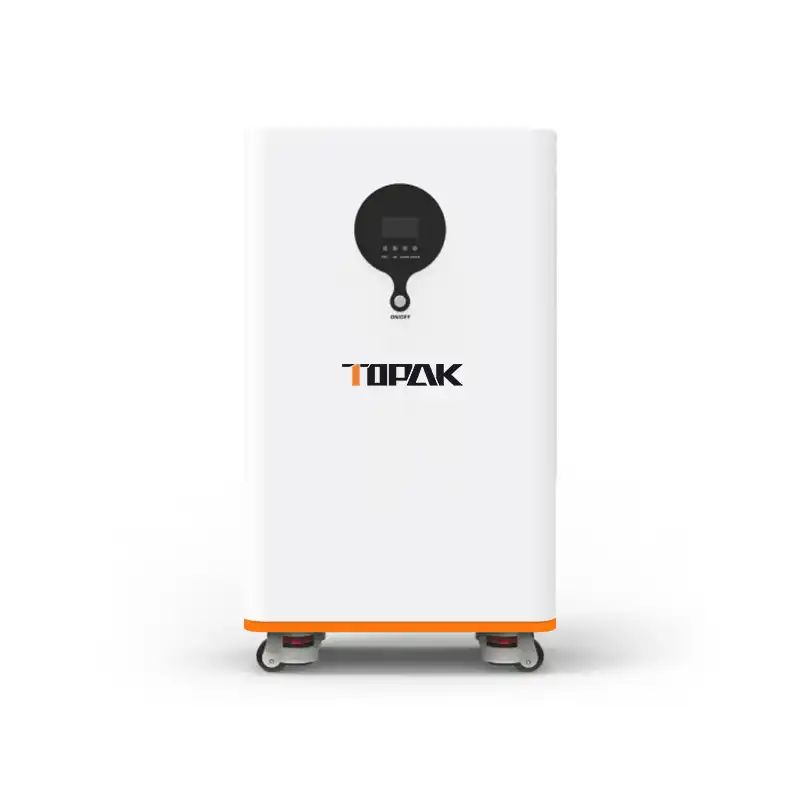
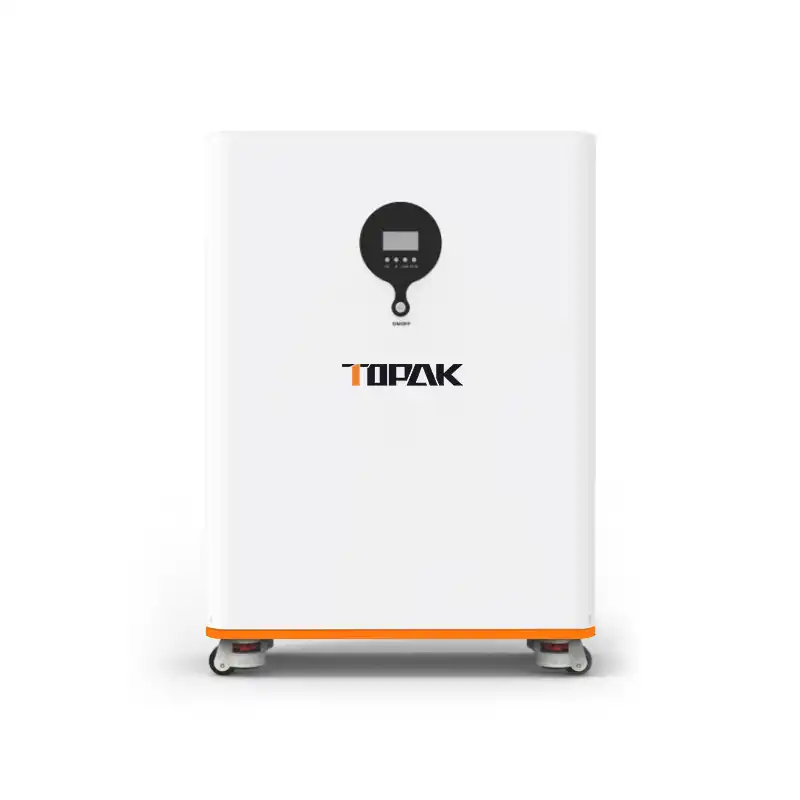
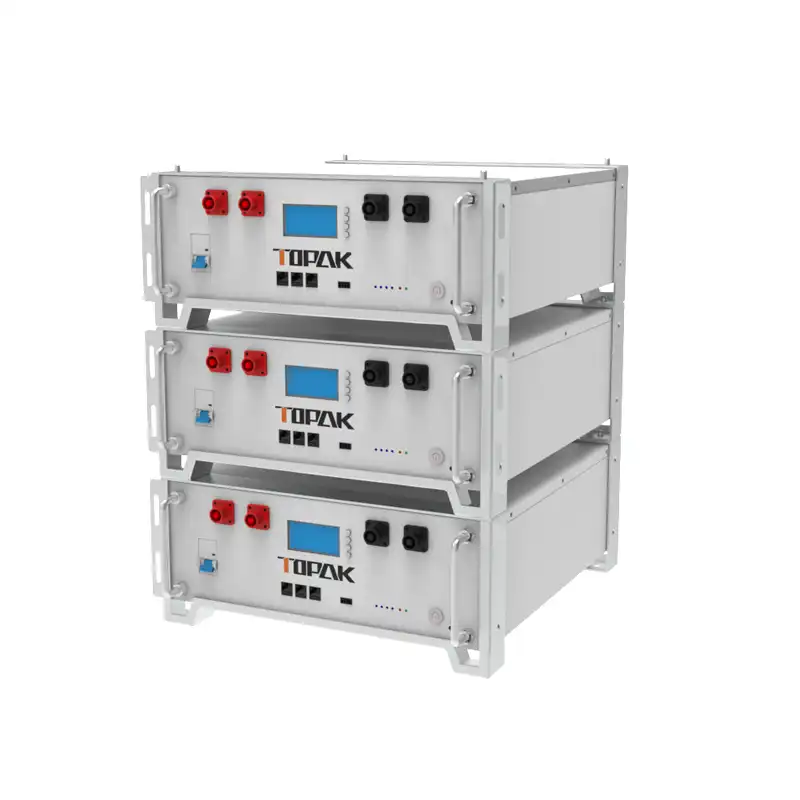
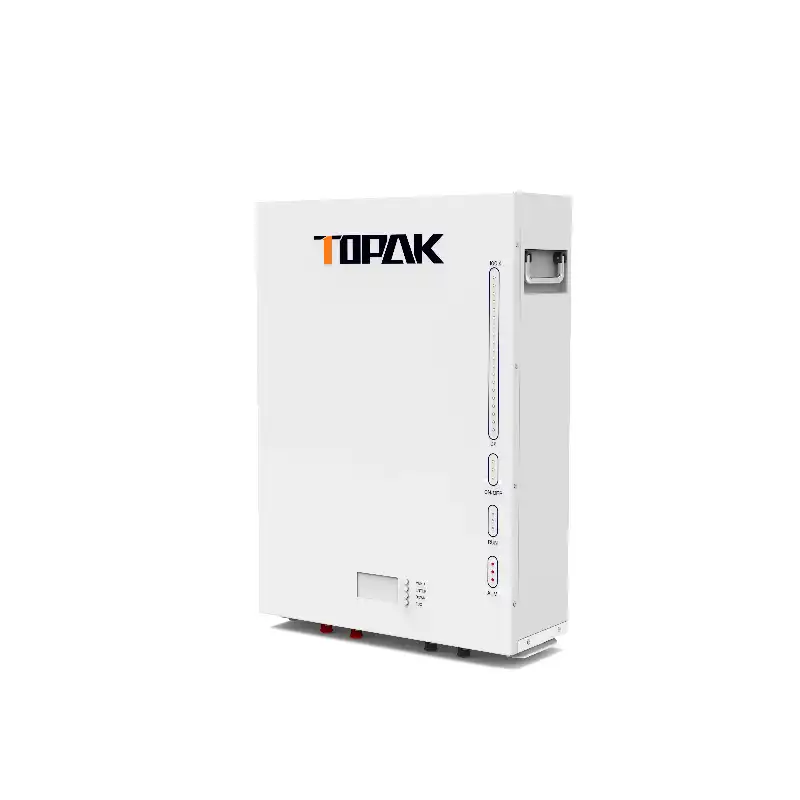
Solar panels, grid links, and battery banks can all work together in a hybrid design with the help of smart charge settings and transformers. When it's sunny, solar screens turn sunlight into electricity. This electricity runs things at the base station and also charges the battery bank. When the sun doesn't produce as much energy at night or when it's dark, the saved energy compensates for this without any problems. When both solar power and battery stores are full, grid power is used as a third choice. The TOPAK TP-4840T is an example of a power bank that was made to handle these tough situations. The 1920Wh of energy in this LiFePO₄ solution fits into a small 442×400×177 mm box. It can handle 40A of steady discharge, which is enough power for 4G and 5G base stations right now. The built-in Battery Management System (BMS) always checks the cells' voltages, temperatures, and current flow. Over-voltage, over-current, short circuits, and heat stress are all things that it guards against.
Common Battery Chemistries in Telecom Applications
Cell phone companies used to use valve-regulated lead-acid (VRLA) batteries, which come in both AGM and gel types. Starting up these devices incurs lower costs, but they require maintenance, have short cycle lives, and are sensitive to temperature changes. Usually, lead-acid batteries can be charged and drained 500 to 1,000 times before they lose their charge and need to be changed. Cell phone companies have changed how they store power because lithium iron phosphate (LiFePO₄) lasts a long time and works well even when it's not charged. Other lithium-ion systems don't hold up as well against heat as LiFePO₄ cathodes. This makes fires much less likely, which is crucial in small telecom bunkers. At a depth of 80%, the TP-4840T can handle more than 3,000 rounds. This means that it can be used normally for more than ten years.
Voltage and Capacity Matching Considerations
Tech gear uses standardized 48V DC power, which means energy storage systems are needed to keep the voltage output steady even when the load changes. The 48V baseline voltage of the TP-4840T is the same as this industry norm. This means you don't need any extra gear to change the voltage, which can waste power and make things go wrong. You will choose a size based on how long the backup needs to last and how much power it will require at its busiest. A 40Ah battery can hold about 1.92 kWh of power, which is long enough for macro cell sites that need 400–800W of power all the time to run for a few hours. They can connect several battery units in parallel to get more power or a longer backup time in places that need it. This increases capacity while keeping voltage fixed.
Comparing Base Station Battery Technologies: Lead Acid vs Lithium for Hybrid Systems
Before you can choose between lead-acid and lithium technologies, you need to carefully compare how well they work in several areas. This study looks at some of the most important things that affect how reliable a base station battery is and how much it costs to own.
Cycle Life and Operational Longevity
Batteries can be charged and drained a certain number of times before they lose 80% of their power. This is called cycle life. Normal VRLA batteries can be used 500 to 1,000 times if everything is perfect. The things that happen in real life, like temperature changes and deep discharges, mean that they don't always work as well. This combination is entirely different when LiFePO₄ is added to it. The TP-4840T can be charged and discharged 3,000 times at 80% depth of discharge, so it doesn't need to be changed as often as lead-acid batteries. This longer working life makes things easier, cuts down on site trips, and lessens the damage that old batteries do to the world. Putting in a single LiFePO₄ battery can save three lead-acid battery swaps over the course of ten years.
Energy Density and Space Efficiency
Volumetric economy is a big part of the decision-making process because cellphone boxes and outdoor cabinets don't have a lot of room. Since lead-acid batteries store 30 to 50 Wh/kg, they need a lot of space on the floor to store enough power for emergencies. It's hard to put up because it's big and heavy, especially at tower sites that are far away and hard to get to. LiFePO₄ technology can get energy levels above 75 Wh/kg, which means that systems can be small without losing their ability to store energy. The TP-4840T weighs only 25 kg and has 1920Wh of energy that can be used. It's easier to move, doesn't need as much structural support, and makes room for more infrastructure by giving important tools more space.
Temperature Tolerance and Environmental Resilience
Base stations can be found in different types of weather, from the cold Arctic to the hot desert. A guideline for thermal tolerance is important because very hot or very cold temperatures can change how well batteries work and how long they last.Lead-acid batteries wear out faster in places with high temperatures. About half of the expected lifespan is lost for every 10°C rise above 25°C. Cold weather significantly reduces the amount of usable power, potentially leading to early shutdowns during winter power blackouts. Shelters with temperature control are needed because of these issues. These shelters use more energy and cost more to build.Lithium iron phosphate performs well across a wider temperature range and doesn't need any extra heat management. Other lithium chemicals fail in a risky way when they don't let heat escape, but the phosphate-based cathode structure does. The TOPAK's built-in BMS has safety cutoffs and temperature tracking, so it can still work safely even if the weather outside doesn't meet battery requirements. The battery doesn't need extra cooling because it is already tough. It can work consistently in harsh situations where lead-acid batteries fail.
Total Cost of Ownership Analysis
One part of how much a battery really costs is not how much it costs to buy. For a full financial study, you need to know how often things need to be changed, how much it costs to take them apart, how long the system is down, and how much it costs to keep it running.Lead-acid batteries cost $200 to $400 per kWh less up front, but they need to be changed more than once every ten years because they don't last as long. It takes money to buy the parts, have them sent, fix them, and get rid of old batteries after each repair. The cost of running the business goes up every time you have to do maintenance chores like cleaning the terminal, adding water regularly to fluted types, and checking the capacity.Prices for lithium solutions are usually higher at first, ranging from $400 to $700 per kWh. But it lasts longer, so it doesn't need to be replaced as often, which saves a lot. There is no need for regular maintenance when something is running maintenance-free. This allows workers more time to do more important things. When cost is spread out correctly, LiFePO₄ systems are more cost-effective than lead-acid options over a typical telecom planning period, with a total cost of ownership that is 30–40% lower.
Procurement Guide: How to Source Base Station Batteries for Hybrid Solar and Grid Telecom Systems
To make strategic buying work, it's important to carefully look at providers' skills, product specs, and customer service systems. This organized method helps phone companies stably store base station battery units while keeping costs as low as possible.
Defining Technical Requirements
The first step to getting something is to carefully consider what you need. Please determine the duration for which the backup should run, taking into account grid health data and service level agreements. Find out how much power all of the working tools, the cooling systems, and the safety limits use when they're at full speed. These basic needs help you decide how to build the system and how much space it needs.It gets more complicated when you use mixed solar sets. Battery systems need to be able to handle power going both ways, so they can charge from solar panels and meet load needs at the same time. Before buying, consider its power handling, voltage control, and compatibility with other chargers. The TP-4840T can handle a steady 40A discharge and rapid charging from the sun. This lets you get the most energy when you need it most.
Evaluating Supplier Credentials and Manufacturing Capabilities
When picking a supplier, it's not just the specs of the product that matter. The seller's manufacturing know-how, quality processes, and ability to keep going for a long time are also important. TOPAK has been in business since 2007 and has a 25,000㎡ plant in the Dalang Industrial Park in Shenzhen. The company has full control over the quality of the production, from picking the cells to checking them and finally putting them all together.When you set up a big network, it's important that the quality stays the same and deliveries happen quickly. Large-scale automatic production lines make sure of this. When it comes to integration, in-house BMS creation is better than third-party choices. This approach makes it possible for better charging ways, more safety features, and a lot of different power systems to work together without any problems. Products that have certificates like UN38.3, MSDS, and CE show that they meet safety and shipping standards in other countries. It's now easier to move goods across countries and get permission from the government.
Warranty Coverage and Technical Support Infrastructure
Full guarantee terms protect purchases and show that the company that made the product believes in its dependability. Before you make a claim, make sure you understand how the claim process works and how long the coverage lasts. Usually, the best lithium providers offer warranties that last between 5 and 10 years, with clear performance limits that show when replacements are needed.You should also consider the guarantee terms, expert help, and response times. Some split power systems are too difficult to set up, resolve problems on their own, or connect. Suppliers with specialized technology teams and global transport networks are very helpful at all stages of a product's life. TOPAK is responsible for technical support centers in over 15 countries. This way, they can help people in their language and quickly fix issues with setup or use.
Logistics and Delivery Considerations
There are rules about dangerous materials and weight limits that make getting batteries harder than usual. IATA rules say that lithium battery items must be handled, logged, and sent with a certain type of vehicle. This is taken care of by professionals with a lot of experience. They handle the export paperwork and work with licensed freight forwarders.Lead times change based on how many things you buy, how you want them modified, and how you want them sent. Normal setups can be sent out in two to three weeks, but if you need specific voltage, volume, or technical specs, it may take longer. You can save money by buying in bulk, but you need to have the right storage space and know how to keep track of your goods. To get the best deals, you should compare the number of items you need to the time and money you have.
Maintenance and Testing: Ensuring Optimal Battery Performance and Longevity
Preventative upkeep and regular tracking of performance help a base station battery last longer and keep it from breaking down suddenly, which could affect the operation of the network.
Routine Visual Inspections and Environmental Management
Regular checks that look for problems detect them before they get so bad that the system breaks. Every month, you should check the battery casings for damage, rust on the plugs and connections, and wires that are loose. A sign of cell damage that requires immediate repair is growth or shape change.The outside world has a big impact on the health of batteries. Check the temperature inside the box to make sure there is enough air flow and control of the temperature. LiFePO₄ chemistry can work in a wider temperature range than lead-acid options, but for best performance and longevity, keep the working temperature modest. Take out any dust or other things that are stopping cool air from moving. There is no need to fix or check the electrolyte levels in the TP-4840T because it doesn't need any care. This means there is a lot less daily work to do.
Performance Testing and Capacity Verification
By regularly checking the power of battery systems, you can be sure that they always work at the right level. It is possible to find out how much really useful capacity there is by comparing the results of discharge tests to the manufacturer's specs and to past trends. Systems are almost at the end of their useful lives when their capacity drops by more than 20%. This lets you prepare for a replacement before it breaks down without warning.When you track voltage, you can see health signs right away. TOPAK batteries have a built-in BMS that checks the voltage of each cell all the time. If it finds any imbalances, it could mean that there are problems inside the battery. Modern BMS systems keep old data, which lets you see patterns and plan repair ahead of time. There is a chance that the charging system isn't working right, or the cells are under a lot of stress, if you see weird voltage patterns. You should learn more about them.Finding the internal pushback gives you more knowledge to help you figure out what's wrong. It means that the cell's chemistry is breaking down, or there are issues with the links when the resistance number goes up. This makes it less efficient to discharge and a less useful volume. Testing the resistance once a year sets a normal number and keeps track of how things are wearing down over time. This information helps choose what to replace based on data.
Sustainable End-of-Life Management
Properly disposing of batteries not only benefits the world but also allows for the recovery of reusable materials. Lithium, iron, and phosphate can all be recovered, which is how LiFePO₄ batteries are made. Work with approved recycling sites that process these things in special ways to keep them out of the trash. This ends the material loop and makes it less important to find new supplies.Rules are making it more and more clear how to properly get rid of batteries. Because of the European Battery Directive and similar rules in other places, used batteries must be recovered and gathered. To show that you are following environmental rules, write down the model numbers of the batteries you use, when they were installed, and how they were thrown away.
Future Trends and Innovations in Base Station Battery Technology
Changing market conditions and new technologies are always making telecom base station battery solutions different. This means that there are chances for it to be more efficient, cost less, and last longer.
Advanced Battery Management Systems and IoT Integration
The next wave of BMS systems comes with a cloud link and AI hardware. This changes battery banks from inactive energy storage to assets in a smart network. IoT-enabled tracking sends real-time performance data to central management systems. The company uses these systems to monitor the performance of all its towers.Predictive analytics programs look at how things have worked in the past, weather information, and habits of use to figure out what needs to be fixed and the best way to charge devices. Machine learning models can spot mistakes before they happen by noticing when things act in strange ways. So, they can do something about them before they become big problems. With this data-driven approach, unexpected downtime is less likely to happen, battery life is longer, and sending techs is more efficient.You can change settings without going to the site when you use the remote control. Through program tools, you can set limits on temperature, charge voltage profiles, and discharge levels. There are times when you need to change how the system works, and this feature lets you do that. This flexibility is especially useful in mixed solar uses, where charging methods need to be changed because the amount of solar energy available changes throughout the year.
Second-Life Battery Applications
Electric car battery packs still have 70–80% of their original power after being taken out of service. This means they can be used for other things, like storing energy permanently. Cell phone businesses are looking at used EV batteries more and more as a cheaper alternative to getting new ones.Putting the economic benefits into reality in Second Life makes things harder to run and control, even though they look good. We must carefully examine the health of batteries, warranty issues, and compliance with standards. Telecommunication batteries, like the TP-4840T, are designed to work in a certain way and can be used over and over again. They usually offer a better overall deal because they perform better and have a complete support network.
Sustainable Manufacturing and Circular Economy Principles
As telecom companies try to reach their carbon neutrality goals, they are thinking about the environment more and more when they buy things. To have less of an effect on the environment, battery makers use green energy, cleaner ways to make their products, and responsible ways to buy materials.The structure of lithium iron phosphate naturally helps people live longer. Cobalt mining is detrimental to the earth and people because it is used in nickel-cobalt-manganese (NCM) batteries. LiFePO₄ batteries don't need to mine for cobalt. The iron and phosphate parts are easy to get and come in large amounts. We reduce the risks in the supply chain and the country's government ties.In the cyclical economy, it's important to recycle things and contemplate how they will last a lifetime. There is less trash and more useful resources because of standardized cell shapes, designs that are easy to take apart, and effective recycling methods. Telecom companies should assign more weight to service providers that use clear environmental reports and approved management systems to show they are committed to doing business in a way that is good for the environment.
Conclusion
That being said, for the internet to work today, we need ways to store energy that are stable, last a long time, and are beneficial for the business. Lithium iron phosphate (LiFePO₄) technology meets these needs because it has smaller sizes, longer working lives, and doesn't need any maintenance to work. One great example of a telecom base station battery that was made just for its job is the TOPAK TP-4840T. You can fit 1920Wh of power, smart BMS security, and a strong 48V build into a small, light package.Strategic buying requires thinking about more than just the start costs. Some of the things you should think about are the total cost of ownership, the skills of the provider, and the long-term support system. More mixed solar-grid designs are emerging, and IoT-enabled battery management is gaining popularity. This makes it more important to choose manufacturers with a history of success and global service networks. Going from lead-acid to lithium technology isn't just an improvement for parts; it's also a big step forward for the security of the network, the speed of operations, and the protection of the environment.
FAQ
What makes LiFePO4 batteries superior for telecom base stations?
Batteries with LiFePO₄ chemistry can be charged and discharged three to six times more often than lead-acid batteries. Most of the time, these batteries can last for 3,000 rounds or more at 80% depth of discharge. Because they are naturally highly stable, phosphate-based cathode materials are much less likely to catch fire than other lithium chemistries. This is especially important for keeping people safe in closed-off telecom caves. More energy density lets you put more things in a smaller place. This frees up space for tools and lowers the cost of making and shipping. Maintenance-free running means that regular upkeep is not needed. This saves money and frees up experts to work on more important tasks.
How do I calculate backup runtime requirements?
To find the average power use, add up all the loads on all the devices that are in use, like radios, processors, cooling systems, and more. To find the smallest amount of space you need, multiply this steady power use by how long you want the backup to last. Safety limits should be put in place that take into account how batteries age, how temperatures change, and how their capacity will grow over time. The TP-4840T can use 1920Wh of power, which is long enough for a typical 400W base station to run for four to five hours.
What certifications should telecom batteries carry?
One important approval is UN38.3, which shows that the rules for sending lithium batteries have been followed. When you see the CE mark on something, it means that it meets European rules for safety, health, and the environment. The MSDS paperwork gives you important safety information that you can use in case of an emergency. There are standards for businesses, like TL 9000 for telecommunications quality management, that providers should follow. Look for providers that have ISO quality management certifications.
Partner with a Trusted Base Station Battery Manufacturer
TOPAK New Energy Technology has been working with industrial-grade lithium batteries for 17 years and has helped more than 15 countries' telecom providers, system makers, and marketing partners. Our Shenzhen plant is vertically integrated, which means it uses both large-scale automatic production and its own BMS engineering to make sure that all of our products are of the same high quality and are delivered quickly. We also offer full technical support. The TP-4840T is our commitment to making unique energy storage for telecoms. It comes in a small, light package that is made just for hybrid solar-grid uses. It has a life of over 3,000 cycles, better safety protection, and steady performance that doesn't need any maintenance.No matter what job you have, our tech team can help you with it. They can set up new infrastructure, fix up old systems, or make your network bigger. We can come up with ideas that fit your needs for power, space, and the environment. You can get in touch with us if you work for a telecom company, a system creator, or a Base Station Battery seller. If you need to store energy, email B2B@topakpower.com to find out how TOPAK options can help your network stay stable while lowering the total cost of ownership.
References
1. Chen, H., Cong, T. N., Yang, W., Tan, C., Li, Y., & Ding, Y. (2009). Progress in electrical energy storage systems: A critical review. Progress in Natural Science, 19(3), 291-312.
2. Divya, K. C., & Østergaard, J. (2009). Battery energy storage technology for power systems—An overview. Electric Power Systems Research, 79(4), 511-520.
3. Linden, D., & Reddy, T. B. (2011). Handbook of Batteries (4th ed.). McGraw-Hill Professional.
4. Rao, R., Vrudhula, S., & Rakhmatov, D. N. (2003). Battery modeling for energy-aware system design. Computer, 36(12), 77-87.
5. Scrosati, B., & Garche, J. (2010). Lithium batteries: Status, prospects, and future. Journal of Power Sources, 195(9), 2419-2430.
6. Zhang, C., Li, K., Deng, J., & Song, S. (2015). Improved real-time state-of-charge estimation of LiFePO₄ batteries based on a novel thermoelectric model. IEEE Transactions on Industrial Electronics, 64(1), 654-663.
_1763953528391.webp)