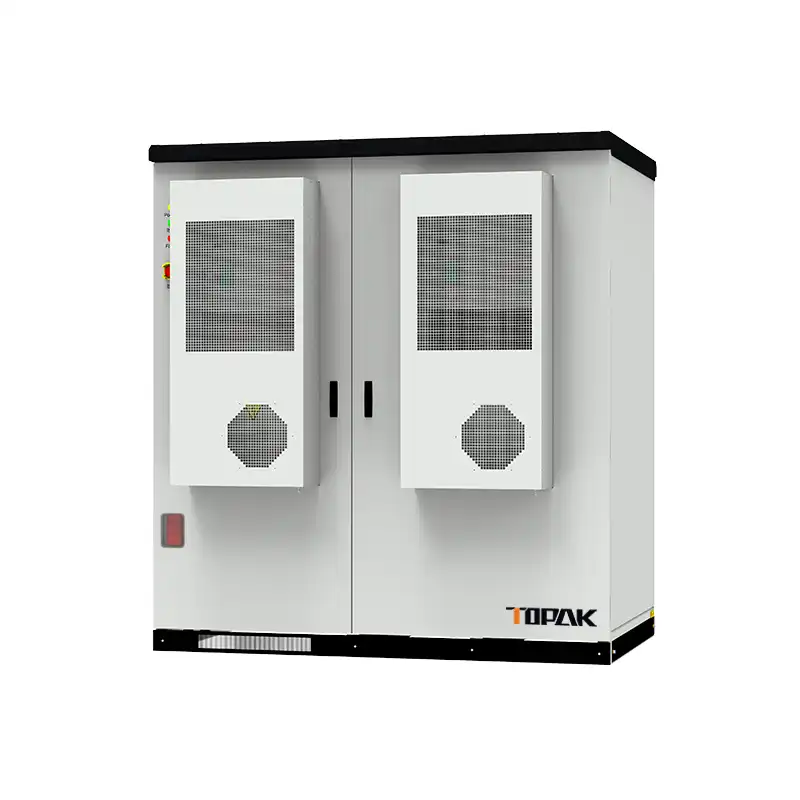
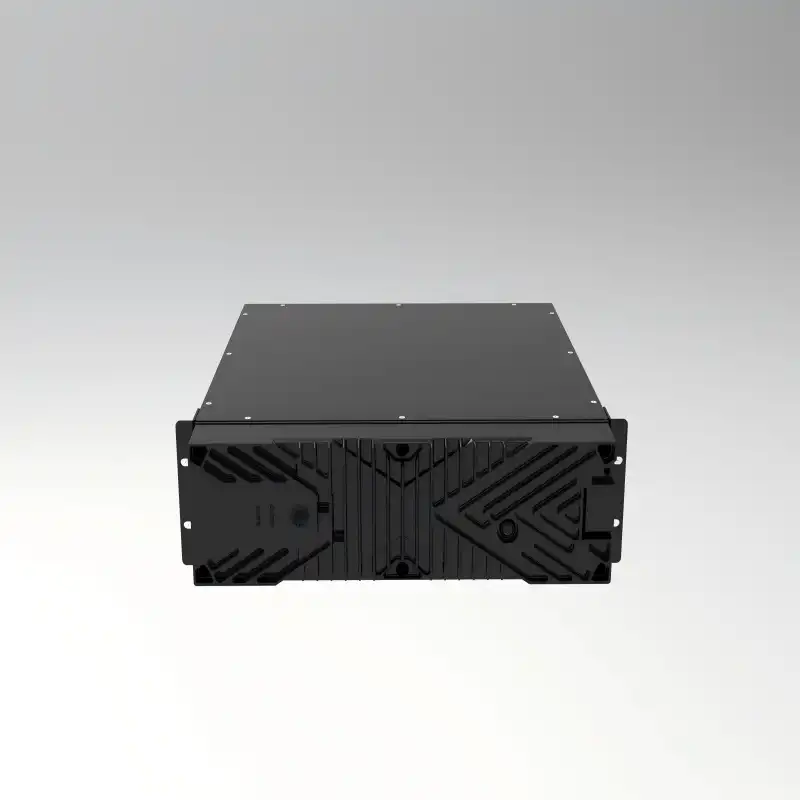
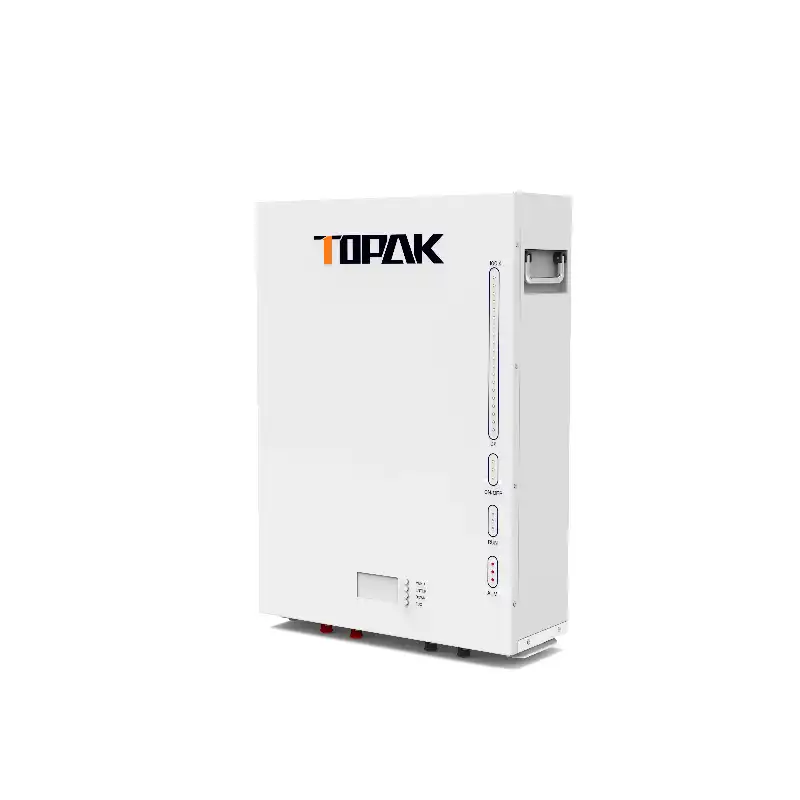
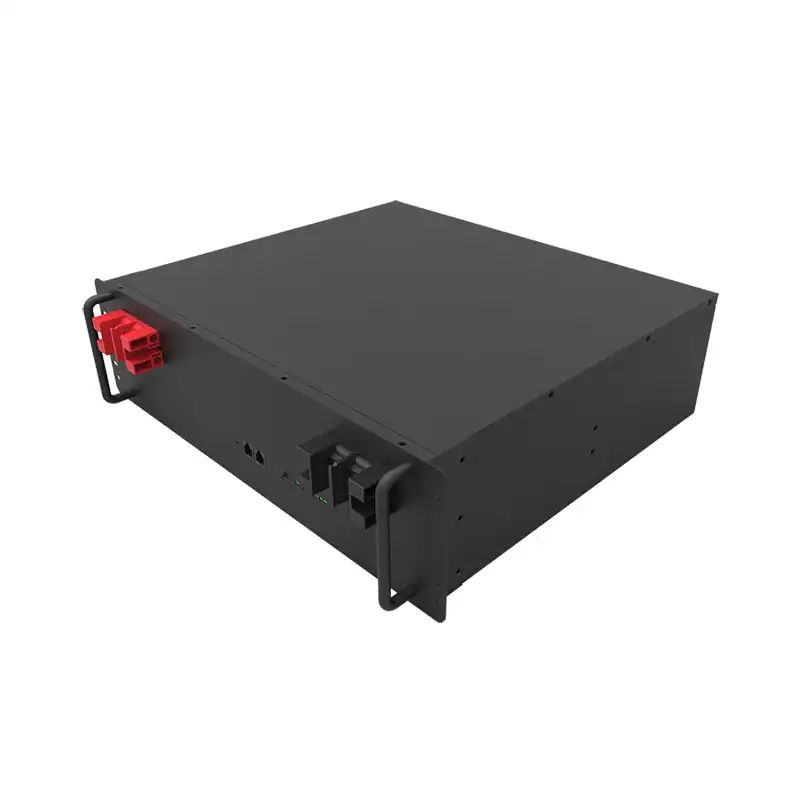
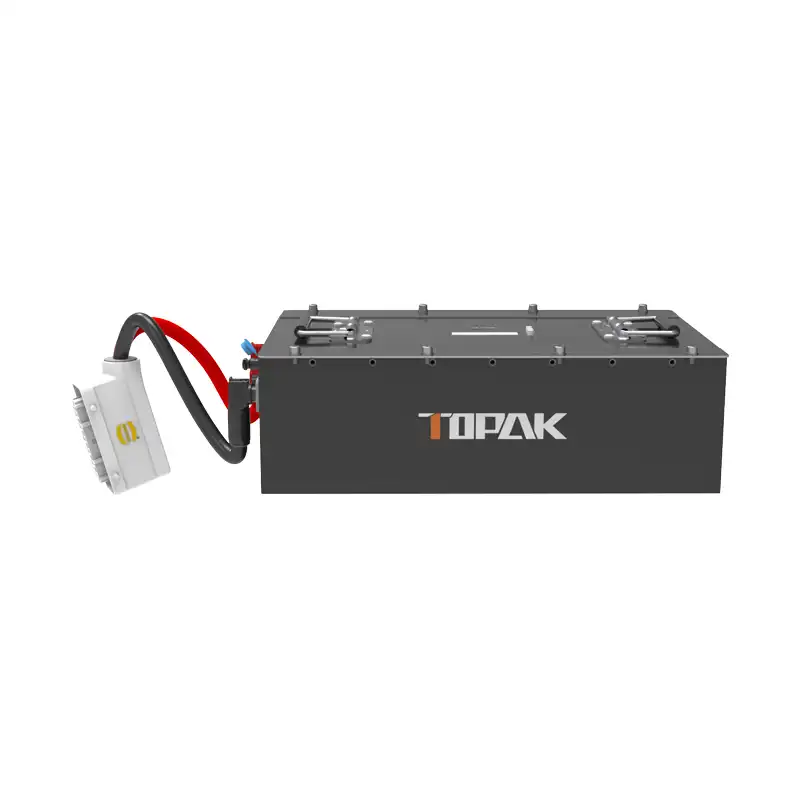
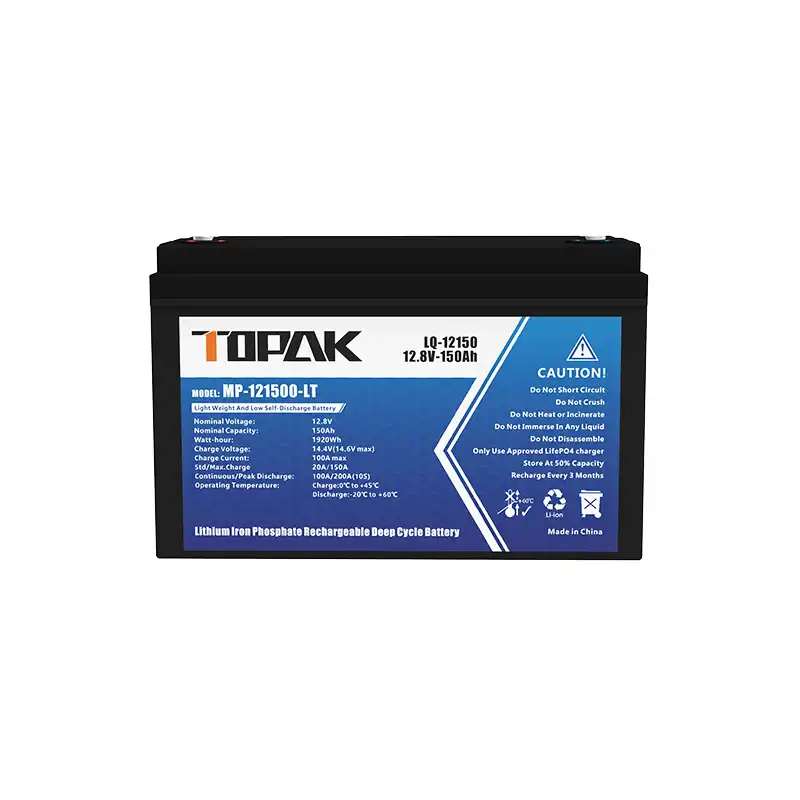
200ah lithium iron phosphate battery for Reliable Daily Deep Cycling
Industrial activities that need a steady daily power supply turn to a 200Ah lithium iron phosphate battery as the foundation of a reliable power grid. The 12.8V 200Ah LiFePO4 configuration of this battery technology gives off 2560Wh of energy and can be charged and discharged 6000 times at 80% depth of discharge. This makes it a viable choice for telecom towers, solar installations, material handling equipment, and backup power systems that can't afford to go down.

Understanding 200Ah Lithium Iron Phosphate Batteries
The 200Ah lithium iron phosphate battery is a big step forward in the field of renewable energy storage. In contrast to other battery technologies, LiFePO4 cells use iron phosphate as the cathode material. This creates a stable electrochemical environment that puts safety and life ahead of raw energy density. This steadiness is especially useful in industrial settings where batteries go through a lot of deep discharge cycles.
Core Technical Specifications
As the standard voltage of 12.8V is the same as the current 12V infrastructure, it can be easily added to systems that are already in place. With a 200Ah capacity, these batteries can hold a lot of power while still being a manageable 522 x 240 x 218 mm size. Its weight of about 23 kg makes it easy to handle without the need for special lifting gear. The most impressive thing about these units is that they can handle a maximum continuous discharge rate of 200A. This means that they can power heavy equipment without causing voltage drops or performance issues. The built-in battery management system protects against overvoltage, overcurrent, short circuits, and high temperatures. This feature adds a lot of safety layers that meet the main concerns of buying professionals.
Deep Cycling Capabilities Explained
Deep cycling means regularly draining a battery to a large part of its capacity and then charging it again. When lead-acid batteries are regularly drained below 50%, they get permanently damaged. But lithium iron phosphate technology can handle 80% depth of discharge over 6000 rounds. This means that it can be used every day for more than 16 years, which completely changes the economics of energy storage. The stable discharge curve keeps the voltage constant during the discharge cycle. This makes sure that linked equipment gets steady power instead of the voltage dropping that happens with older technologies.
Maintenance Requirements and Lifespan Expectations
One of the best things about LiFePO₄ technology is that it gets rid of the need for upkeep. You don't have to check the electrolyte levels, plan equalization charges, or deal with terminal rust. Because the self-discharge rate is low, batteries can be left unused for months without losing a lot of power. If you keep an eye on the temperature and follow the charging instructions, these batteries usually last longer than their stated run time. Without repair windows, worker costs go down, and system availability goes up, both of which are important factors when figuring out the total cost of ownership.
Advantages of 200Ah LiFePO4 Batteries Over Traditional Alternatives
Looking at operational data makes the business case for switching from lead acid to lithium iron phosphate clear. A similar lead-acid battery bank weighs about 120 pounds, while the LiFePO4 version weighs only 23 kg. This makes installation more flexible and lowers the structural needs of mobile applications. The weight loss is especially helpful for trucks and AGVs, where each kilogram affects how much energy they use and how much they can carry.Changes in energy density go beyond weight changes. A 200Ah lithium iron phosphate battery gives you 2560Wh of useful power in about one-third the space of a lead-acid battery. This saves room, which lets system designers put other parts in better places or just make the enclosures smaller. The round-trip efficiency is over 95%, which means that less energy is lost during charge-discharge cycles. This directly lowers power costs in high-use areas like solar energy storage, where every watt-hour counts.
Performance Benchmarks Against Other Lithium Chemistries
Lithium cobalt oxide and nickel manganese cobalt have a higher energy density, but they are less stable at high temperatures and have shorter cycle lives. The iron phosphate chemistry stops thermal runaway even when pushed to its limits. This provides a crucial safety cushion in unattended locations, such as telecommunication base stations. The charge-discharge performance stays the same across the working temperature range. This is different from some lithium chemistries, which lose capacity when they get cold. In cold weather, these batteries keep working when lead-acid circuits would freeze solid or get damaged permanently.
Environmental and Sustainability Considerations
Heavy metals like lead, cadmium, and cobalt are not present because of environmental compliance standards that are becoming more popular in global markets. Lithium iron phosphate batteries can be recycled, which means they don't end up in landfills. The longer lifespan means that the project will need to be replaced less often, which is better for the earth because it means that making and shipping will use less energy. Companies that want to get sustainability approvals find that the choices they make about energy storage have a big effect on how much carbon they produce. This means that choosing the right battery chemistry is more of a strategic decision than a technical one.
Selecting the Right 200Ah LiFePO4 Battery for Your Business Needs
It's not enough to just compare standard sheets when making a procurement choice. The voltage configuration has to work with what's already there. The nominal voltage of 12.8V can be used instead of 12V lead-acid systems without changing the charging tools or loads that are linked. The 200Ah capacity needs to be compared to how much energy is used each day, taking into account the capacity that can be used at 80% depth of discharge.
Critical Selection Criteria
Certifications are an objective way to check that safety and performance claims are true. The UN38.3 approval shows that the battery meets the shipping rules for lithium cells around the world, which makes global operations possible. The MSDS paperwork talks about how to handle the material and what to do in an emergency. The CE mark means that the product meets the standards of the European Union, which lets you enter those markets. In addition to certifications, guarantee terms show how confident the maker is in their product. A guarantee that covers both cycle count and calendar years shows that the company is committed to long-term performance.Pay close attention to the design of the battery management system. TOPAK's own BMS technology gives you fine-grained control over tasks like protecting, watching temperature, and balancing cells. This integration makes sure that the cells and control electronics work well together, so there aren't any contact problems like there are in systems that use third-party BMS parts. For important reasons, being able to change BMS settings for certain uses is very helpful when normal profiles don't meet specific operating needs.
Evaluating Suppliers and Manufacturers
Working directly with well-known makers can help with technical issues, offer more customization choices, and make sure the supply chain is reliable. Through our 25,000-square-foot㎡ factory in Shenzhen, TOPAK has been making industrial-grade lithium batteries since 2007 and has a lot of experience with them. Our big, automatic production lines make sure that the quality is always the same, but they are also flexible enough to meet specific needs. The question isn't just what features the battery has, but also what kind of help is available for it.When running foreign businesses, distribution networks are important. A company that has locations in more than 15 countries can offer regional help, which speeds up the time it takes to answer technical questions. Finding batteries through partners in the area makes handling easier, cuts down on shipping times, and can often lead to better prices through big deals. Before committing to big orders, procurement teams should look at how stable the provider is, how much they can produce, and how well they've done with similar projects in the past.
Integrating 200 Ah LiFePO₄ Batteries into Daily Deep Cycling Systems
To use these batteries in the real world, you need to know how they work with power sources and loads that are linked. Fast charging is useful for solar systems because it lets batteries use sunlight to charge quickly during short charging times. The 200A continuous discharge rate can handle big loads and the currents needed to start up an inverter without setting off any safety circuits. The design is scalable, which means it can handle parallel links. This lets the capacity grow as energy needs do.
System Configuration Guidelines
Standard charge controllers made for 12V battery banks work perfectly with the average voltage of 12.8V. Most solar charge controls can handle voltages between 14.4V and 14.6V, which is the range of maximum charging voltages. The flat discharge slope keeps the voltage fixed for connected devices, which stops the brownouts that can happen when lead-acid batteries are almost dead. In telecom uses, this voltage stability ensures that sensitive transmission equipment can keep working even when the power goes out for a long time.Managing temperature has an effect on performance and durability. The wide temperature range works for most setups, but methods for managing temperature in extreme situations are helpful. Batteries are kept safe in cold places by insulated cases and in hot places by air or active cooling. The BMS checks the temperatures of the cells and changes the charging settings automatically. However, when planning the system, the makers should think about the weather.
Charging Protocols and Maintenance Schedules
With the right charging tools, the fast charging feature lets you reach 80% capacity in about an hour, cutting down on downtime in situations where batteries need to be switched between jobs. Because the self-discharge rate is low, there are no maintenance fees to pay when the battery is being stored or shut down for the season. Lithium iron phosphate batteries only need to have their voltage checked every so often to make sure they are working right, while flooded lead-acid batteries need to be equalized charged every month and have their capacity tested every three months. This process doesn't need any upkeep, so it saves time and makes it easier to keep records for quality management systems.
How to Procure 200Ah Lithium Iron Phosphate Batteries Efficiently?
At the start of the buying process, clear requirements are laid out, such as the amount needed, the time frame for delivery, any customization needs, and any price limits. Working directly with manufacturers like TOPAK gives you access to engineering help during the creation of specifications, which makes sure that the batteries you choose meet the needs of your application. If you need to choose between off-the-shelf solutions and custom setups, it depends on how much you need, how quickly you need it, and whether standard offers meet your technical needs.
Sourcing Strategies and Channel Selection
Buying directly from manufacturers gives you the best prices for large orders and gives you the most freedom to customize them. TOPAK's engineering team works with customers to find the best battery designs for their needs. They do this by changing BMS settings, connector types, and mechanical packaging to meet the needs of integration. This way of working together lowers the chance of design errors that can cause projects to be late or need expensive changes.Customers who need smaller amounts or faster shipping than plant wait times allow can work with authorized distributors. Because regional delivery partners keep an eye on stock, shipping times are cut down from weeks to days. When compared to buying directly from manufacturers, the higher price often makes sense because it lowers moving costs and gives projects more freedom. Whether to source directly or through distribution methods rests on the number of orders, how quickly they need to be filled, and whether they need ongoing technical help.
Bulk Ordering and Logistics Considerations
Lead times depend on the size of the order and how customized it needs to be. Standard setups from well-known production lines usually ship within a few weeks. However, custom orders that need special tools or parts may take several months. When making plans, procurement teams should include time for foreign shipping, clearing customs, and delivery to final installation places. Packaging made just for lithium batteries makes sure that shipping rules are followed and keeps cells from getting damaged during handling.Instead of just looking at the buying price, the first step in cost management is to understand the total cost of ownership. Because lithium iron phosphate technology lasts a long time, you need to look at the costs across the whole service life, which includes installation, maintenance, replacement rounds, and removal. At different number levels, volume savings become available, so it's worth thinking about combining purchases from different projects. Value goes beyond the unit price and includes payment terms, guarantee coverage, and the ability to get expert help.
Conclusion
A 200 Ah lithium iron phosphate battery is a big choice that will affect how well things work, how much they cost to maintain, and how reliable they are in many industry settings. The 6000-cycle lifespan at 80% depth of discharge completely changes the economics of energy storage, and the fact that it doesn't need any upkeep cuts down on the amount of work that needs to be done regularly. The safety features of LiFePO4 chemistry, along with complete BMS protection, help manage risks that are crucial for businesses when making purchasing decisions. As the need for energy storage grows in the telecom, green energy, and industrial sectors, it's just as important to choose the right battery source as it is to pick the right technology.
FAQ
How long does a 200Ah lithium iron phosphate battery last in daily use?
If you deep cycle every day for 6000 times at 80% depth of discharge, the battery will last for over 16 years. The actual lifespan depends on the temperature at which it is used, how it is charged, and how deeply it is discharged. Lower discharge cycles make the life last longer than the stated standards, and using the device in a moderate temperature range makes it last longer.
What charging time should I expect for complete recharging?
Charging time varies on how much power the charger has. With the right charging tools, it takes about an hour to reach 80% capacity, and two to three hours to fully charge to 100%. The ability to charge quickly cuts down on downtime in situations where discharge processes need to be completed quickly.
Are there specific safety certifications I should verify before purchasing?
UN38.3 approval proves safe transport, MSDS paperwork explains how to handle the substance, and CE marking shows that it meets European Union standards. These certificates show that you follow international safety standards and make it easier to ship goods around the world. The built-in BMS adds another layer of safety by protecting against overvoltage, overcurrent, short circuits, and high temperatures.
Partner with TOPAK for Your 200 Ah Lithium Iron Phosphate Battery Needs
Since 2007, TOPAK New Energy Technology has been making industrial-grade lithium battery solutions and has become very good at making unique energy storage systems for tough uses. We can keep the quality of all of our orders the same because we have our own BMS technology and a lot of automatic production lines in our Shenzhen plant. Our engineering team gives you the technical help you need for a smooth combination, whether you need standard configurations or 200Ah lithium iron phosphate battery solutions that are made to fit your needs. As a 200Ah lithium iron phosphate battery seller with users in 15+ countries, you can talk to our team about your project needs at B2B@topakpower.com, ask for full specs, or look into group prices.
References
1. Chen, M., & Wang, J. (2021). Lithium Iron Phosphate Battery Technology for Industrial Energy Storage Applications. Journal of Power Sources, 487, 229-243.
2. Industrial Battery Council. (2022). Comparative Analysis of Deep Cycle Battery Technologies in Commercial Applications. Technical Report Series, Volume 14.
3. Zhang, L., Liu, H., & Wu, Y. (2020). Safety Characteristics and Thermal Stability of LiFePO₄ Battery Systems. Energy Storage Materials, 32, 156-168.
4. American National Standards Institute. (2023). Battery Management Systems for Industrial Lithium-Ion Applications: Design and Implementation Guidelines.
5. Global Battery Alliance. (2022). Life Cycle Assessment of Lithium Iron Phosphate vs. Lead-Acid Batteries in Renewable Energy Systems. Sustainability Research Publication.
6. Thompson, R., & Anderson, K. (2021). Total Cost of Ownership Models for Industrial Energy Storage: A Procurement Guide. Energy Management Quarterly, 18(3), 45-62.