Compare Top 12V 6Ah LiFePO4 Battery Models for Best Value
When looking at lithium iron phosphate power solutions for industrial uses, the 12V 6Ah LiFePO₄ battery stands out as a flexible energy storage choice that strikes a good mix between small size and reliable performance. When compared to lead-acid batteries, these ones have much thinner profiles and give about 76.8 watt-hours of energy. They also have clever battery management systems built in for safety. Lithium-ion batteries are important parts of modern corporate operations that want to save money and run more efficiently because they can be used with solar panels, backup power systems for phones, security gear, and portable power units.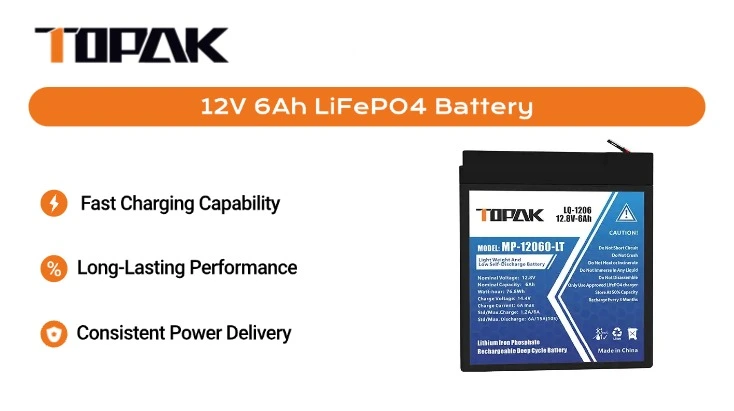
Understanding 12V 6Ah LiFePO4 Batteries: Specifications and Benefits
Technical Parameters and Composition
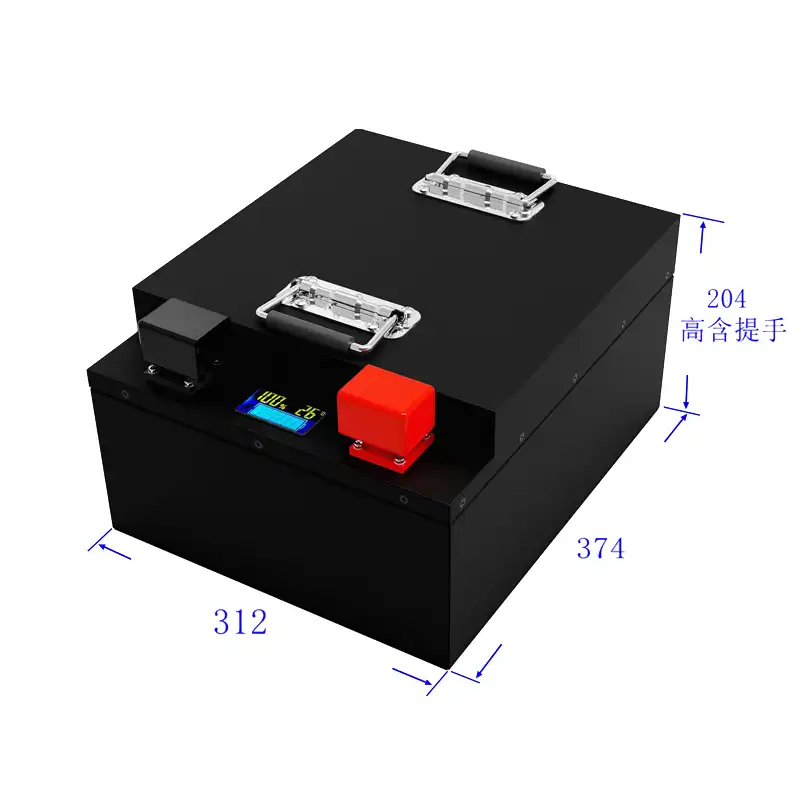
A normal voltage of 12.8V is used by lithium iron phosphate batteries with a small 6Ah size range. This means that they can be hooked up directly to 12V systems and keep putting out the same voltage even when they are discharged. Based on the load, its 6Ah capacity can store about 76.8 watt-hours of power, which is enough to keep low- to medium-use devices running for several hours straight. These batteries use lithium iron phosphate cathodes and graphite anodes to create a stable electrochemical environment that stops heat from running out and keeps the structure whole when it's under a lot of stress. Due to its small size (about 90 by 70 by 101 millimeters and 0.7 kilos), it can be used in places where space is limited and other battery technologies would not work.
Industrial Applications Across Sectors
One of the best places for lithium-iron phosphate batteries to store solar power is in off-grid and hybrid systems that use renewable energy. Lithium iron phosphate batteries can last for thousands of cycles of charging and discharging, which means they can be used for daily riding where lead-acid batteries would die quickly. There are small power solutions like these used by phone companies in network equipment and base stations to keep lines open when the power goes out. People who make industrial equipment use them in self-driving cars, small diagnostic tools, and emergency lighting systems that need strong but light power sources. Low self-discharge is great for security and video systems because it keeps the charge strong even when the system is not being used for a long time and gives instant power when it is needed.
Performance Advantages Over Traditional Technologies
The difference in cycle life between lithium iron phosphate and regular batteries significantly affects purchasing costs. Standard lead-acid batteries can only be used 300 to 500 times before they lose their power and need to be replaced. Good lithium iron phosphate units, on the other hand, can be used 2000 to 6000 times at 80% depth of discharge. Under adequate control, this means that they can work for 10 to 20 years, compared to 3 to 5 years for lead-acid alternatives. The flat discharge slope keeps the voltage output fixed until almost full depletion. This keeps the device working the same way, unlike lead-acid batteries, which lose power slowly over time. Better charging methods let full charging happen in one to three hours with the right chargers, cutting down on downtime compared to the eight hours or more needed for lead-acid systems. The battery is 50–70% lighter than a lead-acid battery with the same capacity, making it easier to install, reducing the need for strong support structures, and allowing it to be used in places where weight limits would
Energy Density and Environmental Considerations
Lithium iron phosphate technology saves a lot more power per unit of mass and space than other options. However, it is not as beneficial as other lithium chemistries like nickel-cobalt-aluminum ones when it comes to energy density. This trade-off works well for uses that value safety and life more than maximum energy efficiency. Heavy metals like lead and cadmium are not present, which is beneficial for the environment because it makes recycling easier and lowers the risks of dumping. The stable chemistry gets rid of the risk of acid spillage that comes with overflowing lead-acid batteries, keeping workers and sensitive equipment safe in industrial settings. Operating temperature ranges usually cover -20°C to +60°C, which allows for a wide range of environments, from cold storage to sites outside in warm areas.
Comparing Top 12V 6Ah LiFePO4 Battery Models
Essential Selection Criteria for Industrial Buyers
Careful consideration of lithium iron phosphate power options from various technical and business perspectives is essential. The nominal numbers may not match the real energy that can be delivered when the load is on, so it's important to know the usable capacity. Manufacturers of excellent products make it clear what the continuous discharge ratings are. For small 6Ah units, these ratings usually run from 6A to higher values, but they can be lower or higher based on the cell configuration and the ability to handle heat. Different providers offer very different levels of sophistication for their 12V 6Ah LiFePO4 battery management systems. More advanced versions can balance each cell individually, measure temperature at multiple places, and have communication interfaces for integrating the system. The physical size and layout of the terminals must match the mounting restrictions and electrical connection needs of the intended use.
Certification Standards and Compliance
International approvals ensure that promises about safety and efficiency are true. If something has a CE mark on it, it means it meets European standards for health, safety, and the environment. This step is necessary to get into markets all over the European Union. UN38.3 approval shows that you follow the rules for shipping lithium batteries by air and sea, which is crucial for foreign purchasing logistics. MSDS documents list the chemicals they contain and how to handle an emergency, which is required by all safety laws in the workplace. Although UL approval is not global, it indicates that a third party has verified electrical safety for the North American market. It is important for procurement teams to make sure that the qualifications of suppliers fit the needs of their target markets and applications. This is because missing paperwork can slow down the customs clearance and regulatory approval processes.
TOPAK's 12.8V 6Ah LiFePO4 Battery Specifications
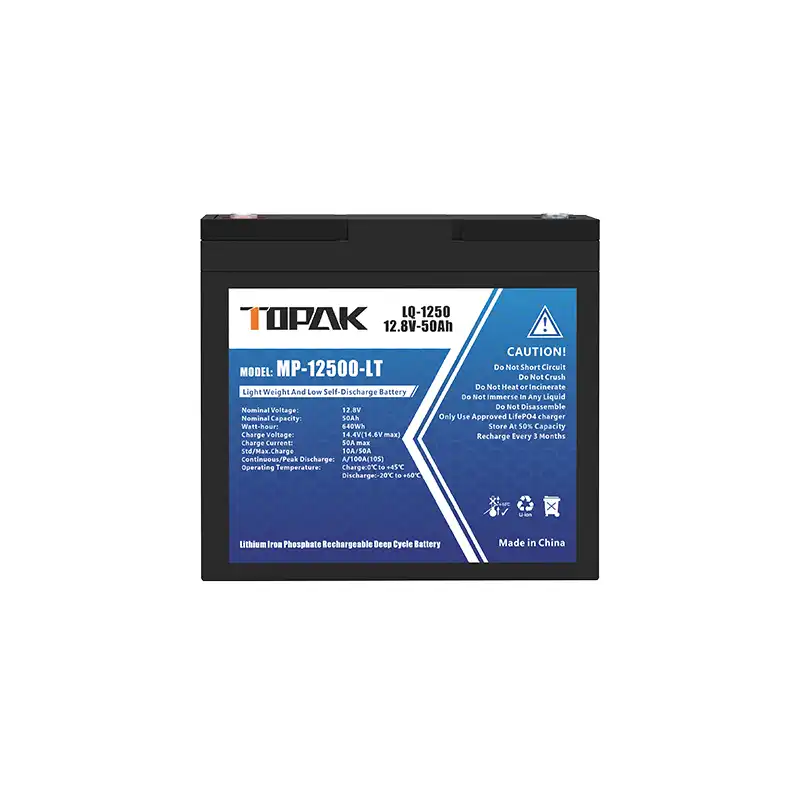
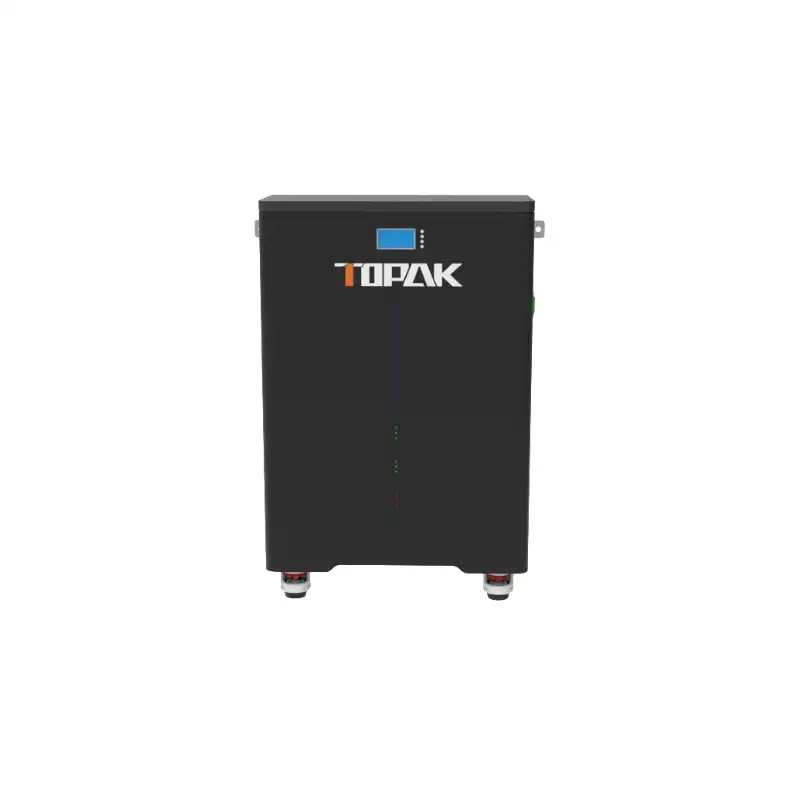
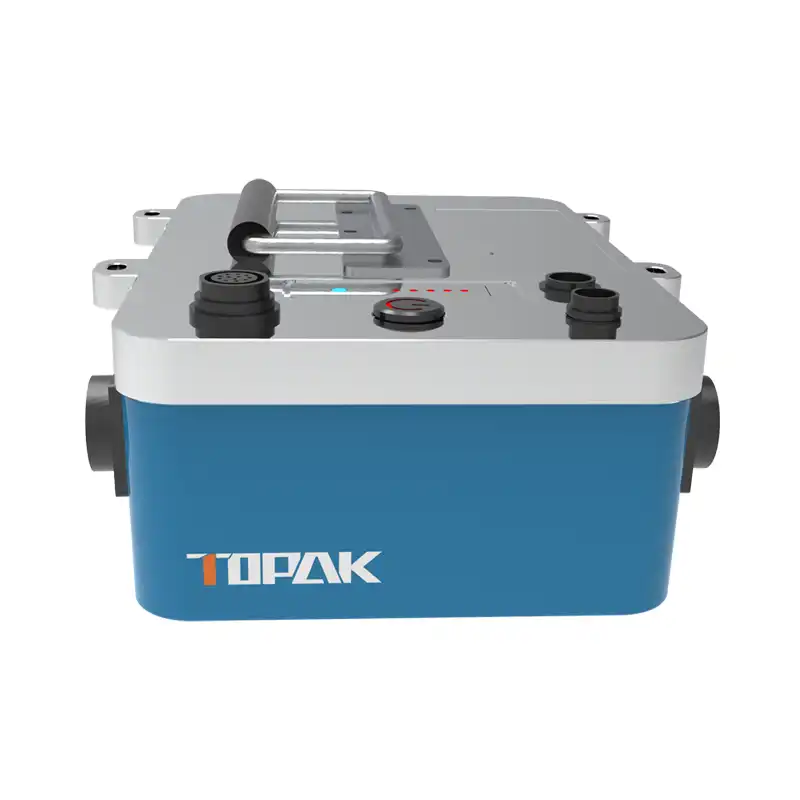
TOPAK New Energy Technology manufactures industrial-grade lithium iron phosphate products designed for demanding business-to-business applications. Our 12.8V 6Ah type has a full battery management system that protects against over-voltage, over-current, short circuits, and temperature extremes, so it can be used safely in a wide range of settings. The 6000-cycle lifespan at 80% depth of discharge is very long, which lowers the number of replacements needed and the overall cost of ownership. The 6A maximum continuous discharge capacity can handle loads of up to 76.8 watts, making it suitable for use with security cameras, communication gear, portable lighting systems, and emergency backups. The small size (90 x 70 x 101 millimeters) and light weight (0.7 kilograms) make it easier to put in places with limited room where regular batteries can't go.Our factory keeps its CE, MSDS, and UN38.3 certifications up to date, which means it meets international safety standards and makes global delivery easy. The built-in battery management system keeps an eye on cell voltages, temperatures, and current flow all the time. When the system reaches safety limits, it immediately turns off loads or charging sources. This active security keeps the battery from being damaged, which extends its life and gives system designers peace of mind when putting batteries in remote or unsupervised areas.
Comparative Analysis Framework
Procurement professionals should set weighted evaluation criteria that reflect application objectives so they can compare competing goods. Cycle life estimates affect when to replace parts and how much the whole process costs, so this number is crucial for uses that charge and discharge every day. The discharge rate sets the power supply limits, which are crucial for devices requiring a surge of current during startup or peak activity. Battery management system features affect how hard it is to integrate the system. For example, units that can communicate make tracking easier in networked setups. Warranty terms and the quality of help after the sale show how much a seller believes in their goods and wants their customers to succeed. When figuring out a price, you should look at the total cost of ownership, not just the original purchase cost. This is because expensive batteries with longer lifespans often offer better long-term value even though they cost more up front.
How to Choose the Best 12V 6Ah LiFePO4 Battery for Your Business Needs?
Aligning Specifications with Application Requirements
A load profile study is the first step in choosing the right battery. Long runtime and cycle life are more important than high discharge rates for applications with steady low-level draws, like security cams that use 5–10 watts of power all the time. On the other hand, batteries that can give surge currents without voltage sag or safety system intervention are needed for equipment that needs high power for short periods of time, like power tools or communication devices with transmission bursts. The working environment affects the choice of materials and the need for thermal management. For example, outdoor sites need to be able to handle a wide range of temperatures and have weatherproof enclosures. Compatibility with existing systems is ensured by system voltage compatibility. However, most lithium iron phosphate batteries that are labeled as 12V actually operate at 12.8V nominal, which is compatible with older 12V lead-acid systems and provides a slightly higher voltage for better performance.
Total Cost of Ownership Evaluation
Strategic buying includes more than just the original purchase price. It also includes costs over the product's lifetime, such as repairs, replacements, and disposal. Lithium iron phosphate batteries cost three times as much as lead-acid batteries but last six times longer. This means that the cost per cycle is 50% less, and that's before you take into account the money you save on upkeep. The costs of labor for regular upkeep and new installations add up over a number of years, especially for sites that are in remote or hard-to-reach places. Differences in energy efficiency affect working costs in situations where batteries are cycled a lot. For example, lithium iron phosphate batteries usually achieve 95–98% charge efficiency, while lead-acid batteries only reach 70–85%. This means that less power is used and less cooling is needed.
Supplier Reputation and Technical Support
The track record of a manufacturer shows how reliable their products are and how stable their business is, which is important for long-term purchasing agreements. The fact that TOPAK New Energy Technology has been around since 2007 shows that it has a strong position in the market and a lot of experience making lithium batteries. Instead of relying on third-party parts, we create our own 12V 6Ah LiFePO4 battery management systems, which gives us full control over safety features, speed optimization, and system compatibility. On our 25,000-square-meter Dalang facility's large, automated production lines, strict process control, and less room for human mistakes ensure uniform quality. Having a distribution footprint in 15 countries makes it easier to provide quick technical support, make sure that inventory is available locally, and streamline operations, all of which cut down on wait times for urgent needs.
Certification Interpretation and Compliance Verification
Understanding the reach and limits of certification helps keep buying mistakes and legal issues to a minimum. CE marking includes many guidelines, such as electromagnetic compatibility and low-voltage equipment standards. To find out more about specific conformity details, you will need to look at the paperwork that comes with the product. Testing according to UN38.3 makes sure that things are safe during travel, but it doesn't check how well they work or how long they last. By asking for test results and conformity statements, you can be sure that the certifications only apply to the model you're interested in and not to other goods in the supplier's line. For things like medical devices or flight equipment that have to follow rules specific to their industry, making sure the certification is valid with compliance experts can save you a lot of money on redesigning or renewal after the purchase.
Installation, Maintenance, and Safety Tips for 12V 6Ah LiFePO4 Batteries
Proper Installation Procedures
The right way to put a battery will get the most out of it and keep it from failing too soon. Mounting orientation should be done according to the manufacturer's instructions, since some designs have pressure-sensitive parts or air systems that need to be placed in a certain way. To make sure there is a solid electrical link, terminal connections need to be torqued to the right levels without crushing terminal posts or stripping threads. The wire size must be able to handle the highest discharge currents with the least amount of voltage drop. For 6A steady loads over short distances, 14-16 AWG wires are usually needed. Verifying the polarity of circuits before turning them on stops reverse-current damage that some battery management systems might not fully protect against at the time of initial connection.Charger compatibility is an important thing to think about when installing lithium iron phosphate batteries because they need to be charged in a way that is different from lead-acid batteries. The right chargers keep voltage levels between 14.4V and 14.6V for lithium iron phosphate batteries and between 13.8V and 14.4V for flooded lead-acid batteries. Charging stops when the current drops instead of after a set amount of time. When using lead-acid charges, there is a chance of undercharging, which lowers the usable capacity over time, or overcharging, which damages cells by putting too much voltage stress on them. If the setup of the battery management system can be changed by the user, it should reflect the needs of the application, such as charging limits at low temperatures or custom voltage levels that match the sensitivity of the connected equipment.
Maintenance Best Practices
Lithium iron phosphate batteries don't need to be serviced as often as lead-acid batteries do, but smart tracking makes them more reliable and extends their life. During idle storage, the voltage is checked on a regular basis to make sure that the self-discharge rates are correct and that the battery management system is working properly. In a healthy unit, the capacity usually drops by less than 3% per month. Visual checks find physical harm, final corrosion, or environmental pollution that needs to be fixed before it affects performance. Checking the strength of the connection stops resistance heating and voltage drops when the load is on the circuit. Monitoring the temperature while the system is running finds problems with inadequate cooling or situations where the batteries are under too much stress, going beyond their design limits.Charge cycle control has a big effect on how long something lasts. Although lithium iron phosphate chemistry can handle partial state-of-charge operating better than lead-acid options, the best way to extend the life of a calendar is to avoid storing it for long periods of time when it is fully charged or completely depleted. Keeping the store charge level between 40 and 60% of its capacity reduces the rate of degradation during long times of standby. Using equalization charges every three to six months keeps cells balanced in multi-cell packs and stops capacity drift, which lowers the amount of energy that can be used. Recording the charge-discharge information lets you do predictive repair based on the number of rounds instead of replacing something after it breaks.
Safety Protocols and Emergency Procedures
Even though lithium iron phosphate chemistry is safer than other types of lithium, leftover risks can be kept to a minimum by following the right treatment steps. By carefully protecting the terminals, you can avoid short circuits and stop damaging current flows that are too big for the battery management system to handle. Deep discharge prevention makes sure that the link is cut off before cell reversal damage happens, but problems with outside equipment could disable these defenses, so the system needs to be properly designed. When cells are crushed or punctured, they can lose their integrity and cause thermal events. This is why safety containers are needed in situations where there is a chance of contact. It is important to stay within the operating temperature ranges because charging below freezing or draining above 60°C speeds up degradation and could hurt the cells.Planning for emergency responses takes into account what could go wrong, even if strict precautions are taken. Lithium iron phosphate chemistry doesn't have many thermal events, but when they do, they need Class D fire extinguishers that work on metal fires instead of water-based ones that make lithium reactions worse. Enclosed battery spaces need to have enough air to keep gas from building up in rare venting scenarios. Training employees on how to unplug and spot hazards makes sure that they can act quickly if the battery management system sends a warning that something is wrong. Keeping the manufacturer's contact information and technical help access available lets you talk to an expert when things aren't clear and you need specialized knowledge.
Procurement and Purchasing Guide for 12V 6Ah LiFePO4 Batteries
Identifying Trusted Manufacturers and Suppliers
The choice of supplier has a big effect on the results of procurement because it affects product quality, shipping reliability, and help after the sale. Manufacturers that have been around for a long time and have a track record of success show that they are financially stable and have a lot of experience that younger companies don't have. TOPAK was founded in 2007 and has been in the market ever since, through different stages of technology and economic cycles. If you own a manufacturing plant, instead of hiring someone to do the work for you, you can keep an eye on quality and protect your intellectual property, which is very important for secret technologies like our battery management systems that we made ourselves. Indicators of production capacity, such as our large-scale automated production lines, show that we can handle big orders with consistent wait times, rather than delivery delays caused by limited capacity.Logistics prices are affected by geographic delivery networks, which help with responsiveness. Because we're in 15 countries, we can place our inventory more efficiently, which cuts down on the costs and delays of foreign shipping and customs clearance. 12V 6Ah LiFePO4 battery Local technical support staff are better than centralized remote support operations because they can communicate in the customer's local language and respond in the correct time zone. There are trade-offs between authorized dealer networks and direct manufacturer ties when it comes to local product availability and price margins. The best way to handle these situations depends on the number of orders and how quickly they need to be filled.
Procurement Channel Comparison
Direct ties with manufacturers are the best way to get the best prices and technical support, but you have to place a lot of orders for the setup costs and contact costs to be worth it. Distributors and dealers offer stock and combined shipping for smaller orders, but the prices they charge include their markup and service fees. Online markets make it easier to compare prices and speed up deals, but they might not have the technical help or authenticity checks that are needed for important uses. Hybrid methods that use wholesalers for small amounts of prototypes and direct connections with manufacturers for large amounts of production are the most flexible and cost-effective way to build a product over its entire lifecycle.
Cost Structure Analysis
Knowing what goes into the price of a battery lets you negotiate more effectively and make more realistic budgets. The prices of raw materials, especially sources for lithium carbonate and iron phosphate, are a big part of the production process and can change a lot depending on the commodity market. The amount of automation in a factory affects the amount of work used and the consistency of the quality. For example, new automated lines cost more but are more reliable. The level of complexity in the battery management system is a big part of its cost, since more advanced versions have microcontrollers, sensor arrays, and communication links that basic safety circuits don't have. Certification costs, like testing fees, making paperwork, and checking for compliance, are built into unit costs, but they're worth it because they allow entry to the market. Brand image prices are based on long-term quality records and support systems that make buying a brand safer than trying something new.
Negotiation Strategies and Volume Considerations
When suppliers make volume promises, they can access price tiers that lower the cost per unit by a large amount and give suppliers more information for planning production. Annual purchase deals balance the costs of keeping inventory with savings for buying in bulk. The best plan depends on how predictable usage is and how much space is available. Talking about deposits, milestone payments, and net terms during payment term talks affects the amount of working capital needed and how the seller positions their risk. Technical customization options, such as changing the parameters of the battery management system, making physical changes, and extending approval, are usually easier to get for large orders that support engineering investments. Building strategic relationships with key suppliers through ongoing engagement, open communication, and fair treatment gives you priority access when supplies are low and lets you work together on new needs as they come up.
Conclusion
To choose the best lithium iron phosphate batteries for commercial use, you need to look at a lot of things, such as the technical specs, the reliability of the provider, and the total cost of ownership. The small 6Ah capacity segment offers flexible options for a wide range of uses, from telecommunications infrastructure to storing green energy. Its performance benefits over traditional chemistries explain its higher price by extending lifecycles and requiring less upkeep. To successfully purchase something, you need to make sure that the battery's features meet the needs of the application, check that the certifications are right for the market, and build relationships with makers who can show they can do what they say they can do and will support you. TOPAK is a strategic partner for companies that want reliable, high-performance energy storage solutions backed by technical expertise and quick service. We do this work by developing our own 12V 6Ah LiFePO4 battery management systems, automating large-scale manufacturing, and distributing our products all over the world.
FAQ
What lifespan can I expect from quality lithium iron phosphate batteries?
Before losing capacity to 80% of its original value, a good 12V 6Ah LiFePO₄ battery can usually handle 2000–6000 charge–discharge cycles at 80% depth of discharge. This means that it will last 10 to 20 years in use that cycle every day, which is a lot longer than the 3 to 5 years that lead-acid options usually last. The actual useful life relies on the working temperature, how the charge is managed, and the patterns of deep discharge. Regular maintenance greatly increases useful life.
How do lithium iron phosphate batteries compare to lead-acid batteries for industrial use?
Compared to lead-acid batteries, lithium iron phosphate technology offers 4-6 times the cycle life, 50–70% less weight, and no upkeep needed. The longer lifespan usually means that the higher initial cost is spread out over a longer period of time, which lowers the total cost of ownership. Better safety through temperature stability and faster charging are two more practical benefits that make systems work better and cut down on downtime in industrial settings.
What charging equipment works with these batteries?
Lithium iron phosphate batteries need chargers that are made for their chemistry and can keep the voltage between 14.4V and 14.6V and stop the charge based on power. Standard lead-acid chargers might not charge enough or too much, which hurts performance and shortens the battery's life. Quality battery management systems protect against charging mistakes, but using the right charging tools extends the cycle life and makes sure the battery works reliably for its entire service life.
Partner with TOPAK for Industrial-Grade Lithium Iron Phosphate Solutions
TOPAK New Energy Technology has a wide range of approved lithium iron phosphate batteries that are made to meet industry quality standards and are ready to help you meet your energy storage needs. As a reliable 12V 6Ah LiFePO4 Battery seller that has been around since 2007, our Dalang manufacturing plant combines our own Battery Management System technology with the ability to make a lot of batteries automatically on an area of 25,000 square meters. Our expert team can help you make changes to voltage configurations, capacity scaling, and system interaction needs that are specific to your needs.Contact our procurement experts at B2B@topakpower.com to talk about your project needs and get detailed quotes that include volume prices, delivery times, and technical details. We provide quick help to industrial equipment makers, system integrators, and distributors all over the United States, and we're also present in 15 other countries. Find out how TOPAK's technical know-how and dedication to quality can help your product do better and give you a competitive edge by giving you reliable, high-performance power options.
References
1. Warner, J. T. (2019). Lithium-Ion Battery Chemistries: A Primer. Elsevier Advanced Technology Publications.
2. Reddy, T. B. (2020). Linden's Handbook of Batteries, Fifth Edition. McGraw-Hill Professional Engineering.
3. Kurzweil, P., & Garche, J. (2017). Overview of Batteries for Future Automobiles. Metal Oxides in Energy Technologies, Elsevier Scientific Publishing.
4. Doughty, D. H., & Crafts, C. C. (2018). FreedomCAR Electrical Energy Storage System Abuse Test Manual for Electric and Hybrid Electric Vehicle Applications. Sandia National Laboratories Technical Report.
5. Andrea, D. (2021). Battery Management Systems for Large Lithium-Ion Battery Packs. Artech House Power Engineering Series.
6. Pistoia, G., & Liaw, B. (2018). Behavior of Lithium-Ion Batteries in Electric Vehicles: Battery Health, Performance, Safety, and Cost. Springer International Publishing.