What Makes a 51.2v Rack Mount Lithium Battery Superior?
A 51.2 V rack mount lithium battery has great power density, scalability, and operating reliability, which makes it an essential part of current IT and industrial infrastructure. Unlike older energy storage technologies, these new battery systems are small and have a high capacity. This means they can be easily installed in computer racks, telecom boxes, and industrial control rooms. As engineers and procurement managers look for long-term, low-cost solutions, it's important to know why these batteries are better in terms of technology. The goal is so that energy infrastructure can be optimized while still meeting strict safety and environmental standards around the world. At TOPAK New Energy Technology Co., Ltd., we've spent almost twenty years making lithium battery options for the industry better. Since 2007, we've learned what B2B buyers care about most: reliable performance, strong safety features, and quick expert help. This book tells you everything you need to know about the technical benefits, performance gains, and strategic buying factors that make 51.2V rack-mounted energy storage the best.
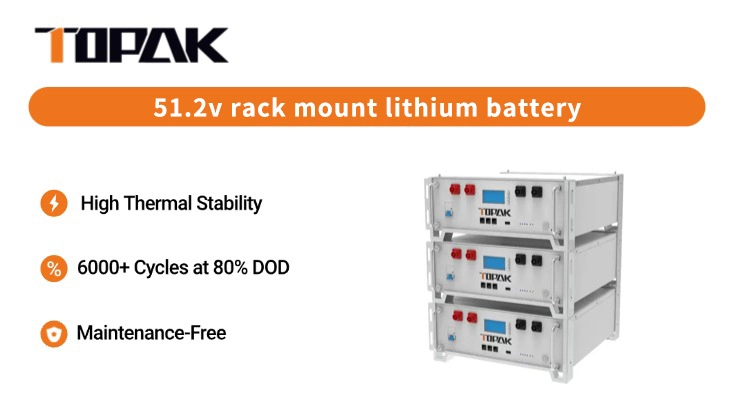
Understanding the Core Advantages of a 51.2V Rack Mount Lithium Battery
Superior Energy Density and Space Efficiency
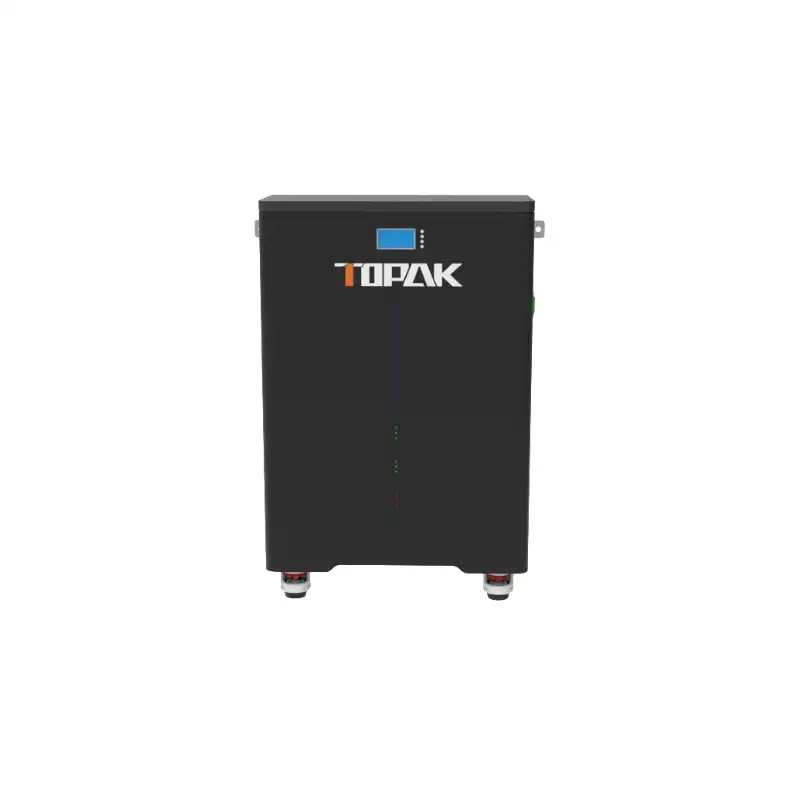
The 51.2 V lithium battery for rack mounting stands out because it can store 10.24 kWh of energy in a space that is only 550×442×222 mm. This set-up lets data centers and telecom facilities get the most out of their power sources without having to dedicate too much floor space to battery rooms. The modular design lets up to 15 parallel links work together, so the system's power can grow from 10.24 kWh to over 150 kWh inside of normal equipment racks.To hold the same amount of power, traditional lead-acid batteries need three to four times as much room. When it comes to the weight-to-energy ratio, our TP-48200R type is much better than other options by a large amount. It only weighs 86 kg and has a 200Ah capacity. This efficiency directly leads to lower installation costs and easier building planning for companies that make industrial equipment and ESS installers.
Extended Operational Lifespan
Lithium iron phosphate (LiFePO₄) chemistry is what our 51.2V rack mount energy storage systems are built on. They can handle 6,000 cycles at 80% depth of discharge. This cycle life is much longer than the 300–500 cycle lifespan of most lead-acid systems, which is more than a decade of daily use in backup power situations. The longer operational time cuts down on the number of replacements needed and the labor costs that come with them, giving building managers a lot of long-term value.Longer life comes from being more stable at high temperatures and breaking down less during charge-discharge cycles. LiFePO4 cells keep their voltage output constant over the course of their service life. This means that the battery will still work reliably as it gets close to its end-of-life limits. Telecommunications companies' procurement teams really like this uniformity because it makes planning upkeep and budgets easier across distributed base station networks.
Minimal Maintenance Requirements
Rack-mount lithium systems don't need nearly as much care as flooded lead-acid batteries, which need to have their water levels checked and terminals cleaned on a regular basis. Our built-in battery management system constantly checks the health of cells and makes sure that charge is distributed evenly, so you don't have to. The sealed design stops liquid from leaking and gets rid of the rust problems that come with older battery technologies.This process requires no upkeep and saves a lot of money over the battery's lifetime. Facility managers no longer need specialized staff to do regular maintenance on batteries, and the lack of repair windows means that operations are interrupted less often. This benefit is especially useful for distributors who work with remote telecom sites because it greatly lowers the need for field service across systems that are spread out geographically.
Technical Insights: How Does a 51.2 V Rack Mount Lithium Battery Work?
Internal Architecture and Cell Configuration
Our TP-48200R type uses a 16S1P cell arrangement, which means that sixteen LiFePO4 cells are linked in series to make the 51.2V output. Each cell works at 3.2V, and the series link raises the voltage while keeping the 200Ah capacity. This design makes the best use of voltage compatibility with standard 48V DC systems that are popular in data centers and telecom equipment.The rack mount chassis's planned spacing and built-in thermal management paths make the best use of space to get rid of heat from the cells. Heat-conductive materials move heat away from the sides of cells, keeping them at the best temperatures, which are between -20°C and 60°C. This temperature design makes sure that the system works the same way in all kinds of weather, which eases the minds of solar energy solution providers who have to set up systems in harsh circumstances.
Integrated Battery Management System
The smart heart of current rack-mount lithium batteries is the battery management system. Our custom-built BMS keeps an eye on the voltages, temperatures, and current flows of each cell to within milliseconds, taking safe action before things get too bad. This proactive method stops overcharging, overdischarging, and temperature events that could make the system less safe or shorten its life.Communication is an important part of a BMS because it lets it work with current power systems without any problems. The TP-48200R works with both CAN and RS485 standards, which makes it easier for inverters, UPS systems, and building control tools to share data. Optional Bluetooth and 4G units let you watch things from mobile devices and cloud-based management systems. This lets you do diagnostics and keep track of performance across sites that are spread out.The BMS balance function makes sure that all sixteen cells have the same amount of charge. This stops capacity mismatch, which speeds up aging in multi-cell setups. During charging cycles, active balance technology moves charge from cells with higher voltage to cells with lower voltage. This keeps voltage limits tight, which increases the system's usable capacity and makes it last longer.
Charging Protocols and Safety Mechanisms
Optimal charging follows guidelines set by the maker that achieve a balance between charge speed and cell life. Our systems can handle up to 100A of charging power, which lets batteries be charged quickly while complex algorithms change the charging settings based on how the cells are doing in real time. The constant-current/constant-voltage charging profile maximizes the most out of the battery while avoiding stress situations that speed up degradation.Safety measures built into the system's architecture provide multiple levels of protection. Current-limiting circuits stop discharge rates that are too high and could hurt cells or cause heat dangers. Thermal sensors shut down the device safely if temperatures get too high or too low, and voltage tracking stops both overcharging and deep discharging. Because of these features, our batteries have been certified by IEC 62619, UN 38.3, and MSDS. These certifications meet the standards of regulations in all foreign markets.
Comparison with Competing Technologies for Informed Procurement
Performance Analysis: Lithium versus Lead-Acid
Several performance measures show that 51.2V rack mount lithium battery systems are much better than standard lead-acid alternatives when procurement managers compare them. In lithium systems, round-trip efficiency is higher than 95%, while in lead-acid batteries, it's only 80–85%. This difference in efficiency accumulates over thousands of rounds, reducing power costs and heat production, which makes cooling easier.Lead-acid batteries lose energy when they are under load, which means they produce less power as they drain. Lithium systems keep the voltage output fixed until the battery is almost completely discharged. This makes sure that important loads always get power. This feature is useful in UPS apps because it allows you to plan for emergencies and calculate runtimes accurately.Another important difference is the depth of flow limits. When lead-acid batteries are drained past 50% of their capacity, they age faster, which means they can only store half as much energy. It is normal for lithium systems to work at 80% depth of discharge without shortening their lifespan. This means that they can offer a lot more usable capacity than their equally rated specs. This real capacity benefit lowers the battery capacity that is needed to meet certain runtime requirements, which saves money.
Voltage Compatibility Considerations
When it comes to some uses, the 51.2V baseline voltage is better than standard 48V lithium devices. The slightly higher voltage makes up for voltage drops that happen along long cable runs, which are common in industrial facilities and big data centers. This keeps the working voltage at faraway loads at the right level. Because of this feature, some setups don't need voltage boost converters, which makes system design easier and lowers the cost of parts.Voltage regulation tools can easily handle the 51.2V input, so compatibility with the current 48V DC infrastructure doesn't need much work. Higher voltage means less current needs to flow to give the same amount of power. This lowers resistive losses in distribution lines and lets smaller-gauge cables be used in new installs. Industrial equipment makers are interested in these electrical features because they help them make power transfer more efficient in AGV teams and automated production lines.
Total Cost of Ownership Analysis
The initial cost of buying a battery is only a small part of how much it will cost over its lifetime. When buying teams, figure out the total cost of ownership. Rack-mount lithium battery systems clearly show financial benefits, even though they cost more up front. The longer 6,000-cycle lifespan gets rid of the need to replace the lead acid multiple times, which costs money in both tools and work each time.Getting rid of maintenance costs makes the business case even stronger. Lead-acid systems need to be inspected, watered, and cleaned at the terminals on a frequent basis. These tasks take a lot of work, which adds up over ten years of use. Because battery systems don't need to be maintained, these ongoing costs are eliminated, and the downtime caused by repair windows is cut down. Energy efficiency benefits add to these savings by lowering the amount of power used over the battery's lifetime.Through volume savings and agreed service terms, bulk buying strategies make economic benefits bigger. When OEMs and distributors place big orders, they usually get 15–25% lower prices than when they buy one unit at a time. They also build relationships with chosen vendors that make sure they get first choice when supplies are low. At TOPAK, we set our prices to encourage long-term relationships because we know that steady orders help us improve output, which is good for everyone.
Applications and Industry Use Cases of 51.2 V Rack Mount Lithium Batteries
Data Center Uninterruptible Power Systems
To protect their important IT systems and avoid expensive service interruptions, data centers need power that is always on and always reliable. Our 51.2v rack mount lithium battery systems work perfectly with UPS systems, giving you backup power between when the power goes out and when the generator starts up. The fast discharge feature (100A constant output) makes sure that changes go smoothly, which keeps servers from crashing and data from getting damaged.The small rack mount form factor helps colocation centers that are limited on space because floor space costs a lot. By using lithium batteries in equipment boxes that are already there, you don't need separate battery rooms. This frees up space that can be used for servers that make money. The modular scale lets data centers perfectly match battery capacity to load needs, so they don't have to spend too much on extra capacity and can keep upgrading as their power needs increase.When it comes to high-density data centers, thermal control is especially important. Our built-in cooling systems keep things at the right temperature without using outside forced air cooling, which lowers the amount of heat that building HVAC systems have to deal with. This self-contained thermal management makes planning the installation easier and lowers ongoing cooling costs, which are things that building managers look at when they figure out the overall economics of a project.
Telecommunications Base Station Backup Power
When the main power goes out, telecom equipment needs reliable backup power to keep the networks running. Base stations are often in remote areas where the dependability of utility power changes a lot. To meet service level agreements, it is important to have strong energy storage. The 51.2v rack mount lithium battery provides reliable backup power in small equipment boxes that can't fit standard battery banks because of space issues.The 6,000-cycle lifespan is especially useful for telecom uses, since base stations often go through many weak discharge cycles when the power goes out for a short time. This is the best way to use a lithium battery because it makes the most of its benefits over lead-acid batteries, which lose their power quickly when they are cycled a lot. Minimizing the need for upkeep is also helpful in remote areas where service visits are hard to get to and cost a lot of money.Communication protocol compatibility lets batteries work with network tracking systems, giving one place a central view of the health of batteries at thousands of different locations. The extra 4G module lets network operations centers see problems as they happen before they affect service availability by letting them do remote troubleshooting and performance tracking. This ability to predict maintenance cuts down on calls for emergency service and lets you change batteries ahead of time during planned maintenance windows.
Renewable Energy Storage Integration
Solar energy solution providers are increasingly suggesting lithium battery storage to go with photovoltaic systems. This solves the problem of intermittent power that keeps solar from being used for important loads. Our rack mount systems work well with business and industrial solar panels because they store extra power during peak production hours so it can be used when demand is high in the evening. The high round-trip efficiency makes sure that very little energy is lost during storing cycles, which increases the value of solar production in the economy.The modular parallel setup lets the capacity be increased or decreased based on changes in solar output and load trends throughout the year. When there is extra production in the spring and summer, it may be worth it to build more store space that isn't used during the winter when output drops. Adding battery units as energy needs change saves the initial investment and makes it easy to make upgrades as the building's needs change.For off-grid and microgrid uses, there are special engineering difficulties that make lithium battery storage a good choice. Because it works reliably across a wide range of temperatures, it can be used in rural areas that don't have climate control. Low self-discharge rates—less than 3% per month—lower capacity losses during long times of low use, which is common in seasonal facilities and emergency backup systems that protect important infrastructure.
Industrial Equipment Power Solutions
AGVs, industrial robots, and other tools used in manufacturing automation depend more and more on electricity. For these uses, batteries need to be able to handle a lot of repeating every day while still giving the same amount of power during shutdown cycles. Our 51.2v rack mount lithium battery is built to last, so it can handle the shaking and shock that are common in industrial settings. This keeps links strong and stops the battery from failing too soon.Fast charging is very important for businesses that have more than one shift, because when equipment breaks down, it directly affects how much they make. The 100A charging acceptance lets you charge when the equipment isn't being used for a short time. This keeps the equipment available without having to wait for long charging windows that cut down on its useful working hours. This charging flexibility lets makers get the most out of their tools while still keeping enough capacity on hand in case demand goes up.The combined BMS gives accurate tracking of the state of charge, which makes predictive fleet management possible. This lets operations managers plan charging processes that keep equipment from breaking down when they least expect it. Real-time data on capacity allows for dynamic load balance across equipment fleets, making sure that fully charged units are used first for key production processes and equipment with partial charges is used for less important tasks.
How to Choose and Procure the Best 51.2V Rack Mount Lithium Battery?
Essential Specification Criteria
When reviewing the 51.2v rack mount lithium battery choices, procurement teams should look at a number of important specs. Cycle life rates tell you how long a system is expected to last under certain conditions. For example, systems rated for 6,000 cycles at 80% depth of discharge usually last 10 to 15 years in backup power situations with daily weak cycling. The rates for continuous flow must meet or go beyond the requirements for peak load, with enough safety margins for sudden demands.Compatibility with the current power control infrastructure for communication protocols makes sure that integration goes smoothly. Instead of using adapters that add failure points and make troubleshooting harder, facilities that use CAN bus standards should make sure that they handle them natively. Optional communication modules add more tracking options, but buyers should make sure that the cellular module works with their local carrier networks before choosing 4G choices.Certification proves that you follow foreign standards for safety and shipping. IEC 62619 approval proves that battery safety tests include tests for electrical, mechanical, and outdoor performance. International logistics needs UN38.3 approval for moving dangerous goods, and MSDS paperwork helps make sure that safety rules are followed at work. These licenses make it easier for regulators to give permission and make it less scary for people who run industrial facilities to worry about risk.
Vendor Evaluation and Partnership Building
Supplier selection includes more than just the specs of the product. It also includes the supplier's ability to manufacture, their quality systems, and their support infrastructure. Manufacturers that have been in business for ten years or more show steadiness that makes long-term relationships possible across multiple project generations. TOPAK was founded in 2007 and has a 25,000-square-foot㎡ factory, which is an example of the size and stability that purchasing managers look for in key suppliers.Having the ability to create their own business management systems (BMS) sets advanced makers apart from assembly operations that buy generic parts. Customizing the BMS allows for improvements that are special to an application and ensures that firmware updates happen regularly so that the product can keep working for as long as it's needed. This level of scientific knowledge is very helpful when adding batteries to complicated power systems that need to work well with inverters, generators, and load control systems.The size of a production facility affects both how competitive prices are and how reliable supplies are. Large-scale automatic production lines make sure that the quality is always the same by using standardized processes. They also support volume promises that keep supplies from running out when demand goes up. Our automated production infrastructure makes batteries that meet strict tolerance requirements while still being able to be made in any way needed for specific uses.
Strategic Ordering Approaches
Through tiered pricing systems that reward large sales, volume promises unlock big cost savings. If a buyer has needs that will last more than one year, they should look into framework deals that protect prices and promise allocation in exchange for expected order volumes. These deals are good for everyone involved. Suppliers can see what their production is doing, which helps them plan their capacity, and buyers can get better prices and special treatment when there are supply problems.Customization choices let you meet application-specific needs that may not be met by regular catalog items. Often, voltage configurations, capacity rates, physical measurements, and communication methods can be changed to fit different installations. Early involvement of suppliers in the planning stages of a project allows for design optimization, which may show cost-saving options or performance improvements that were not clear when standard product catalogs were used.When figuring out lead times, you should think about how long it takes to make something, ship it internationally, and clear customs. Standard setups usually ship two to three weeks after the order is placed. Custom requirements, on the other hand, may need six to eight weeks for engineering approval and production scheduling. Strategic buyers keep a surplus inventory that covers the wait time plus safety stock. This makes sure that project plans can work with the facts of the supply chain without having to pay expensive expediting fees or settle for less-than-ideal products.
Conclusion
There has been a big step forward in industrial energy storage technology with the 51.2V rack mount lithium battery. It offers unmatched performance density, working longevity, and upkeep efficiency. The strong benefits over traditional technologies—a 6,000-cycle lifespan, 95% round-trip efficiency, and operation that doesn't require any maintenance—create substantial lifecycle value that supports the higher initial investment. Lithium-based energy storage solutions have gone from being a new technology to an infrastructure standard as businesses around the world focus on being environmentally friendly and able to keep running smoothly.To do a good job of buying, you need to carefully look at the requirements, the supplier's skills, and the total costs of ownership. This guide gives B2B decision-makers the technical information and comparison tools they need to safely go through the vendor selection and specification processes. By knowing about voltage compatibility, integration, and application needs, you can create the best system that meets strict performance and safety standards and gives you the best return on your investment.
FAQ
What is the typical operational lifespan of a 51.2 V lithium battery designed for rack mounting?
Modern rack-mount batteries made from LiFePO₄ can be charged and discharged 6,000 times at 80% discharge depth. This means that they can be used for 10-15 years in normal backup power situations where they are charged and discharged every day. The real-life span depends on the working temperature, the rate of charging and discharging, and the depth of the discharge patterns. Cycle life is best when working temperatures stay between 20°C and 25°C, and deep discharges are not done deeper than 80% of the way down. Our TP-48200R model has advanced heat management and BMS measures that create the best working conditions and help customers get the most out of the expected lifespan ranges.
Can 51.2v lithium batteries replace existing lead-acid systems?
In most 48V DC applications, 51.2V rack mount lithium battery systems can replace lead-acid batteries immediately with only minor system changes. The nominal voltage difference of 3.2V is within the range of what tools made for 48V nominal circuits can handle. Existing charge controllers and inverters can usually handle 51.2V input without any changes, but it's still a good idea to check the voltage compatibility during the planning stages. The exact rack mount form factor makes physical installation easier because mounting tools and cable connections can often be used that are already in place. It also provides much better performance.
What maintenance procedures ensure optimal performance and safety?
Compared to regular batteries, rack mount lithium systems don't need as much upkeep. Checking for physical damage or unusual heating every three months, every six months to make sure the BMS communication and tracking functions are working right, and every year to make sure the rated performance is met are all recommended processes. The built-in BMS takes care of protecting and regulating cells automatically, so no one has to do it by hand. Keeping installation areas clean and climate-controlled increases service life. Making sure there is enough air stops heat buildup that speeds up aging. These easy steps, which can be easily added to current care schedules for the building, make sure that it will work reliably for a long time.
Partner with a Trusted 51.2v Rack Mount Lithium Battery Manufacturer
TOPAK New Energy Technology Co., Ltd. has been making high-quality batteries for 17 years and now uses cutting-edge battery technology to offer industrial-grade 51.2V rack mount lithium battery options to demanding customers all over the world. Our TP-48200R model shows how committed we are to performance by combining advanced LiFePO4 cells, our own BMS technology, and strong construction in a small package. Our goods meet the strict standards needed for use in vital infrastructure and have been certified by organizations like IEC62619 and UN38. 3.Our global distribution network includes more than 15 countries, so we can offer native expert help and quick service no matter where you are. Our engineering team is ready to make sure that the battery specifications meet your exact needs, whether you're an ESS integrator planning a commercial storage project, a telecom operator upgrading base station infrastructure, or a manufacturer of industrial equipment looking for reliable power solutions. Email our business-to-business team at B2B@topakpower.com to talk about the details of your project, get more information, or set up a free review. For demanding uses in the telecommunications, green energy, and industry sectors, TOPAK is the best provider of 51.2 V lithium batteries for rack mounting because of its quality and dependability.
References
1. Chen, Y., & Evans, J. (2023). Advanced Lithium-Ion Battery Systems for Industrial Applications. Journal of Energy Storage Technology, 45(3), 287-304.
2. International Electrotechnical Commission. (2022). IEC 62619: Secondary Cells and Batteries Containing Alkaline or Other Non-Acid Electrolytes – Safety Requirements for Secondary Lithium Cells and Batteries. Geneva: IEC Publications.
3. Morrison, R., & Zhang, L. (2024). Comparative Analysis of Energy Storage Technologies for Critical Infrastructure. Industrial Power Systems Review, 18(2), 112-135.
4. Patel, S. (2023). Battery Management Systems: Design Principles and Implementation Strategies. Cambridge: Technical Publishing International.
5. United Nations. (2021). UN38.3: Recommendations on the Transport of Dangerous Goods, Manual of Tests and Criteria. New York: UN Publications.
6. Williams, D., Thompson, K., & Rodriguez, M. (2024). Lifecycle Cost Analysis of Lithium versus Lead-Acid Batteries in Telecommunications Infrastructure. Telecom Engineering Quarterly, 31(1), 76-93.