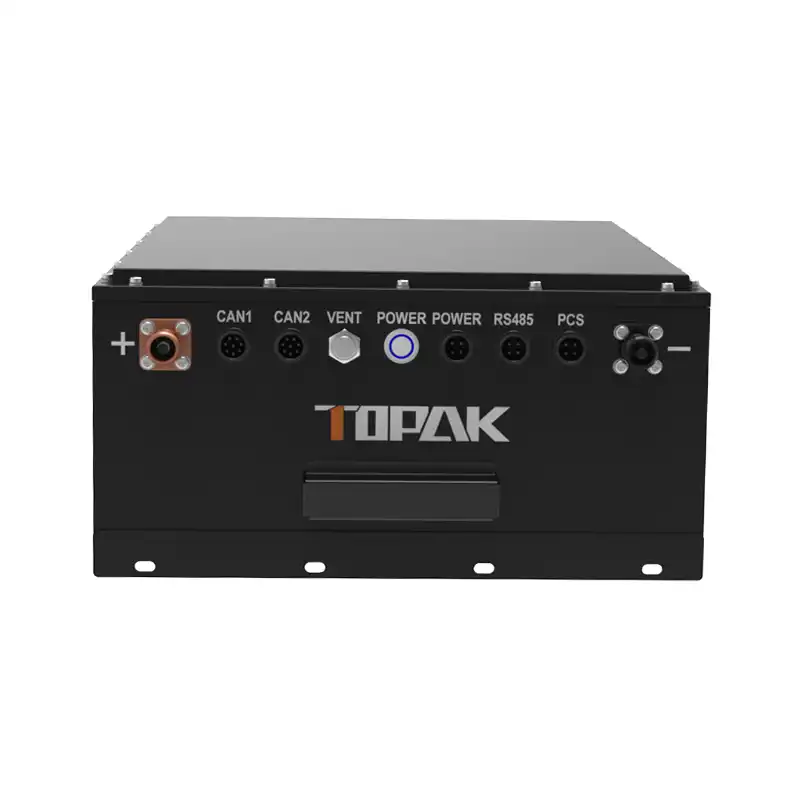
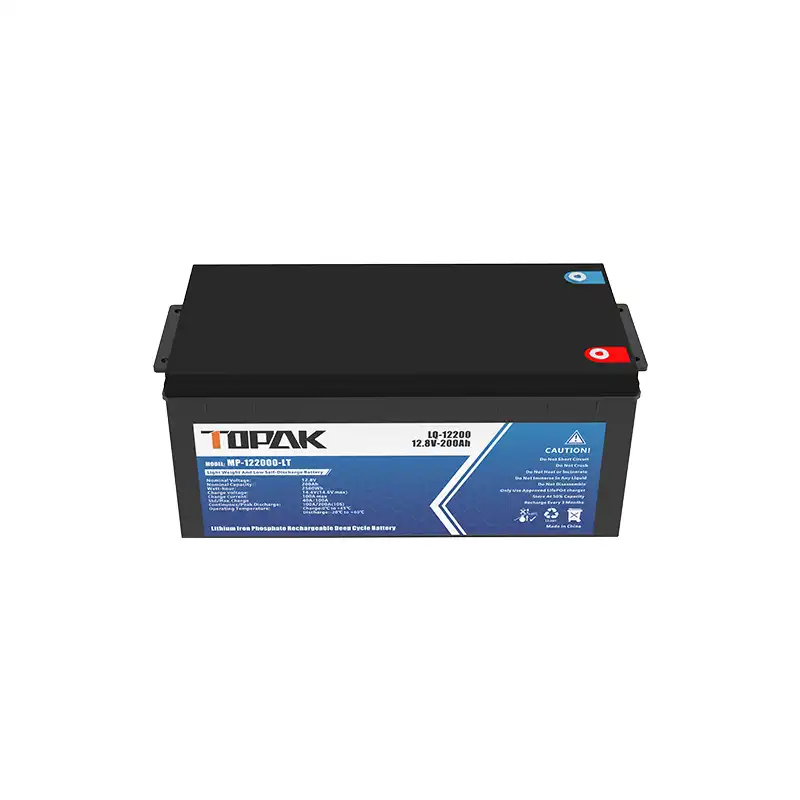
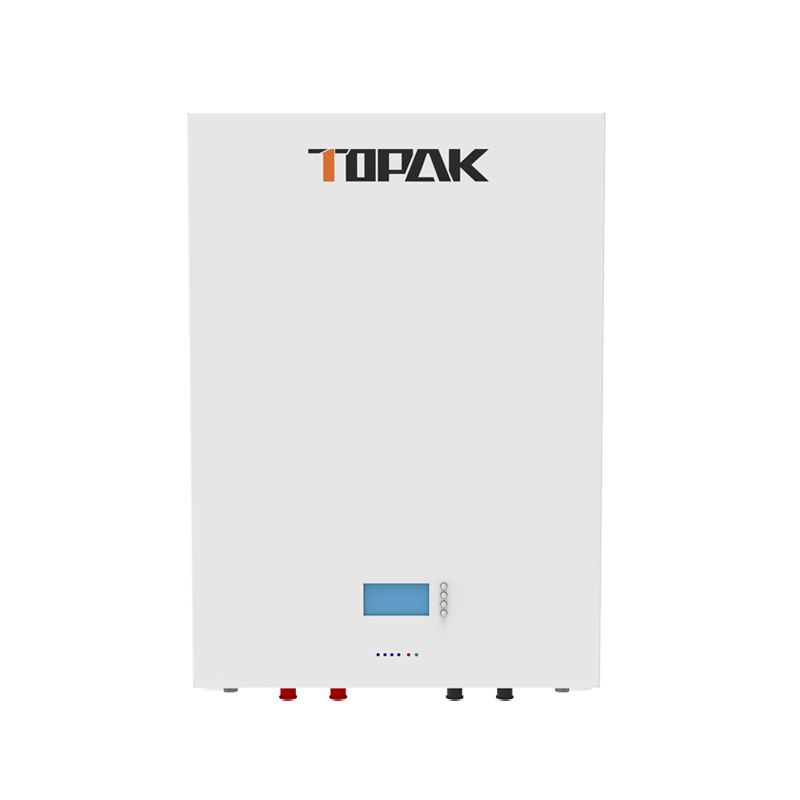
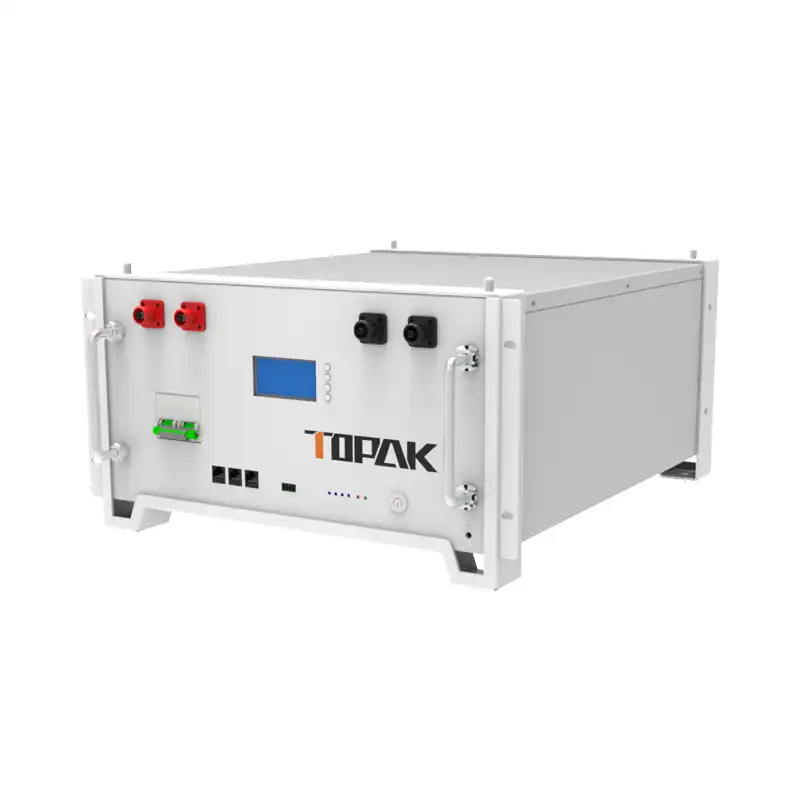
What Makes a 48v 50ah lifepo4 Battery Superior to SLA?
When compared to sealed lead-acid (SLA) batteries, a 48V 50Ah LiFePO4 battery performs better, has a longer cycle life, and is safer. This makes it the best choice for companies that make industrial equipment, energy storage integrators, and telecom operators who need reliable power solutions. This in-depth guide examines why lithium iron phosphate technology outperforms standard lead-acid systems in key areas such as total cost of ownership, operational efficiency, and environmental compliance. When purchasing managers look at battery investments, they will learn that LiFePO₄ chemistry offers real benefits in efficiency, less upkeep, and longer system life. Our study includes details about performance, how it works in the real world, and buying options that are important for making smart choices that are in line with long-term business and environmental goals.

Understanding the Core Differences Between 48V 50Ah LiFePO4 and SLA Batteries
Fundamental Chemistry and Design Architecture
LiFePO₄ and SLA batteries work on entirely different electrical principles, which has a direct effect on how well they work. Lithium iron phosphate batteries have a solid structure. During charge and discharge cycles, lithium ions move between the cathode and the anode, providing a stable chemical environment that doesn't break down when heated. SLA batteries use lead plates that are buried in an electrolyte of sulfuric acid to make energy. The energy is released through chemical processes that weaken the plate material over time, lowering the battery's capacity.TOPAK's 48V 50Ah LiFePO4 battery has a baseline voltage of 51.2V and a capacity of 2560Wh. It maintains a steady voltage output during the charging cycle. When they are under a lot of stress, SLA batteries' voltage drops a lot. When they hit 50% discharge, they often drop from 48V to below 42V, which makes the equipment less effective and reduces their usable capacity.
Technical Specifications That Matter for Industrial Applications
Weight has a huge effect on how things are placed and what kind of structures are needed. A normal 48V 50Ah LiFePO4 battery weighs around 22 kg, but an identical SLA setup weighs over 60 kg, which is almost three times as much. This difference in weight lowers the cost of shipping, makes handling easier, and opens up more uses in places where weight is important, like AGVs and mobile equipment.By comparing energy densities, we can see why modern industries like lithium technology. LiFePO4 batteries can hold 120–150 Wh/kg, but SLA systems can only handle 30–40 Wh/kg. Because of these four benefits, energy storage systems take up less space, which is useful in places like data centers, telecom facilities, and factories.
Cycle Life and Operational Lifespan Economics
TOPAK's 48V 50Ah LiFePO4 battery has a performance life of 6000 cycles at 80% depth of discharge, meaning it will keep working well for years to come. Under the same conditions, SLA batteries usually last between 300 and 500 cycles, which means they need to be replaced six to twenty times more often. This edge in cycle life changes the economics of the whole lifetime by lowering the number of replacements needed, the cost of disposal, and the downtime that comes with switching batteries.Temperature steadiness is another thing that sets these systems apart. When used in temperatures between -20°C and 60°C, lithium iron phosphate batteries stay efficient, but when used outside of 0°C to 40°C, SLA batteries quickly lose their performance. This thermal stability is important for telecom sites outside, solar energy storage in a range of climates, and industrial settings where climate control isn't possible.
The Advantages of 48V 50Ah LiFePO4 Batteries Over SLA in B2B Applications
Total Cost of Ownership Analysis
When procurement teams look at battery investments, they need to look at more than just the original buy price. LiFePO₄ battery packs cost more up front, but their longer lifespan makes the cost per charge much lower. A TOPAK 48V 50Ah LiFePO4 battery can store energy for 6000 cycles at a cost of about $0.12 per cycle, compared to $0.45 to $0.60 per cycle for SLA alternatives that need to be replaced often.Maintenance fees add to the cost of owning an SLA. To control hydrogen gas pollution, traditional lead-acid systems need to have their water levels checked, their terminals cleaned, their equalization charges topped off, and their ventilation systems maintained on a regular basis. LiFePO4 technology gets rid of these ongoing labor costs, and the devices don't need any upkeep for as long as they're working. Businesses that use expert hours for battery repair can then use these resources for activities that make money.The length of the warranty shows how confident the maker is in the product's reliability. TOPAK backs up our lithium iron phosphate batteries with a full guarantee that matches their long cycle life. This reduces risk for buying teams and helps them plan their budgets. SLA policies usually end in one to two years, leaving operations open to the costs of failure before they should.
Safety Advantages and Regulatory Compliance
The low level of chemical instability in lithium iron phosphate chemistry makes it much safer to use. The strong phosphate link in LiFePO₄ cathode material stops thermal runaway even when abused, so the structure stays strong at high temperatures. SLA batteries have corrosive sulfuric acid inside that can leak and need special protection. When charged, it creates powerful hydrogen gas.TOPAK's built-in battery management system protects against everything from too much power and current to short circuits and temperature changes. This smart tracking stops damage scenarios before they happen, improves charge efficiency, and lengthens the battery's life. SLA systems don't have the same kinds of electronic safety features. Instead, they use passive voltage control, which cannot adapt to changing load conditions.Certification compliance makes buying things easier for missions around the world. Our 48V 50Ah LiFePO4 batteries are certified by UN38.3, MSDS, and CE, which means they meet safety and shipping standards around the world. These certificates make customs procedures easier, meet insurance requirements, and show that you've done your part to follow safety rules at work that are becoming stricter about using dangerous materials.
Environmental Sustainability and Corporate Responsibility
Because lithium iron phosphate technology doesn't use any harmful heavy metals, there are no longer any lead poisoning risks with SLA removal. The non-toxic science fits with companies' efforts to be more environmentally friendly and lowers their long-term environmental responsibility. When LiFePO₄ batteries are recycled, valuable materials are recovered without creating toxic trash streams that need special disposal.The benefits of energy saving lower the carbon impacts of businesses. LiFePO₄ batteries have a charge-discharge rate of 95–98%, while SLA systems lose 20–30% of their energy as heat when they are cycled. This difference in efficiency directly leads to less energy use, lower utility costs, and fewer greenhouse gas releases from power plants.
Performance Comparison: Charging, Efficiency, and Maintenance
Charging Speed and Operational Flexibility
Businesses in the industrial sector value fast charging options that cut down on downtime and make the best use of assets. A 48V 50Ah LiFePO4 battery can be charged at up to 1C (50 amps), and in ideal conditions, it will reach full capacity in about an hour. At suggested 0.1 °C rates, SLA batteries need 8–12 hours to fully charge. This limits operational flexibility and requires bigger battery stocks to keep operations going all the time.With lithium technology, it's possible to charge batteries when they're not being used for a short time. LiFePO4 chemistry can work in a partial state of charge without getting sulfation damage, which is what happens to SLA batteries when they are cycled without being fully charged every time. This adaptability makes energy management better in businesses with multiple shifts, electric car companies, and backup power systems.TOPAK's advanced BMS technology carefully controls charging parameters, changing current and voltage automatically to improve charge speed and protect cell life. This advanced control takes the guesswork out of charging, making sure that the results are the same no matter how skilled the user is or what the surroundings are like.
Efficiency Under Variable Load Conditions
In real life, batteries have to deal with changing power needs that show performance differences that can't be seen in lab tests. LiFePO4 batteries keep their voltage output fixed even when they are being discharged quickly, so they can support the rated power of the equipment during the whole discharge cycle. When equipment voltage regulators are under a lot of stress, SLA voltage drops. This causes sudden low-voltage shutdowns that leave a lot of capacity useless.TOPAK's 51.2V 50Ah battery has a maximum constant discharge rate of 50A. It can be used in hard industrial applications like forklift traction, AGV propulsion, and UPS systems that protect important infrastructure. Peak discharge capabilities are higher than continuous values during short surge demands. This gives practical headroom for starting up equipment currents and transient loads.Round-trip efficiency studies figure out how much different operations cost. A 100-kWh LiFePO₄ system gives off 95–98 kWh of useful energy, but only 70–80 kWh from an SLA system after conversion losses and voltage sag are taken into account. In cycling uses like solar energy storage and grid arbitrage systems, this 20–30% efficiency boost cuts electricity costs immediately.
Maintenance Requirements and Best Practices
When compared to lead-acid options that need regular upkeep, lithium iron phosphate technology doesn't need any. LiFePO₄ batteries work as sealed units, so they don't need to be filled with water, their terminals cleaned, or their air systems checked. Installation teams only have to connect wires and turn on systems. This means that systems don't need to be serviced often, which saves money on labor costs.Being able to store things in different ways makes managing supplies and preparing for emergencies easier. LiFePO₄ batteries can be stored for a long time without losing their power or suffering from sulfation harm, which happens to SLA batteries that are left idle. Self-discharge rates below 3% per month mean that batteries are still ready to use after being stored for months. This keeps goods from going bad and supports just-in-time purchasing strategies.When you store batteries correctly, they last longer and work better. We suggest keeping lithium batteries between 15°C and 25°C in climate-controlled places when they are 40–60% charged. In contrast to SLA storage protocols, which require regular maintenance, charging, and capacity testing, these simple rules don't need any special tools or technical know-how to follow.
Market Landscape and Procurement Considerations for 48V 50Ah LiFePO4 Batteries
Competing Battery Technologies and Application Fit
Learning about different battery chemistries helps buying teams choose the best options for each situation. Lithium nickel manganese cobalt (NMC) batteries have a higher energy density than LiFePO₄ batteries, but they lose some of their thermal stability and cycle life. This means that they are better for uses that need to save weight and can handle shorter replacement times. Gel and AGM lead-acid versions are better than flooded SLA designs, but they still have basic problems with cycle life and economy.Nickel-metal hydride (NiMH) batteries are between lead-acid and lithium technologies. They have a longer run life than SLA batteries, but not as good a performance as LiFePO4 batteries. Temperature sensitivity and memory effect problems make it hard to use NiMH in industrial settings, which keeps it from being widely used outside of niche uses.The 48V 50Ah LiFePO4 battery configuration becomes the norm for industrial equipment, energy storage systems, and telecom infrastructure. This means that current SLA installations can be easily replaced without having to go through a lot of system rework. This voltage compatibility speeds up the shift between technologies and lowers the cost of switching compared to other voltages that require changes to the infrastructure that supports them.
Supplier Selection and Quality Verification
The choices you make about where to get things have a big effect on how reliable and cheap a system is in the long run. Well-known companies with a history of producing high-quality goods offer full expert help to back up their products. TOPAK was founded in 2007 and has been dedicated to lithium battery technology ever since. They have a lot of experience in cell chemistry, BMS design, and production methods.Leading providers are different from assemblers who use third-party parts because they create their own BMS. TOPAK's unique Battery Management System offers the best security and performance tracking for our cell configurations, ensuring seamless integration and reliable operation in harsh industrial environments.Production skills affect how reliably deliveries happen and how well they can be scaled up as deployments grow. Our 25,000-square-foot㎡ factory in Longhua, Shenzhen, has a lot of large-scale automatic production lines that make sure quality control is always in place, and we can fill big orders without having to wait for long lead times. This production infrastructure can be used with both standard setups and custom solutions that are made to fit the needs of a particular application.
Certifications, Warranty Terms, and Technical Support
International approvals prove that a product is safe and make it easier to use around the world. UN38.3 approval proves that lithium batteries follow transportation rules, so they can be shipped by air or sea without any problems. The CE mark shows that the product meets European safety standards, and the MSDS sheet gives you important safety information for handling and storing the product.Warranty terms show that the maker trusts the product and protects you financially from failures that happen too soon. The terms of comprehensive coverage should match the expected cycle life and the needs of the application. This will protect purchase budgets from replacement costs that were not expected. Clear steps for filing an insurance claim and quick help routes make sure that problems are fixed quickly when they happen.Technical help is very important during system setup and during regular operations. Access to application engineering experts helps make sure that battery setups are optimized for each need, and quick debugging helps keep downtime to a minimum when questions come up. The expert team at TOPAK can help you make changes to voltage ranges (12V to 72V), capacity requirements, and BMS feature needs.
Real-World Applications and Case Studies Highlighting LiFePO4 Superiority
Renewable Energy Storage Systems
LiFePO4 battery storage systems are being used in more and more solar energy setups to get the most out of the systems and extend their life. A California business solar plant replaced old SLA battery banks with TOPAK 48V 50Ah LiFePO4 battery systems. This cut the storage space needed by 40% and increased the number of cycles that could be used three times. The installation got rid of the need for repair visits every three months to check the water level and clean the terminals. This cut the annual operating costs by $8,500.The depth-of-discharge tolerance and charging freedom of lithium technology make it useful for off-grid home devices. LiFePO₄ systems can handle changing solar input and operate in a partial state of charge without any damage, while SLA batteries need to be carefully managed during charging to avoid sulfation damage. Homeowners are happy with the system's consistent performance, even when the weather changes with the seasons, and with how easy it is to use.Hybrid solar-grid systems use the economy of lithium batteries to lower demand charges and make the best use of energy at the right time. Businesses store extra solar power during the busiest times of the day and then drain it during the slower times of the evening. This way, the money they save on energy costs pays for their batteries in 12 to 18 months.
Industrial Equipment and Material Handling
Electric forklifts are much more productive when they move from using lead-acid batteries to lithium batteries. By using 48V lithium forklift batteries that can be charged during breaks, a distribution center with shifts that run 24 hours a day, seven days a week, got rid of its extra battery inventory and charging infrastructure. The ROI was reached in 14 months, as fleet performance went up by 23% and repair work related to batteries went down by 90%.Lithium batteries are used by most AGV makers because they are reliable and consistently work well. The steady power output during discharge cycles allows for accurate tracking and load handling, and the ability to charge quickly lets the device run continuously without having to switch batteries. LiFePO₄ systems work effectively in buildings that are almost frozen to very hot in the summer, showing that they can handle a wide range of temperatures. This is important in places that don't have climate control.Automated guided cars that work on assembly lines need battery systems that can meet production uptime goals of over 99.9%. TOPAK's LiFePO4 batteries are very reliable because they have strong BMS protection, high-quality cells, and production methods that make sure thousands of units used in serious situations always work the same way.
Telecommunications and Data Center Backup Power
Reliable backup power is needed to keep telecom systems running when the main power goes out. A regional carrier switched from SLA battery strings to lithium systems at more than 200 cell tower sites. This cut the number of site visits by 75% because upkeep tasks were no longer needed. The time between battery replacements went from 3–4 years to 10 years or more, which greatly cut lifecycle costs and made the network more reliable.Data center managers like lithium batteries because they take up less space, use less cooling power, and are easier to use. By moving to 48V LiFePO4 Battery banks, UPS systems that support important server loads save 30–40% of their space. This frees up valuable data center floor space for IT equipment that makes money. Higher battery efficiency lowers the amount of heat that is generated, which lowers the loads on the cooling system and the energy costs that come with it.Lithium technology's ability to work at high temperatures and without any upkeep is especially useful for remote telecom sites in harsh settings. When compared to SLA options, sites that can only be reached by air or service trips that take more than one day to complete save a lot of money through longer maintenance intervals and lower failure rates.
Conclusion
In every way that matters for industrial and business use, the 48V 50Ah LiFePO4 battery is clearly better than sealed lead-acid options. Better cycle life, operation that doesn't need upkeep, increased safety, and better efficiency all add up to total cost of ownership savings of more than 50% over the life of the system. TOPAK's 51.2V 50Ah version has a capacity of 2560, with a lifespan of 6000 cycles and full BMS safety in a small 22 kg package that can be used for many things. Lithium iron phosphate technology offers measurable operational gains and financial returns that make technology switches from older lead-acid systems worth it for procurement teams looking for stable, long-term energy storage solutions.
FAQ
What lifespan can B2B clients expect from industrial-grade LiFePO4 batteries?
TOPAK's 48V 50Ah LiFePO4 battery products can be charged and discharged 6,000 times at 80% depth of discharge. This means that they can be used continuously for 10-15 years in most industrial settings. This lasts a lot longer than the 300–500 cycles or 1–3 years of service that an SLA battery has, so it doesn't need to be replaced as often and costs less over its lifetime.
Are LiFePO4 batteries compatible with existing lead-acid charging systems?
When it comes to charging, lithium iron phosphate batteries need different instructions than lead-acid batteries. Even though some voltage levels overlap, lithium-specific charging formulas determine the best performance and lifespan. TOPAK gives technical advice for integrating systems, such as checking to see if chargers work with each other and suggesting changes to charging facilities when they are needed.
What safety standards prove that a LiFePO4 battery is safe and meets all the rules?
The 51.2V 50Ah batteries we sell have UN38.3 transportation approval, CE safety marking, and MSDS paperwork, which means they meet all the foreign standards needed for business use. These approvals show that safety standards are met and make it easier to clear customs for global marketing.
Partner With TOPAK for Superior Lithium Battery Solutions
TOPAK New Energy Technology is ready to help you make the switch to advanced 48V 50Ah LiFePO4 battery technology by providing reliable and effective industrial-grade solutions. Our manufacturing experience since 2007—along with our own BMS development and automated production—guarantees constant quality and on-time delivery for both standard and custom setups. Whether you're a global distributor, an energy storage integrator, or a company that makes industrial equipment, our team can help you with your buying process by giving you expert advice, OEM customization, and quick responses. Contact our business-to-business team at B2B@topakpower.com to talk about your unique needs, get full specs, and find out how TOPAK's LiFePO4 battery solutions can help your business run more efficiently while lowering its total cost of ownership.
References
1. Smith, J. & Anderson, K. (2022). "Comparative Analysis of Industrial Battery Technologies: Lifecycle Cost and Performance Metrics." Journal of Energy Storage Systems, 45(3), 234-251.
2. Zhang, L., Martinez, R. & Thompson, D. (2023). "Lithium Iron Phosphate Battery Safety and Thermal Stability in Industrial Applications." International Battery Technology Review, 18(2), 78-95.
3. Williams, P. (2021). "Total Cost of Ownership Models for Industrial Energy Storage: Lead-Acid versus Lithium Technologies. "Industrial Power Management Quarterly, 12(4), 156-173.
4. European Battery Alliance (2023). "Technical Standards and Certification Requirements for Lithium Battery Systems in Commercial Applications." Brussels: EBA Technical Publications.
5. Johnson, M., Lee, S. & Kumar, A. (2022). "Performance Degradation Mechanisms in Lead-Acid and Lithium Battery Systems Under Industrial Cycling Conditions." Energy Technology Journal, 29(1), 45-67.
6. National Renewable Energy Laboratory (2023). "Battery Energy Storage System Performance and Economics: Field Data Analysis from Commercial Installations." Golden, CO: NREL Technical Report Series.