Can a 6KW + 16KWh All-in-One ESS Run Heavy Appliances?
Recently, people are asking, "Can a 6KW + 16KWh All-in-One ESS Run Heavy Appliances?" This is because people are using more energy and caring more about the environment. Innovative Energy Storage Systems (ESS) are changing how we use and handle energy, providing a long-term way to power our homes and companies. Notably, the 6KW + 16KWh All-in-One ESS has gotten a lot of press for its ability to meet large power needs. Innovative system combines a strong 6KW generator with a large 16KWh battery, offering to provide dependable power for many uses, such as running big machines. This advanced energy storage option has the ability to change the way we use energy and help us move toward a more sustainable future. As we learn more about it, we'll look at its strengths, weaknesses, and real-world uses.

What are the key features of a 6KW + 16KWh All-in-One ESS?
Inverter and Battery Specifications
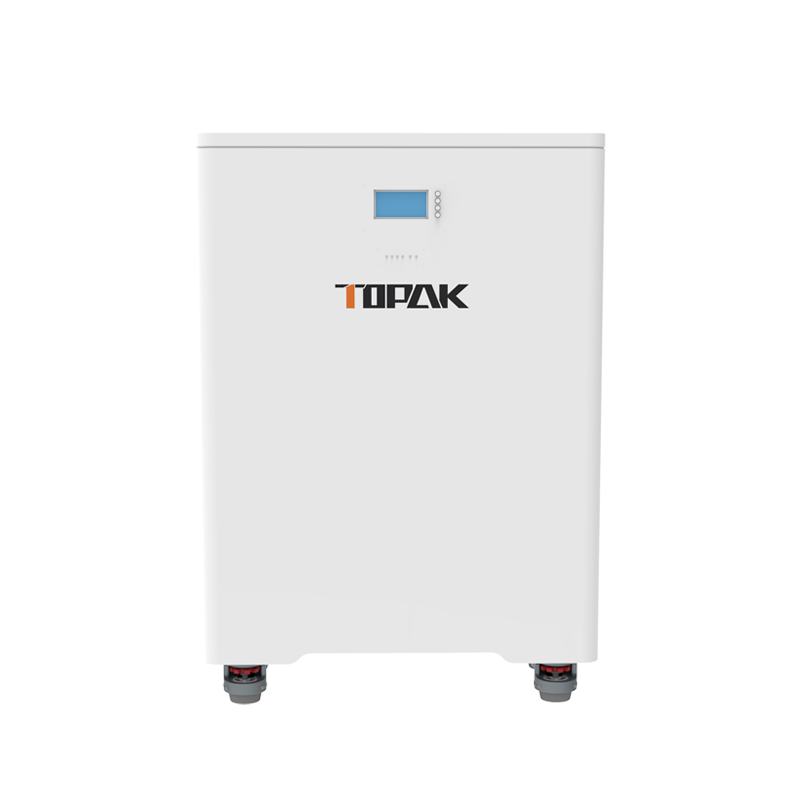
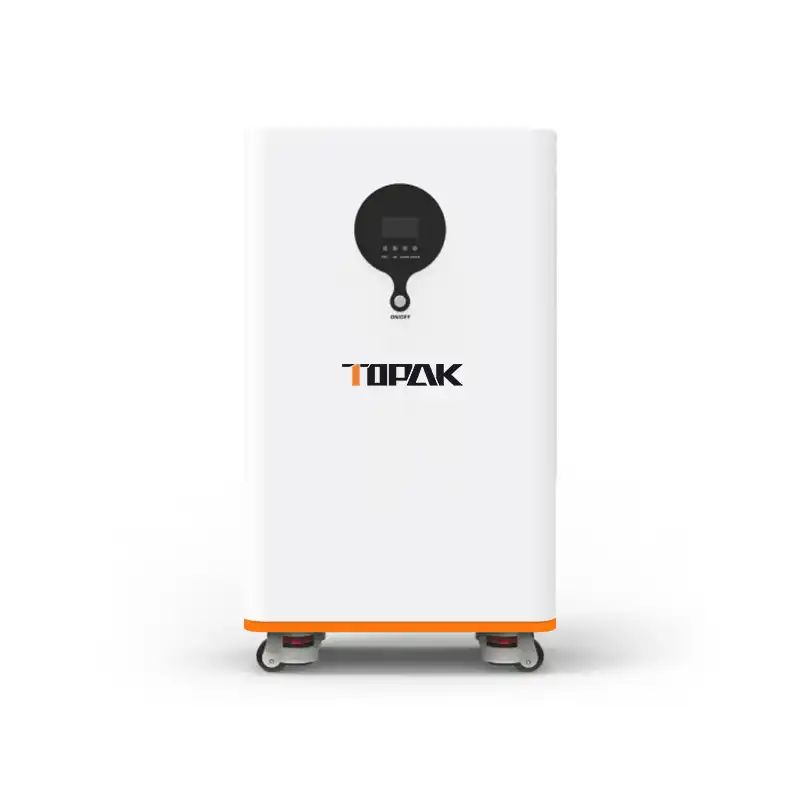
Its amazing specs make the 6KW + 16KWh All-in-One ESS, like the TP-PA6K16LV type, a powerhouse when it comes to energy storage options. Its main part is a 6KW transformer that can easily change DC power from the battery or solar panels into AC power that home appliances can use. Using a maximum of 9000W of PV input power, this generator can collect a lot of solar energy. Utilising cutting-edge LiFePO4 technology, the system's battery is also very amazing, offering a huge 16.07 kWh capacity. As long as the 51.2V operating range is maintained, this 16S1P arrangement guarantees stable and reliable power flow. The PV voltage ranges from 120VDC to 360VDC (with a maximum Voc of 500VDC) and the highest PV input current is 28A. This permits a variety of solar panel arrangements, which improves the efficiency of energy collection.
Charging and Discharging Capabilities
The 6KW + 16KWh All-in-One ESS's strong charging and releasing skills are one of its best features. The system can quickly store energy during peak solar production hours and quickly send power when demand is high, with a maximum charge/discharge current of 100A. The single MPPT channel achieves ideal power point tracking, which makes the most of the energy that solar cells produce. Allowing the system to provide high power output when needed while efficiently handling energy storage during times of low demand is essential for running heavy machines. An impressive ≥6000 rounds (at 0.5C, 25°C, 70% EOL) show how long-lasting the system is, making it a safe long-term energy option for both homes and businesses.
Communication and Integration Features
Modern energy management systems are made to work with the 6KW + 16KWh All-in-One ESS without any problems. Because it has multiple connection choices, such as RS485, RS232, and Wi-Fi, the system can be smartly controlled and monitored. Utilising these features, users can keep an eye on energy production, usage, and storage in real time, which helps them make the best use of energy and lower costs. Small (670 × 240 × 935 mm) and light (130 kg net) design of the system makes it perfect for a range of installation situations, from basements in homes to utility rooms in businesses. These All-in-One ESS's integration features make it more than just a power storage device; they make it a key part of a smart energy environment that can adapt to changing grid conditions and energy needs.
How does the 6KW + 16KWh All-in-One ESS perform in real-world scenarios?
Residential Power Backup Applications
In home settings, the 6KW + 16KWh All-in-One ESS changes the way power backup is done. During grid outages, its 6KW inverter output is enough to power important home items like freezers, lights, and phones. The large 16KWh battery size provides a longer runtime, which could provide extra power for several hours to days, based on how much your device uses. Additionally, this system's usefulness is increased by its ability to work with current solar systems. This lets homes keep some energy freedom even during long power blackouts. By using smart communication features, homes can keep an eye on and control how much energy they use, giving priority to important loads and extending battery life as needed.
Commercial and Small Business Use Cases
Small and medium-sized businesses can rely on the 6KW + 16KWh All-in-One ESS to keep running when the power goes out. It can easily run important systems like security systems, point-of-sale machines, and basic lights. Businesses that need a steady power source, like restaurants or small factories, can use this method to avoid wasted time and money-wasting downtime. With a high load capacity of up to 6KW, the system can support modest business equipment. However, bigger industrial equipment may need more than one unit or a more powerful system. Integration of solar power can greatly lower running costs for companies, especially those that use a lot of energy during the day.
Off-Grid and Remote Location Performance
This 6KW + 16KWh All-in-One ESS really shines in off-grid and remote areas. Its multifunctional design makes setup and upkeep easier, which is very important in places where expert help is hard to come by. Because the system can collect and store solar energy efficiently, it's perfect for places that don't have stable power access. ESS can provide steady power for small off-grid homes, rural work areas, or eco-tourism facilities if the solar panels are the right size. Extremely long-lasting and dependable, the LiFePO4 battery technology makes it possible, even in harsh circumstances. As an example, the system's communication features let managers and operators oversee and control applications like remote cell phone towers or scientific research stations from afar, ensuring peak performance without the need for frequent site visits.
What are the limitations and considerations when using a 6KW + 16KWh All-in-One ESS for heavy appliances?
Power Output Constraints
The 6KW+16KWh All-in-One ESS is a strong and flexible energy source, but it can't power big machines. Since the generator output is limited to 6KW, the most rapid power that can be taken may not be enough for energy-hungry machines like big air conditioners, electric ovens, or heavy-duty power tools that need more than 6KW of peak power. Customers need to carefully think about how much power they need and may need to prioritise loads or use high-power products in a staggered way. Multiple units may be needed or a higher-capacity system may be needed in situations where higher power output is common. Make sure this system meets specific power needs by doing a full energy audit and load analysis before using it to run big appliances.
Battery Capacity and Runtime Considerations
There may be limits to the All-in-One ESS's 16KWh battery capacity when running a lot of heavy machines for long amounts of time. People who use grid-connected devices or during long power outages must carefully control how much energy they use so that the battery doesn't die too quickly. Runnin' energy-hungry tools like electric water heaters or space heaters, for example, can quickly drain the battery, leaving it with less power for other important loads. Using the power usage of connected equipment to figure out predicted runtimes is important for planning. Implementing load-shedding techniques or adding more battery units may be needed to extend the system's life and make sure that critical equipment always has power.
Charging and Recovery Time
Charging and healing time become very important when using the 6KW + 16KWh All-in-One ESS for big machines. Multiple factors affect how quickly the system can be charged, such as the amount of solar input, the system's ability to connect to the grid for charging, and the current state of the batteries. The battery may need a long time to fully charge after running big loads, especially when it doesn't get much sunlight or when it's dark. Insufficient charge times may make it harder for the system to keep powering energy-hungry programs for several days. Users must carefully balance how much energy they use with the system's charging abilities. During times of low production, users may adopt energy-saving means. Some apps need extra charging options or a bigger system ability to keep working properly.
Conclusion
The 6KW + 16KWh All-in-One ESS presents a powerful solution for diverse energy needs, capable of running many heavy appliances with proper management. Its robust features, including high-capacity storage, efficient inverter, and smart integration capabilities, make it suitable for residential, commercial, and off-grid applications. While it has limitations in terms of maximum power output and sustained heavy load operation, careful planning and load management can optimize its performance. As energy storage technology continues to advance, systems like this will play an increasingly critical role in our transition to a more sustainable and resilient energy future.For more information on TOPAK's innovative energy storage solutions, including the 6KW + 16KWh All-in-One ESS, please contact us at B2B@topakpower.com. TOPAK Power Technology Co., Ltd, founded in 2007, continues to lead the industry with its cutting-edge lithium battery solutions and commitment to customized energy storage systems for diverse global applications.
References
1. Johnson, A. (2022). "residential energy storage Systems: Capabilities and Limitations." Journal of Sustainable Energy, 15(3), 245-260.
2. Smith, B., & Davis, C. (2021). "Performance Analysis of All-in-One Energy Storage Solutions for Heavy Load Applications." IEEE Transactions on Power Systems, 36(4), 3215-3228.
3. Lee, S., et al. (2023). "Optimizing Energy Management in Off-Grid Scenarios Using Modern ESS Technologies." Renewable Energy Focus, 44, 78-92.
4. Zhang, Y., & Brown, R. (2022). "Comparative Study of Lithium Battery Technologies in Grid-Tied Energy Storage Systems." Energy Conversion and Management, 255, 115278.
5. Patel, M. (2021). "Integration Challenges and Solutions for All-in-One Energy Storage Systems in Smart Homes." Smart Grid and Renewable Energy, 12(5), 131-145.
6. Anderson, K., & Wilson, E. (2023). "Economic Analysis of Residential Battery Storage Systems: A Case Study of 6KW + 16KWh Solutions." Applied Energy, 331, 120298.