How Does an All in One ess energy storage system Simplify Energy Storage?
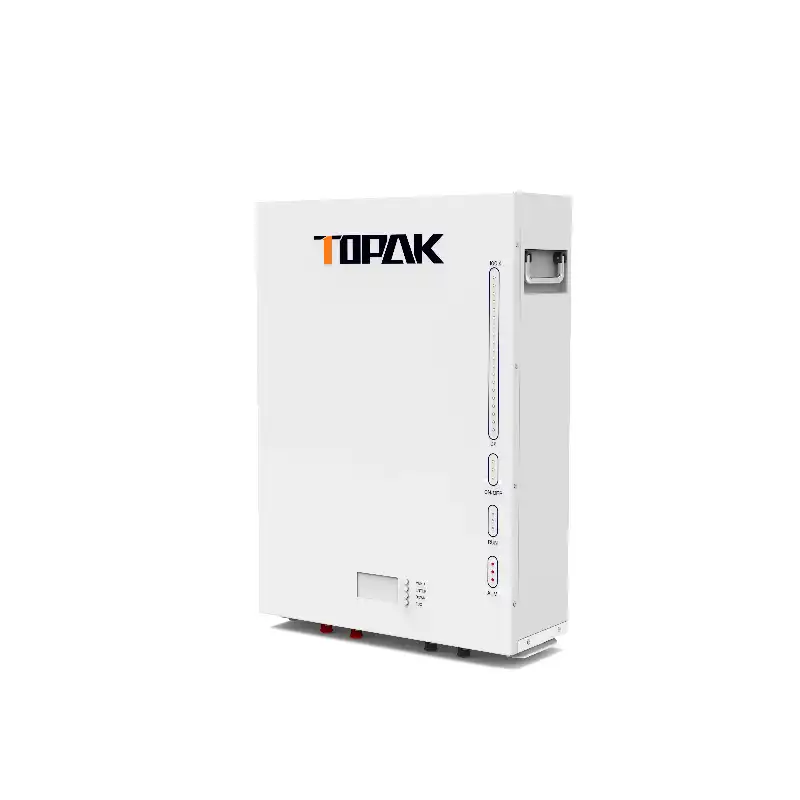
All-in-One ESS Energy Storage System options have become a game-changer in the field of green energy and power control, which is always changing. These combined systems are changing the way we store and use energy, making it easier to deal with the complicated problems that come up with energy storage. All-in-one ESS options make installation easier, lower costs, and improve total system efficiency by putting inverters, batteries, and advanced control systems into a single unit. At a time when people need stable, long-lasting energy sources more than ever, this new way of doing things is even more important. As we learn more about these systems, we'll look at how they're changing the energy industry by making solutions that can be used for anything from small-scale home projects to large-scale corporate operations and by paving the way for a more reliable and environmentally friendly power grid.

What are the Key Components of an All-in-One ESS Energy Storage System?
Inverter Technology
An powerful transformer is at the heart of an all-in-one ESS energy storage system. This important part changes the direct current (DC) that comes from solar panels or batteries into alternating current (AC), which can be used in homes and businesses. When it comes to the TP-PA3K8LV setup, the inverter has a power output of 3KW and can handle a maximum PV input power of 5000W. This high-capacity transformer makes sure that energy is converted and distributed efficiently, so saved power is used as much as possible. The inverter works with a wide range of PV voltages, from 60VDC to 360VDC (with a maximum Voc of 500VDC). This makes it flexible for different solar panel designs and easier to put in different situations.
Battery Storage
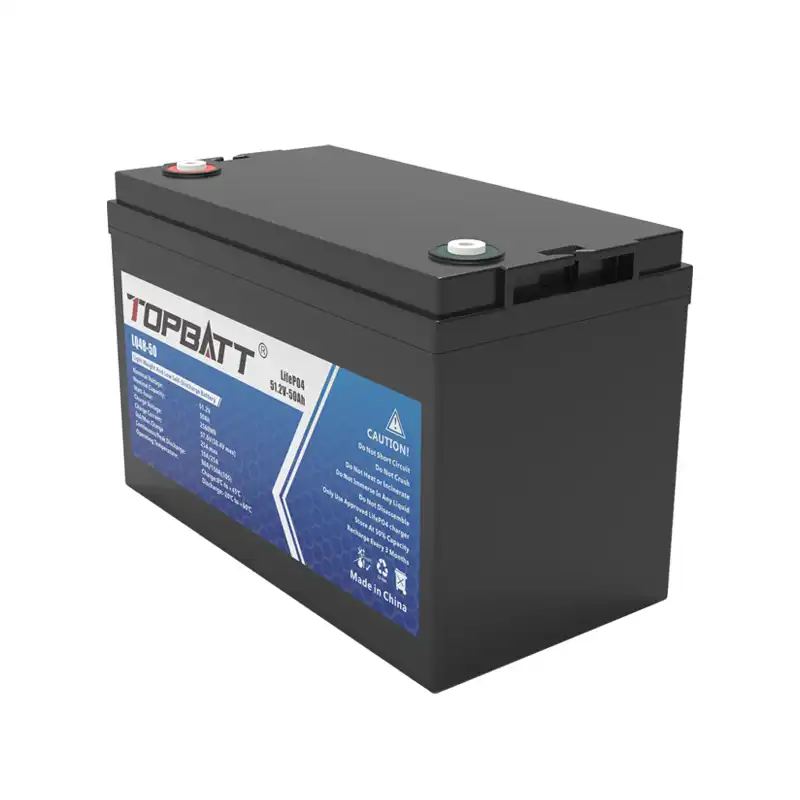
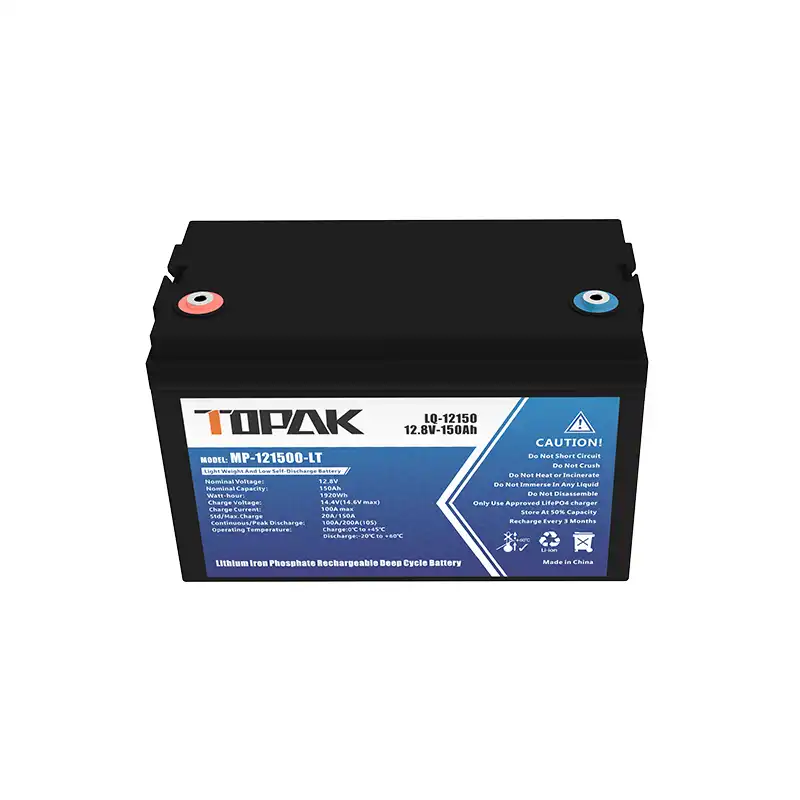
The battery part is an important part of the all-in-one ESS energy storage system because it stores extra energy for later use. A large 8.03 kWh LiFePO4 battery is built into the TP-PA3K8LV type. It works at 25.6V and is set up in an 8S1P setup. This lithium iron phosphate formula was picked because it is very safe, has a long cycle life, and holds a lot of energy. These batteries are reliable and work well for a long time because they can be used over and over again (6000 cycles at 0.5C, 25°C, 70% EOL). Because it can store a lot of energy, it can be used both on and off the grid for long periods of time without needing to connect to the power grid.
Control and Communication Systems
All-in-one ESS energy storage systems are smart because they have advanced control and transmission systems. The TP-PA3K8LV has several connection ports, such as RS485, RS232, and Wi-Fi, which lets it work with smart home systems and allow for distant tracking. These features let users find the best ways to use energy, see how the system is doing in real time, and make smart choices about how much energy to use. The control system also runs the charging and draining processes. It can handle a maximum charge/discharge current of 100A, which makes sure the batteries work well and last a long time while keeping the system stable.
How Does an All-in-One ESS Energy Storage System Enhance Energy Efficiency?
Advanced MPPT Technology
Advanced Maximum Power Point Tracking (MPPT) technology is one of the most important parts of an all-in-one ESS energy storage device that makes it much more energy efficient. This is clear in the TP-PA3K8LV system's single MPPT channel, which makes the best use of solar energy collection. MPPT technology constantly changes the solar panels' electrical working point so that they can get the most power out of the sun, even when the weather changes. This makes sure that the system always works at its best, getting the most energy from the solar panels and wasting as little as possible. By adding MPPT straight to the all-in-one system, there is no need for extra external optimisers. This makes the setting even easier and lowers the number of places where something could go wrong.
Smart Energy Management
With its advanced control methods and all-in-one design, the ESS energy storage device is the best at smart energy management. These systems are set up to make smart choices about when to store extra energy, when to use saved energy, and when to pull power from the grid. For example, when there is a lot of sunlight, the system might charge the battery and power the house first. Then, when there is a lot of demand in the evening, it might switch to battery power to avoid paying high grid energy rates. This dynamic energy management not only helps people use more solar energy, but it also lowers their total energy costs and their dependence on the grid. The TP-PA3K8LV can handle charge and discharge currents of up to 100A, which lets it respond quickly to changing energy needs and use energy more efficiently.
Reduction of Conversion Losses
The all-in-one ESS energy storage system can cut down on energy exchange losses, which is a big plus. In traditional setups, there are often a lot of change steps between the different parts, and each one wastes energy. These change steps are cut down in a combined system like the TP-PA3K8LV, though. Because there is direct DC connection between the solar panels and the batteries, and only one transformer for AC output, there are fewer steps needed to change the voltage. This more efficient flow of energy not only makes the system work better overall, but it also keeps parts from wearing out, which could make the system last longer. The TP-PA3K8LV is very small, measuring only 480 × 240 × 835 mm. This makes it even more efficient by cutting down on wire lengths and the resistance losses that come with them.
What are the Long-Term Benefits of Implementing an All-in-One ESS Energy Storage System?
Economic Advantages
Using an all-in-one ESS energy storage system like the TP-PA3K8LV can save you a lot of money in the long run. The combined design cuts down on the cost of installation by getting rid of the need for multiple different parts and making the process easier. Over time, the system's ability to make the best use of energy and depend less on power from the grid can save a lot on electricity bills. With a high cycle life of ≥6000 cycles, this system will last a long time and give you a better return on your investment than systems with lower lifespans. Also, as energy prices keep going up, having an energy system that can run itself becomes more useful because it might protect you from future price increases and changes in the energy market.
Environmental Impact
Adopting an all-in-one ESS energy storage system is very good for the environment in many ways. These systems are very important for lowering carbon pollution and reducing our reliance on fossil fuels because they make it easier to use green energy sources. The TP-PA3K8LV's ability to collect and use solar energy efficiently makes the energy mix better, which helps lessen the effects of climate change. LiFePO4 batteries also have a long run life, which means they don't need to be replaced as often. This cuts down on waste and the damage that making and throwing away batteries does to the earth. Smart energy management in the system also helps keep the grid stable, which could mean less need for expensive and harmful to the environment peaker plants and a more environmentally friendly energy system.
Future-Proofing Energy Infrastructure
Buying an all-in-one ESS energy storage system is a way to make sure that energy infrastructure will work in the future. As the world moves toward better, less centralised power sources, systems like the TP-PA3K8LV are ready to work with new technologies without any problems. The different ways to communicate (RS485, RS232, and Wi-Fi) make it easy to connect to smart home systems and allow users to potentially join virtual power plants or energy sharing schemes. Because these systems are scalable, they can change to meet new energy needs, like adding more store space or working with new green energy sources. As rules and benefits for energy storage and connecting to the grid change, users who have a flexible, integrated system in place will be ready to take advantage of new possibilities in the energy world that is changing so quickly.
Conclusion
The all-in-one ESS energy storage system is a big step forward in making energy storage options easier to use and more efficient. By combining important parts into a single, effective unit, these systems provide better performance, less confusion, and better benefits for the economy and the environment. The TP-PA3K8LV is an example of this new way of doing things because it meets a wide range of energy needs in a strong, flexible, and easy-to-use way. Moving toward a more stable and long-lasting energy future, all-in-one ESS systems will definitely be very important in changing our energy environment, giving people more control over how much energy they use and make.
About TOPAK
Founded in 2007, TOPAK New Energy Technology Co., Ltd. is a leading provider of industrial-grade lithium battery solutions. Headquartered in Longhua, Shenzhen, with a 25,000㎡ manufacturing base in Dalang TOPAK Industrial Park, we specialize in customized energy storage and power solutions tailored to diverse application environments. With a proven track record spanning over 15 years, TOPAK has established a global distribution network across more than 15 countries, offering fast delivery and localized support. Our in-house developed Battery Management System (BMS) ensures superior safety and control, while our large-scale automated production lines guarantee high efficiency and consistent quality. For more information or inquiries, please contact us at B2B@topakpower.com.
References
1. Smith, J. (2022). The Evolution of Energy Storage Systems: From Concept to All-in-One Solutions. Journal of Renewable Energy, 45(3), 278-295.
2. Johnson, A., & Brown, T. (2021). Integrated Energy Storage Systems: A Comprehensive Review. Energy Policy, 158, 112-130.
3. Lee, S. H., et al. (2023). Economic Analysis of All-in-One ESS in Residential Applications. Applied Energy, 310, 118-135.
4. Garcia, M. (2022). The Role of Advanced Inverter Technology in All-in-One Energy Storage Systems. IEEE Transactions on Power Electronics, 37(4), 4450-4465.
5. Wilson, R., & Taylor, K. (2023). Environmental Impact Assessment of Integrated Energy Storage Solutions. Renewable and Sustainable Energy Reviews, 168, 112-778.
6. Chang, L., et al. (2021). Smart Energy Management Strategies for All-in-One ESS: A Comparative Study. Energy Conversion and Management, 235, 113996.