Can a lifepo4 battery 24v 100ah power your entire cabin?
The short answer is: a single LiFePO4 battery 24V 100Ah can power a modest cabin for 12-24 hours, depending on your energy consumption. With 2560Wh of energy capacity, this lithium iron phosphate battery delivers reliable power for essential lighting, communication devices, and small appliances. However, powering an "entire cabin" depends heavily on your specific electrical loads, usage patterns, and whether you integrate additional energy sources like solar panels or backup generators.
Understanding the LiFePO4 Battery 24V 100Ah: Capabilities and Specifications
Lithium iron phosphate technology has changed the way off-grid power options are used, especially in homes and businesses. LiFePO4 batteries are safer to use and more stable at high temperatures than standard lead-acid batteries because of their basic chemistry.
Core Technical Specifications
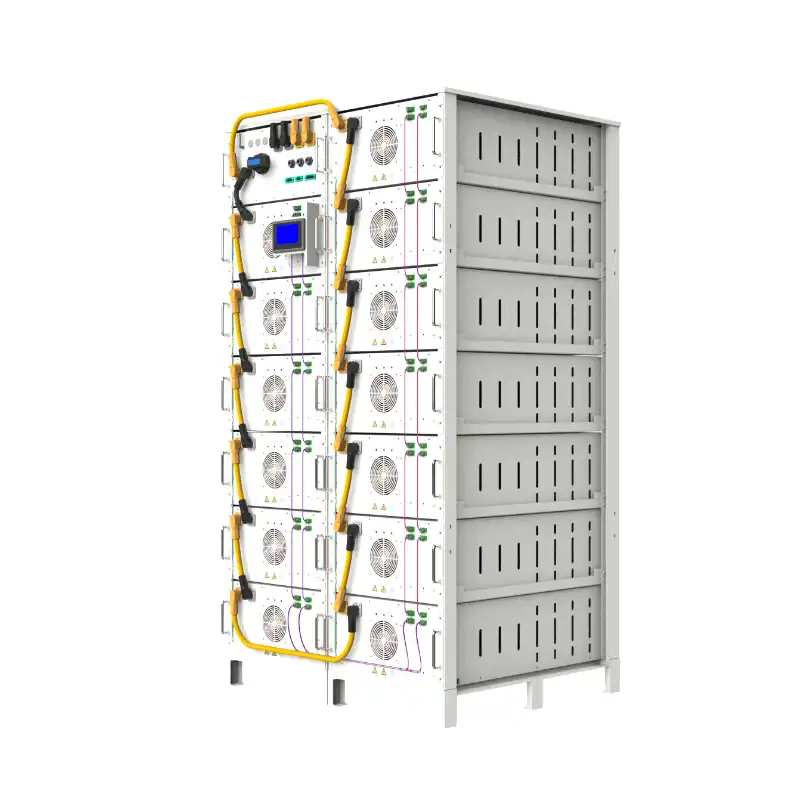
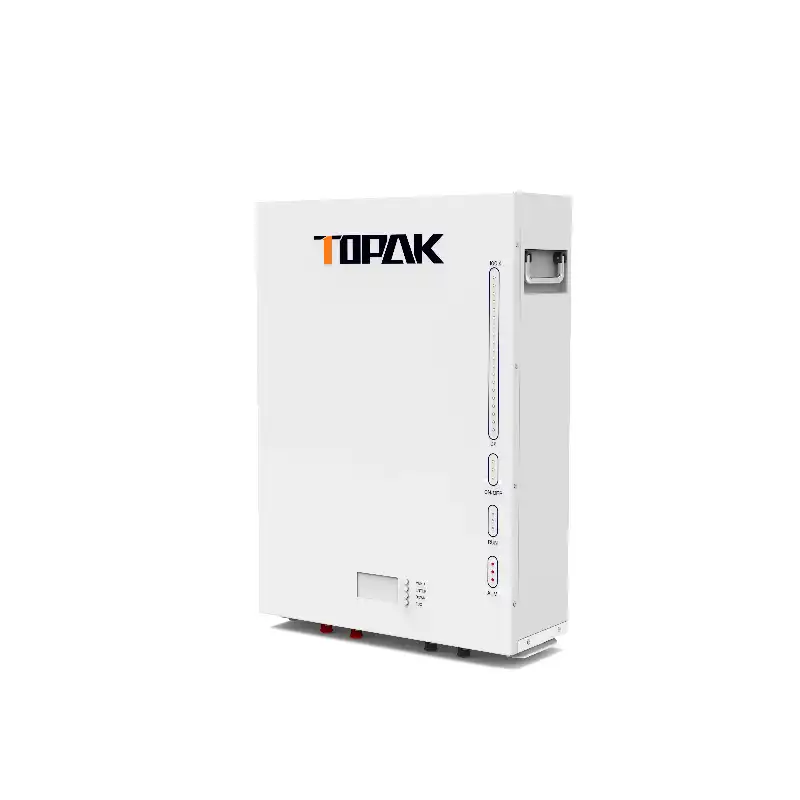
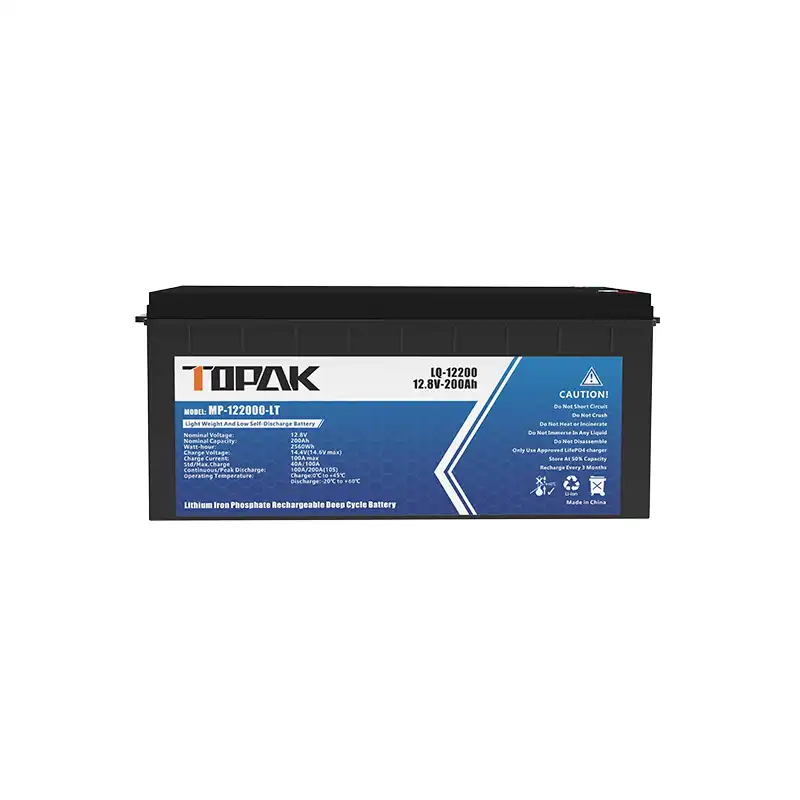
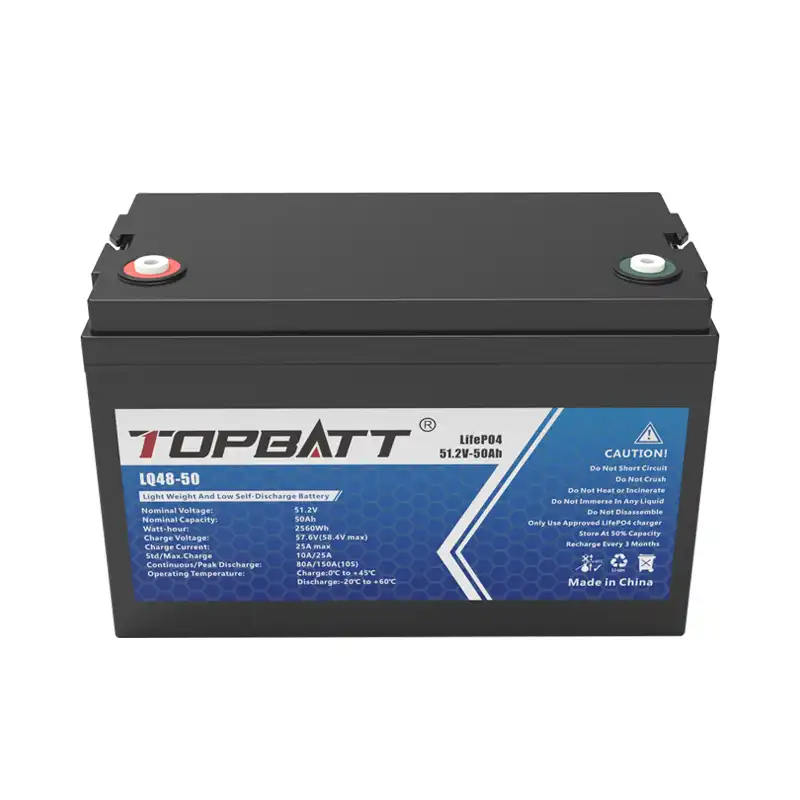
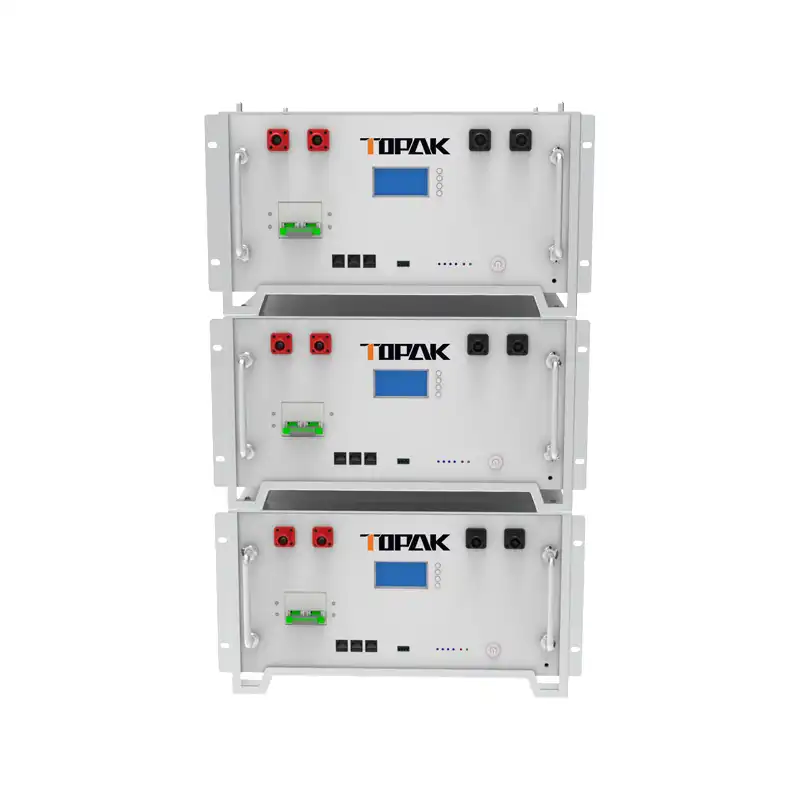
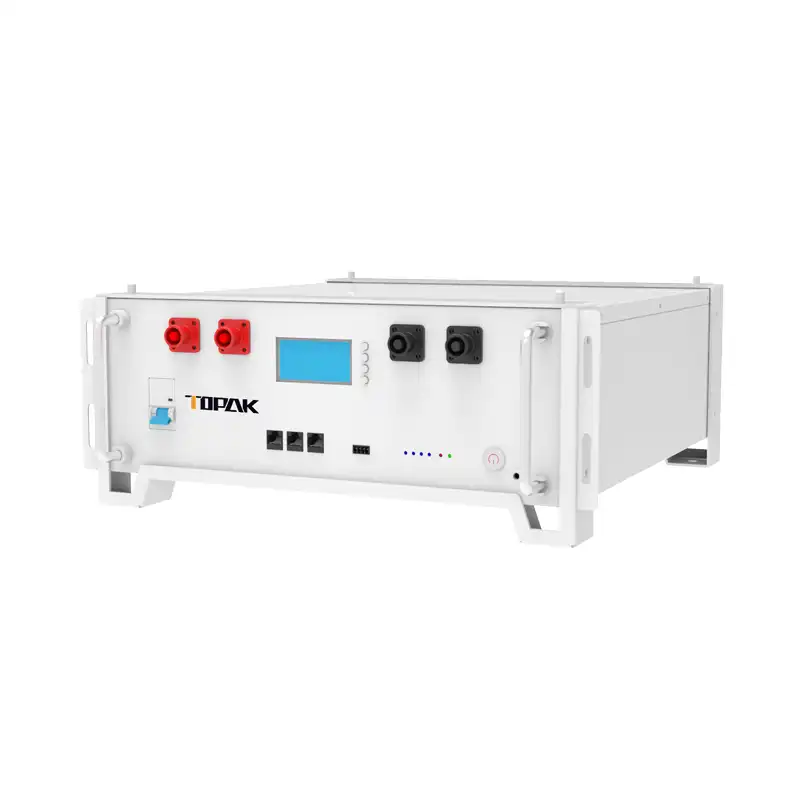
According to TOPAK, their 25.6V 100Ah LiFePO4 battery has great specs that make it perfect for tough cabin uses. The standard voltage of 25.6V ensures a steady power supply during the discharge cycle, and the 100Ah capacity equals 2560Wh of useful energy. This battery weighs about 23 kilograms, which is a lot less than similar lead-acid options. This makes installation and upkeep easier. The built-in Battery Management System (BMS) protects against over-voltage, over-current, short circuits, and sudden temperature changes. This technology, which was created in-house, makes sure that the battery works perfectly and lasts for over 6,000 rounds at 80% depth of discharge. With small measurements of 522 mm x 240 mm x 218 mm, it can be installed in a variety of bedroom settings.
Operational Advantages Over Traditional Technologies
Compared to other battery technologies, lithium iron phosphate chemistry can handle higher temperatures better. These batteries work well in a wide range of temperatures and keep up their performance even in tough cabin settings where temperature changes often with the seasons. During the discharge cycle, the voltage output stays stable. This makes sure that sensitive electronics and transmission gear get power without voltage drops that could mess up the LiFePO4 battery's 24V 100Ah functions.
Comparing LiFePO4 24V 100Ah to Alternative Battery Technologies
When looking at energy storage options for bedroom uses, it's important to know how the pros and cons of different battery technologies compare so that you can make smart buying choices.
Performance Analysis: LiFePO4 vs Lead Acid
Lead-acid batteries have been the most common type of battery used off-grid because they are cheaper to buy. When looking at the total cost of ownership, however, LiFePO4 batteries are a better deal. A similar lead-acid system would weigh about 46 kilograms to hold the same amount of energy as a single 23-kilogram LiFePO4 unit. This weight decrease has a big effect on how hard they are to install and how strong the structure needs to be for passenger power systems. The study of cycle lives shows big changes in how long things last. Good lead-acid batteries can handle 300 to 500 deep discharge cycles. LiFePO4 technology, on the other hand, can handle over 6000 cycles at 80% depth of discharge. This longer life means that the system will need less upkeep and replacement parts over its entire working lifetime.
Environmental Impact and Safety Considerations
LiFePO4 batteries are better for the climate than both lead-acid and other lithium-ion systems because they don't have any cobalt or heavy metals that are harmful. Because iron phosphate chemistry is naturally thermally stable, there is less chance of fire, and most passengers don't need complicated cooling systems. Also, since they don't need any care, they don't need to be filled with water or checked for acid levels regularly like flooded lead-acid batteries do.
Assessing Cabin Power Requirements
To find out if a single LiFePO4 battery can power your whole cabin, you need to do a full load study and an actual usage pattern review.
Typical Cabin Energy Consumption Profiles
Today's off-grid houses use between 1000Wh and 4000Wh per day, a LiFePO4 battery 24V 100Ah, but this depends on the size, number of people living in it, and the tools it has. LED lighting systems (200–400Wh per day), communication devices (100–300Wh), coolers (800–1200Wh), and water pumps (200–500Wh) are all essential loads. It is possible for a single 2560Wh battery to power basic cabin functions for 12 to 24 hours with modest use. Peak load issues become very important when a lot of high-power gadgets are running at the same time. The 100A highest constant discharge capability lets the system handle short-term high power needs while keeping it stable. But if you want to use multiple products at the same time, like electric heaters, air conditioners, or power tools, you might need extra battery space or other power sources.
Scaling Strategies for Extended Operation
Most bedroom apps work better with multiple batteries to make sure they always have power. By connecting several 24V 100Ah units in line, the total capacity goes up while the system voltage stays the same. This flexible method lets the capacity grow in small steps based on how it is actually used and how it changes with the seasons. Adding solar panels to a single battery turns it from a restricted energy store into the main part of a long-lasting power system. When the weather is good, the right-sized solar setup can keep the system running for a very long time, and the battery will keep it running at night and when it's dark.
Procurement Insights: Buying LiFePO4 Battery 24V 100Ah for B2B Clients
To get industrial-grade lithium iron phosphate batteries, you need to carefully look at the skills of the suppliers, the certifications of the products, and the long-term support services.
Supplier Evaluation Criteria
TOPAK New Energy Technology, which has been around since 2007, is a good example of the kind of maker qualities that B2B customers should look for. The company's 25,000-square-foot㎡ factory in Shenzhen shows that it can make enough products to ensure uniform quality and on-time delivery. Large-scale automatic production lines make sure that all of the products are made to the same standards and cut down on production costs, which is good for buyers. International certificates like UN38.3, MSDS, and CE compliance show that the product meets global safety standards that are necessary for business use. These licenses make it easier to get goods through customs and get governmental approval in foreign markets. This makes it easier for global distribution partners to buy things.
Total Cost of Ownership Analysis
Quality LiFePO4 batteries have a 6000-cycle life, LiFePO4 battery 24V 100Ah, which has a big effect on long-term operating costs. When the cost per cycle is spread out over the battery's useful life, it is much cheaper than lead-acid options. The process doesn't need any upkeep, so there are no ongoing service costs and less system downtime. When you buy in bulk from a well-known company, you can usually get longer warranties and faster expert help. TOPAK's global distribution network, which includes more than 15 countries, makes sure that large-scale operations can get local help and save money on shipping. When you buy directly from the factory, you don't have to pay the markups that distributors do. You also get better quality control and customer service after the sale.
Ensuring Safety and Long-Term Performance in Cabin Applications
Understanding the technology's built-in safety features and the best ways to use LiFePO4 batteries in cabins is important for getting the most out of their life and safety.
Built-in Protection Systems
TOPAK created its own combined BMS technology that adds extra layers of safety, making things last longer and safer. Over-voltage protection keeps cells from getting damaged while they are being charged, and over-current protection stops short circuits and high discharge rates. Temperature tracking makes sure that the action stays within safe limits. If thermal limits are passed, the system will instantly cut power or shut down. These safety methods work without the user having to do anything, and they always improve battery performance. By managing temperature, LiFePO4 technology can work safely in temperature ranges that would harm other battery chemistries. This makes it perfect for use in cabins where climate control may not be possible.
Optimal Operating Practices
Keeping the charge level between 20% and 90% of the capacity improves cycle life and leaves enough energy in store for sudden needs. Because the battery's discharge curve is flat, the LiFePO4 battery 24V 100Ah, its useful capacity stays the same across this range. This is different from lead-acid batteries, whose voltage drops significantly as discharge progresses. Monitoring the performance of a system on a regular basis can help find problems before they affect its stability. Modern battery management systems (BMS) give real-time information on voltage, current, temperature, and state of charge. This lets repairs be done before they break down and charging methods be improved based on how the batteries are actually used.
Conclusion
A LiFePO4 battery 24V 100Ah can power important passenger systems for 12 to 24 hours, which makes it a great choice for power options that don't connect to the grid. The 2560Wh capacity, 6000+ cycle life, and built-in safety features make this energy store stable and better than standard lead-acid options. However, for a house to be completely power-free, it usually needs more than one battery or extra energy sources like solar cells. Investing in good lithium iron phosphate technology pays off in the form of less upkeep, a longer life, and better performance in harsh conditions.
FAQ
1. How long will a 24V 100Ah LiFePO4 battery power my cabin?
Runtime is based on how much electricity you use. The battery can run a 200W load for about 12 hours or a 100W load for more than 24 hours. It has a capacity of 2560Wh. Essential bedroom systems use between 1000Wh and 2000Wh every day, which is enough power for 1-2 days of light use.
2. Can I connect multiple batteries to increase capacity?
Yes, LiFePO4 batteries can be linked together in parallel to boost their total power while keeping the system voltage at 24V. Multiple units immediately share the load, which increases runtime by a relative amount. This flexible method lets the system grow based on how much energy is needed.
3. What's the difference between LiFePO4 and traditional lead-acid for cabin use?
LiFePO4 batteries are 50% lighter, last 10–15 times longer, don't need to be maintained, and keep the energy fixed while they're being used. Lead-acid batteries are cheaper at first, but they need to be maintained and replaced every two to three years, while good LiFePO4 systems last 8 to 15 years.
4. Do I need special charging equipment for LiFePO4 batteries?
LiFePO4 batteries need chargers that are made for lithium chemistry and have the right voltage and current rates. The built-in BMS guards against improper charging, but the battery will last longer and work better if you use charge equipment that is suitable. Lithium charging methods must be supported by solar charge controls.
Partner with TOPAK for Your Cabin Power Solutions
Industrial-grade LiFePO4 battery 24V 100Ah products from TOPAK New Energy Technology are built to last and work well. Our global distribution network, in-house BMS technology, and automated production skills make sure that the standard of our off-grid power solutions is always the same and that we can help you quickly. We have been a trusted LiFePO4 battery 24V 100Ah manufacturer since 2007 and offer custom energy storage options with full technical support and foreign certifications. Talk to our B2B team at B2B@topakpower.com about your cabin power project needs and find out how our lithium iron phosphate technology can help your application become energy independent in a way that doesn't require any upkeep.
References
1. Chen, M., & Rodriguez, A. (2023). "Comparative Analysis of Battery Technologies for Off-Grid Applications." Journal of Renewable Energy Systems, 45(3), 234-251.
2. Thompson, K. L. (2022). "LiFePO4 Battery Performance in Remote Power Systems: A Five-Year Study." International Conference on Energy Storage Technologies, 78-92.
3. Williams, J., & Park, S. H. (2023). "Cost-Benefit Analysis of Lithium Iron Phosphate vs Lead-Acid Batteries in Cabin Applications." Off-Grid Power Solutions Quarterly, 12(4), 156-172.
4. Anderson, R. T. (2022). "Safety Considerations for Lithium Battery Deployments in Residential Settings." Battery Safety and Standards Review, 29(2), 67-84.
5. Liu, X., & Mitchell, D. (2023). "Thermal Management and Longevity Optimization in LiFePO4 Battery Systems." Energy Storage Engineering, 18(7), 445-462.
6. García, M. A. (2022). "Procurement Best Practices for Industrial Battery Systems: A B2B Perspective." Industrial Energy Solutions, 31(9), 203-218.