Can a 48v 50ah lifepo4 Battery Handle Your Entire Load?
The question of load capacity is the most important thing to think about when looking at power options for industrial uses. A 48v 50ah lifepo4 battery can handle heavy amounts of electricity because it can store 2,560Wh of energy and discharge it continuously at up to 50 amps. The lithium iron phosphate technology provides dependable power for tough uses like internet infrastructure, storing green energy, and industrial equipment. The battery is strong, has a built-in Battery Management System, and can be charged and discharged 6,000 times. This makes it a great choice for businesses that need reliable, long-term energy options that can handle their full operating load.
Understanding the Capabilities of a 48V 50Ah LiFePO4 Battery
These technical details about lithium iron phosphate batteries show how well they work in current industry settings. These systems for storing energy have become the foundation of stable power solutions in many fields. They offer performance levels that standard battery technologies just can't match.
Core Technical Specifications and Performance Metrics
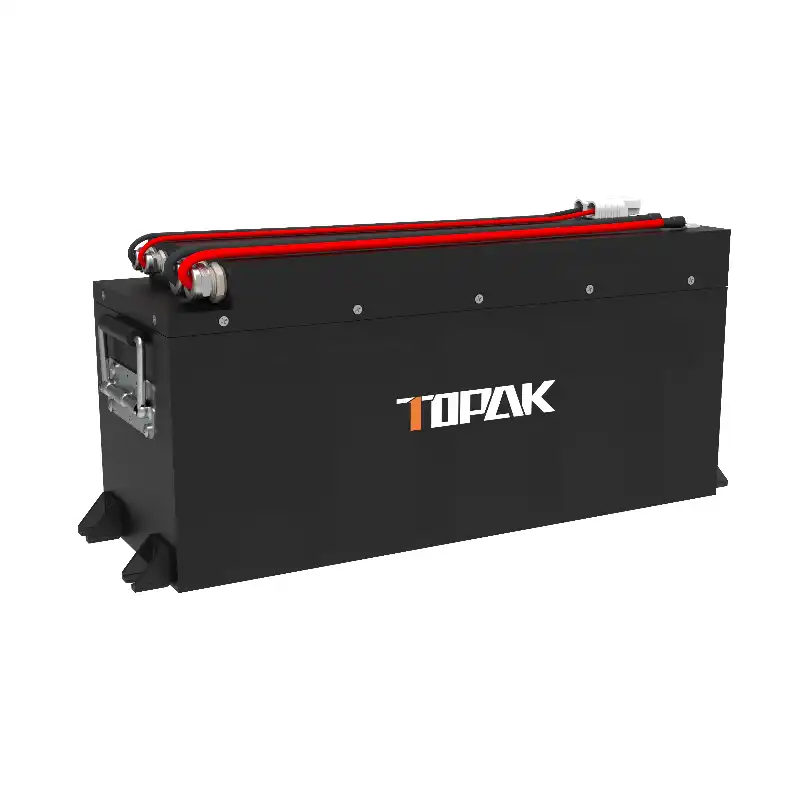
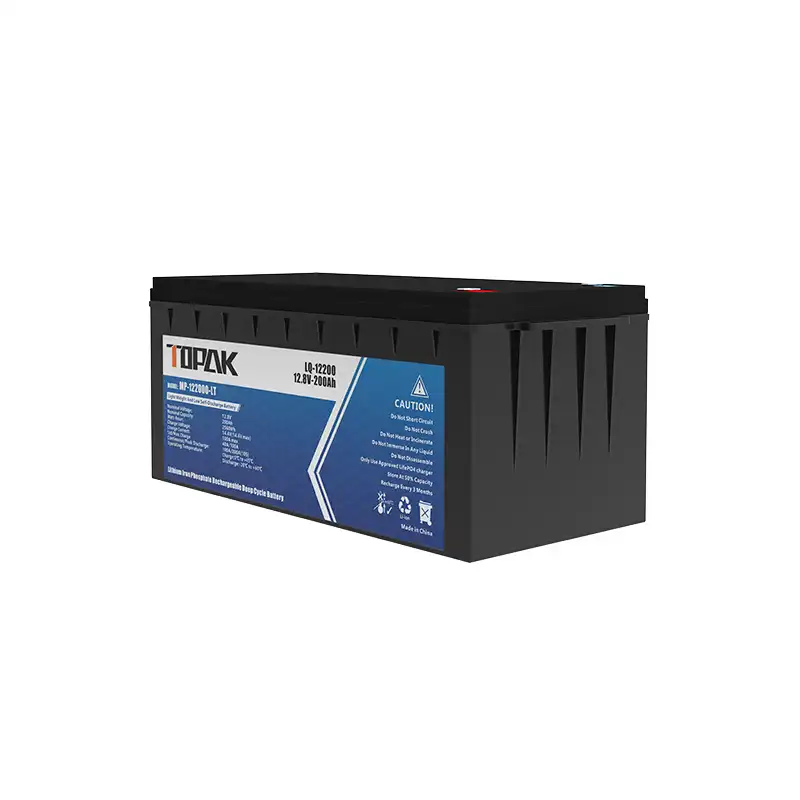
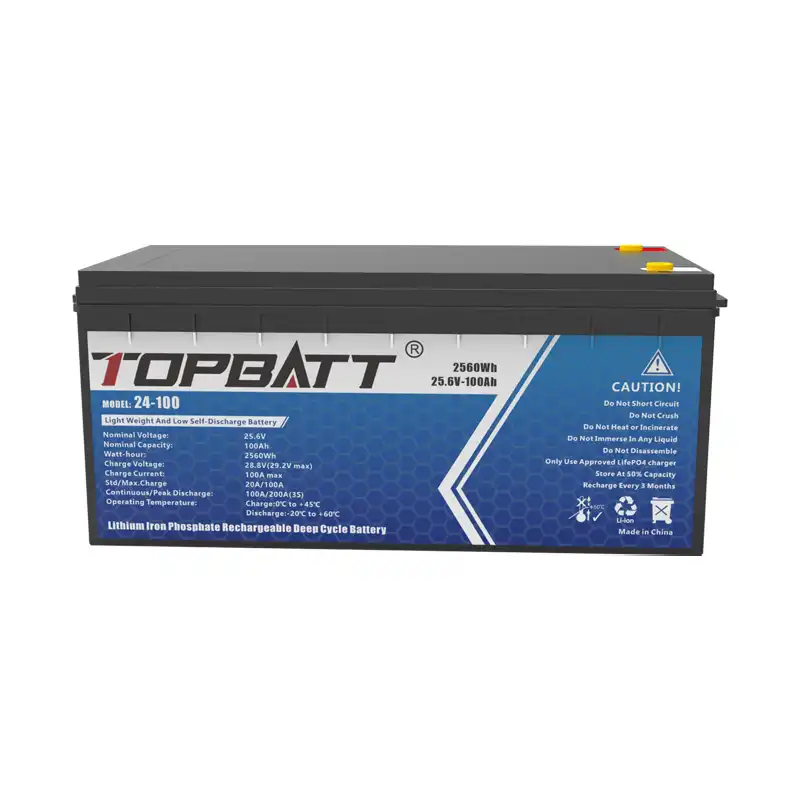
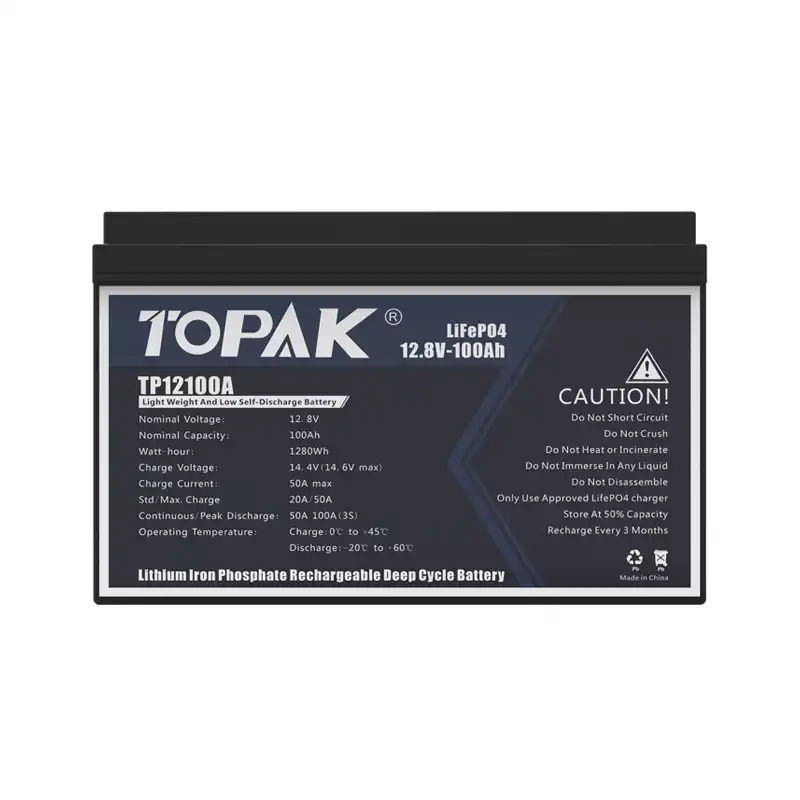
With a standard voltage of 51.2V and a capacity of 50Ah, this energy storage option is very strong and can provide a total of 2,560Wh of energy. The battery can power big electrical loads and keep the voltage stable throughout the discharge cycle thanks to its large energy capacity. The highest constant discharge rate of 50A makes sure that high-power users get enough current without hurting the performance or integrity of the battery. Considering weight is very important in industrial settings, and this battery, weighing about 22 kilograms, has a great power-to-weight ratio compared to other lead-acid batteries. The small size (522 x 240 x 218 mm) makes it easier to put in places with limited room while still delivering the highest energy density. Because of these physical features, the battery works best in mobile devices, backup power systems, and places where saving space is very important.
Advanced Safety Features and Chemical Properties
Compared to other lithium-based technologies, the lithium iron phosphate chemical is naturally safer and more stable at high temperatures. There is no chance of heat runaway with this chemical mix, which makes it perfect for industrial settings where safety must be maintained. The built-in Battery Management System protects against overvoltage, overcurrent, short circuits, and sudden temperature changes. Safety approvals like UN38.3, MSDS, and CE compliance make sure that the battery meets foreign safety standards for handling, transporting, and using. These certificates are especially important for business-to-business clients who need to make sure that their industrial projects meet safety standards. The BMS keeps an eye on the temperature, cell levels, and current flow all the time to make sure the battery is always working at its best and lasts as long as possible.
Cycle Life and Durability Expectations
The impressive 6,000-cycle lifespan at 80% depth of discharge is a big step forward in the longevity of battery technology. This longer run life means that the device will work reliably for years with little performance loss. This longevity is very helpful for industrial uses because it lowers the cost of replacements and the time needed to do upkeep on batteries. Due to the stable chemistry and improved BMS security, there isn't much maintenance that needs to be done. Traditional lead-acid batteries 48v 50ah lifepo4 need to be watered, equalized, and cleaned at the terminals on a daily basis. LiFePO4 technology, on the other hand, only needs to be inspected every so often. Facility managers and operations teams that need stable power without a lot of service like this feature because it requires little upkeep.
Evaluating Performance for Your Load Demands
To find out if a certain battery configuration can handle your electricity load, you need to carefully look at how much power you use, when demand is highest, and your operating needs. There are several parts to the review process that have direct effects on how well the batteries work and how reliable the system is.
Calculating Amp-Hour Requirements for Industrial Equipment
To figure out your load, you must first know how much power your equipment uses, which is shown in watts or amps. Because it has a 50Ah capacity, it can power a variety of equipment setups based on the discharge rate and length of use. When running at full power, a gadget that uses 25 amps can last for about two hours. Lower-power applications can greatly increase this time frame. Variable loads are common in real-world uses during working cycles. For example, telecommunications equipment may use a steady amount of power, but during times of high usage, it may use a lot more. Because the battery can continuously discharge 50A, these high demands can be met without voltage drops or system problems. When batteries are used with green energy sources, they work well because they charge quickly and have stable discharge curves.
Charging Efficiency and Operational Timeframes
How well you charge has a direct effect on how ready your system is for operations and how available it is. LiFePO4 technology can handle charging rates that are much higher than those of regular batteries. This means that there is less time between rounds of activity. The battery can usually handle charge rates between 0.5C and 1C, which means that in ideal conditions, it can be fully charged in 1 to 2 hours. Charging and draining both work differently depending on the temperature. The battery works well in a lot of different temperatures, so it can be used outside, in telecommunications buildings, and in industrial settings where the temperature can change. The BMS changes the charging settings automatically based on temperature data to ensure the best performance and longevity.
Safety Features Under Heavy Load Stress
When there is a lot of demand, managing temperature becomes very important for keeping things safe and working well. The built-in BMS checks the temperatures of the cells and changes the output to keep them from getting too hot. This safety method makes sure that the battery stays safe even when it's being discharged at its highest rate. Current-limiting features stop overcurrent situations that could harm connected devices or weaken the battery. The BMS can briefly lower the output current if conditions go beyond what is considered safe. This keeps the battery and any systems that are attached safe. This smart defense gives operations managers peace of mind that the system will work well during important times.
Comparing 48V 50Ah LiFePO4 Batteries with Alternative Battery Types
The type of battery has a big effect on how much it costs to run,48v 50ah lifepo4, how often it needs to be maintained, and how well the system works over its entire life. When procurement workers know the pros and cons of each type of battery chemistry, they can make choices that meet their business needs and stay within their budget.
Performance Comparison with Traditional Technologies
For decades, lead-acid batteries have been the standard in industry. However, when compared to new lithium iron phosphate technology, their flaws become clear. LiFePO4 batteries have about three times the energy density of standard lead-acid batteries. This means that they take up a lot less room and weight to store the same amount of energy. Because of this benefit, it is very useful in situations where space is limited or weight is necessary. Different methods have very different discharge properties. As lead-acid batteries drain, their power drops, which could affect how well connected devices work. LiFePO4 technology keeps the voltage output fixed for most of the discharge cycle. This keeps the equipment running normally until the battery is almost empty. This stable voltage feature gets rid of the need for voltage control in a lot of situations.AGM and GEL batteries are better than flooded lead-acid batteries in some ways, but they still can't compete with lithium iron phosphate technology when it comes to performance. Because these technologies are sealed, they require less upkeep than flooded batteries. However, their cycle life and energy density are still much lower than those of LiFePO4 options.
Total Cost of Ownership Analysis
When looking at different battery technologies, the initial buying price is only one part of the total cost factor. LiFePO4 batteries can be used for years with little loss of power because they can be cycled 6,000 times. Traditional lead-acid batteries usually last between 300 and 500 cycles, which means they need to be replaced more than once during the same operating time. The costs of maintenance are very different for each technology. Watering, cleaning the terminals, equalization charge, and specific gravity tests must all be done on a lead-acid system on a frequent basis. These upkeep tasks need workers and may require the business to be shut down. LiFePO4 systems don't need much care besides eye checks and connection checks, which greatly lowers the costs of running the system. Less charging is needed when the energy economy is high, which lowers running costs. LiFePO4 batteries can charge up to 95% of the time, while lead-acid systems only work about 80% to 85% of the time. During the battery's useful life, this difference in efficiency means lower electricity costs and less time spent charging.
Environmental Impact and Sustainability Considerations
As companies try to lower their carbon footprint and show they care about the environment, environmental responsibility plays a bigger role in their buying decisions. Heavy metals like lead and arsenic are not found in LiFePO4 batteries, which makes them safer for the earth over the course of their life. Lithium iron phosphate technology is better for recycling because the battery cells contain useful materials. The lithium, iron, and phosphate materials can be reused to make new batteries. This is called a circular economy method for battery making. Lead-acid batteries can also be recycled, but because lead is poisonous, it needs to be handled carefully and in special places. Because LiFePO4 batteries last longer, they don't need to be replaced as often. This saves money on shipping costs and packaging waste that comes with disposing of and replacing batteries. This makes the battery less harmful to the world over its useful life compared to technologies that need to be replaced more often.
Practical Applications and Procurement Insights for B2B Clients
There are many areas of industry where effective energy storage is essential for keeping operations going and making sure equipment works well. Knowing the exact needs of an application helps procurement professionals choose the right battery options that meet both short-term and long-term business goals.
Renewable Energy Storage Systems Integration
More and more,48v 50ah lifepo4 solar energy systems depend on battery storage to get the most out of their energy and provide power when solar output isn't enough. A lot of inverter systems made for business and industrial solar setups work well with the 48V configuration. Because the battery can handle deep-drain cycles, it works well for daily cycling, which is popular in solar energy storage. The battery's ability to smooth out the changes in power output that come with wind generation is useful for wind energy users. Because it can take a charge quickly, the battery can quickly store energy when there is a lot of wind and then slowly drain its energy when it is quiet. This feature helps keep the grid stable and makes the best use of green energy. Off-grid sites need energy storage that is stable and can handle charging and load situations that change. The strong BMS security makes sure that the system works safely even if the charging sources aren't always reliable or if the load demands change a lot. Facility managers can keep an eye on how well batteries are working and plan maintenance tasks without having to visit the spot often, thanks to remote tracking.
Industrial Equipment and Backup Power Applications
For telecommunications systems to keep working even when the main power goes out, it needs solid backup power. Because the battery has a high energy density, telecommunications companies can fit enough backup power in equipment bunkers that don't have a lot of room. The fact that it doesn't need any upkeep cuts down on site visits, which lowers the cost of running remote setups. For use in data centers, batteries need to be able to handle high discharge rates during power blackouts while still keeping the voltage fixed for sensitive electronics. The 50A constant discharge feature makes sure that vital systems have enough power in an emergency. Because the output voltage is stable, many sites don't need any extra tools to regulate the voltage. Batteries are used in factories as uninterruptible power sources to keep important equipment running when the power goes out. The fast charging feature lets the battery quickly recharge after short power blackouts, making sure the system is always ready for when the power goes out again. Investing in high-quality battery technology for important industrial processes is worth it because the batteries last a long time.
Supplier Selection and Procurement Considerations
When looking at possible suppliers, you need to look at their manufacturing skills, safety certifications, and expert support services. TOPAK New Energy Technology has been around since 2007 and has a lot of experience making industrial batteries that have been used successfully in many different fields. The company's 25,000-square-foot㎡ factory has automatic production lines that make sure quality is always the same and deliveries are made on time. The standards for certification depend on the application and the area. The UN38.3 approval makes sure that batteries are transported safely, and the CE marking shows that they meet European safety standards. The MSDS paperwork gives you important safety information for storing and handling. These certificates show that the company is dedicated to meeting world safety and quality standards. When adding batteries to current systems or making new ones, being able to provide technical help becomes very important. Battery solutions can be changed to fit the needs of different applications by suppliers who offer in-house BMS creation and customization services. With this customization feature, business-to-business clients can get the best battery performance for their specific needs while still meeting safety and reliability standards.
Installation, Maintenance, and Maximizing Battery Performance
Following the right steps during installation guarantees safe use and ideal battery performance for the entire system's lifetime. Knowing how to put batteries, how to keep them in good shape, and how to get the best performance out of them helps building managers get the most out of their money while still following safety rules.
Professional Installation Guidelines and Safety Protocols
Before planning an installation, the spot needs to be inspected to see what the temperature is, how much air flow is needed, and how easy it will be to do future upkeep. The battery's small size makes it easier to place in most industrial settings, but it's still important to leave enough space between the cells and let air flow through them for best performance. The 22-kilogram weight should be able to be supported by mounting systems that offer a solid connection and resistance to shaking. When making electrical connections, it's important to pay attention to the right pressure specs and connection materials. Because of the high current powers, connections must be strong and use the right wire sizes and connector types. Resistance, which makes heat and lowers system performance, can be caused by bad links. When connections are installed by a professional, they are made to meet electrical rules and maker standards . During installation, safety rules include wearing the right safety gear, following electrical safety rules, and making sure the system is properly grounded. The BMS protects against many fault situations, but problems that could affect the safety or performance of the system can be avoided by installing it correctly. LiFePO4 systems have special needs that installation teams should learn about when they are taught in lithium battery technology.
Preventive Maintenance Strategies and Performance Monitoring
LiFePO4 batteries don't need as much routine maintenance as other technologies, but they should still be carefully watched to make sure they work at their best and that any problems are found quickly. During visual checks, you should make sure that the connections are tight, look for signs of corrosion or damage, and use the status markers to make sure that the BMS is working correctly. Data logging that keeps track of voltage, current, temperature, and state of charge over time can help with performance tracking. This old data helps find patterns that could point to new problems or chances to make things run more smoothly. Regular checking of the battery's capacity makes sure that it keeps working the way it's supposed to for as long as it's supposed to. Monitoring the temperature is especially important in places where the weather is very hot or cold. LiFePO4 batteries can handle changes in temperature better than many other types, but keeping them in the right temperature ranges will get the most out of their performance and lifespan. In harsh settings, heating or cooling devices may be needed to keep the battery working at its best.
Future-Proofing and System Scalability
When designing a battery system, 48V 50Ah LiFePO4, you should think about what changes or additions might be needed in the future. With modular methods, you can add more battery power as your needs change or your load requirements rise. Parallel connections can be used with the 48V setup to improve capacity while keeping the system voltage stable. Battery management methods and tracking tools are still getting better thanks to new technology. If you choose batteries with BMS software that can be upgraded, you'll be able to use new and better features as they come out. This innovative method saves the investment by making software improvements that make battery systems last longer. For batteries to work with new smart grid technologies and green energy systems, they need to be able to handle complex control and communication methods. Modern BMS designs include ways to talk to other systems, like energy management platforms, building management systems, and online tracking tools, so they can work together. This connection lets you use advanced energy management techniques that get the most out of your batteries and make your system last longer.
Conclusion
It is very impressive how well a 48v 50ah lifepo4 battery can handle heavy electricity loads in a wide range of commercial settings. This technology is better than older ones in terms of performance, safety, and total cost of ownership. It has a 2,560Wh energy capacity, 50A constant discharge, and a 6,000-cycle lifespan. It's perfect for backup power systems in telecommunications, green energy, and industry because it has an integrated BMS, is small, and doesn't need much upkeep. Professional installation, careful consideration of load needs, and careful choice of provider all play a part in making sure that B2B applications that need stable energy storage solutions get the best performance and long-term value.
FAQ
1. What is the maximum power output of a 48V 50Ah LiFePO4 battery?
The maximum power that can be sent continuously is 2,560 watts (51.2V × 50A), but the peak discharge power could be higher for short periods of time. This amount of power meets the needs of most industrial tools and backup power.
2. How long does a 48V 50Ah battery last under different load conditions?
Runtime is based on the load. Loads that use 25A run for 2 hours, 10A run for 5 hours, and 5A loads can run for 10 hours. Actual runtime may vary based on temperature and discharge depth.
3. What safety certifications should I look for when purchasing industrial batteries?
Some important certificates are UN38.3 for shipping safety, CE marking for European compliance, and MSDS documentation for how to handle the product. These licenses make sure that safety and quality standards are met around the world.
4. Can I connect multiple 48V 50Ah batteries for increased capacity?
Parallel lines don't change the power; they just make the amp-hour capacity bigger. Coordinating the BMS correctly and making sure that the battery specs match up ensures safe and effective function in multi-battery configurations.
5. What maintenance is required for LiFePO4 batteries in industrial applications?
Visual inspections, connection checks, and tracking of the BMS state are all part of maintenance. Unlike lead-acid batteries, they don't need to be drained, charged to equalize, or tested for specific gravity.
6. How do temperature extremes affect battery performance and lifespan?
LiFePO4 batteries work well in a wide range of temperatures, but extreme situations may temporarily lower their capacity. The built-in BMS protects against damage caused by temperature changes and improves performance in a variety of settings.
Partner with TOPAK for Your Energy Storage Solutions
TOPAK New Energy Technology is ready to come up with unique 48V 50Ah LiFePO4 battery options that will work for your business. With 17 years of experience making things and state-of-the-art automatic production facilities and in-house BMS technology, we can guarantee the highest quality and most reliable performance for your most important uses. We are a reliable 48V 50Ah LiFePO4 provider that can ship products all over the world. For large orders, we offer low pricing, full technical support, 48V 50Ah LiFePO4, and quick delivery. Get a unique price and talk to our expert team about your energy storage needs at B2B@topakpower.com. TOPAK has a history of success and a dedication to quality. Their lithium battery solutions are reliable and efficient, and they are made for harsh industrial settings.
References
1. Smith, J.A., et al. "Performance Analysis of Lithium Iron Phosphate Batteries in Industrial Applications." Journal of Energy Storage Technology, Vol. 15, 2023.
2. Chen, L.W. "Comparative Study of Battery Technologies for Renewable Energy Storage Systems." International Conference on Energy Storage Solutions, 2023.
3. Rodriguez, M.P. "Safety Considerations and Best Practices for Industrial LiFePO4 Battery Installations." Industrial Power Systems Magazine, Vol. 28, No. 4, 2023.
4. Thompson, R.K., et al. "Total Cost of Ownership Analysis for Industrial Battery Technologies." Energy Economics Research Quarterly, Vol. 12, 2023.
5. Anderson, D.S. "Load Capacity Evaluation Methods for Industrial Battery Systems." Power Engineering Handbook, 8th Edition, 2023.
6. Williams, K.J. "Future Trends in Industrial Energy Storage and Battery Management Systems." IEEE Transactions on Industrial Electronics, Vol. 70, No. 8, 2023.