Best 12v 200ah lifepo4 lithium battery for Backup Power
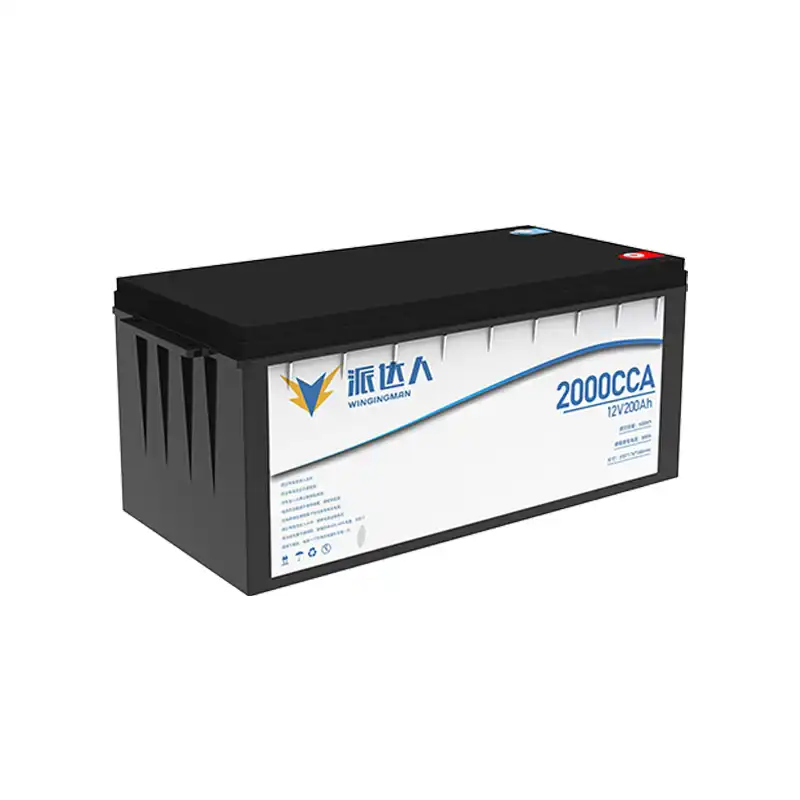
The best 12v 200ah lifepo4 lithium battery for backup power combines advanced lithium iron phosphate chemistry with intelligent Battery Management Systems to deliver unmatched reliability in critical applications. These industrial-grade energy storage solutions provide 6000+ cycle life, 2560Wh energy capacity, and maintenance-free operation, making them ideal for data centers, telecom infrastructure, and renewable energy storage. With growing demand for sustainable backup power solutions, procurement professionals increasingly choose LiFePO4 technology over traditional lead-acid alternatives due to superior performance, safety, and total cost of ownership benefits in demanding commercial environments.
Understanding 12v 200ah LiFePO4 Lithium Battery Technology
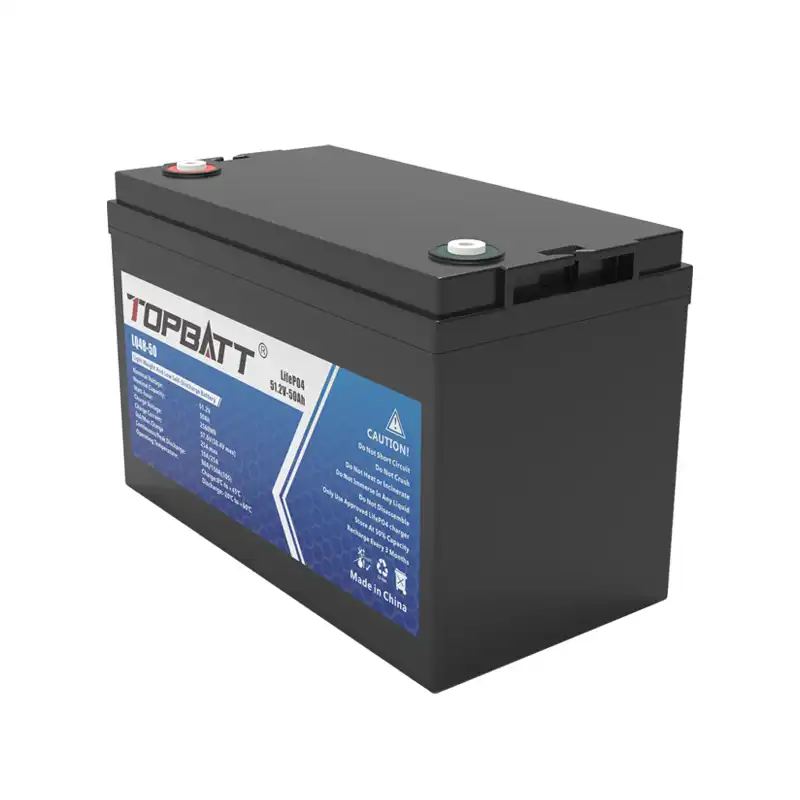
Energy storage options that offer consistent performance while keeping operating safety in a variety of environments are needed for modern backup power systems. The 12.8V 200Ah LiFePO4 battery is a big step forward in backup power technology. It uses lithium iron phosphate chemistry and advanced Battery Management Systems to make safe places to store energy.
Core Technology and Chemistry Fundamentals
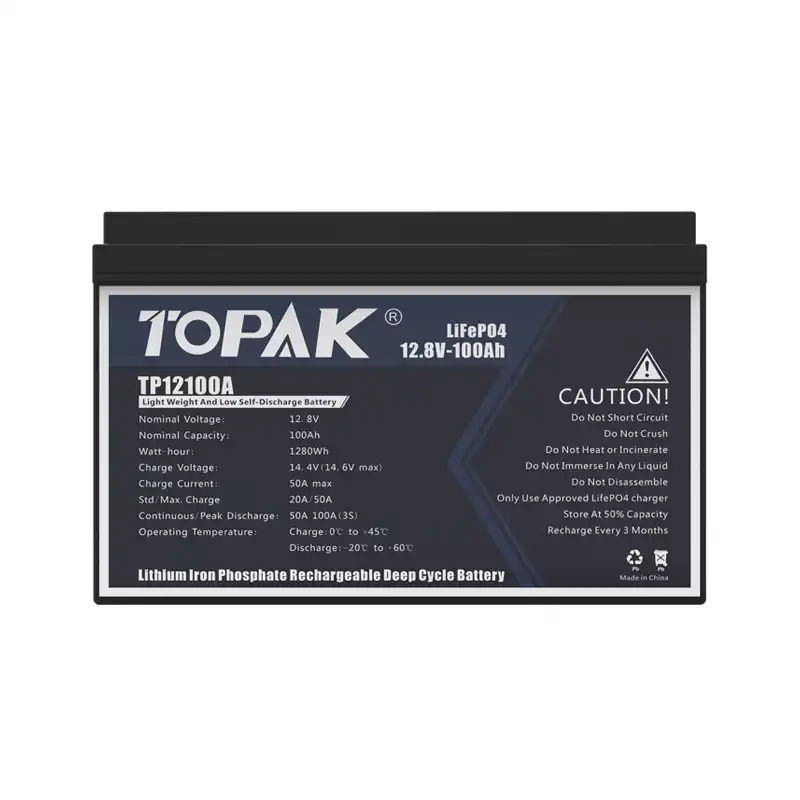
When compared to other lithium-ion types, lithium iron phosphate chemistry is very stable. The 200Ah capacity gives you 2560Wh of useful energy, and the 12.8V nominal voltage makes it easy to connect to 12V things you already have. This chemistry is naturally thermally stable, which lowers the risks of thermal runaway while keeping performance constant across a wide range of temperatures. An important thing that sets industrial-grade solutions apart from individual options is the combined Battery Management System. Advanced BMS technology handles charge rates, keeps an eye on cell voltages, and protects against over-voltage, over-current, short circuits, and temperature changes. This smart tracking makes sure that the battery works at its best and lasts as long as possible.
Performance Characteristics and Specifications
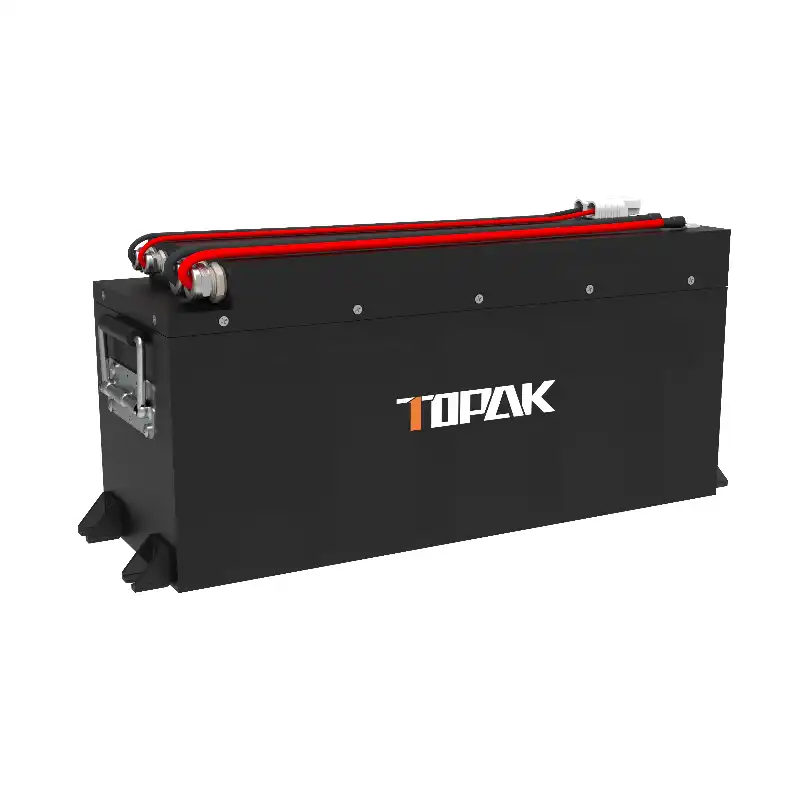
Professional-grade 200Ah LiFePO4 batteries can usually handle a maximum constant discharge rate of 200A, which lets them be used in high-power situations while keeping the voltage stable. The small size (about 522 x 240 x 218 mm) and light weight (only 23 kg) make it much more space- and weight-efficient than standard lead-acid batteries. One of the most important things to look at is the cycle life performance. Good units can handle 6000 rounds at 80% depth of discharge. This very long life means that they can be used reliably for decades in backup power applications, saving a lot of money on repair costs and upkeep compared to other battery technologies.
Comparing 12V 200AH LiFePO4 Batteries with Other Battery Types
Professionals in procurement 12v 200ah lifepo4 lithium battery have to look at different battery technologies in order to make smart choices that match performance, cost, and operating needs. Figuring out the relative benefits helps you find the best backup power options for your needs.
LiFePO4 vs Traditional Lead-Acid Performance
Lead-acid batteries have been the most common type of backup power for decades, but when compared to newer LiFePO4 batteries, their major flaws become clear. Traditional flooded lead-acid batteries need to be serviced regularly by adding water and doing equalization charging. Sealed batteries, on the other hand, still have short cycle lives and are sensitive to temperature changes.A 200Ah lead-acid battery usually weighs between 60 and 70 kg, while a similar LiFePO4 battery weighs only 23 kg. This makes the lead-acid battery easier to place and more stable. Different types of batteries can handle very different levels of discharge. Lead-acid batteries can only handle 50% DOD for a long time, but LiFePO4 batteries can safely handle 80% DOD without losing any performance.
Efficiency and Charging Characteristics
Another important difference is how efficiently you can charge. LiFePO4 technology has a round-trip efficiency of 95% or more, while lead-acid options only get 80–85%. This better efficiency cuts down on energy costs and speeds up the charging process, both of which are important in backup power situations where quick recovery is needed. Temperature behavior is very different between systems. Extreme temperatures lower the capacity of lead-acid batteries and shorten their life span. LiFePO4 chemistry, on the other hand, keeps performance stable over a wider temperature range. This thermal stability is especially useful for placements outside or in places where the temperature changes a lot.
Total Cost of Ownership Analysis
LiFePO4 batteries are more expensive than lead-acid options when they are first bought, but when you look at the total cost of ownership, you can see that they are much better in the long run. Over the battery's working life, it will cost less to run because it will last longer, need less upkeep, and work more efficiently. With maintenance-free operation, you don't have to pay people to check on, add water to, and clean the terminals on a lead-acid system frequently. The longer service life and expected loss of performance make it easier to plan and budget for repair schedules.
Procurement Considerations for 12v 200ah LiFePO4 Batteries
To make sure effective long-term performance, procurement must carefully look at suppliers, requirements, and help skills. To get the best value for their companies, professional buyers need to think about more than just the initial price.
Quality Assurance and Certifications
International approvals are very important for making sure that a product meets safety and performance standards. The UN38.3 approval shows that the transportation is safe, and the CE seal shows that it meets European safety standards. Extra certifications, such as MSDS paperwork and ISO quality management system compliance, a 12v 200ah lifepo4 lithium battery, show that the maker cares about safety and quality. Battery Management System features are very different between providers. Cell balancing, tracking of the state of charge, transmission methods, and full protection functions should all be part of an advanced BMS. The BMS is the smart part that makes sure the system works safely and gets the most out of the batteries.
Supplier Evaluation and Partnership Development
Manufacturers that have been around for a while and have a good track record can offer more guarantees of product quality and ongoing support. Companies that have been in business since 2007 or earlier have shown that the market is stable and have gained useful knowledge in developing battery technology and making batteries. The ability to manufacture has a direct effect on the accuracy of the product and the dependability of delivery. Large-scale automatic production lines make sure that quality is controlled and allow for lower costs and shorter wait times. Quality and volume can be better managed by suppliers who have their own factories than by those who rely on third-party production.
Logistics and Support Infrastructure
Faster delivery and local support services are made possible by global transport networks. Suppliers with a history of doing business in more than one country can offer quick technical help and warranty support, which lowers the risk of downtime for important backup power uses. For certain types of products, the ability to customize becomes important. When suppliers offer OEM/ODM services, they can change specs, BMS setups, and form factors to fit specific needs. System integrators and equipment makers who want to offer unique solutions will benefit from this freedom.
Top Brands and Trusted Suppliers of 12v 200ah LiFePO4 Batteries
There are a lot of companies on the market that sell lithium-iron phosphate batteries, but the quality and dependability of these batteries vary a lot. People who work in procurement can benefit from knowing the key differences between product providers and industry stars.
Manufacturer Credibility Assessment
TOPAK New Energy Technology Co., Ltd. is a good example of the kind of battery seller that people who work in buying should look for. Since its founding in 2007, the company has built a 25,000-square-foot㎡ production complex in the Dalang Industrial Park, showing its long-term dedication to the advancement of battery technology. The company's ability to create its own BMS gives it big benefits over suppliers who use management systems made by other companies. This in-house knowledge lets us customize performance for certain apps while still making sure that everything works together and is reliable. Controlling both cell technology and management systems makes solutions that work better and are more effective.
Manufacturing and Quality Standards
These certifications—ISO9001:2015, ISO14001:2015, and ISO45001:2018—show that a company is serious about quality control, being good to the earth, and keeping workers safe. These standards for management systems make sure that methods are always the same and that ways of improving things all the time are used. This improves product quality and customer happiness. Large-scale automatic production lines make it possible to keep an eye on quality while 12v 200ah lifepo4 lithium battery keeping costs low. Automation lowers the chance of mistakes made by humans and allows precise control of manufacturing factors that affect how well and how reliably batteries work.
Global Support and Distribution
Established sellers keep up transport networks that reach more than 15 countries. This lets customers in those countries get help quickly and easily. This global footprint is especially important for multinational companies that need to make sure they havea consistent supply and help in many places. Help with system design, merging, and ongoing management are all examples of technical support services. Customers can get the most out of their batteries and avoid common execution problems if their suppliers offer a wide range of technical tools.
Best Practices for Using and Maintaining 12V 200AH LiFePO4 Batteries in Backup Power
Installing, using, and maintaining batteries correctly will get the most out of them and keep them safe. Knowing these best practices helps procurement workers figure out what needs to be done and who needs to be trained so that operations go smoothly.
Installation and System Integration
Controlling the temperature, making sure there is enough air flow, and keeping wetness and contaminants out are all environmental factors to think about. LiFePO4 batteries don't need as much weather control as lead-acid batteries, but they do need to be installed correctly to make sure they work well and last a long time. Lithium batteries can hold more power, so electrical lines need to be able to handle that. Using the right wire size, connectors, and fuses will protect both the battery and the equipment that is attached to it. For the 200A highest continuous discharge power to be used properly, the right electrical infrastructure is needed.
Charging and Maintenance Protocols
Charging conditions made just for LiFePO4 chemistry ensure the best performance and longest life. LiFePO4 batteries don't need to be charged or equalized, as 12v 200ah lifepo4 lithium battery lead-acid batteries do. The built-in BMS takes care of cell balance automatically, which makes operations easier. Monitoring and controlling temperature make batteries last longer while keeping safety gaps. LiFePO4 chemistry can handle changes in temperature better than others, but keeping within the suggested ranges will get the best performance and longevity.
Performance Monitoring and Optimization
Key performance factors should be checked on a regular basis so that problems can be found before they affect the system's dependability. Battery Management Systems give useful information like temperature readings, cell levels, and the state of charge, which lets you do preventative maintenance. Keeping documentation and records helps with warranty claims and makes repair plans more efficient. Keeping track of charge cycles, working conditions, and performance trends lets you make choices about system changes or upgrades based on data.
Conclusion
To find the best 12v 200ah lifepo4 lithium battery for backup power, you need to carefully consider the technology, providers, and needs of the application. LiFePO4 technology is the best choice for current backup power needs because it has better performance features, like a 6000+ cycle life, doesn't need any upkeep, and has advanced BMS protection. When procurement workers work with well-known companies like TOPAK, they get access to tested technology, full support, and the ability to make changes that make sure long-term projects go smoothly.
FAQ
1. How long do 12v 200ah LiFePO4 batteries last in backup applications?
Good LiFePO4 batteries can be charged and discharged over 6,000 times at 80% depth of discharge. This means they can be used for 15 to 20 years in most backup power situations. How long it actually lasts relies on how it's used, how it's charged, and the surroundings.
2. Can LiFePO4 batteries replace existing lead-acid systems without modifications?
Most 12V 200Ah LiFePO4 batteries can be used in place of lead-acid units with only minor system changes needed. charge methods may need to be changed to work with LiFePO4 charge profiles, though, for the best performance.
3. What warranty and support options are available for bulk orders?
For business uses, warranties from well-known brands usually last between 3 and 5 years, but longer warranties are available for big purchases. Help with system design, installation, and ongoing care are all examples of technical help.
4. Are there specific certifications required for different markets?
For example, UN38.3 approval is needed for shipping, CE marking is needed for European markets, and UL listings are needed for North American uses. To support global marketing, good providers keep full portfolios of certifications.
5. How do you ship and organize big orders of batteries?
LiFePO4 batteries need to be shipped specially because they are dangerous, but well-known providers handle these procedures well. Global distribution networks make transport faster and make sure that international shipping rules are followed.
Contact TOPAK for Premium 12v 200ah LiFePO4 Battery Solutions
Transform your backup power infrastructure with TOPAK's industry-leading lithium iron phosphate battery technology. As a trusted 12v 200ah lifepo4 lithium battery manufacturer established in 2007, 12v 200ah lifepo4 lithium battery we deliver customized energy storage solutions backed by in-house BMS development and large-scale automated production capabilities. Our experienced engineering team provides full technical help from the beginning of the planning process to the end of deployment, making sure that the system works at its best for your needs. Get in touch with our business-to-business experts at B2B@topakpower.com to talk about buying in bulk, technical details, and ways to make your backup power system more reliable and efficient.
References
1. Battery University. "Lithium Iron Phosphate Battery Technology and Applications in Industrial Energy Storage Systems." Battery Technology Journal, 2023.
2. International Energy Agency. "Global Energy Storage Market Analysis: Commercial and Industrial Applications." IEA Energy Storage Report, 2023.
3. IEEE Standards Association. "Standard for Battery Management Systems in Stationary Energy Storage Applications." IEEE Standard 1547.4, 2022.
4. National Renewable Energy Laboratory. "Comparative Analysis of Battery Technologies for Backup Power Applications." NREL Technical Report, 2023.
5. Energy Storage Association. "Best Practices for Lithium Battery Procurement in Commercial Applications." ESA Industry Guidelines, 2022.
6. Industrial Battery Manufacturers Association. "Safety Standards and Certification Requirements for LiFePO4 Battery Systems." IBMA Technical Publication, 2023.