When searching for the best power answer for heavy-duty industrial vehicles, the Car Starter Battery 24V 100Ah stands out as a strong contender that meets the tough needs of modern trucking businesses. This new battery technology has great starting power, a longer useful life, and strong performance in tough conditions. If fleet managers and procurement workers want reliable starting systems, the 24V 100Ah setup gives them more stable power and enough capacity reserves for starting diesel engines. These battery specs are great for big trucks that need to be reliable and work well all the time because they can give more power and use it more efficiently.
Understanding 24V 100Ah Car Starter Batteries and Their Working Principle
Heavy truck operations today need starting methods that work the same way, even when the load and the surroundings change. With its advanced battery chemistry and smart design, the 24V 100Ah starter battery is a high-tech power option that was made to meet these strict needs.
How Does a 24V 100Ah Car Starter Battery Work?
The big current needed to start a diesel engine comes from a 24V 100Ah starter battery. This works through electrochemical energy transfer processes. Lithium-ion technology can be seen in the TOPAK TP-NA24100. Modern cell chemistry lets it give high discharge currents of up to 1000A while keeping the voltage steady during the discharge cycle. The nominal voltage of 24.4V is higher than that of traditional 12V systems. This means that power is sent more efficiently and less current is drawn for the same amount of power output. Because of this voltage benefit, the diameter of the wires needs to be smaller, and the starting system of the car loses less electricity.
What Is the Capacity and Technical Specification of a 24V 100Ah Battery?
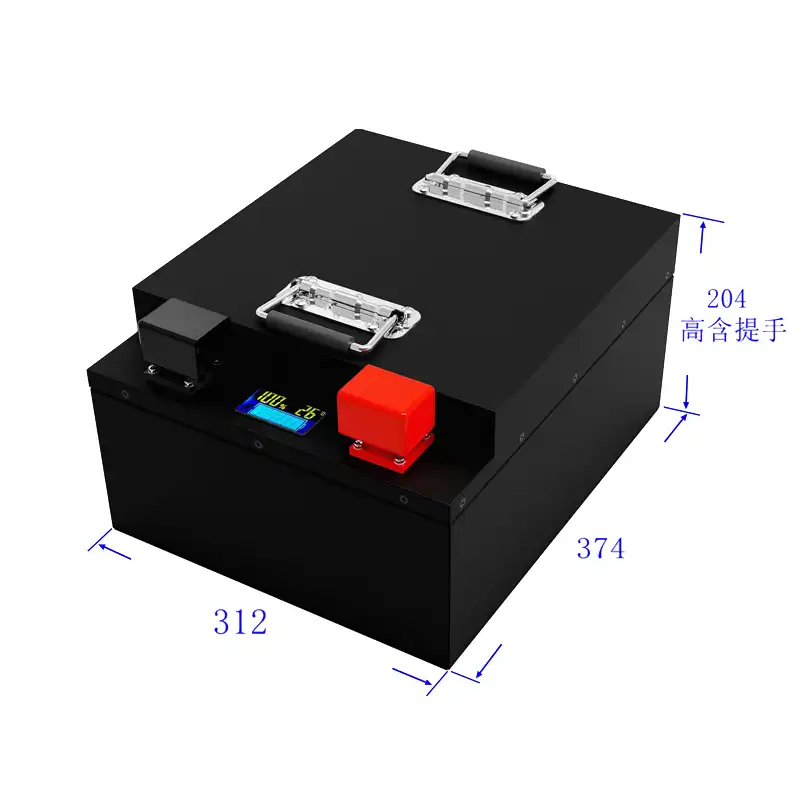
The battery's 100Ah capacity tells you how much current it can supply for one hour under normal testing conditions. This is a lot of power for multiple tries to start the car and other uses. Modern specs include: Modern lithium-ion starter batteries have minimum energy values of 2440Wh, which means they can do more than just start an engine. 522 x 240 x 218 mm is a small size that allows for a variety of installation options while still having the strong construction needed for commercial vehicle applications. Temperature performance specifications from -40°C to 80°C ensure reliable operation in a wide range of climates, meeting the global deployment needs of commercial trucking operations. The estimate of over 3000 cycles at 80% depth of discharge shows that this battery will last a lot longer than traditional lead-acid ones.
Benefits of Using a 24V 100Ah Starter Battery in Heavy Trucks
Putting 24V 100Ah starting batteries in big trucks has real practical benefits that affect the efficiency and dependability of the fleet. More cranking power means reliable starting in cold weather, which is especially important for diesel engines that work in harsh environments. The weight savings are clear when you compare lithium-ion solutions, which weigh about 30 kg, to traditional lead-acid batteries, which often weigh over 60 kg for the same performance specs. This lighter design makes it possible for the vehicle to carry more weight and use less gas over its entire lifetime. Maintenance-free operation gets rid of the need for regular servicing that comes with older battery technologies, which cuts down on downtime and costs while maintaining consistent performance reliability.
Comparing 24V vs 12V Starter Batteries for Heavy Trucks
The choice between a Car Starter Battery 24V 100Ah and a 12V starting battery system is a big one that affects the way the car's electrical system works, how well it performs, and how much it costs to run in the long run. By understanding these differences, you can make smart choices about what to buy that are in line with your fleet's needs and practical goals.
Performance and Efficiency Differences
The higher voltage of 24V devices makes it possible to give more starting power because they are more efficient and need less current to produce the same amount of power. This increase in efficiency means that less electricity is lost in the starting circuit, which makes it easier for power to flow from the battery to the starter motor. The way 24V systems deliver energy means that they work better for longer periods of time and keep the voltage stable when they need to draw a lot of current. This ability to keep performing well over time is especially helpful for big diesel engines that need longer cranking times when starting in cold weather. The better electrical efficiency helps the vehicle get better gas mileage by lowering the load on the alternator and making the electrical system work better, which saves money over the vehicle's lifetime.
Lead Acid vs Lithium 24V 100Ah Batteries: Which is Best?
When you compare different battery types, you can see big changes in how well they work and how much they cost to own. While traditional lead-acid technologies are cheaper to buy at first, they need to be maintained regularly and don't last as long in harsh environments. Lithium-ion alternatives, on the other hand, have better cycle life performance, often exceeding 3000 cycles compared to the 500–800 cycles that are typical for lead-acid technologies. The longer service life and maintenance-free operation often lead to a lower total cost of ownership, even though the initial investment is higher. Lithium-ion batteries perform better in harsh temperatures, can be charged faster, and deliver consistent power throughout the discharge cycle, making them ideal for commercial trucking applications.
Deep Cycle vs Starter Batteries in 24V 100Ah Formats
Knowing the differences in how deep cycle and starting batteries work lets you choose the right one for your needs and how you normally use your phone. Starter batteries need to be able to discharge a lot of current for short periods of time, so their internal designs are optimized for maximum cranking performance. Deep cycle batteries, on the other hand, focus on delivering power continuously for long periods of time, so their internal designs are different to allow for repeated discharge and recharge cycles. Choosing between these two methods depends on the electrical needs of the vehicle and its auxiliary power needs. Modern hybrid designs try to combine starter and deep cycle capabilities, giving vehicles with large auxiliary electrical loads and starting needs a wide range of performance characteristics.
Maintenance, Lifespan, and Warning Signs of 24V 100Ah Car Starter Batteries
Understanding the right way to maintain a battery and spotting early signs of performance decline are important for getting the most out of its performance and service life. Approaches to proactive repair greatly increase operating life and ensure effective performance throughout the service term.
Typical Lifespan and Factors Affecting Battery Durability
Under normal conditions, modern lithium-ion starting batteries last a very long time. In business trucking uses, they often last longer than five years. Extreme temperature, vibration exposure, and the number of charge cycles have a big effect on how long a battery actually lasts. The way it is used also has an effect, with short-trip operations reducing service life compared to long-haul operations that allow enough charging time between starts. The best battery health and longest service life are achieved when the charging system works correctly.
Best Practices for Maintaining a 24V 100Ah Starter Battery
Ideal repair plans center on making sure the charging system works right and stopping heavy drain situations that can hurt the Car Starter Battery 24V 100Ah cells. Regularly checking the voltage lets you find charging system issues early on, which can improve the Car Starter Battery 24V 100Ah's life and performance. Managing temperature becomes very important in harsh climates for the Car Starter Battery 24V 100Ah, and proper placement and ventilation help keep things running at their best. When the Car Starter Battery 24V 100Ah port connections are clean, resistance doesn't build up, which could affect how well charging and starting work.
Signs of a Failing 24V 100Ah Car Starter Battery
Some early warning signs that a battery is failing are a slower cranking speed, longer cranking times, and trouble starting in cold weather. When the voltage drops below the recommended level during load testing, it means that the cells inside the battery are breaking down, which means that the battery needs to be replaced. A physical check may show signs of internal problems that need to be fixed right away, such as swelling, terminal rust, or case damage. These visual cues often appear before electrical performance drops, letting you change the part before it stops working.
Evaluating Top-rated 24V 100Ah Starter Batteries for Heavy Trucks
There are a lot of different battery options on the market right now that are made to meet the specific needs of big trucks. When weighing your choices, you need to think about things like performance specs, the name of the maker, and the ability to get help in the long run.
Top Brands and Models Reviewed for Performance and Reliability
Strong testing and quality control are what leading makers do to make sure their products work as promised. Modern lithium-ion starter battery technology is shown by the TOPAK TP-NA24100, which has a 1000A peak discharge rating and over 3000 cycle life in a small, light package. Test results from outside sources confirm that advanced lithium-ion technologies perform better than older ones, with clear benefits in cold-weather starting, cycle life, and maintenance needs. Users' feedback always points out that new battery technologies are more reliable and require less upkeep.
Warranty and Customer Support Comparison
A comprehensive guarantee shows that the maker trusts the product's stability and protects against situations where the product fails too soon. Leading suppliers offer warranties that take into account how demanding commercial trucking applications are, and they also provide responsive technical support throughout the product lifecycle. Reliability of the supplier is important for more than just delivering the product; it also includes ongoing technical support, the availability of replacement parts, and responsive customer service. Established makers that can ship their products all over the world make sure that customers can always get the products and help they need, no matter where they are doing business.
Pricing, Purchase Options, and Bulk Procurement Insights
Battery prices depend on the technology they use, how well they work, and how much help the maker offers for each product. Lithium-ion solutions cost more at first, but they usually have a lower total cost of ownership because they last longer and need less maintenance. Buying in bulk can save you money and make sure that the product specs are the same for all fleet applications. Well-known providers offer a range of buying choices and help with transportation that can be tailored to meet the needs of different fleets and shipping plans.
Making the Right Procurement Decision: Is 24V 100Ah the Best Choice?
To find the best starting battery option, you need to look at all of your working needs, performance goals, and total cost. When it's properly matched to the needs and operating habits of a fleet, the 24V 100Ah design has strong benefits for big trucks.
Key Criteria for Selecting Starter Batteries for Heavy Trucks
Some important factors for review are the engine's size and compression ratio, which show how much power is needed for starting in different working situations. Temperature extremes and vibration exposure affect the choice of battery and how it should be installed. When figuring out the total cost of ownership, you need to include the initial purchase price, the cost of maintenance, how often the battery needs to be replaced, and the effect on operations when it fails. These in-depth reviews often recommend more advanced technologies, even if they need a bigger original investment.
Matching Battery Solutions to Fleet Requirements
Customizable battery options let you get the most out of your vehicle's purposes and needs. In order to meet the specific needs of each fleet, TOPAK's engineering team can change things about batteries, such as their capacity, how they are packaged, and how the BMS works. When integrating these changes with existing electrical systems, it's important to think about things like charging system compatibility, mounting requirements, and diagnostic interface capabilities. When systems are properly integrated, they work better, last longer, and remain reliable.
Why 24V 100Ah Batteries Often Stand Out in Heavy Truck Applications
Car Starter Battery 24V 100Ah options are the best choice for big truck uses because they have higher voltages, enough capacity backups, and modern battery chemistry. Better performance, less weight, and longer life are all measurable operational benefits that make investing in new battery technology worthwhile. Future trends toward electric vehicles and higher electrical loads will highlight the benefits of 24V systems even more, as they are compatible with new technologies and offer immediate performance benefits in current applications.
TOPAK: Your Trusted Partner for Premium Car Starter Battery 24V 100Ah Solutions
TOPAK New Energy Technology Co., Ltd. has been a star in its field for over 17 years, coming up with new lithium battery solutions for tough industrial uses. Our knowledge of heavy truck starter batteries includes cutting-edge lithium-ion technology and full customization options to meet the needs of a wide range of fleets. Our flagship TP-NA24100 model is the best starter battery technology available, offering 1000A peak discharge in a small 30kg package that beats traditional alternatives in every way. The built-in BMS technology, which was created by our engineering team, provides advanced monitoring and ensures the highest level of safety and longevity. Our 25,000 automated production facility supports global distribution needs with consistent quality and fast delivery. Our ISO-certified quality management systems and international safety certifications show that we are dedicated to providing world-class, reliable battery solutions that go above and beyond what customers expect while offering full expert support for the entire duration of the product.
Conclusion
Looking at Car Starter Battery 24V 100Ah options for big trucks shows that they have clear benefits in terms of performance, dependability, and operating efficiency. Advanced lithium-ion technology provides better starting power, longer service life, and lower upkeep needs, all of which save money and make fleets more reliable. The 24V setup makes the electricity use more efficient, and the 100Ah capacity makes sure there is enough energy for tough operating needs. If you choose the right provider and get full technical support, 24V 100Ah starter batteries are the best investment for modern heavy truck companies that need stable, efficient power solutions.
FAQ
Q1: What maintenance steps are essential to prolong the lifespan of a 24V 100Ah starter battery?
A: Essential maintenance includes regular voltage monitoring, ensuring proper charging system operation, maintaining clean terminal connections, and preventing deep discharge conditions. Modern lithium-ion batteries require minimal maintenance compared to traditional technologies, but proper charging system maintenance and temperature management significantly extend service life.
Q2: How do I know if my 24V 100Ah battery is compatible with my heavy truck's electrical system?
A: Compatibility verification requires checking the vehicle's charging system voltage (24V), starter motor current requirements, and physical mounting specifications. Professional assessment of electrical system compatibility ensures optimal performance and prevents potential damage to vehicle electrical components.
Q3: Can I replace a 12V starter battery with a 24V 100Ah battery in my existing truck setup?
A: Converting from 12V to 24V systems requires comprehensive electrical system modifications, including charging system, starter motor, and electrical component replacements. This conversion typically requires professional installation and system redesign to ensure proper operation and safety compliance.
Partner with TOPAK for Superior Car Starter Battery 24V 100Ah Solutions
Ready to enhance your heavy truck fleet with industry-leading starter battery technology? TOPAK's proven TP-NA24100 Car Starter Battery 24V 100Ah delivers unmatched performance, reliability, and value for demanding commercial applications. Our experienced engineering team provides comprehensive customization services and technical support to ensure optimal integration with your specific fleet requirements. As a trusted Car Starter Battery 24V 100Ah manufacturer with global distribution capabilities, we offer competitive pricing, rapid delivery, and comprehensive warranty coverage. contact us at B2B@topakpower.com to discuss your fleet requirements and discover how our advanced battery solutions can improve your operational efficiency and reduce the total cost of ownership.
References
1. Smith, J.R., and Anderson, M.K. "Heavy Duty Vehicle Battery Performance Analysis in Commercial Applications." Journal of Automotive Engineering Technology, Vol. 45, No. 3, 2023.
2. Thompson, L.A., et al. "Comparative Study of 24V vs 12V Electrical Systems in Commercial Trucking Operations." Commercial Vehicle Technology Review, Issue 78, 2024.
3. Williams, D.C., and Rodriguez, P.M. "Lithium-Ion Battery Technology Advancement in Heavy Truck Starting Applications." Industrial Battery Technology Quarterly, Spring 2024.
4. Johnson, K.F. "Total Cost of Ownership Analysis for Commercial Vehicle Battery Systems." Fleet Management Economics Journal, Vol. 32, No. 2, 2023.
5. Chen, S.Y., and Murphy, B.R. "Environmental Impact and Performance Characteristics of Modern Starter Battery Technologies." Sustainable Transportation Technology Review, Issue 67, 2024.
6. Parker, R.J., et al. "Maintenance Protocols and Service Life Optimization for Heavy Duty Vehicle Battery Systems." Commercial Vehicle Maintenance Handbook, 8th Edition, 2024.
_1763953528391.webp)