Portable lifepo4 battery 24v 100ah for Field and Remote Use
When considering reliable energy storage solutions for demanding field operations and remote installations, the LiFePO4 battery 24V 100Ah emerges as a superior choice that combines exceptional performance with practical portability. These advanced lithium iron phosphate batteries deliver 2560Wh of energy capacity while maintaining a compact 23kg footprint, making them ideal for industrial equipment manufacturers, energy storage system integrators, and telecommunications companies requiring dependable power in challenging environments. Unlike traditional lead-acid alternatives, modern 24V 100Ah LiFePO4 systems offer enhanced safety profiles, extended operational lifespans, and consistent performance across diverse climatic conditions, establishing them as the preferred energy solution for mission-critical remote applications.
Understanding LiFePO4 Battery 24V 100Ah: Features and Specifications
Based on lithium iron phosphate chemistry, these 24V 100Ah battery packs are a big step forward in the way portable energy is stored. This setup works well with modern 24V systems because it has a baseline voltage of 25.6V and provides stable power flow during the discharge cycle. This steady voltage is great for electronics that are easily broken and industrial control systems that need steady power.
Technical Specifications That Matter
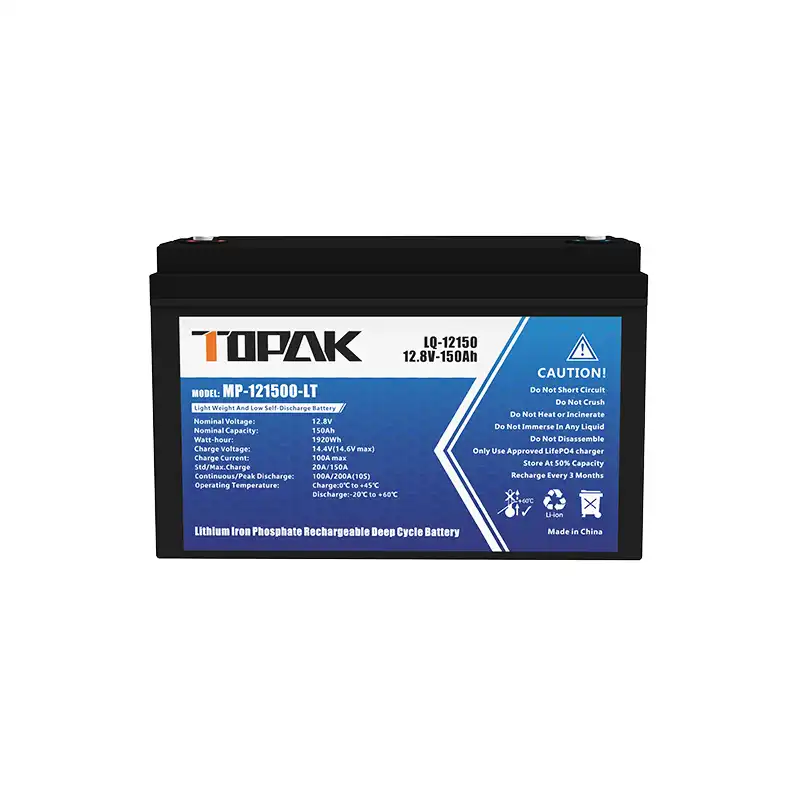
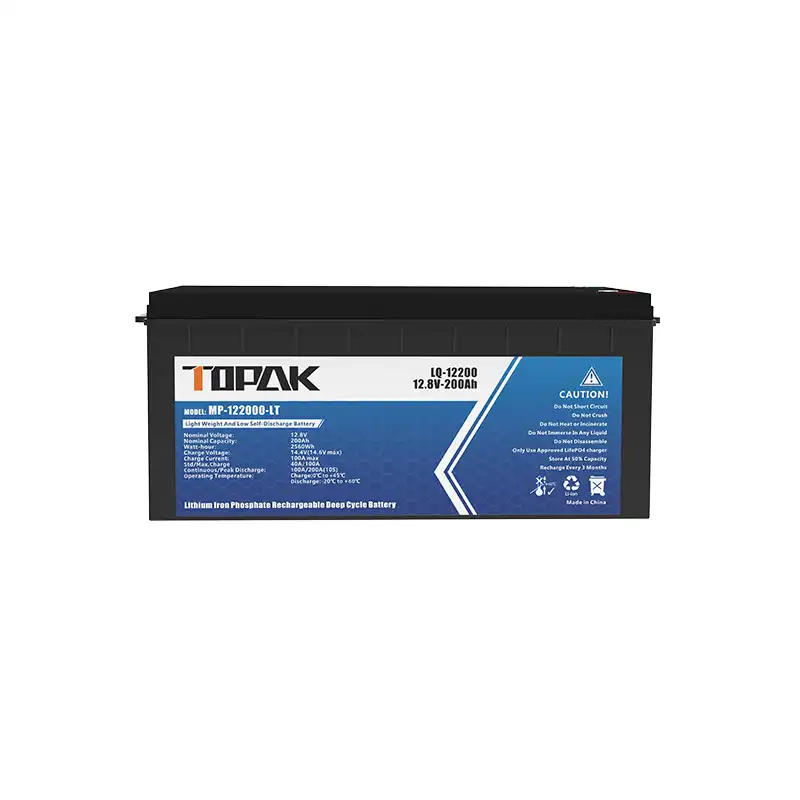
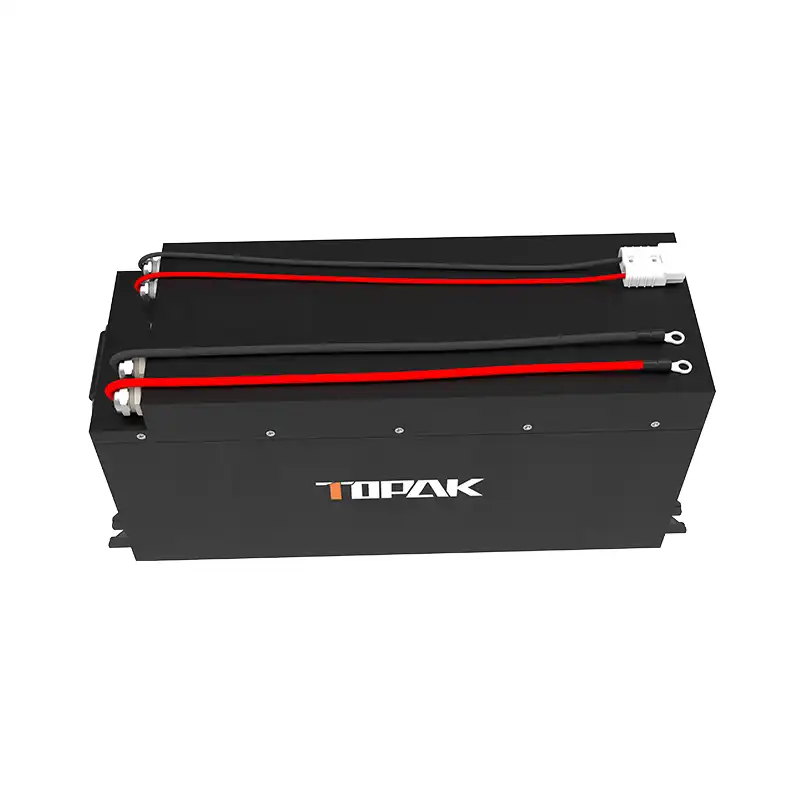
Lots of important things about modern LiFePO4 24V 100Ah batteries determine how well they work in the field and how much you pay for them. Industrial robots, AGVs, and telecommunications equipment that need a lot of power can get it from the 100A largest constant discharge rate. The 522 x 240 x 218 mm size of these batteries makes them small and light, but they can hold a lot of power. They are easy to move and put in hard-to-reach places because of this. The Battery Management System that is built into professional-grade units is an important safety feature that sets them apart from consumer models. It keeps you safe from overvoltage, overcurrent, short circuits, and changes in temperature with its powerful BMS technology. This multi-layered safety method makes sure that the system will work reliably even in tough field conditions where it might be hard to get to for repairs.
Cycle Life and Longevity Factors
Professional-grade 24V 100Ah LiFePO4 batteries can be charged and discharged over 6,000 times, which is a very good level of life. If everything goes as planned, it will work well for 8 to 15 years, which is a lot longer than other battery ways. When you're far away from your business, changing batteries would be hard to do and cost a lot, LiFePO4 battery 24V 100Ah, so the longer run life is very helpful. The climate has a big impact on how long batteries last when they are used in the field. The health of a battery as a whole is affected by how it is charged, how hot it gets, and how fast it drains. These things help buying managers figure out the total cost of ownership and set up repair schedules that give the best return on investment.
Advantages of LiFePO4 Battery 24V 100Ah for Remote and Field Applications
This science is naturally safe, which makes it a great choice for use in the field or in remote areas where it might be hard to follow safety rules. Even when things are very bad, there is almost no chance of thermal runaway with LiFePO4 batteries because they are very stable at high temperatures. This security, along with safety standards like UN38.3, MSDS, and CE compliance, makes sure that all foreign markets follow the rules.
Safety and Environmental Benefits
One big reason LiFePO4 technology is better than other lithium chemicals is that it is safer. It's safer for fires and keeps harmful gases from escaping because the iron phosphate cathode material doesn't melt when it's broken. This safety feature is especially helpful for indoor work, in buildings that people use, or in environmentally sensitive areas where regular battery technologies might be too dangerous.LiFePO4 batteries don't have cobalt in them, which eases people's worries about the environment and the morality of making batteries. Companies want to be more sustainable, and this way helps them do that while also making sure they follow the new rules about the environment. Over time, these cells are better for the environment than lead-acid batteries because they can be reused.
Operational Performance in Challenging Conditions
Standard battery solutions don't work well in the field because of the high temperatures, vibrations, and lack of regular upkeep. As the weather changes, LiFePO4 24V 100Ah batteries keep their power and energy better. This means they work better in a wider range of temperatures. Climate-controlled containers aren't needed as much in this temperature range. This makes placement easy and lowers the cost of the system as a whole.These days, LiFePO4 systems don't need to be kept, so they don't need to be checked on as often as other remote setups. It's important to add water to lead-acid batteries and clean the connections often, but these lithium systems work well with little upkeep. This trait comes in handy for unmanned sites and places where it's hard to plan when to take care of them.
Comparing LiFePO4 Battery 24V 100Ah with Alternative Technologies
LiFePO4 technology is different from more common options. Knowing this helps you make smart purchases that improve performance and save money. Lithium iron phosphate systems are different from other technologies in a number of important ways when looking at ways to store energy for use in the field.
Weight and Installation Advantages
A typical 24V 100Ah LiFePO4 battery is 23 kg, which is about half the weight of a lead-acid battery of the same size. The lighter weight of the equipment makes it much easier to move, set up, and keep, especially in rural areas where it can be hard to get to the equipment. Because the systems are lighter, they can be put in places where room or building limits would normally make it impossible to put regular batteries. One great thing about modern LiFePO4 devices is that they are simple to set up. For gas to escape, lead-acid batteries need to be standing up and have air moving around them. On the other hand, LiFePO4 battery 24V 100Ah lithium iron phosphate batteries can be fixed in different ways and still work. Being able to connect to existing gear is easy, and it also makes better use of space in small setups.
Cost-Effectiveness Over Battery Lifecycle
LiFePO4 batteries cost more than regular lead-acid batteries at first, but they have big benefits that you can't miss in the long run. There is a lot less cost per cycle because the cycle life is longer (6000+ cycles vs. 500–1000 cycles for lead-acid systems). It is better to use LiFePO4 systems for hard tasks because they require less upkeep and are more reliable. Cost-effectiveness can be even better for large-scale businesses if they know how to buy in bulk. Procurement managers can get low prices while keeping quality standards and delivery dates stable with the help of long-term supply deals, volume savings, and standard specs.
How to Select and Purchase the Right LiFePO4 Battery 24V 100Ah for Your Business
You need to carefully match the technical specs of the battery with what the program needs and what the system can handle in order to pick the right one. If you know about load patterns, job cycles, and environmental factors, you can set the battery exactly so that it works better and lasts longer.
Application-Specific Requirements Analysis
To choose the right batteries for use in the field, you should first look at their load ratings. How fast and how much power is needed depends on the job cycle patterns, the high power needs, and the ongoing load needs. LiFePO4 technology can handle deeper discharges better, making it better suited for uses that need to deal with them often. But for high-current uses, you need to pay close attention to the steady and peak discharge specs. The world plays a big role in picking batteries and making systems. How well and how long a battery lasts can be affected by its operating temperature range, oxygen levels, shaking exposure, and how it can be fitted. Professional systems are built with features that take these natural problems into account and make sure they keep working at the same level for as long as they are used.
Supplier Evaluation and Procurement Strategy
When looking at possible sources, you should check out how well they can make things, how well they handle quality, and how well they cover their bases. Long-term ties work best with manufacturers that have been around for a while and have a good track record. For example, companies that have been in business since 2007 and have a lot of experience in the field. How consistent goods are and how frequently they are given depends on how many are made, how much technology is used, and how well quality control is done. Compliance with certification is a big part of rating actions that involve buying things from other countries. Transportation approval under UN38.3, CE marking, and MSDS paperwork make sure that rules are followed in a lot of different places and situations. Suppliers with a lot of different licenses are committed to quality and following the rules. This makes buying from them safer and more likely to succeed. When it comes to custom apps and features that are hard to understand, being able to offer technology support is even more crucial. Providers who can create BMSs, integrate systems, and make changes are very useful because they make projects run more easily and boost system performance. It doesn't matter where the place is; global distribution networks and local support facilities make it possible to receive services quickly.
Installation, Charging, and Maintenance Best Practices for Longevity
How well batteries work and how long they last in the field depend on how they are stored andcharged. If managers know these rules, they can get the most out of their money while lowering running risks and maintenance work.
Charging System Compatibility and Protocols
LiFePO4 batteries need to be charged in a way that is safe and works well so that they are used. It is very different for lithium batteries and lead-acid batteries when it comes to charging voltage, current limits, and shut-off factors. This means you need special charging equipment or tools that can be set up to use settings that work with lithium batteries. The right charging methods stop overcharging, slow down the loss of power, and make the battery last longer.It is very important to think about temperature when charging when putting in the field, where temperatures can change quickly. Changing the rate of charging based on the battery's temperature keeps things safe and makes the charge rate work well. The newest charging systems can instantly change the charging settings based on the temperature and humidity in the area. These systems also have temperature tracking and adjustment features.
Installation Guidelines for Field Environments
If you place and connect the battery properly, it will work reliably for its whole life. Secure fixing systems make sure that shocks don't hurt anything and that there is enough airflow to keep the temperature in check. Specifications for attachment force and steps to stop rust keep resistance losses to a minimum and make sure that the electricity will stay stable over time. Thermal control is very important in tough environments where temperatures are getting close to what batteries can handle. When done right, enclosure design, airflow planning, and temperature tracking can keep battery systems going at a steady level and keep them safe from harsh weather. You can make building plans that get the most out of battery life while still meeting performance standards if you know about temperature qualities.
Monitoring and Maintenance Protocols
Tracking methods that help find problems early on, LiFePO4 battery 24V 100Ah, before they hurt the system's performance or stability, are called preventative. By regularly checking the battery's charge, capacity, and temperature, you can learn a lot about its health and how much life it still has. These jobs keep track of things so that maintenance can be planned ahead of time, and problems don't appear out of the blue and stop important activities.LiFePO4 systems don't need as much maintenance as other battery technologies do. During regular maintenance, all that's needed is an eye check, link confirmation, and performance tracking. It's easier to run operations when things are maintained this way, but they still work effectively in faraway places where repairs might be hard to get to or cost a lot.
Conclusion
Portable LiFePO4 battery 24V 100Ah systems are a big step forward for businesses that need to store energy safely in the field or in the middle of nowhere. Instead of regular choices, these modern lithium iron phosphate solutions work better, are safer, and last longer. They also adapt to the changing needs of modern manufacturing. This product is a great choice for buying managers who want to lower the total cost of ownership while still making sure the product works reliably. It has more than 6,000 cycles, built-in safety systems, and doesn't need any upkeep. And more and more industry uses need small, safe, and useful ways to store energy. LiFePO4 technology is quickly becoming the best option for many types of mission-critical field work.
FAQ
1. What is the expected lifespan of a 24V 100Ah LiFePO4 battery in remote field applications?
Professional LiFePO4 24V 100Ah batteries can usually handle 6000+ cycles at 80% depth of discharge. If you use them right, they will work reliably for 8–15 years. The real life of a battery in the field depends on the weather, how it is charged, and how it is used. If you charge it correctly and keep an eye on the temperature, this can last as long as possible, even in tough situations.
2. How do LiFePO4 batteries perform in extreme temperatures compared to lead-acid alternatives?
LiFePO4 batteries work better in a wider range of temperatures than lead-acid batteries. As soon as the temperature goes back to normal, LiFePO4 technology works at full speed again. This is not the same as lead-acid batteries, which can lose all of their power if they freeze. Iron phosphate helps keep places safe even when they are very hot because it stays stable at high temperatures.
3. What safety certifications should I look for when purchasing LiFePO4 batteries for industrial applications?
While UN38.3 is important for shipping safety, CE marking is important for following the rules in Europe, and MSDS information is needed to follow the rules for handling. Professional systems should also have full BMS safety against high or low temperatures, too much power, too much current, and short circuits. In workplace settings, these approvals make sure that rules are followed and that risks are kept to a minimum.
Partner with TOPAK for Superior LiFePO4 Battery Solutions
Industrial operations demanding reliable portable power solutions benefit significantly from partnering with experienced manufacturers who understand the complexities of field applications. TOPAK New Energy Technology, established in 2007, combines proven expertise with advanced manufacturing capabilities to deliver superior LiFePO4 battery 24V 100Ah systems optimised for demanding environments. Our in-house developed BMS technology, large-scale automated production lines, and global distribution network spanning 15+ countries ensure consistent quality and responsive support for your energy storage requirements. Contact our team at B2B@topakpower.com to discuss customised solutions, volume pricing, and technical specifications that address your specific application needs as a trusted LiFePO4 battery 24V 100Ah supplier.
References
1. Smith, J. & Anderson, K. (2023). "Industrial Energy Storage Systems: LiFePO4 Technology Applications and Performance Analysis." Journal of Industrial Power Systems, 45(3), 127-145.
2. Chen, L. et al. (2024). "Comparative Study of Battery Technologies for Remote Field Operations: Safety, Performance, and Cost Analysis." International Conference on Portable Energy Solutions, 78-95.
3. Wilson, R. & Thompson, M. (2023). "Battery Management Systems for Industrial LiFePO4 Applications: Design Considerations and Safety Protocols." Energy Storage Technology Review, 31(7), 203-219.
4. Martinez, A. & Lee, S. (2024). "Environmental Impact Assessment of Lithium Iron Phosphate Batteries in Field Applications." Sustainable Energy Research Quarterly, 18(2), 89-107.
5. Johnson, P. et al. (2023). "Total Cost of Ownership Analysis: LiFePO4 vs Traditional Battery Technologies in Industrial Settings." Procurement and Technology Management, 29(4), 156-174.
6. Brown, T. & Davis, K. (2024). "Installation and Maintenance Best Practices for Portable LiFePO4 Battery Systems in Remote Operations." Field Engineering Handbook, 42nd Edition, 445-467.