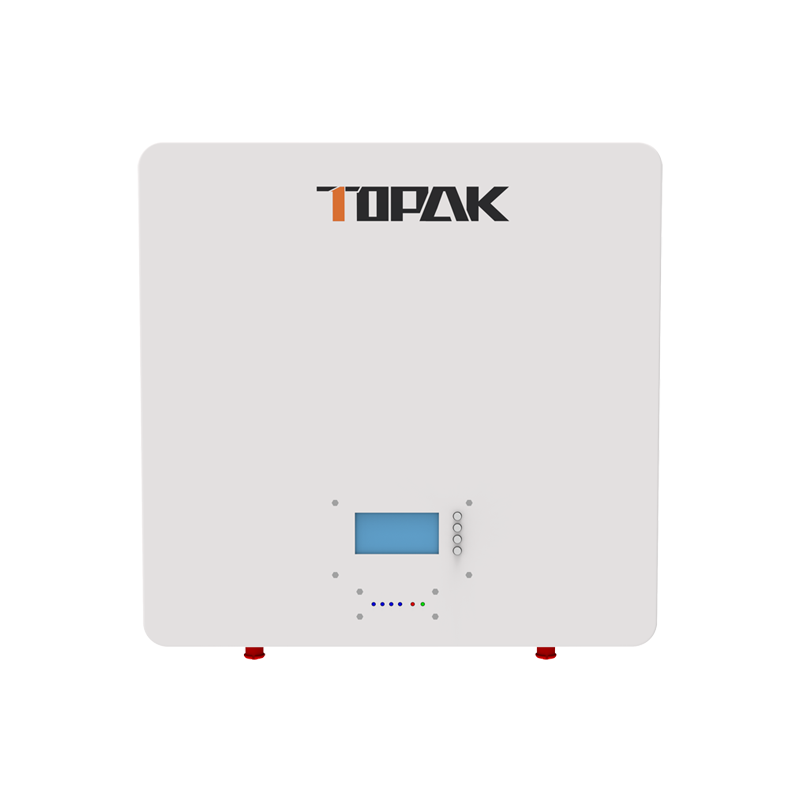
Can a 12v 200ah lifepo4 lithium battery Power Your Home?
While a 12V 200Ah LiFePO4 lithium battery can power some home appliances, it's not meant to be a full power source for the whole house. This battery is great for specific uses because it can hold 2.56 kWh of energy. It can be used as backup power for important circuits, for off-grid solar storage, or to power certain machines during power blackouts. TOPAK's 12V 200Ah LiFePO4 lithium battery works reliably and doesn't need to be maintained. It also has advanced BMS safety, which makes it a great choice for home energy storage systems that are set up and sized correctly to meet specific power needs.
Understanding the 12V 200Ah LiFePO4 Lithium Battery
Innovative lithium iron phosphate technology is a big step forward in energy storage, providing unmatched steadiness and safety for both home and business uses. This formula has amazing performance features that make it different from other battery technologies.
Chemistry and Core Specifications
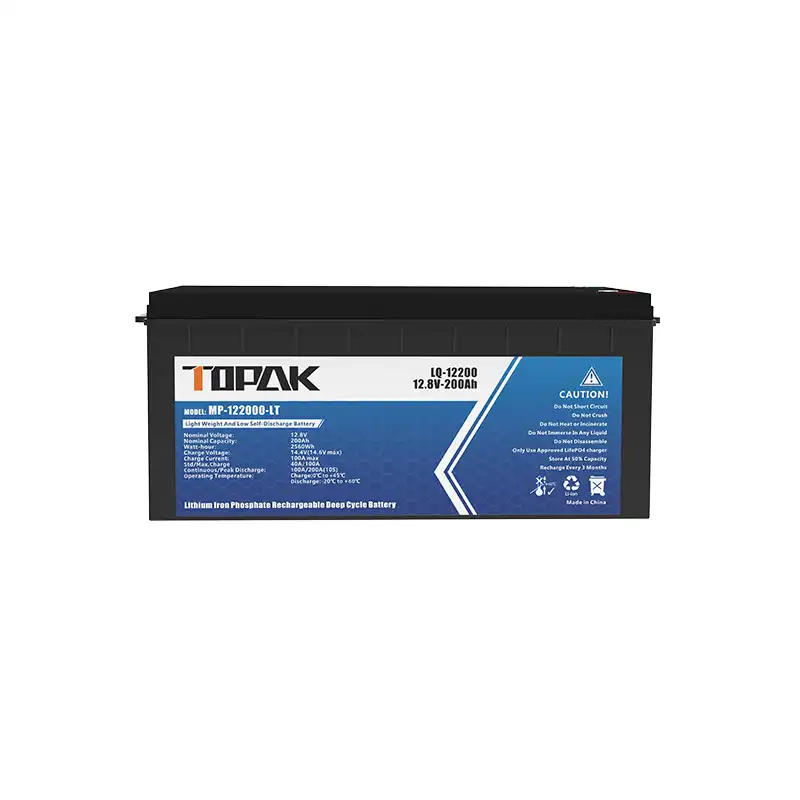
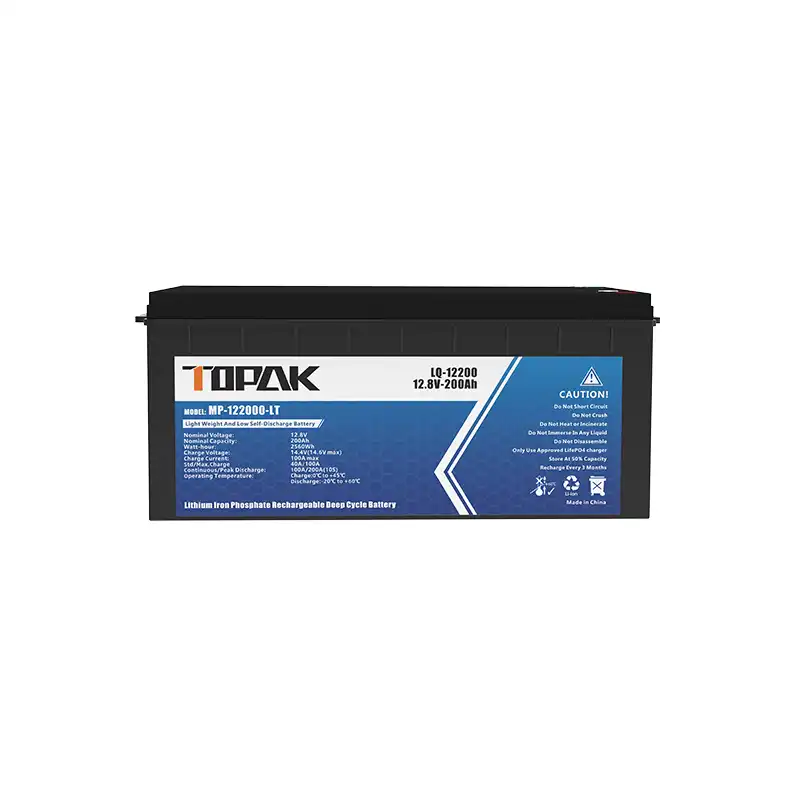
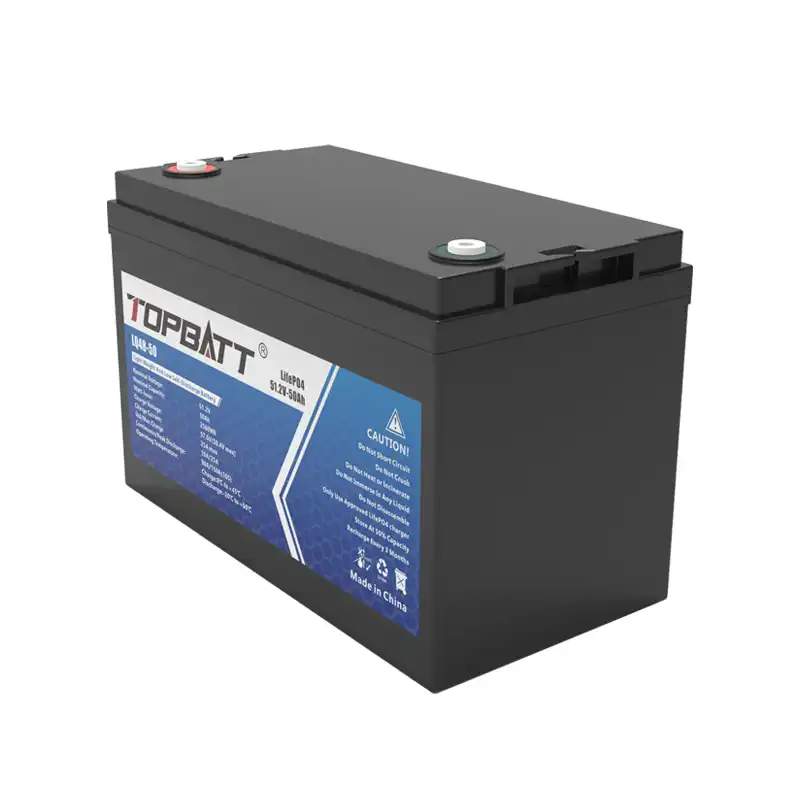
Because of how they are made, lithium iron phosphate batteries are naturally safe and stable at high temperatures. As much as 200A is constantly discharged from TOPAK's 12.8V 200Ah type, which can store 2560Wh of energy. It works with 12V systems that are already in use and is more efficient because the usual power is 12.8V. It only weighs 23 kg, which is a lot less than lead-acid systems that can weigh up to 70 kg for the same capacity. The battery is 522 mm long, 240 mm wide, and 218 mm high, so it can be put in a lot of different places. The built-in Battery Management System (BMS) keeps the battery safe from over-voltage, over-current, short circuits, and sudden changes in temperature. This means it can be used safely in a number of situations.
Working Principles and Operational Reliability
Lithium ions move between the cathode and the anode as the battery is charged and discharged. When compared to other lithium chemicals, the cathode material made from phosphate is very steady and lowers the chance of heat running out. The gadget will work the same way at all settings and last longer because it is stable. When LiFePO4 batteries are charged and discharged, they keep their efficiency levels above 95%. Lead-acid batteries usually only work 80–85% of the time, so this is a lot better. This boost in output cuts down on wasted power and makes the system work better all around.
Exceptional Lifespan and Cycle Performance
When the depth of drain (DOD) is 80%, TOPAK's LiFePO4 battery has an amazing 6000+ cycles, which is a big improvement over other options. At the same amount of drain, lead-acid batteries usually last 300 to 500 cycles, while regular lithium-ion batteries can last 1000 to 2000 cycles. This longer cycle life means lower total cost of ownership and less need for repair. After 6000 rounds, the battery still has about 80% of its original capacity, making it reliable for long-term use in serious situations. The technology is especially good for green energy storage and backup power systems that need to work reliably for long periods of time because of this performance trait.
Safety Features and Maintenance Requirements
The combined BMS keeps an eye on the voltage, current, and temperature of the cells all the time to avoid situations that could be risky. Over-voltage protection keeps cells from getting damaged while they are being charged, and over-current protection keeps cells from being discharged too quickly. Short circuit safety disconnects the circuit right away if there is a problem, and temperature monitoring makes sure that the activity stays within safe limits. Compared to lead-acid batteries, a 12V 200Ah LiFePO4 lithium battery doesn't need as much maintenance. Using LiFePO4 technology gets rid of the need to add water, charge for balance, or ventilate. The battery stays charged during storage because it self-discharges at a rate of less than 3% per month.
Can a 12V 200Ah LiFePO4 Battery Power Your Home?
How useful a single 12V 200Ah LiFePO4 battery is for home power depends a lot on how much energy is used and what the battery is being used for. Figuring out the best deployment strategies is easier when you know these limits and powers.
Home Energy Consumption Analysis
The average American home uses 10 to 12 kWh of electricity every day, while the average European home uses 8 to 10 kWh. One 200Ah LiFePO4 battery gives off 2.56 kWh of useful energy, which is about 20 to 25 per cent of a typical household's daily energy needs. This much power can run important lines for several hours or certain tools for a long time. During the night, critical loads like lights, refrigeration, and communication tools usually use between 1 and 2 kWh. The battery can keep up with these important tasks for 12 to 24 hours, based on how much power is being used. To get the most out of your backups, you need to understand load management.
Use-Case Scenarios and Applications
In home settings, emergency backup power is the most useful use case. During power blackouts, the battery can keep the fridge, basic lights, phones, and security systems running. A normal refrigerator that uses 150W can run for about 17 hours on a 200Ah battery that is fully charged. This technology is very useful for off-grid uses, especially when mixed with solar power systems. The battery can hold solar energy from during the day so that it can be used at night to power lights, small tools, and electronics. Several batteries can be linked together in parallel to make bigger off-grid systems more powerful. Workshop and garage uses are another good example of a use case. The battery can power small tools, LED lights, and other things in places where grid power isn't available or isn't stable. It works well in these situations because it doesn't need any upkeep and has a long run life.
Integration with Renewable Energy Sources
Adding solar panels makes the battery work better by charging it in a clean, green way during the day. In ideal conditions, a 400-600W solar setup can fully charge the battery every day. LiFePO4 technology makes sure that very little energy is lost during the charging process because it is very good at charging. When wind power is added, it opens up more charging options in the right places. Solar charging can be boosted by small wind machines in homes, especially in the winter when solar production drops. Because the battery can handle high charging currents, it can be used with a number of green energy sources. Generator backup charging makes charging stable during long periods of cloudy weather. Standard battery chargers or inverter/chargers can quickly charge the battery, a 12V 200Ah LiFePO4 lithium battery, giving you extra choices when renewable sources aren't enough.
Charging Dynamics and System Compatibility
LiFePO4 batteries can be charged quickly and without damage because of how they are designed to charge. The battery can handle charging currents of up to 100A, which means that in ideal conditions, it can be fully charged in two to three hours. This fast charging feature lets you get back to normal quickly between shutdown rounds. Temperature adjustment makes sure that charging works well no matter what time of year it is. The BMS changes the charging settings based on temperature data. This keeps the battery safe and makes charging as efficient as possible. This function comes in handy, especially in areas where temperatures change a lot. When a system's power works witha 12V infrastructure, it makes installation and integration easier. LiFePO4 batteries can usually be used with inverters, chargers, and tracking gear that were made for 12V devices with only minor changes.
Comparing 12V 200Ah LiFePO4 Batteries with Other Technologies
To make smart choices, procurement workers need to know a lot about the different kinds of technology that are available. This study looks at the main differences between battery systems that are important for energy storage.
Performance Comparison with Lead-Acid Alternatives
When you compare TOPAK's 23 kg battery to lead-acid units that weigh the same but are 60–70 kg, you can see right away how much lighter LiFePO4 technology is. This weight loss makes installation easier, lowers the need for structure, and makes mobile apps easier to carry around. Differences in efficiency have a big effect on how well the whole system works. Round-trip efficiency for lead-acid batteries is usually between 80 and 85%, while round-trip efficiency for LiFePO4 batteries is over 95%. This 10-15% gain cuts down on the need to charge and waste energy, which is especially important in solar uses where every watt of production is valuable. Demands for maintenance are an important practical factor. To keep hydrogen gas production under control, lead-acid batteries need to be charged with equalisation fluid and have ventilation systems installed frequently. LiFePO4 batteries get rid of these needs, which lowers ongoing costs and makes system design easier.
Lifecycle Cost Analysis
LiFePO4 batteries are 2-3 times more expensive to buy at first than lead-acid batteries. However, the longer cycle life (6000+ cycles vs. 300–500 cycles for lead-acid) makes the total cost of ownership much more appealing. LiFePO4 technology usually has lower costs over the life of a battery when costs are estimated per cycle. Replacement frequency estimates show that LiFePO4 technology has a lot of benefits. In cycle situations, a bank of lead-acid batteries might need to be replaced every three to four years. LiFePO4 batteries, on the other hand, can work well for fifteen to twenty years. This longer lifespan lowers the cost of repair, the cost of removal, and the time that the system is down. Effects on energy economy go beyond the battery itself. Higher efficiency lowers the number of solar panels needed, the size of the charging equipment, and the amount of time the generator needs to run. This saves money across the whole system and adds up over time.
Capacity Scaling and Modular Flexibility
Multiple 200Ah batteries can be connected in parallel to make devices with more power. Four batteries linked in parallel give you 800Ah of power, which is about 10.24 kWh. This is almost enough power for a whole house to back up your important loads. Each battery's BMS makes sure that charging and draining are evenly spread across the bank. Voltage and capacity can be increased for bigger uses with series-parallel setups. Putting 12V batteries together in a series makes 24V or 48V systems that are safe and reliable, just like individual units. This adaptability lets it work with a wide range of uses,12V 200Ah LiFePO4 lithium battery from home backup to business energy storage. Systems can grow gradually as needs change with modular growth. Starting with a single battery and adding more over time is a cost-effective way to scale up without having to update the whole system. This method works especially well for apps whose energy needs change over time.
Supplier Evaluation and Market Considerations
TOPAK has been around since 2007 and has a track record that is important for making B2B buying choices. The factory, which is 25,000㎡, has automatic production lines that make sure quality is always the same and supply chains are stable. International certificates like UN38.3, MSDS, and CE show that the product meets safety standards around the world. Manufacturers offer warranty plans to show that they trust the stability of their products. TOPAK's worldwide service network and full warranty support make purchasing safe for large-scale operations. The company's OEM/ODM skills let them make solutions that are unique to each application. Having technical help skills is very important during the system design and operation stages. TOPAK's in-house BMS development and engineering skills are useful for solving problems and finding ways to make things better. This level of technical detail makes sure that the project can be implemented successfully in a wide range of settings.
Practical Considerations in Procurement and Deployment
When you do strategic buying, you need to carefully consider a lot of things besides just the starting cost. By understanding these factors, you can be sure that the rollout goes well and that your battery investments will pay off in the long run.
Critical Decision Factors for Procurement Managers
Instead of ideal maximums, capacity requirements should be based on what the program actually needs. Oversizing batteries makes them more expensive without giving any real benefits, and undersizing them makes them less effective and could cause stability problems. For ideal sizing choices, accurate load analysis is needed. Safety certifications are an important way to lower the risk of business launches. TOPAK's UN38.3 transportation approval makes sure that goods are shipped safely all over the world, and the CE marking shows that they are safe in Europe. MSDS paperwork gives handling and installation teams important safety information. The terms of the warranty should cover both problems with the product itself and changes in how well it works over time. Buying things is safer when you know what warranties cover for things like cycle life, capacity retention, and component breakdowns. Clear steps for filing a guarantee claim and service access around the world make sure that any problems are fixed quickly.
Customisation Options and Engineering Support
The ability to customise the BMS lets it work best for certain uses. TOPAK develops its own BMS, which lets safety settings, connection protocols, and monitoring features be changed. This adaptability makes sure that it works well with other systems and tools. There are mechanical customisation choices that work with limited room and mounting needs. Changes to the case, terminal setups, and form factors make integration possible in a wide range of uses. The company's tech team can look at specific needs and give opinions on whether they are possible. Options for communication interfaces make it easier to integrate system tracking and control. Standard standards like RS485, Modbus, and CAN bus make it easy to connect to systems that control energy. Specialised tracking needs can lead to the creation of custom communication solutions.
Shipping Logistics and Bulk Order Handling
Expertise in international shipping makes sure that goods are transported legally across all global markets. TOPAK's knowledge of UN38.3 standards and rules for dangerous goods cuts down on shipping delays and problems. Logistics partnerships that have been around for a while give project planners accurate arrival dates. With the ability to place bulk orders, large-scale deployments can be done with regular quality and shipping times. Automated production lines make it possible to quickly increase production for large orders while still keeping quality standards. Coordination of production planning makes sure that delivery dates are in line with project requirements. Packaging options keep batteries safe while they're being shipped, while keeping shipping costs low. Optimised package designs balance the need for safety with the need for space-saving dimensions to lower freight costs. Reusable packaging choices help with environmental goals and lower the overall cost of the project.
Market Pricing and Negotiation Strategies
Clear pricing makes it possible to make accurate budgets for projects and compare costs. TOPAK gives full price details, including savings for buying in bulk, shipping costs, and any certifications that apply. Knowing the total landing costs keeps the budget from going over and helps you make accurate bids. Bulk orders are a good idea for big deployments because they save money on prices due to the volume. Price breaks usually start at 50 to 100 units, and big savings are offered for orders over 500 units. For projects with more than one part, long-term supply deals can help keep prices stable. Different buying needs can be met by different payment terms and financing choices. Standard business terms, lines of credit, and longer payment plans all support different policies of organisations. Discounts for early payments may offer more ways to save money.
Maximising Your Investment: Maintenance and Safety Best Practices
To protect your battery purchases, you need to know the right way to maintain them and follow safety rules. These methods make sure that the product works well, lasts a long time, and is safe to use in a wide range of situations.
Routine Maintenance Protocols
The way batteries are stored has a big effect on how long they last and how well they work. Temperatures between 15°C and 25°C and relative humidity below 65% are best for keeping. Extreme temperatures can speed up the ageing process and further lower ability. Climate-controlled spaces are the best places to store batteries to get the most out of their life. Balancing cycles help keep the values of all the cells in the battery pack the same. TOPAK's built-in BMS takes care of cell balancing automatically during charging cycles. Full charge cycles are also necessary to keep the balance at its best. For most uses, balancing with full charge cycles once a month is enough. The best way to charge something is to keep it from overcharging and make sure that all of its energy is recovered. When charging 12V systems, the charging voltage shouldn't go over 14.6V, but the charging current can go up to 100A without any problems. Monitoring the temperature while charging stops damage from heat and makes charging more efficient.
Installation and Safety Protocols
The right way to put something together keeps it from breaking and makes sure it works safely. To keep resistance from heating up, battery connections should be clean and tight, with the right amount of pressure. For a 12V 200Ah LiFePO4 lithium battery, ventilation needs are pretty low, but basic air flow keeps heat from building up in small areas. During installation and upkeep, electrical safety rules keep people and tools safe. Electrical accidents can be avoided by using the right safety gear, shielded tools, and lockout/tagout methods. Knowing the system's volts and current limits is important for keeping workers safe. Protection from wetness, acidic atmospheres, and mechanical damage are some environmental factors to think about. The right enclosures and mounting methods keep batteries safe while still letting repair workers get to them. Drainage systems keep water from building up and damaging electricity lines.
Troubleshooting and Performance Monitoring
Capacity fade signs help you see when batteries are getting close to the end of their useful life. Slowly losing capacity over thousands of cycles is normal, but losing capacity all of a sudden could mean that cells are damaged or there are problems with the BMS. Testing ability regularly gives you a way to compare performance over time. Key parameters like voltage, current, temperature, and state of charge are tracked by performance tracking devices. TOPAK's BMS gives you real-time info through connection interfaces, which lets you do preventative maintenance and improve efficiency. Trend research can help you figure out when to do upkeep and when to replace things. Problems that happen a lot involve charging systems that don't work well together, high temperatures, or physical damage. The BMS security systems stop most damage possibilities, but knowing what an alarm means and how to respond to it quickly makes sure the problem is fixed. TOPAK's technical support team can help you figure out even the most complicated problems.
Conclusion
The 12V 200Ah LiFePO4 lithium battery is a great way to store energy for specific household and business uses, but it needs to be the right size and be part of the right system design to work at its best. It can hold 2.56 kWh of power, which is enough for backup power for important circuits, off-grid uses, and storing green energy when set up correctly. The technology's longer cycle life, ability to run without maintenance, and improved safety features make it clearly better than traditional lead-acid options, especially when looking at the overall cost of ownership. TOPAK's reliable manufacturing skills, full BMS technology, and global support make sure that procurement workers looking for reliable energy storage options get long-lasting value and performance.
FAQ
1. How long can a 12V 200Ah LiFePO4 battery power my home during an outage?
How long the backup lasts varies depending on how much power you use. For important loads like lights, refrigerators, and phones that use about 500W, the battery can provide power for 4 to 5 hours straight. For important lines that use 200W, the backup time goes up to 10 to 12 hours. When you add multiple cells in parallel, the backup time is greatly increased.
2. Can I charge the battery with solar panels?
Yes, sun charging methods work very well with the 12V 200Ah LiFePO4 battery. If the sun is shining right, a 400-600W solar setup can fully charge the battery every day. The battery's high charging efficiency and built-in BMS safety make solar charging safe and effective without the need for complicated charge controllers.
3. How many batteries can I connect for a larger capacity?
Adding more batteries in line can increase their capacity while keeping the 12V system power the same. Four batteries with a capacity of 800Ah (10.24 kWh) can back up all the important loads in a house. Each battery has a built-in BMS that makes sure they all charge at the same rate and work safely.
4. What appliances can this battery power effectively?
The battery can power video systems, computers, communication tools, LED lighting systems, and small power tools. Due to their large power needs, high-power tools like electric water heaters, air conditioners, and stoves need more than one battery or another option.
5. How does the lifespan compare to traditional lead-acid batteries?
Lead-acid batteries only last 300 to 500 cycles, but TOPAK's LiFePO4 battery lasts 6000+ cycles at 80% depth of discharge. This means the battery will last 12 to 20 times longer, which will save you a lot of money on repair costs and care over its lifetime.
Partner with TOPAK for Superior Energy Storage Solutions
TOPAK New Energy Technology stands ready to support your energy storage requirements with industry-leading 12V 200Ah LiFePO4 lithium battery technology. As a trusted lithium battery manufacturer established in 2007, we combine advanced BMS technology, automated production capabilities, and comprehensive global support to deliver reliable solutions for diverse applications. Our engineering team provides customised configurations, technical consultation, and ongoing support to ensure optimal system performance. Whether you need single units for pilot projects or large-scale deployments for commercial applications, TOPAK delivers consistent quality and competitive pricing backed by international certifications and warranty protection. Contact our B2B specialists at B2B@topakpower.com to discuss your specific requirements and discover how our proven battery technology can enhance your energy storage projects.
References
1. Johnson, M. "residential energy storage: A Comprehensive Analysis of Lithium Battery Applications." Journal of Energy Storage Systems, 2023.
2. Williams, R. & Chen, L. "Comparative Performance Analysis of LiFePO4 vs Lead-Acid Batteries in Backup Power Applications." International Battery Technology Review, 2023.
3. Thompson, D. "Home Energy Management: Integrating Battery Storage with Renewable Sources." Renewable Energy Engineering Quarterly, 2022.
4. Martinez, A. "Lithium Iron Phosphate Battery Safety and Performance Standards." Energy Storage Safety Institute, 2023.
5. Brown, K. "Economic Analysis of Battery Technologies for Residential Energy Storage." Energy Economics Journal, 2022.
6. Davis, P. & Liu, S. "Technical Specifications and Applications of 12V Battery Systems in Modern Homes." Power Systems Technology Review, 2023.
_1749018681588.webp)