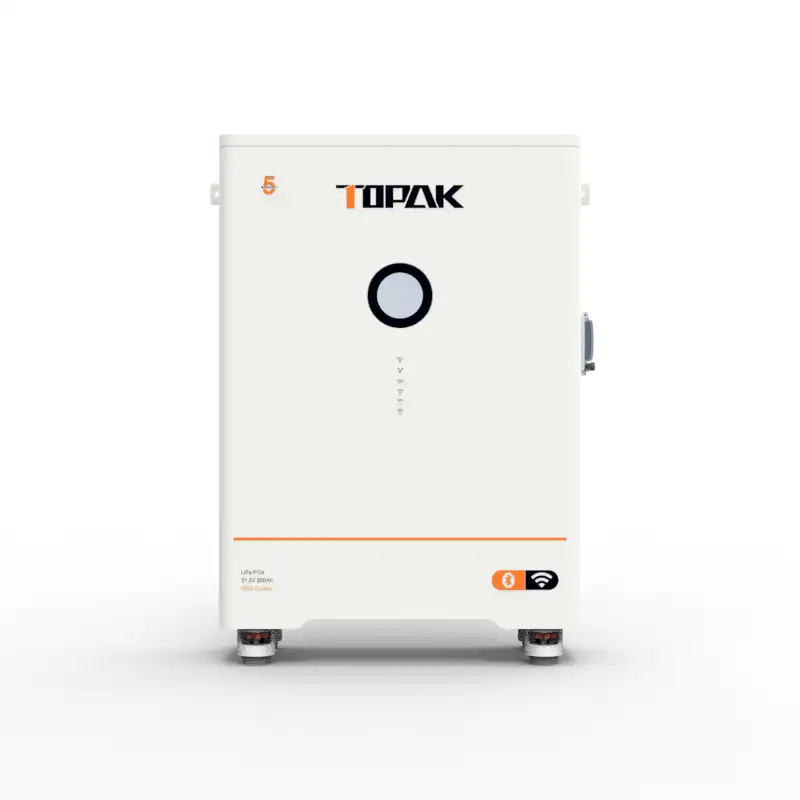
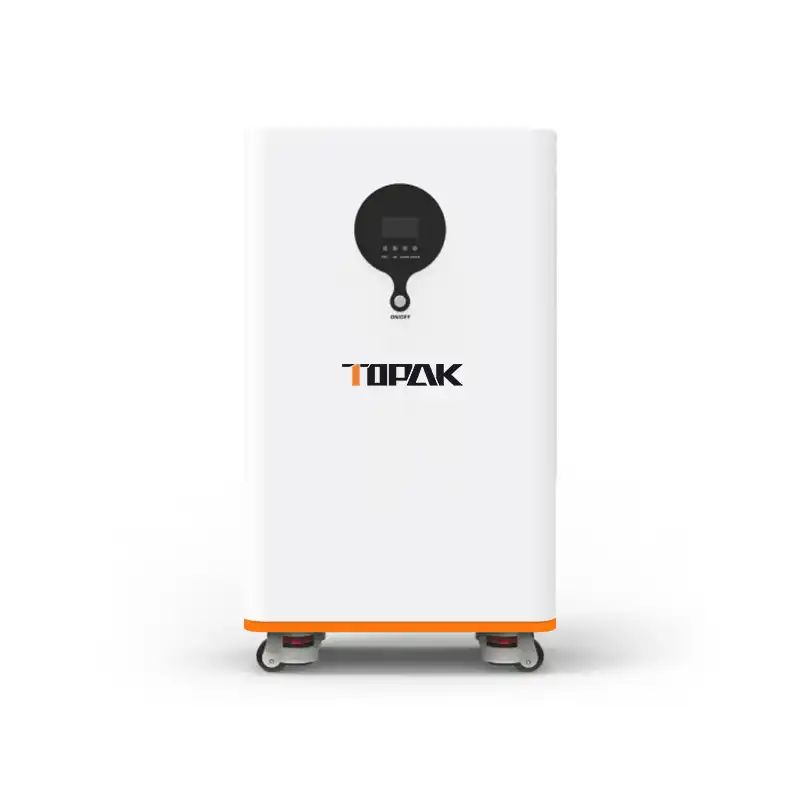
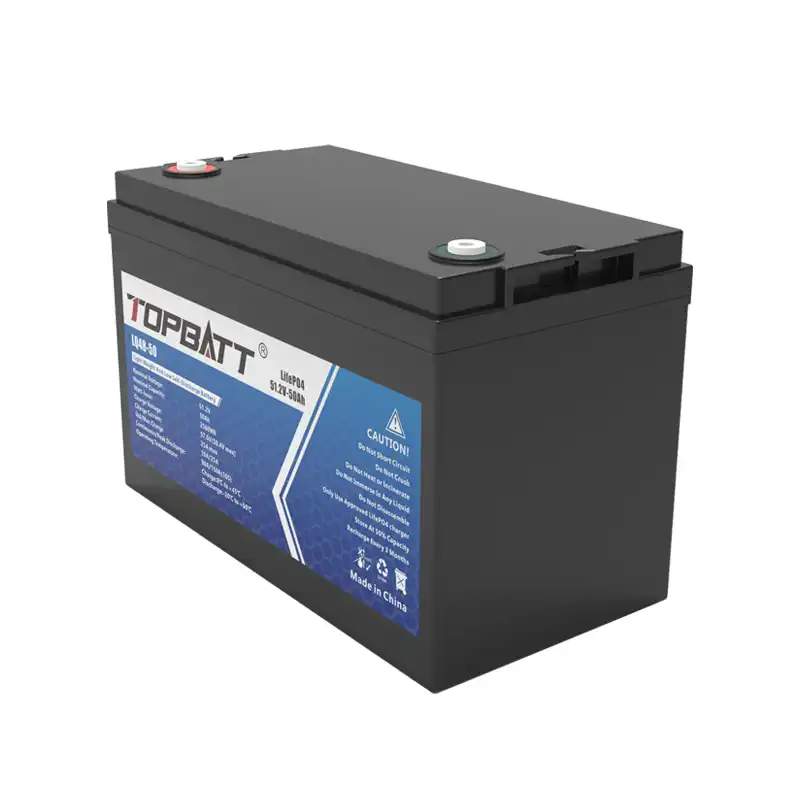
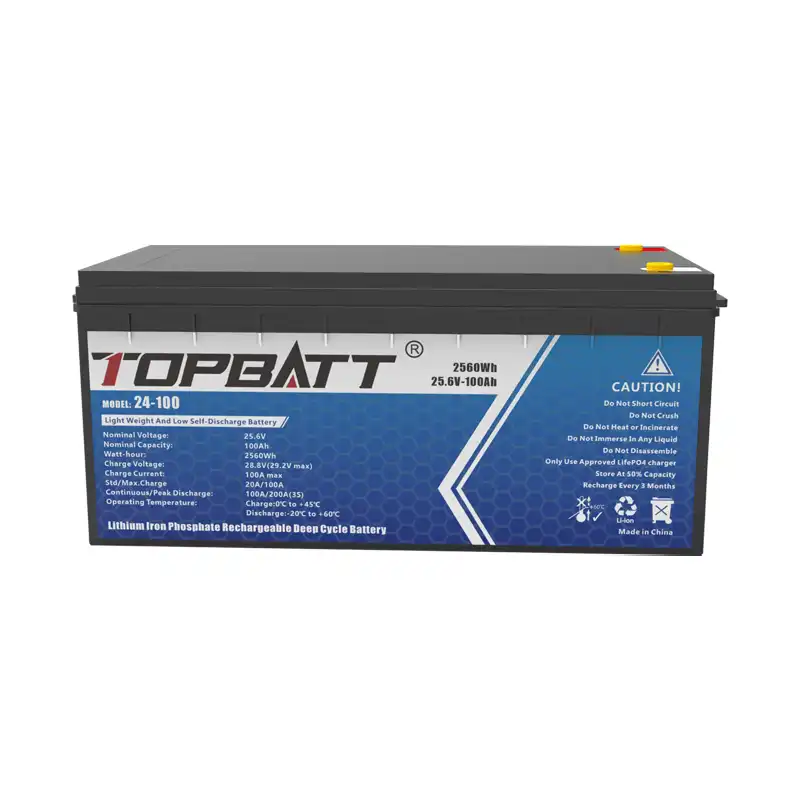
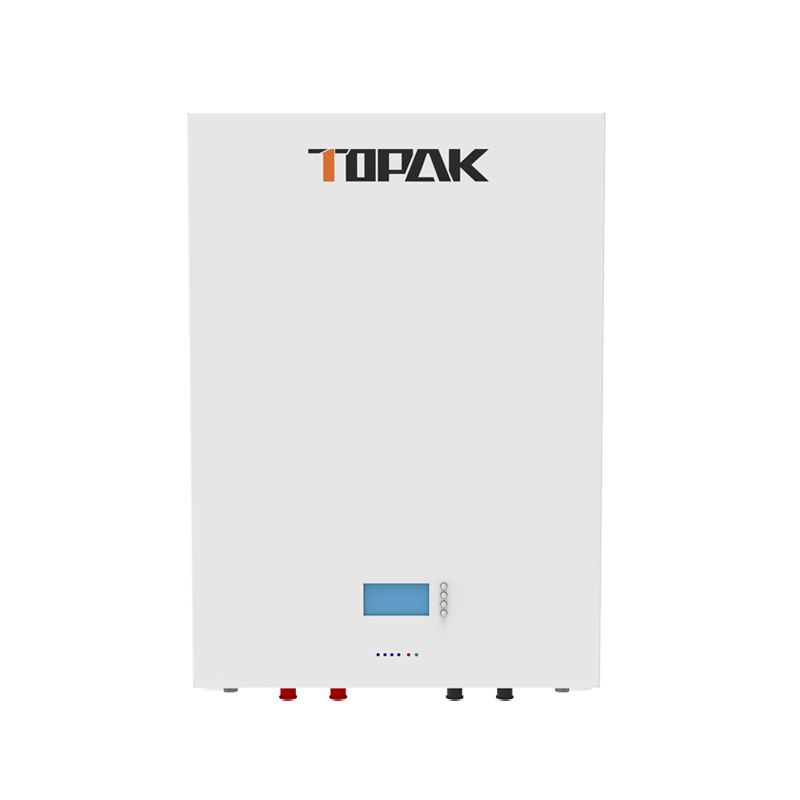
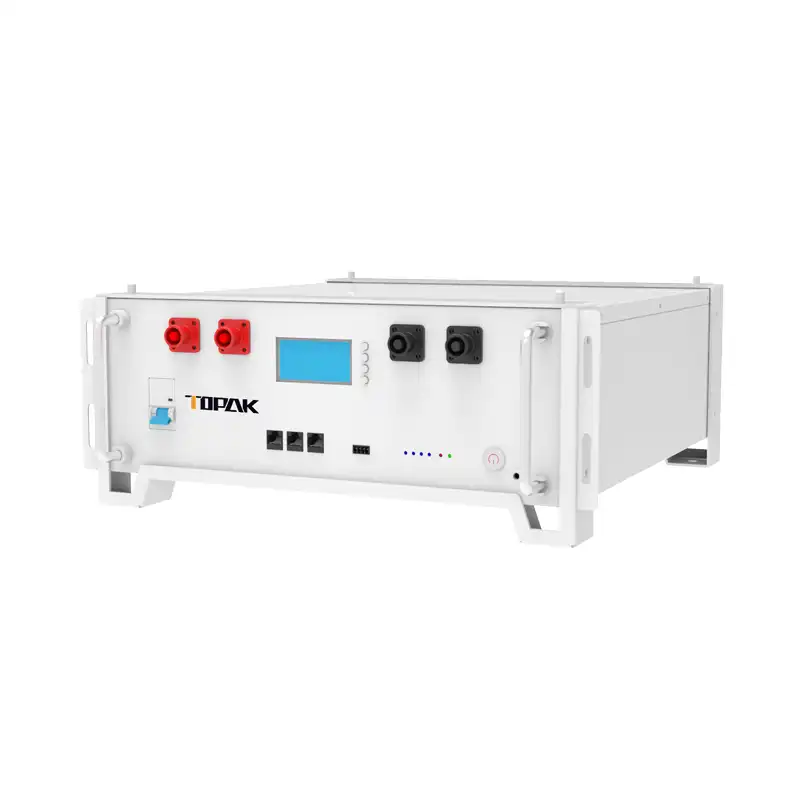
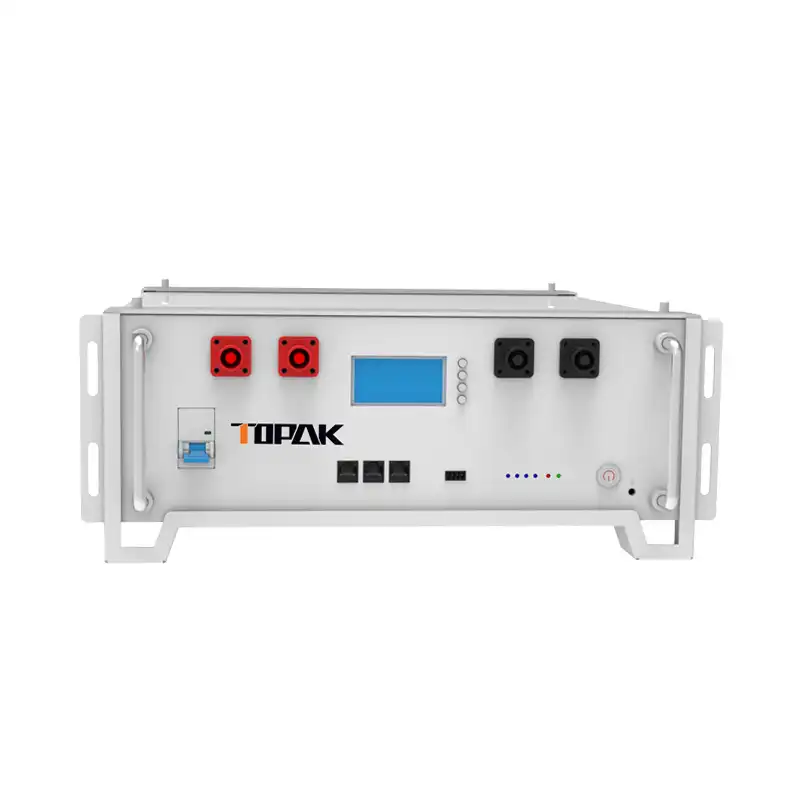
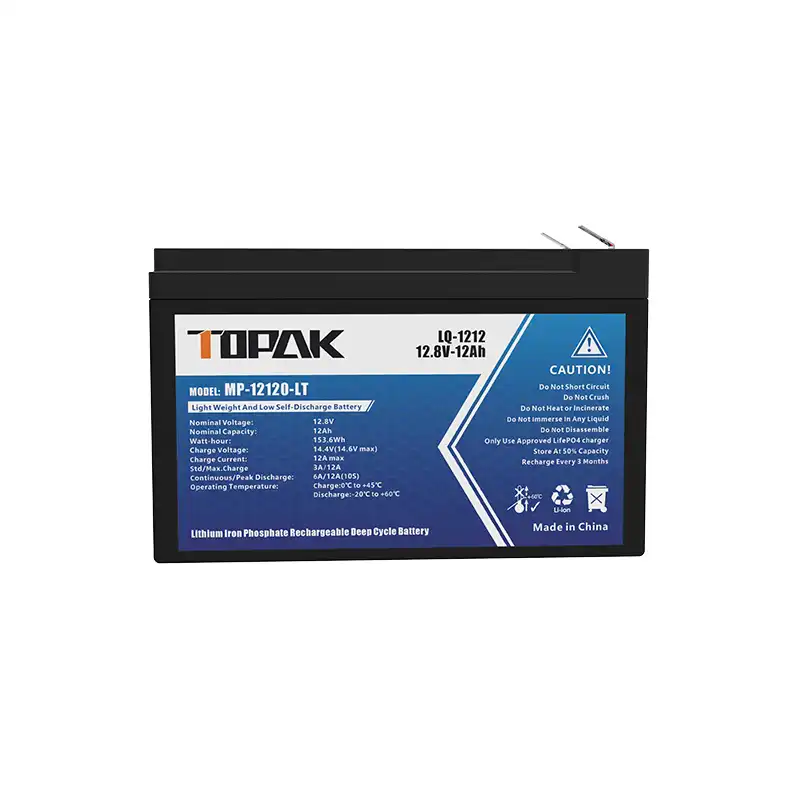
Why Upgrade to a 200ah lithium iron phosphate battery Today?
Going with a 200ah lithium iron phosphate battery is a smart move toward the next generation of energy storage. Today's industrial settings need power options that work well and quickly so they can handle long cycles of work while still meeting safety standards. LiFePO4 technology has a very long cycle life—more than 6,000 charge cycles at 80% depth of discharge. It also stays stable at higher temperatures and has safety features built in. These high-tech batteries can be charged quickly and don't need to be taken care of. They are great for industrial tools, systems that store energy, and backup power systems that need to work all the time.
Understanding the 200ah Lithium Iron Phosphate Battery
The 200ah lithium iron phosphate battery is very different from most lead-acid batteries in how it works because it uses smart electrical engineering. LiFePO4 chemistry uses a liquid to move lithium ions from an anode made of graphite to a cathode made of iron phosphate. This makes a method for keeping energy that is safe and stable.
Core Chemistry and Engineering Principles
For LiFePO4 batteries to work, lithium ions have to move back and forth in the crystal structure of the electrodes. This is called intercalation. The voltage stays the same during the discharge cycle thanks to this process. This means that the power output stays the same even when heavy loads are put on it. The iron phosphate cathode material is much more stable at temperatures above 350°C than other lithium-ion devices. This means that thermal runaway is much less likely to happen.
Voltage and Capacity Specifications
These days, 200ah LiFePO4 batteries take in 12.8V of power and can store 2560Wh of power. The 200-ampere-hour number means that the units can keep giving power for a long time. They are perfect for industrial equipment that needs power that you can count on. LiFePO4 technology has a flat discharge curve that makes sure that machinery always has the same amount of power. Because of this, performance doesn't drop as it does with lead-acid options.
Built-in Safety Features and Environmental Benefits
Good LiFePO4 batteries have advanced Battery Management Systems (BMS) that keep them safe from overvoltage, undervoltage, overcurrent, and changes in temperature. Each cell has safety circuits that keep an eye on it to make sure that charging is even and nothing dangerous happens. Because iron phosphate batteries don't use cobalt, 200ah lithium iron phosphate battery, they are better for the environment and don't have any of the heavy metals that are bad for you that are in other battery technologies. This helps businesses be more environmentally friendly.
Key Benefits of Upgrading to a 200ah Lithium Iron Phosphate Battery
Business has changed a lot with the switch to LiFePO4 technology, especially in places that need to store energy regularly and for a long time. Common working problems can be fixed by these batteries' better performance. The total cost of ownership goes down because the batteries last longer and need less maintenance.
Superior Cycle Life and Longevity
LiFePO4 batteries that are of good quality can be used over and over again. In normal situations, they can be used 6,000 times at 80% depth of the drain. Since these batteries last so long, they can be used in most workplace settings for 15 to 20 years. This is a lot longer than lead-acid batteries, which need to be changed every 3 to 5 years. You can be sure that the device will work the same way for a long time because the stable chemical keeps its capacity over time.
Enhanced Operational Efficiency
Thanks to the fast charging features of LiFePO4 technology, energy can be restored quickly. With the right charging methods, a normal charge can reach 80% capacity in one hour. Less downtime for tools and more work for the business thanks to this quick turnaround. Since it's not a lead-acid system, it doesn't need to be charged to balance, have its electrolytes checked, or have its connections cleaned. This cuts down on work costs and makes things easier.
Industrial Application Performance
These high-tech batteries work great in tough industrial settings, such as solar energy storage systems, electric car uses, backup power for phone systems, and running heavy machines. The equipment will always work because the power transfer is stable, and the design is light, which makes placement easy and reduces the need for structure. Getting and storing energy is the best way to use green energy because it is very efficient and doesn't drain quickly.
Comparing 200ah Lithium Iron Phosphate Batteries with Other Battery Types
How does LiFePO4 technology compare to other types of batteries? This will help you choose what to buy. To help people make smart buying choices, this study looks at how well different battery systems work, how much they cost, and how they are made.
Performance Metrics Analysis
In a lot of important ways, LiFePO4 cells work better than regular batteries. It's much more energy-dense than lead-acid batteries, which only have 30–50 Wh/kg. Good LiFePO4 units have 150–200 Wh/kg. With depth of discharge, you can use up to 90% of the battery's claimed capacity without harming it. For lead-acid systems, the most you should use is 50%. Self-discharge rates stay below 3% per month, a 200ah lithium iron phosphate battery, which means that energy saved is kept even when the thing is not being used for a long time.
Weight and Size Considerations
200Ah LiFePO4 batteries are much lighter and take up much less space than similar lead-acid systems because they are so small. A typical 200ah LiFePO4 battery is about 23 kg heavy, while a lead-acid battery with the same amount of power needs to be 60–80 kg heavy. These weight cuts make it easier to place, require less structure, and allow mobile uses that weren't possible with heavy lead-acid systems before.
Cost-Benefit Analysis and Total Ownership Value
Before you buy it, LiFePO4 technology costs more than lead-acid choices. But when you add up all the costs, it saves you a lot of money over time. Over the life of the system, the longer working life, lower maintenance needs, and better efficiency all add up to good value. Manufacturers of good products offer warranties that last for a long time, anywhere from 5 to 10 years. This shows that they are sure their products are stable, which makes buying teams feel good about lowering risk.
Procurement Strategies for 200ah Lithium Iron Phosphate Batteries
If you want to buy LiFePO4 battery systems, you should give the sellers, technical information, and customer service choices a lot of thought. Industry today needs stable supply lines, has a history of making things, and has a full system for supporting technology.
Supplier Evaluation and Selection Criteria
Manufacturers that have been around for a while and have a history of being reliable and helpful are better than businesses that are new to the market. TOPAK New Energy Technology, a company that has been around since 2007, uses large-scale robotic production systems and full quality control systems to show that they are good at making things. When rating a company, you should look at how much they can make, whether they follow licensing rules, whether they offer expert help, and whether they can build a long-term relationship with you.
Customization and OEM Capabilities
It is common in industrial settings for battery designs to need to be customized to meet specific needs for power, volume, or form factor. Good OEM customization services include changing the BMS code, making custom enclosures, and adding built-in ways to join. Being able to make unique solutions for each application makes sure that the system works well with other systems in every case.
Logistics and Supply Chain Considerations
It is easier to handle the supply chain when things can be sent all over the world. This also speeds up the turnaround time for big projects. If a supplier has built distribution networks in more than one area, they can offer help and regular supply services that are tailored to each area. Costs stay low on big buying projects with the help of flexible payment terms and volume price models.
How to Maximize the Value of Your 200ah Lithium Iron Phosphate Battery
How a battery is placed, used, and taken care of has a big impact on how well it works and how long it lasts. You can get the most out of your investment and keep activities safe if you know the best ways to charge, protect the environment, and follow safety rules.
Installation and Charging Best Practices
Getting the job done right means making sure it has enough air flow, is safely fixed, and is wired correctly using the manufacturer's suggested torque values. LiFePO4-compatible chargers with the right voltage and current settings should be used in charging systems to make sure cells don't get overcharged and work properly. The battery will stay healthy as long as it lasts as long as the temperature is being watched while it charges.
Maintenance Schedules and Environmental Considerations
LiFePO4 batteries don't need as much care as lead-acid batteries, but you should still check on them every once in a while to make sure they're fine. A visual check is done once a month to make sure there is no damage, no broken links, and good air flow. If you keep batteries in a temperature-controlled place between -20°C and 60°C, a 200ah lithium iron phosphate battery, they will stay healthy for a long time. A regular test of capacity finds problems before they affect operations and makes sure that everything is running smoothly.
Regulatory Compliance and Safety Certifications
LiFePO4 batteries that are safe to use have the right safety marks on them, such as UN38.3 for safe shipping, CE marking for European compliance, and MSDS paperwork for safe handling. These labels show that the company cares about safety and makes sure the product meets all the rules in all the different countries where it is sold. The right paperwork can help with insurance needs and government checks in the workplace.
Conclusion
Adopting 200ah lithium iron phosphate battery technology is a smart move that will make things safer, work better, and save money in the long run. The longer cycle life, maintenance-free operation, and better safety features meet important goals in the business and lower the total cost of ownership. These days, LiFePO4 batteries can be relied on to work in a lot of tough situations, like backup power, energy storage systems, and industrial tools. Companies that want to be ahead of the curve and focus on both business success and sustainability need this technology. It has improved Battery Management Systems, can charge quickly, and is good for the environment.
FAQ
1. What is the typical lifespan of a 200ah lithium iron phosphate battery in industrial applications?
LiFePO4 batteries that work well can be charged and drained more than 6,000 times in standard business conditions. Based on how it is used and where it is, this means it should last between 15 and 20 years. After 6000 rounds, the stable chemistry still has about 80% of its original power, so it will work well for a long time even when things get tough.
2. How do charging times compare between LiFePO4 and traditional lead-acid batteries?
Batteries that use LiFePO4 charge a lot faster than batteries that use lead acid. They can usually reach 80% capacity in just one hour if you charge them the right way. It takes 2 to 4 hours to fully charge, while lead-acid systems of the same type take 8 to 12 hours. The ability to charge quickly cuts down on machine downtime and increases output.
3. Can 200ah LiFePO4 batteries be customized for specialized equipment requirements?
These days, makers let you change many things, such as the voltage settings, the custom casings, the BMS code, and the built-in ways to connect. OEM services can take care of the different form factors, working temperature ranges, and contact methods that are needed when specialized industrial equipment needs to be added.
Partner with TOPAK for Premium 200ah Lithium Iron Phosphate Battery Solutions
LiFePO4 batteries made by TOPAK New Energy Technology are the best ones on the market. Since they've been making batteries for more than 15 years, people all over the world have tried them out and found that they work. Because they are made with our own BMS technology, high-quality automatic production, and a lot of certifications, our modern 12.8V 200ah lithium iron phosphate battery systems are sure to work successfully in harsh industrial settings. You can email our engineering team at B2B@topakpower.com to talk about custom energy storage choices, bulk order discounts, and technical information that is tailored to your needs. As a reliable 200Ah lithium iron phosphate battery maker, we offer full supply chain support, low prices, and the chance to build long-term relationships that help companies grow.
References
1. Chen, M., et al. "Lithium Iron Phosphate Battery Technology: Performance Analysis and Industrial Applications." Journal of Energy Storage Systems, vol. 45, 2023, pp. 102-118.
2. Rodriguez, A., and Thompson, K. "Comparative Study of Battery Technologies for Industrial Energy Storage: Cost-Benefit Analysis and Performance Metrics." Industrial Power Systems Review, vol. 28, no. 3, 2023, pp. 45-62.
3. Williams, J. "Battery Management Systems in Lithium Iron Phosphate Applications: Safety Features and Performance Optimization." Energy Technology Quarterly, vol. 12, no. 2, 2023, pp. 78-95.
4. Zhang, L., et al. "Cycle Life and Degradation Mechanisms of LiFePO4 Batteries in Industrial Environments." Battery Science and Technology, vol. 19, 2023, pp. 134-149.
5. Anderson, R. "Procurement Strategies for Industrial Battery Systems: Supplier Evaluation and Total Cost of Ownership Analysis." Industrial Procurement Management, vol. 31, no. 4, 2023, pp. 23-41.
6. Kumar, S., and Lee, H. "Environmental Impact Assessment of Lithium Iron Phosphate Battery Technology: Sustainability and Recycling Considerations." Green Technology Review, vol. 16, no. 1, 2023, pp. 88-104.