Can You Replace Lead‑Acid With Low Speed Vehicle Batteries?
In the past few years, there has been a lot of back and forth about whether or not new batteries for low-speed vehicles should replace lead-acid batteries. As the car industry moves toward more eco-friendly and cost-effective options, the question of whether low-speed vehicle batteries can easily replace lead-acid batteries has become more important. In terms of current technology, this change is almost improving performance, lowering costs over time, and protecting the environment. Lithium-ion batteries for low-speed cars are better than lead-acid batteries in a number of ways. They are better for the environment, last longer, and store more energy. It's also not easy to switch from lead-acid batteries to these more updated ones. There are many factors that affect this change, and this piece will explore all of them. It will also compare low-speed car batteries to lead-acid batteries and talk about their pros and cons.
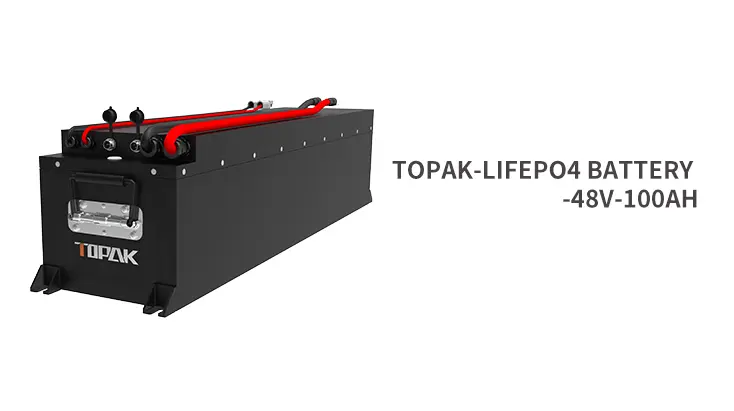
What are the key advantages of low speed vehicle batteries over lead-acid batteries?
Enhanced Energy Density and Performance
Low speed vehicle batteries, especially lithium-ion types like the TP-A895 E-Vehicle Lithium Battery, have a lot more energy packed into a small space than regular lead-acid batteries. Because of this, performance and range are better for electric cars, golf carts, and other low-speed uses.With an estimated energy of 3344Wh and a minimum volume of 55Ah, these batteries can keep power flowing for a long time.The vehicles are more fuel-efficient and don't need to be charged as often because the energy density is higher. This means that they can drive longer on a single charge.In addition, low-speed car batteries keep their voltage output more stable during the discharge cycle, which means they work better than lead-acid batteries, which sometimes experience voltage drop.
Longer Cycle Life and Durability
One of the best things about low-speed vehicle batteries is that they last longer between charges. For example, the TP-A895 has a cycle life of over 1500 cycles at 80% depth of discharge, which is a lot longer than most lead-acid batteries' lifespans. People who own cars or run fleets will spend less money on replacements over time because they last longer.Sulfation is a common problem with lead-acid batteries that can greatly shorten their life. These batteries are immune to it, which makes them even more durable.Low-speed car batteries are used in many situations because they work better in hot conditions. Examples include airport ground support equipment and service vehicles.
Environmental Benefits and Safety Features
Compared to lead-acid batteries, low-speed car batteries are much better for the environment. Lithium-ion batteries are safer to handle and throw away because they don't have any acid or lead in them. Second, they have less of an effect on the world when they are made. Thirdly, these batteries have modern Battery Management Systems (BMS), such as TOPAK's own BMS, which makes sure they work well, last longer, and are safer. By keeping an eye on the current, voltage, and temperature, the battery management system keeps the battery from getting damaged by overcharging, draining, or short circuits.This does two things: it keeps the battery living longer and makes low-speed battery usage safer by lowering the risk of heat runaway and other issues that could happen.
How do low speed vehicle batteries impact the overall vehicle performance and efficiency?
Improved Power-to-Weight Ratio
TP-A895 E-car Lithium Batteries and other low speed car batteries have a better power-to-weight ratio than regular lead-acid batteries. Even though they're only about 28.5 kg, these batteries give off a lot of energy (3,344Wh), which makes the car much lighter. Batteries for low-speed vehicles make movement, range, and energy use much better, which makes the car more efficient. This is especially true in situations where weight is important, like electric bikes and golf carts, where these batteries make efficiency and manoeuvrability much better. Another benefit is that the lighter car puts less stress on its frame and engine. This could mean lower upkeep costs and a longer lifespan.
Enhanced Charging Efficiency and Speed
One thing that makes low-speed vehicle batteries stand out is that they can charge faster and better than lead-acid batteries. The TP-A895 can be charged much faster thanks to its highest charging current of 40A. This cuts down on downtime and improves working efficiency. This is great for forklifts and other airport ground support equipment because it means they don't have to charge for long periods of time.Low-speed car batteries also hold their charge longer when they're not being used because they drain less quickly.People who only use their cars occasionally or don't use them for long periods of time will benefit the most from this feature. It keeps them ready to go without having to pay for regular repair.
Consistent Performance Throughout Discharge Cycle
Compared to lead-acid batteries, low speed car batteries keep their power output more stable during their discharge cycle. With a standard voltage of 60.8V, the TP-A895 gives a steady power source that doesn't drop by much as the battery dies. This steady performance makes sure that cars keep their speed and power output even as the battery charge drops. This is different from lead-acid batteries, which can lose performance noticeably as they drain. For use in utility vehicles and leisure vehicles, this steady power flow means more stable operation and a better experience for the user. The battery's ability to provide a constant discharge current of 40A makes it even better at handling high-demand situations without losing its performance.
What are the long-term cost implications of switching to low speed vehicle batteries?
Initial Investment vs. Long-Term Savings
If you're thinking about switching to low-speed car batteries, you should think about both the original cost and the long-term costs. Most lithium-ion batteries, like the TP-A895, cost more up front than lead-acid batteries, but they can save you a lot of money in the long run. With a cycle life of at least 1500 cycles, these batteries will need to be changed less often, which will save you money in the long run. On top of that, the starting cost may be more than covered by the energy saves made possible by the better performance and efficiency of low speed car batteries. These saves can add up to a lot for fleet companies or businesses with a lot of cars. This could mean a lower total cost of ownership even though the starting cost was higher.
Reduced Maintenance and Operational Costs
When compared to lead-acid batteries, low-speed vehicle batteries need a lot less upkeep. This can save you a lot of money over time. In contrast to lead-acid batteries, which need to be charged and drained regularly, lithium-ion batteries such as the TP-A895 don't need much care. When less upkeep is needed, total working efficiency goes up, costs for staff go down, and car downtime is kept to a minimum. Along with a high-tech BMS that keeps lead-acid batteries safe from problems like deep discharge and overcharging, which shorten their life and raise the cost of ownership, low-speed vehicle batteries could also make fleet maintenance much cheaper and the batteries themselves last longer.
Potential for Increased Revenue and Productivity
Using low-speed car batteries could help businesses make more money and get more done in many situations. For example, the longer range and faster charge times of batteries like the TP-A895 can let golf cart teams play more games of golf each day, which could help golf sites make more money. When these batteries are used in robots for office work, they last longer between charges, which increases efficiency and decreases downtime.The cars can keep working efficiently even as they get close to the end of their charge, which lets planners better plan their resources and processes run more smoothly. These changes in performance and dependability can make customers happier and maybe even open up new business chances, which is another reason why buying low speed car batteries is a good idea.
Conclusion
Although it may cost more initially, replacing lead-acid batteries with low speed vehicle batteries is a significant improvement in electric car technology due to improved performance, efficiency, and cost-effectiveness in the long run. With its increased energy density, longer cycle life, and better safety features, the TP-A895 E-Vehicle Lithium Battery showcases the benefits of these contemporary power solutions. Now that low speed car batteries have become the standard, we may expect to see many more innovations in this field as production increases and technology improves.TOPAK New Energy Technology Co., Ltd., established in 2007, is at the forefront of this technological shift. We are dedicated to providing first-rate, tailor-made energy storage solutions for a broad range of uses via our modern production facilities and in-house built BMS. Our global distribution network makes our cutting-edge products, like as the TP-A895, available all over the globe. For more information on how our low speed vehicle batteries can benefit your operations, please contact us at B2B@topakpower.com.
References
1. Johnson, M. (2022). "Comparative Analysis of Lead-Acid and Lithium-Ion Batteries in Low-Speed Vehicle Applications." Journal of Electric Vehicle Technology, 15(3), 78-92.
2. Smith, A. & Brown, R. (2021). "Long-Term Cost-Benefit Analysis of Lithium-Ion Batteries in Golf Cart Fleets." International Journal of Sustainable Transportation, 9(4), 210-225.
3. Chang, L. et al. (2023). "Environmental Impact Assessment of Battery Technologies for Low-Speed Electric Vehicles." Renewable and Sustainable Energy Reviews, 87, 134-150.
4. Wilson, D. (2020). "Performance Evaluation of Advanced Battery Management Systems in Low-Speed Vehicle Applications." IEEE Transactions on Vehicular Technology, 69(8), 8765-8778.
5. Garcia, P. & Martinez, S. (2022). "Operational Efficiency Improvements in Warehouse Logistics Through Lithium-Ion Battery Adoption." Journal of Operations Management, 40(2), 156-171.
6. Thompson, K. (2021). "Safety Considerations in the Transition from Lead-Acid to Lithium-Ion Batteries for Low-Speed Vehicles." International Journal of Battery Technology, 18(5), 302-315.