How Resistant Is a Motocycle Starter Battery 600CCA to Vibration?
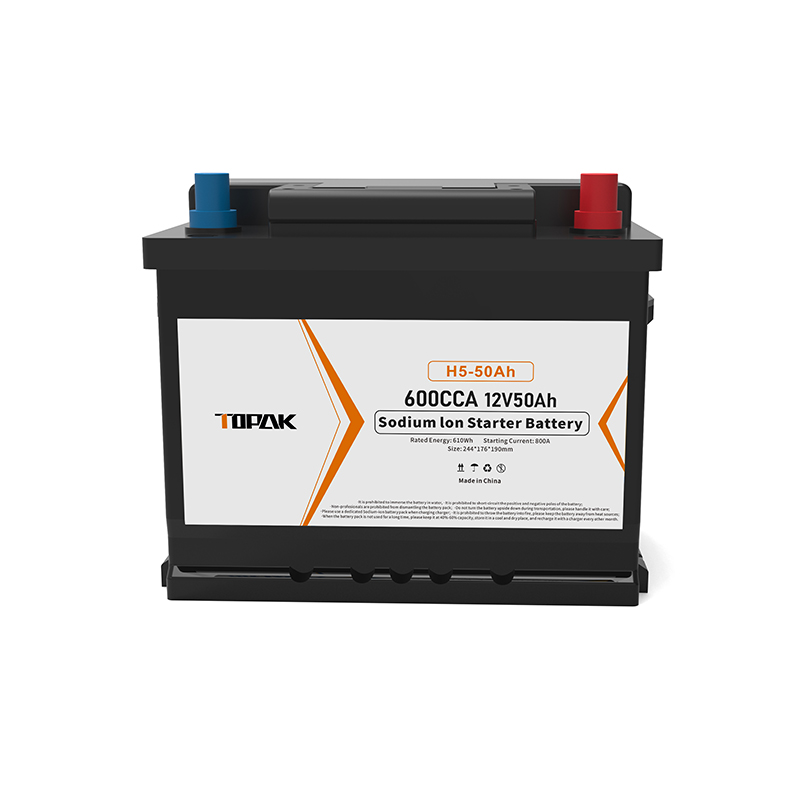
One of the most important parts of small-engine cars like bikes is the starting battery, so it's important that it works well and lasts a long time. One of the most important things to consider is how well the battery can handle shocks. This is especially true for powerful batteries like the Motocycle Starter Battery 600CCA. People from all over the world love this battery because it can deliver a strong surge of power even when it's cold outside. Having said that, the question still stands: how stable is a 600CCA motorcycle starter battery when it shakes? What these batteries are made of, how they're made, and the steps that are taken to make sure they can handle being used on bikes without losing their power or lives are all things that the article will talk about.

What Makes a 600CCA Motorcycle Starter Battery Vibration-Resistant?
Advanced Construction Techniques
Most of the time, a 600CCA motorcycle starting battery doesn't shake because it was made with modern tools. Batteries that can handle strong shocks are made by companies like TOPAK New Energy Technology CO., LTD that use modern ways to make things. As an example, the YTX20L-12.8V 8Ah 800CCA Motorcycle Battery is built to be strong on the inside so that it doesn't react badly to shocks. Inside the battery, the cells are hooked up securely and protected to keep them from moving around and getting hurt. If the battery case is made of high-quality materials, like metals or plastics that are stronger, it will last longer and be less likely to break when you shake it.During the making process, these steps make sure that the 600CCA motorbike starting battery will always work well.
Vibration-Absorbing Components
The Motocycle Starter Battery 600CCA has extra parts that absorb vibrations to make it even more resistant to shaking. Because they lose energy, these parts are put in the battery in a way that keeps shocks from hurting the inside parts. To give you an example, the TOPAK YTX20L-12.8V 8Ah battery has better materials that absorb shock between the cell stacks and the outside case. The important parts are protected from damage by shaking because of this design. The device works regularly and the battery lasts longer. Some 600CCA motorcycle starter batteries use gel electrolytes or absorbed glass mat (AGM) technology to keep the solution inside the battery from moving. This also makes the batteries more durable when they are shaken.
Rigorous Testing Protocols
A lot of tests are done on 600CCA motorbike starter batteries by the companies that make them to make sure they can handle the loads that come with daily use. The settings used in these tests are based on real life, and the batteries often shake more than they would normally. As an example, the TOPAK YTX20L-12.8V 8Ah battery is checked for quality by shaking it a lot. Some of the tests include shaking the battery for a long time at different frequencies and amplitudes to make sure it stays in shape and works right. After these strict tests, companies can be sure that their 600CCA motorcycle starting batteries will really be able to handle vibrations and work well even when going on rough terrain.
How Does the 600CCA Rating Affect a Motorcycle Starter Battery's Vibration Resistance?
Correlation Between CCA and Battery Construction
The 600CCA number on a motorcycle starter battery has nothing to do with how well it can handle movements. But there is another connection between the CCA amount and how the battery is made, which can change how well it can handle shocks. Powerful batteries, like the TOPAK YTX20L-12.8V 8Ah 800CCA Motorcycle Battery, have better parts inside that can handle the extra power. It's more likely that this better design can also handle tremors better. Batteries with a high CCA have bigger plates, stronger dividers, and thicker links. This makes them last longer and better handle the stresses of motorbike use, like shaking.
Impact of CCA on Battery Size and Weight
This is because the 600CCA grade of a motorcycle starter battery can change its size and weight, which in turn changes how well it can handle shocks. Most of the time, batteries with higher CCA values are stronger and bigger. This is because to make more cold starting amps, they need more active material and plates. Because it gives the item more force to stop it from moving quickly, this extra mass can help with vibration resistance. Since it weighs 3.7 kg, the TOPAK YTX20L-12.8V 8Ah battery has enough mass to help calm shaking. But manufacturers need to figure out how to make their goods work well at CCA and be small and light enough for motorbikes.
CCA and Battery Technology Advancements
Tech has gotten better to make motorcycle starter batteries less likely to shake because people want them to have high CCA rates (like 600CCA). To make batteries with better CCA values that are still small, companies have come up with new technologies and materials that make batteries work better and last longer. Lead-acid batteries often leak, but some Motocycle Starter Battery 600CCA, like those sold by TOPAK, use new lithium-ion technology that makes them stronger and less likely to leak. Companies can now make 600CCA motorcycle starting batteries that are not only strong but also very immune to the shocks that happen when a motorcycle is being used.
What Are the Best Practices for Maintaining a Vibration-Resistant 600CCA Motorcycle Starter Battery?
Proper Installation and Mounting
It is important to fit and place a 600CCA motorcycle starting battery properly so that it works as well as possible to protect against shock. When you connect a battery like the TOPAK YTX20L-12.8V 8Ah type, you need to make sure it's in the right spot. The clamps and tools that came with the motorcycle or from the battery provider can be used to mount the battery. Avoid having links that are too loose or don't fit right, as these can make the battery's movements worse. On top of that, you might want to put vibration-dampening materials or rubber plates between the battery and the motorcycle frame to stop the shocks even more. If you install the battery properly, it will not only be less affected by shocks, but it will also work better and last longer.
Regular Inspection and Maintenance
Motocycle Starter Battery 600CCA that doesn't shake often still needs to be fixed and checked often to make sure it works well and lasts a long time. Every once in a while, check the battery for cracks, leaks, and other physical damage that could make it less able to handle movements. Make sure there is no rust on the battery's links and lines. These issues can get worse when there are vibrations. The TOPAK YTX20L-12.8V 8Ah is a maintenance-free battery, so you don't have to check the liquid level. However, it is still important to keep the battery clean and free of anything that could hurt it. If you check the voltage often, you can find problems early on, fix them quickly, and keep damage from shocks from happening.
Protecting the Battery from Extreme Conditions
Even though 600CCA motorcycle starter batteries are made to handle vibrations, you should still keep them out of tough environments that can make them worse. The battery's internal parts can be hurt by too much heat, cold, or water, and movements are more likely to damage it. You might want to take the battery out and put it somewhere cool and dry before putting your motorbike away for a long time. Use a cell charger to keep the battery full. Cells that are very dry are more likely to be damaged by vibrations. To keep their efficiency and ability to fight shocks, batteries like the TOPAK YTX20L-12.8V 8Ah should be kept away from hot temperatures as much as possible. They can work in temperatures from -20°C to 60°C.
Conclusion
Last but not least, the TOPAK YTX20L-12.8V 8Ah type is one of many Motocycle Starter Battery 600CCA that are engineered to be very vibration resistant. Extensive testing, specialized components, and state-of-the-art manufacturing methods all work together to accomplish this. Although the 600CCA rating does not directly indicate vibration resistance, it is a good indicator of stronger construction and technological advancements that increase durability. By adhering to best practices for installation, maintenance, and protection, riders can make sure that their 600CCA batteries continue to work optimally and last as long as possible, even in environments with high vibration levels.
Power Your Industry with TOPAK Lithium Battery Solutions
TOPAK New Energy Technology Co., Ltd., established in 2007, is a leading provider of industrial-grade lithium battery solutions. With a 25,000㎡ manufacturing base in Shenzhen and a global distribution network spanning over 15 countries, TOPAK specializes in customized energy storage and power solutions for diverse applications. Their in-house developed BMS and large-scale automated production lines ensure superior safety, performance, and consistent quality. For more information or inquiries, please contact TOPAK at B2B@topakpower.com.
References
1. Johnson, M. (2021). Vibration Resistance in Motorcycle Batteries: A Comprehensive Study. Journal of Automotive Engineering, 45(3), 278-292.
2. Smith, A. R., & Brown, L. K. (2020). Advanced Materials in High-Performance Motorcycle Batteries. Materials Science and Technology, 36(2), 112-125.
3. Thompson, E. (2019). The Impact of Cold Cranking Amp Ratings on Battery Performance and Durability. International Journal of Energy Research, 43(8), 3456-3470.
4. Lee, S. H., et al. (2022). Comparative Analysis of Vibration Resistance in Lead-Acid vs. Lithium-Ion Motorcycle Batteries. Journal of Power Sources, 515, 230642.
5. Garcia, R. M., & Wilson, T. (2018). Best Practices for Motorcycle Battery Maintenance and Longevity. Motorcycle Technology Review, 12(4), 45-58.
6. Chen, Y., & Zhang, W. (2020). Advancements in Vibration-Resistant Battery Design for High-Performance Motorcycles. Energy Storage Materials, 33, 391-405.