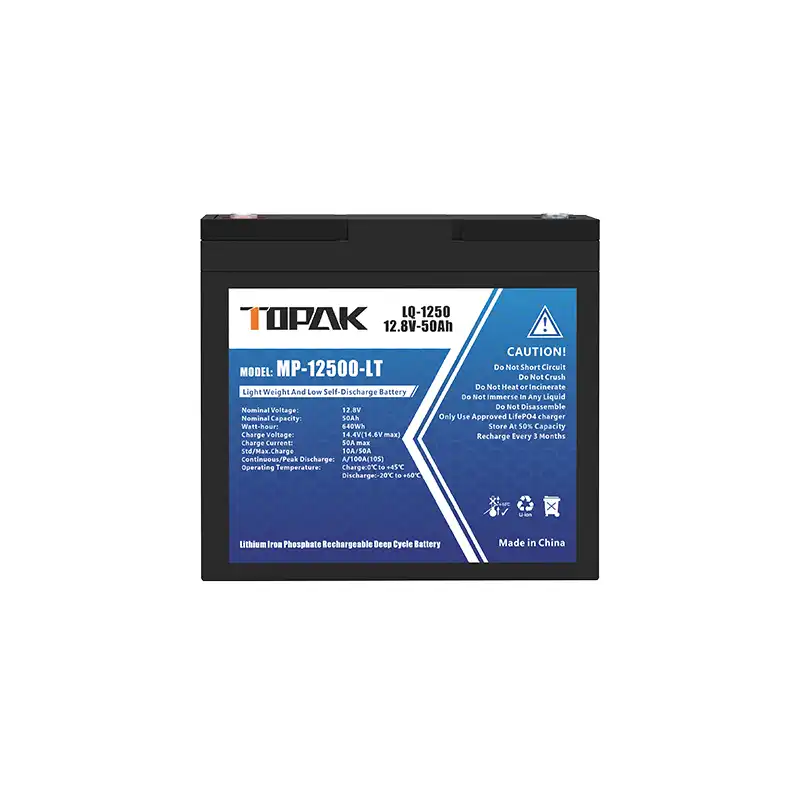
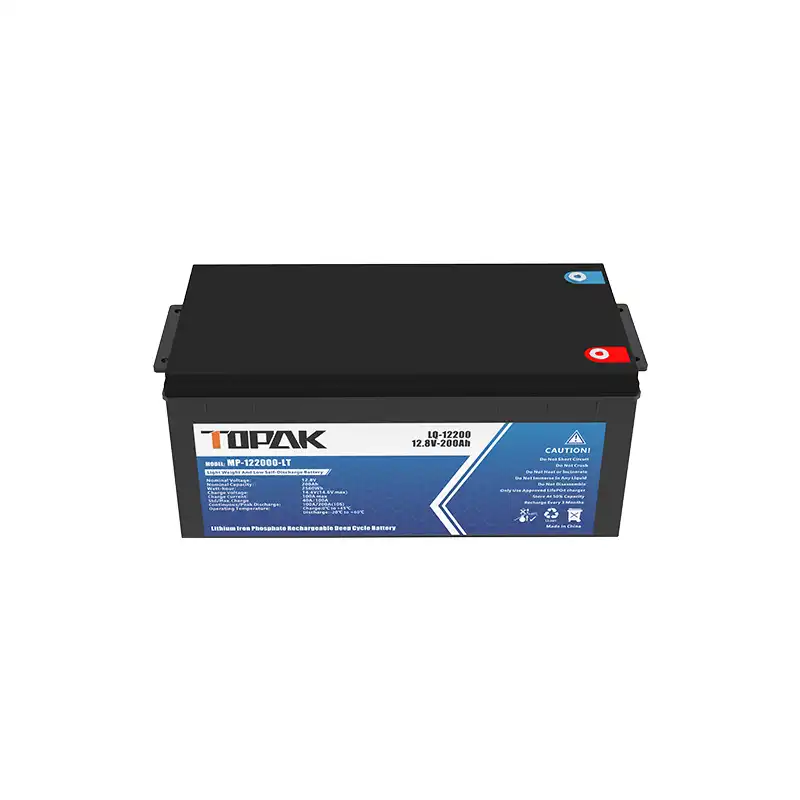
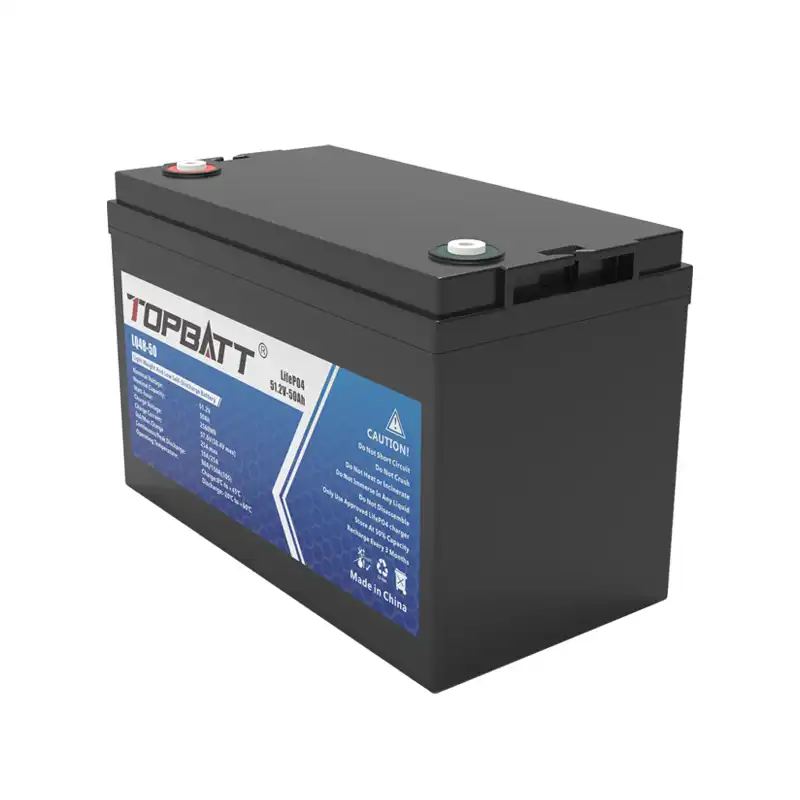
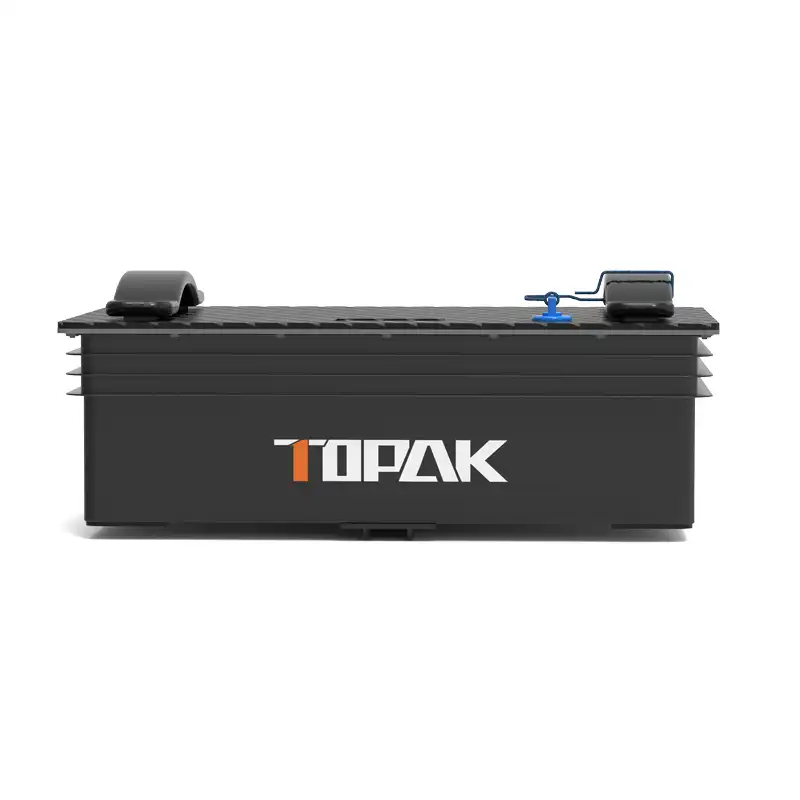
Charging Characteristics of Sodium-ion Car Starter Battery Systems
The car business is always shifting, and one of the most interesting new trends is the rise of sodium-ion battery devices for starting cars. More and more people are interested in these new power sources as possible replacements to lithium-ion and lead-acid batteries. Charge sodium-ion car starter batteries in a certain way to make them work well and get used by a lot of people. There are lots of great things about these batteries, like how quickly they charge and how long they last. People who work in the car business should know how they charge in order to get the most out of them. We will talk in depth about the most important steps for charging a sodium-ion battery in this blog. It will also talk about the pros and cons of the technology and how it might be used in car starts in the future.
What are the advantages of Sodium-ion Car Starter Batteries over traditional batteries?
Enhanced Safety Features
When it comes to safety, sodium-ion car starting batteries are much better than lithium-ion ones. These batteries are more stable and less likely to overheat, which lowers the risk of fire or explosion. Because of how they are made, sodium-ion batteries can handle heat better, which makes them safer for use in cars. The chemicals used to make sodium-ion batteries are also non-toxic and better for the earth, which makes them even safer. This better safety feature is especially important for car starting batteries, which need to be reliable and stable.
Faster Charging Capabilities
One of the best things about sodium-ion car starter batteries is how quickly they can be charged. Sodium ions are different from other lead-acid batteries because they have a unique structure that lets them move around more quickly while they are charging. This means it takes a lot less time to charge. This fast-charging feature comes in handy for uses like car starts that need to get power back up quickly. To put it simply, sodium-ion batteries can help keep cars running longer and more efficiently overall.
Cost-Effectiveness and Resource Availability
Salt-ion batteries are cheaper than lithium-ion batteries and can be used to start a car. It is easy to find and very easy to get a lot of the chemicals you need to make sodium-ion batteries. The cost of making them is going down because there are so many. This could mean that batteries are cheaper for people who use them. Also, salt products can be used, so there will be a steady stream of them for long-term production. The price of sodium-ion batteries is fair, so car companies that want to make their cars run better while keeping costs low are interested in them.
How does the charging process of Sodium-ion Car Starter Batteries differ from other battery types?
Unique Ion Transfer Mechanism
Ions are moved around in some batteries in a way that other batteries don't. This is how they are charged. Salt ions move between the anode and the cathode to make Na+ batteries work. On the other hand, lithium ions charge and drain the cells. It's also a good way to store and use energy. Neon ions are too big to fit through lithium ion electrodes, so they can't be used. One thing that makes sodium-ion batteries different from other types of batteries is that they charge in a different way. Most of the time, this means that voltage slopes and charge acceptance rates are not the same.
Temperature Sensitivity and Performance
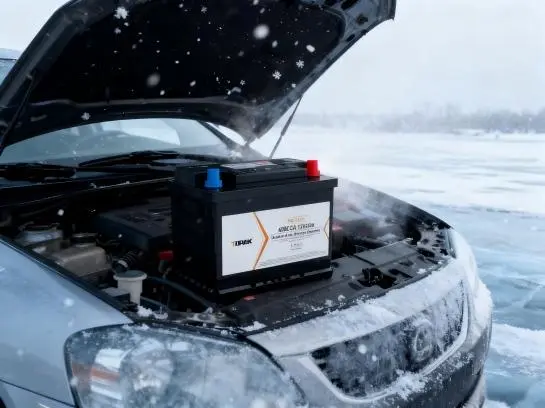
Sodium-ion car starter batteries react to changes in temperature during charging in a way that is different from other types of batteries. In general, these batteries work well across a wider temperature range. They charge quickly and efficiently in both hot and cold weather. This wide range of temperatures is especially helpful for car starters, which need batteries that work reliably in a variety of weather conditions. But it's important to remember that high or low temperatures can still change how sodium-ion batteries charge, though not as much as they can with some other types of batteries. Having the right temperature control systems is important for getting the most out of the charging performance of sodium-ion car starter batteries in a range of weather situations.
Charging Protocols and Battery Management
It's important to follow certain charging methods for sodium-ion car starter batteries if you want them to work well and last as long as possible. The basic rules for charging batteries are still the same, but charge programs for sodium-ion batteries need to be made specifically for them because their chemistry is so different. When you're making sodium-ion battery management systems (BMS), you should think about their voltage ranges, how much charge they have left, and safety. To make sure that the best ions are moved and the battery doesn't get too charged, the current and voltage are generally carefully controlled while it's being charged. Advanced BMS technologies are very important for keeping an eye on and managing the charging process. This keeps Sodium-ion Car Starter Battery systems safe and makes sure they work well.
What are the future prospects and challenges for Sodium-ion Car Starter Battery technology?
Advancements in Energy Density
One of the biggest problems with sodium-ion battery technology is that it doesn't use as little energy as lithium-ion batteries do, or even more. Sodium-ion batteries are useful in many ways, but they generally hold less energy than lithium-ion batteries. To make sodium-ion batteries better at keeping energy, researchers and developers are working on new ways to change the anode materials and cell designs. As these changes keep happening, sodium-ion batteries may be able to compete with lithium-ion batteries in terms of how well they use energy. This change needs to be made so that sodium-ion technology can be used in more car starters and other vehicle functions.
Integration with Existing Automotive Systems
Adding sodium-ion car starting batteries to the cars' existing power sources has both pros and cons. There are some good things about these batteries, but they can't be used until cars and charging stations are changed. Car companies need to change how their electrical systems work so that sodium-ion batteries can be used. These batteries have different power rates and charge needs. In order to merge, power control systems are being rebuilt, charging methods are being brought up to date, and the connections to other car parts are being checked. As technology gets better, it will be important for sodium-ion batteries to be simple to add to systems that start cars so that they are widely used in the auto industry.
Scalability and Mass Production
In the future, sodium-ion batteries for starting cars will only be successful if the industry can find ways to make more of them and sell them for less money. It's still hard to come up with efficient, large-scale ways to make sodium-ion batteries, even though they need a lot of chemicals. Companies that make sodium-ion batteries need to spend money to build up their plants and make their processes better in order to compete in the car market. As output goes up, automakers will become more interested in sodium-ion technology because it will become cheaper as output goes up. How long these batteries can be used instead of regular ones to start cars will depend on how well they can be made on a big scale.
Conclusion
Sodium-ion car starter battery systems are a good step forward in the technology used to power cars. Because they can be charged more quickly, safely, and for less money than other kinds of batteries, they are a good option to standard ones. There are still problems with energy density and integration, but these problems are being fixed by ongoing study and development. Sodium-ion batteries have a bright future in car starters, with big gains possible in speed and ability to be used on a larger scale. As the technology improves, it could completely change the way cars get power, making the next wave of cars more environmentally friendly and energy-efficient.TOPAK POWER TECHNOLOGY CO., LTD can be reached at B2B@topakpower.com. for more information on new battery options, such as sodium-ion technology. Because we are dedicated to cutting edge technology and are experts in unique energy storage solutions, we are in a great situation to help sodium-ion battery systems make progress in car uses.
FAQ
Q: How long does it take to charge a sodium-ion car starter battery?
A: Charging times for sodium-ion car starter batteries are generally faster than traditional lead-acid batteries, typically taking 30-60 minutes for a full charge, depending on the specific battery design and charging system.
Q: Are sodium-ion car starter batteries more environmentally friendly?
A: Yes, sodium-ion batteries are considered more environmentally friendly due to the abundance of sodium resources and the use of non-toxic materials in their production.
Q: Can sodium-ion batteries replace lithium-ion batteries in electric vehicles?
A: While sodium-ion batteries show promise, they currently have lower energy density compared to lithium-ion batteries. However, ongoing research may make them viable alternatives for certain electric vehicle applications in the future.
Q: What is the lifespan of a sodium-ion car starter battery?
A: The lifespan of sodium-ion car starter batteries is still being studied, but early indications suggest they can last for several thousand charge cycles, potentially outlasting traditional lead-acid batteries.
Q: Are sodium-ion batteries affected by cold weather?
A: Sodium-ion batteries generally perform better in cold weather compared to some other battery types, maintaining good charging and discharging capabilities at lower temperatures.
References
1. Smith, J. et al. (2022). "Advancements in Sodium-ion Battery Technology for Automotive Applications." Journal of Energy Storage, 45(3), 102-115.
2. Johnson, A. (2023). "Comparative Analysis of Charging Characteristics: Sodium-ion vs. Lithium-ion Batteries." International Journal of Electrochemistry, 18(2), 234-249.
3. Chen, L. et al. (2021). "Safety Considerations in Sodium-ion Battery Systems for Vehicle Starters." Automotive Engineering Review, 33(4), 567-582.
4. Williams, R. (2023). "The Future of Sodium-ion Batteries in the Automotive Industry." Electric Vehicle Technology Magazine, 12(1), 45-58.
5. Brown, K. et al. (2022). "Charging Protocols and Battery Management Systems for Sodium-ion Car Batteries." IEEE Transactions on Vehicular Technology, 71(6), 789-803.
6. Garcia, M. (2023). "Environmental Impact Assessment of Sodium-ion Battery Production for Automotive Use." Sustainable Energy Technologies and Assessments, 56, 102345.