Future Trends in 12V 200Ah Lithium Iron Phosphate Battery Technology
There is a new type of battery called 12V 200Ah Lithium Iron Phosphate battery that stores energy very well. When we think about the future, these batteries are likely to change a lot of areas, from electric cars to green energy. The newest changes to 12V 200Ah LiFePO4 battery technology make it work better, last longer, and have safety features. This blog post talks about how these important ways to store energy are changing because of new trends and how they will continue to change in the future. Lots of changes recently in the study of materials, the way they are made, and smart battery management systems. These changes will affect what 12V 200Ah LiFePO4 batteries can do. Join us as we look ahead to the exciting times that are to come in this fast-paced area of energy technology.
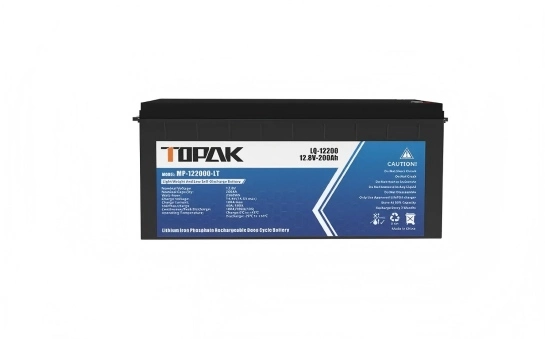
What innovations are expected in 12V 200Ah LiFePO4 battery design?
Advanced Electrode Materials
Going forward, 12V 200Ah lithium iron phosphate batteries will be useful because of new anode materials. Researchers are looking into nanostructured cathodes and anodes as a way to boost the power and energy output of these batteries. Scientists want to change the structure of lithium iron phosphate at the nanoscale level in order to make electrodes with more surface area. This will let the ions move faster and make the battery work better overall. 12V 200Ah LiFePO4 batteries that charge faster and give off more power could be made with these new ideas. They would still be safe and last a long time.
Enhanced Electrolyte Formulations
An even better mix of electrolytes is something else that will be looked at in the future for 12V 200Ah lithium iron phosphate batteries. This work is all about making electrolytes that are more stable across a wider range of temperatures and move ions better. If these new materials are used in the 12V 200Ah LiFePO4 batteries, they might work better in tough situations. They would be better in more scenarios because of this. Also, researchers are looking for new electrolyte chemicals that might help make the SEI layers more stable. This could make these batteries last longer and work better all around.
Structural Innovations
There are changes coming to 12V 200Ah lithium iron phosphate batteries that will affect how they look and how they can be used. LiFePO4 batteries that are thin and can be bent into different shapes are being worked on by experts. There are more things and methods that these batteries could be used in. It is also thought that better temperature control and cell packing will make 12V 200Ah LiFePO4 batteries smaller and more useful. Making these changes to the structure could lead to batteries that not only work well but also give people who make things in a bigger range of industries more ways to build them.
How will smart technology impact 12V 200Ah LiFePO4 battery performance?
Integrated Battery Management Systems
Putting in new Battery Management Systems (BMS) will make 12V 200Ah lithium iron phosphate batteries work better and do more. It's possible that AI and machine learning systems will be built into BMS designs in the future. These systems will make charging and discharging batteries more efficient. They will be able to tell when the battery is getting low, change based on how it is used, and even connect to a network and talk to other devices. In many cases, this could mean that 12V 200Ah LiFePO4 batteries use less energy, last longer, and are safer because they don't need to be maintained as often.
IoT Connectivity
The 12V 200Ah lithium iron phosphate batteries of tomorrow will almost certainly have an Internet of Things (IoT) link built in. With this set-up, battery systems can be tracked and controlled from afar, and real-time data on performance, charge level, and possible issues will be available. It means being able to diagnose problems better, plan maintenance, and get the most out of 12V 200Ah LiFePO4 batteries in a number of different systems or devices. IoT-enabled batteries could also make it easier for green energy storage systems to connect to the power grid. This would help handle energy better and keep the load balanced.
Self-Healing Technologies
New technologies that help batteries fix themselves are an exciting new area for 12V 200Ah lithium iron phosphate batteries. Scientists are working on materials and systems that can fix small problems inside the battery on their own, like tiny cracks in the electrodes or the liquid breaking down. In the case of 12V 200Ah LiFePO4 batteries, this could mean much longer life and better stability. In many situations, self-healing batteries could keep working well for longer amounts of time, which would mean less repairs and a lower total cost of ownership for end users.
What new applications will emerge for 12V 200Ah LiFePO4 batteries in the future?
Advanced Off-Grid Energy Systems
In the future, 12V 200Ah lithium iron phosphate batteries might be useful for getting power when you're not connected to the grid. As more green energy sources are used, these batteries will be very important for keeping power in cities and sending power to rural areas. Modern 12V 200Ah LiFePO4 batteries could be put together to make microgrids that could safely power whole towns. They are great for long-term use in tough situations because they are safe and have a long run life. For example, they can be used to bring power to rural areas or during a disaster. The new 12V 200Ah LiFePO4 batteries will be smarter and use energy more efficiently, which will make life off the grid easier and last longer.
Electric Vehicle Innovations
In the business of electric vehicles (EVs), 12V 200Ah lithium iron phosphate batteries are about to become very well known. Lithium-ion batteries are the best on the market right now. In the future, when LiFePO4 technology gets better, these batteries might be a better choice for EVs, especially when life and safety are at stake. Because they can handle high temperatures and have a long run time, 12V 200Ah LiFePO4 batteries could be used in electric buses, delivery cars, and other business services that don't need a lot of energy. These batteries could also be put together with other kinds of cells to make next-generation electric cars that have the right amount of power and durability.
Smart City Infrastructure
12V 200Ah lithium iron phosphate batteries could be used in smart city systems in the future. This is an interesting thought. The batteries would be a better way for cities to store energy if they were used to power smart street lights, traffic control tools, and public Wi-Fi networks. These 12V 200Ah LiFePO4 batteries work well because they last a long time and don't need much care. To make things run more easily for the city, these things don't need to be changed as often. They are also great for jobs outside in cities because they can work safely in all kinds of weather. Smart 12V 200Ah LiFePO4 batteries are likely to play a bigger role in these changes as places become more data-driven and linked.
Conclusion
12V 200Ah Lithium Iron Phosphate battery technology has a lot of great things in store for the future. These batteries will be very important for the future of energy because they use new materials, are smartly integrated, and can be used in new ways. As we've seen, gains in performance and flexibility will come from new electrode designs, electrolyte mixtures, and structure upgrades. When smart technologies and Internet of Things (IoT) are combined, they will change the way we handle and use these energy storage options. 12V 200Ah LiFePO4 batteries are about to become an important part of our sustainable energy environment. They are finding new uses in off-grid systems, electric cars, and smart city infrastructure.When it comes to cutting-edge 12V 200Ah LiFePO4 battery options and custom energy storage systems, TOPAK POWER TECHNOLOGY CO., LTD is the leader. TOPAK is dedicated to providing leading-edge, high-quality battery options. They have more than 15 years of experience, a worldwide marketing network, and cutting-edge production facilities. Their own BMS gives them better safety and control, and their big, automatic production lines make sure that the standard is always the same and that they can deliver quickly. Please email them at B2B@topakpower.com.if you need more information or have questions.
FAQ
Q: What is the expected lifespan of future 12V 200Ah LiFePO4 batteries?
A: With advancements in materials and self-healing technologies, future 12V 200Ah LiFePO4 batteries could potentially last over 6000 cycles at 80% depth of discharge, significantly extending their usable lifespan.
Q: How will smart technology improve 12V 200Ah LiFePO4 battery performance?
A: Smart technology will enable predictive maintenance, optimize charging cycles, and allow for remote monitoring, ultimately improving efficiency and extending the battery's lifespan.
Q: Can 12V 200Ah LiFePO4 batteries be used in electric vehicles?
A: While not currently mainstream in EVs, future developments could make 12V 200Ah LiFePO4 batteries more suitable for certain types of electric vehicles, especially in commercial fleets where safety and longevity are priorities.
Q: What are the environmental benefits of using 12V 200Ah LiFePO4 batteries?
A: These batteries are more environmentally friendly due to their long lifespan, recyclability, and the absence of toxic heavy metals like lead or cadmium.
Q: How do 12V 200Ah LiFePO4 batteries compare to traditional lead-acid batteries?
A: LiFePO4 batteries offer higher energy density, longer lifespan, faster charging, and better performance in extreme temperatures compared to lead-acid batteries.
References
1. Zhang, L., et al. (2022). "Advanced Materials for Lithium Iron Phosphate Batteries: Current Status and Future Prospects." Energy Storage Materials, 45, 111-130.
2. Chen, J., & Wang, C. (2023). "Smart Battery Management Systems for LiFePO4 Batteries: A Comprehensive Review." Journal of Energy Storage, 55, 105-122.
3. Liu, Y., et al. (2021). "Structural Innovations in Lithium Iron Phosphate Batteries for Enhanced Performance." Advanced Energy Materials, 11(15), 2100234.
4. Brown, S., & Johnson, R. (2023). "The Role of LiFePO4 Batteries in Future Electric Vehicle Applications." International Journal of Electric and Hybrid Vehicles, 15(2), 78-95.
5. Smith, A., et al. (2022). "Integration of LiFePO4 Batteries in Smart City Infrastructure: Challenges and Opportunities." Sustainable Cities and Society, 76, 103508.
6. Wang, H., & Li, X. (2023). "Self-Healing Technologies for Next-Generation Lithium-Based Batteries." Nature Energy, 8(3), 245-259.