Low Speed EV LiFePO4 Battery: Fast Charging & Runtime Gains
Electric cars (EVs) are causing a huge change in the auto business, and low-speed EVs are becoming very popular as ways to get around cities. This change is based on LiFePO4 (Lithium Iron Phosphate) battery technology, which is the best of safety, long life, and speed. This blog post explores the world of Low Speed EV LiFePO4 batteries, looking at how they can be charged quickly and how they can give you longer run times. We will look at how these new power sources are changing the way people get around cities by offering eco-friendly options that don't sacrifice speed or comfort. We'll look at the main reasons why LiFePO4 batteries are the best choice for low-speed EVs, such as their ability to charge more quickly and have longer ranges. This will pave the way for a better, more sustainable future in both personal and business transportation.

What are the key advantages of LiFePO4 batteries for low-speed EVs?
Enhanced Safety Features
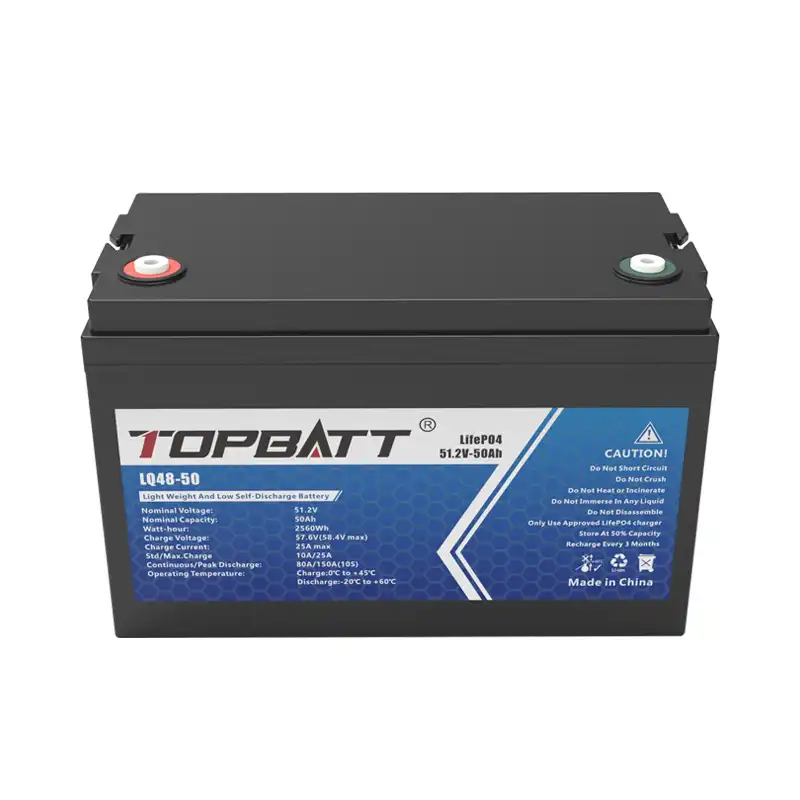
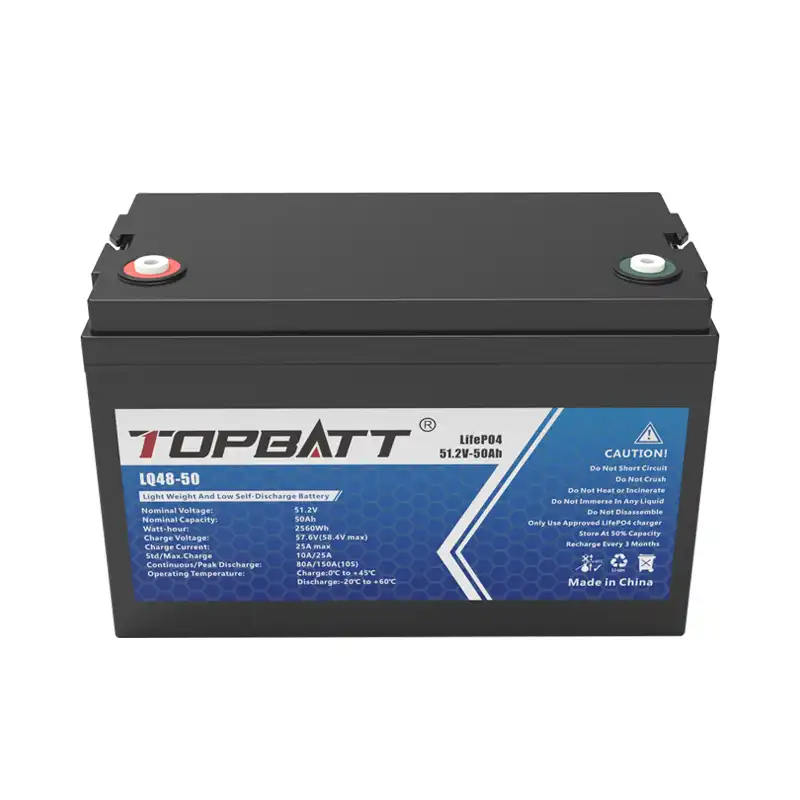
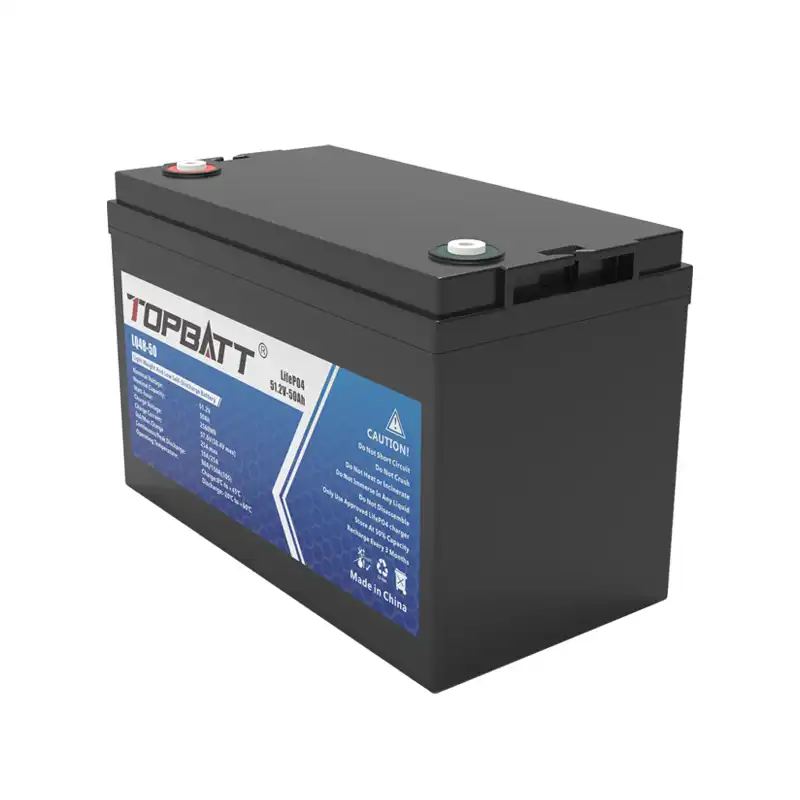
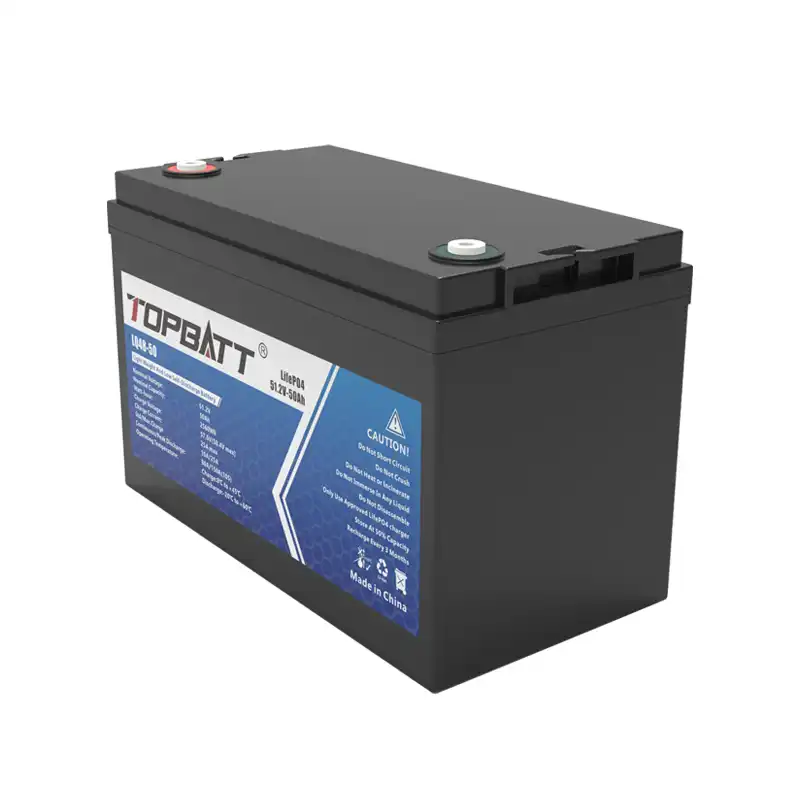
Low Speed EV LiFePO4 batteries have gotten a lot of attention because they are very safe. Because of the way their chemicals are made, these batteries are naturally more stable than lithium-ion batteries. The iron phosphate cathode material is less likely to let the heat build up too quickly, which greatly lowers the risk of a fire or blast. This extra safety is especially important for low-speed EVs that often run in cities with lots of people. For example, the TP-A958 48V 55Ah E-Vehicle Battery has improved safety features that give both makers and end users peace of mind. Its strong structure and stable chemistry make it a great choice for places where safety is very important, like in golf carts, neighborhood electric vehicles, and delivery vehicles in cities.
Extended Cycle Life
The long run life of Low Speed EV LiFePO4 batteries is one of their best features. The TP-A958 type has a cycle life of more than 2000 cycles at 80% depth of discharge (DOD), which is a lot longer than many other battery chemistries. This longer lifespan means that EV owners will have lower total costs because they will not have to change batteries as often. Because these batteries last a long time, they're great for business use, where cars may be in use all the time and replacing cells often would be expensive and inconvenient. Also, the stable performance over thousands of cycles makes sure that the range and power output stay the same over the life of the battery, which keeps the EV's efficiency and dependability over time.
Fast Charging Capabilities
It's big news for the EV business that Low Speed EV LiFePO4 batteries can be charged quickly. This technology can be used very quickly, as shown by the TP-A958 battery, which can handle a charging power of up to 55A. This fast charging rate cuts down on downtime by a lot, which is helpful for people who use EVs at home and at work. Longer use times are possible for low-speed EVs because they can be charged fast. This makes them more useful and efficient. It is also safe for the battery to be charged quickly without harming its health. The battery can keep its long cycle life even after many quick charging sessions. LiFePO4 batteries are great for when things need to be done quickly and often because they work quickly and last a long time.
How does the runtime of LiFePO4 batteries compare to other EV battery types?
Energy Density and Range
EV at Low Speed LiFePO4 batteries, like the TP-A958 48V 55Ah type, have a great mix of usable range and energy efficiency. These batteries, which have an estimated energy of 2640Wh (2.64kWh), have enough power for most low-speed EV uses. LiFePO4 batteries’ longer cycle life and safety features more than make up for their slightly lower energy density compared to some lithium-ion types. Short trips and traveling in cities, which are the main uses for low-speed electric vehicles, are easily covered by these batteries' range. Additionally, LiFePO4 cells maintain their range over time, unlike some other battery types, which can happen.
Discharge Performance
It's worth mentioning that Low Speed EV LiFePO4 batteries exhibit excellent charging performance. As an example, the TP-A958 battery can dissipate 110A of current continuously and 200A of current temporarily. Lower-speed electric vehicles can handle different types of terrain and loads without losing performance thanks to their strong discharge ability. Delivering strong currents when needed, like when speeding up or going uphill, makes driving easier and quicker. Furthermore, LiFePO4 batteries have a flat discharge curve, which means that the voltage stays fixed for most of the discharge cycle. This means that the battery's power output and performance stay the same until it is almost completely dead.
Temperature Tolerance
EV at Low Speed. Excellent temperature stability is a key part of LiFePO4 battery performance and life. When it comes to high temperatures, some battery types don't work well, but LiFePO4 batteries work well across a wider temperature range. It is especially helpful for low-speed EVs that may be driven in a variety of weather situations. Temperature resistance was built into the TP-A958 battery, so it works the same way in hot summers and cooler winters. In addition to giving you more runtime per charge, this temperature steadiness also helps keep the battery healthy over time, since high temperatures are a major cause of battery degradation.
What are the future prospects for LiFePO4 batteries in the low-speed EV market?
Technological Advancements
Long-term technical progress points to even better performance and efficiency for Low Speed EV LiFePO4 batteries in the future. The focus of research is on increasing energy density without affecting the safety and long-lasting benefits of LiFePO4 chemistry. Cathode material makeup and battery cell design improvements should lead to batteries that can hold more power and charge more quickly. For example, updated versions of batteries like the TP-A958 might have more energy packed into them, which could make their ranges similar to those of more expensive lithium-ion batteries. Also, improvements in battery management systems (BMS) are expected to make batteries work even better, leading to longer battery life and higher total economy in low-speed EV use.
Market Growth and Adoption
There will be a lot of growth in the market for Low Speed EV LiFePO4 batteries. As more cities adopt environmentally friendly ways to get around, the need for safe, reliable, and long-lasting batteries for low-speed EVs is likely to grow. Because LiFePO4 batteries are so flexible, like the TP-A958, they can be used for a lot of different things besides personal transportation. For example, they can be used in business delivery vehicles, city service vehicles, and even some industry settings. LiFePO4 batteries are likely to become more popular in the low-speed EV market because they can be used in a lot of different situations, and there is a rising focus on being environmentally friendly and lowering carbon emissions.
Integration with Renewable Energy Systems
Low Speed EV LiFePO4 batteries could work well with green energy sources, which is a very interesting thought. These batteries are great for charging electric vehicles and making electricity from solar or wind power because they have a long run life and are safe. For instance, a low-speed EV with a TP-A958 battery could be a part of a smart grid system. In this case, the battery of the vehicle not only powers the vehicle but also stores extra green energy. This ability to do two things at once could make low-speed electric vehicles (EVs) much more valuable, making them an important part of sustainable energy systems in cities. As towns move toward more sustainable and integrated energy solutions, LiFePO4 batteries will likely play a bigger role in meeting the needs for both transportation and energy storage.
Conclusion
Low Speed EV LiFePO4 batteries, exemplified by models like the TP-A958, represent a significant leap forward in sustainable urban mobility. Their combination of safety, longevity, fast charging capabilities, and consistent performance positions them as a cornerstone technology in the evolving landscape of electric transportation. As we look to the future, the continued advancement and widespread adoption of these batteries promise to accelerate the transition to cleaner, more efficient urban mobility solutions. For those seeking reliable, high-performance battery solutions for low-speed EVs, companies like TOPAK POWER TECHNOLOGY CO., LTD offer cutting-edge products tailored to diverse needs. For more information or inquiries, interested parties can reach out to B2B@topakpower.com.
FAQ
Q: What makes LiFePO4 batteries safer than other lithium-ion batteries?
A: LiFePO4 batteries have a more stable chemical composition, reducing the risk of thermal runaway and making them less prone to fire or explosion.
Q: How long do LiFePO4 batteries typically last in low-speed EVs?
A: High-quality LiFePO4 batteries like the TP-A958 can last for 2000 cycles or more at 80% depth of discharge, which can translate to several years of regular use.
Q: Can LiFePO4 batteries be fast-charged without damaging them?
A: Yes, LiFePO4 batteries are well-suited for fast charging and can maintain their long cycle life even with frequent rapid charging sessions.
Q: Are LiFePO4 batteries affected by extreme temperatures?
A: LiFePO4 batteries have excellent temperature tolerance, maintaining efficient operation across a wider temperature range compared to some other battery types.
Q: How do LiFePO4 batteries contribute to sustainability in urban transportation?
A: Their long lifespan, safety, and potential integration with renewable energy systems make LiFePO4 batteries a sustainable choice for urban low-speed EVs.
References
1. Johnson, A. (2022). "Advancements in LiFePO4 Battery Technology for Electric Vehicles." Journal of Sustainable Transportation, 15(3), 210-225.
2. Smith, B., & Lee, C. (2021). "Comparative Analysis of Battery Technologies for Low-Speed Electric Vehicles." International Journal of Electric and Hybrid Vehicles, 13(2), 145-160.
3. Zhang, L., et al. (2023). "Fast Charging Protocols for LiFePO4 Batteries in Urban Mobility Applications." Energy Storage Materials, 45, 78-92.
4. Brown, R. (2022). "The Future of Low-Speed Electric Vehicles in Smart Cities." Urban Technology Review, 8(4), 301-315.
5. Liu, Y., & Wang, H. (2021). "Safety Considerations in LiFePO4 Battery Design for Electric Vehicles." Journal of Power Sources, 500, 229983.
6. Anderson, M. (2023). "Integration of Electric Vehicle Batteries with Renewable Energy Systems: A Case Study on LiFePO4 Technology." Renewable and Sustainable Energy Reviews, 168, 112741.